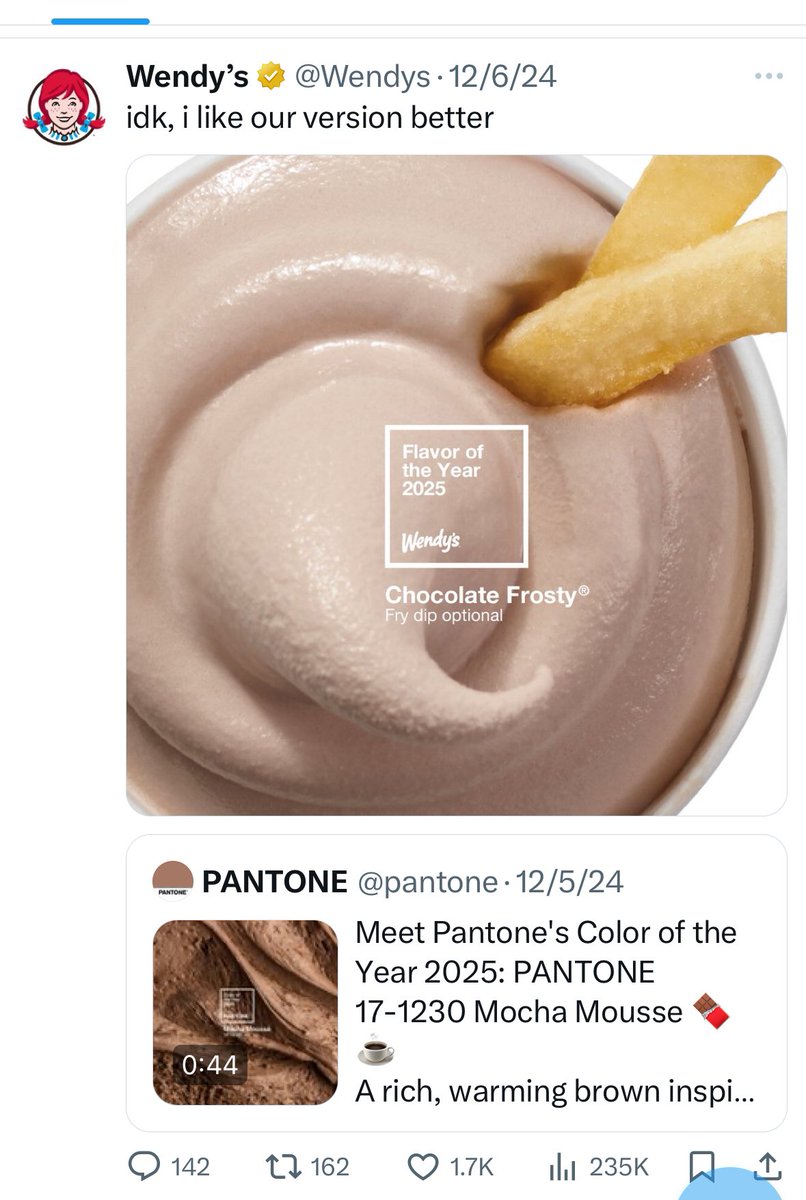
There’s less of a focus on ads and promotions but rather to share engaging content. This is a perfect example from Wendy’s! They took new released info and related it to their brand. Never once did they ask you to make a purchase. Great use of the 80/20 rule! @RetailPro369
A strong hashtag strategy boosts visibility—use a mix of trending, branded, and niche hashtags to reach the right audience. For example, #SustainableFashion helps eco-friendly brands connect with conscious shoppers. @RetailPro369
Meanwhile, social listening uncovers what customers love (or dislike). If shoppers tweet about long checkout lines, that’s a chance to improve service before losing business!
Did you know that 76% of consumers have purchased a product they discovered on social media? Retailers who master content strategy and engagement tactics can turn casual followers into loyal customers. @RetailPro369
Focus on storytelling rather than just selling—behind-the-scenes content builds brand trust and relatability. Additionally, repurpose content across different platforms by transforming a blog post into carousel images, short-form videos, or Twitter threads.
This post is a great idea for Ralph Lauren because it highlights the brand’s classic style while tying it to a fresh, coastal theme. It keeps the message simple and aspirational, appealing to customers who love timeless fashion with a relaxed, elegant feel. @RetailPro369
A coastal-inspired #PoloBear makes an appearance in the latest styles from the #RLKids collection.
Explore classic rugby shirts, sweaters, and accessories: https://t.co/6OLlRXIk4n
#PoloRLStyle
This post stands out because it feels personal and inviting. By sharing her emotions and excitement, she makes fans feel connected and eager to listen.@RetailPro369
Retailers must embrace AI, AR/VR, and automation to stay competitive in 2025. AI-driven personalization, like Amazon’s tailored recommendations, boosts sales by anticipating customer needs.
.@RetailPro369
AR/VR shopping experiences, used by brands like Sephora and IKEA, let customers try products virtually, enhancing engagement and reducing returns. AI-powered chatbots provide 24/7 support and increase conversions by up to 67%.
One standout example? Nike’s ‘You Can’t Stop Us’ campaign, which perfectly blended social media, influencer marketing, and in-store activations to engage multiple customer segments.
Successful retail promotion goes beyond just offering discounts—it’s about understanding your audience and positioning your brand effectively. @RetailPro369
Brands like Sephora excel by tailoring promotions to different age and income segments, offering luxury experiences for high-income shoppers while also providing budget-friendly beauty deals for younger consumers.
That’s a great example of brand loyalty. Coca-Cola has built a strong emotional connection with its customers, so it makes sense that having Pepsi instead of Coke can affect your overall experience at a restaurant. It really shows how brand choices play a big role for the buyer.
I am particularly a loyal consumer of the Coca-Cola company as it is my favorite soda. When restaurants provide Pepsi products versus Coke it sets the overall experience of the company lower on my list of would I return again.
Lecture 3 on Buyer Behavior explained that purchasing decisions are emotional, not just logical.
A great example: Luxury brands like Chanel don’t just sell fashion—they sell status, exclusivity, and confidence. @RetailPro369
People buy based on how a product makes them feel, not just its features. If you want to boost sales, focus on the emotions behind the purchase. What problem does your product solve?