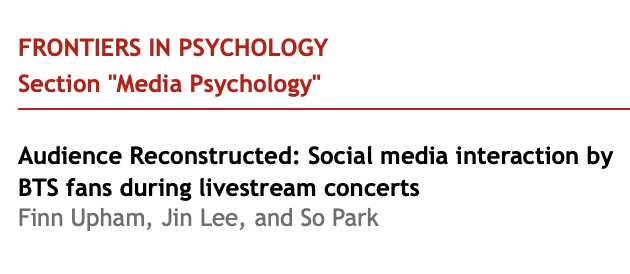
Oh hey this is finally out! My paper with @ElegantLogic and So Yeon Park on what @bts_bighit fans were doing on Twitter during their livestreamed concerts (2021). An audience can recreate online much of what they do face-to-face when they understand the technology #ARMY
This kind of #MusicScience research might not always be possible, we caught this community at a special time, and it's a pleasure to share this technological peak into what Kpop audiences take from concerts and want to share.
Oh hey this is finally out! My paper with @ElegantLogic and So Yeon Park on what @bts_bighit fans were doing on Twitter during their livestreamed concerts (2021). An audience can recreate online much of what they do face-to-face when they understand the technology #ARMY
Taking advantage of an established social network, these BTS fans interacted more richly than audiences new to livestreaming or restricted to a live chat. In switching between the concert stream and their timelines, they enjoyed a communal experience with friends and strangers.
The problem isn't false positives, it's false negatives, with this assessment tool missing a lot of what we would take as evidences of synchronisation in a musical context. The consequence of averaging cross-correlations should be obvious to anyone who does signal processing.
I keep seeing instances of people using SUSY to assess synchrony on measurements during musical interactions without acknowledging what frequencies of information it has erased. Here is an explanation with toy signals to show what it can't capture: https://t.co/Y96ipDo0wn
or go straight to the notebook showing exactly what is calculated what was information is preserved (slow frequency components) and what is lost (high frequency components and phasic information) https://t.co/f1YJdQJUHs
What’s 𝐫𝐞𝐚𝐥𝐥𝐲 going on when we come together for music concerts?🤔
RITMO Postdoctoral Fellow Finn Upham (@finneco) investigates listeners' interactive experience of music unfolding in time🎶
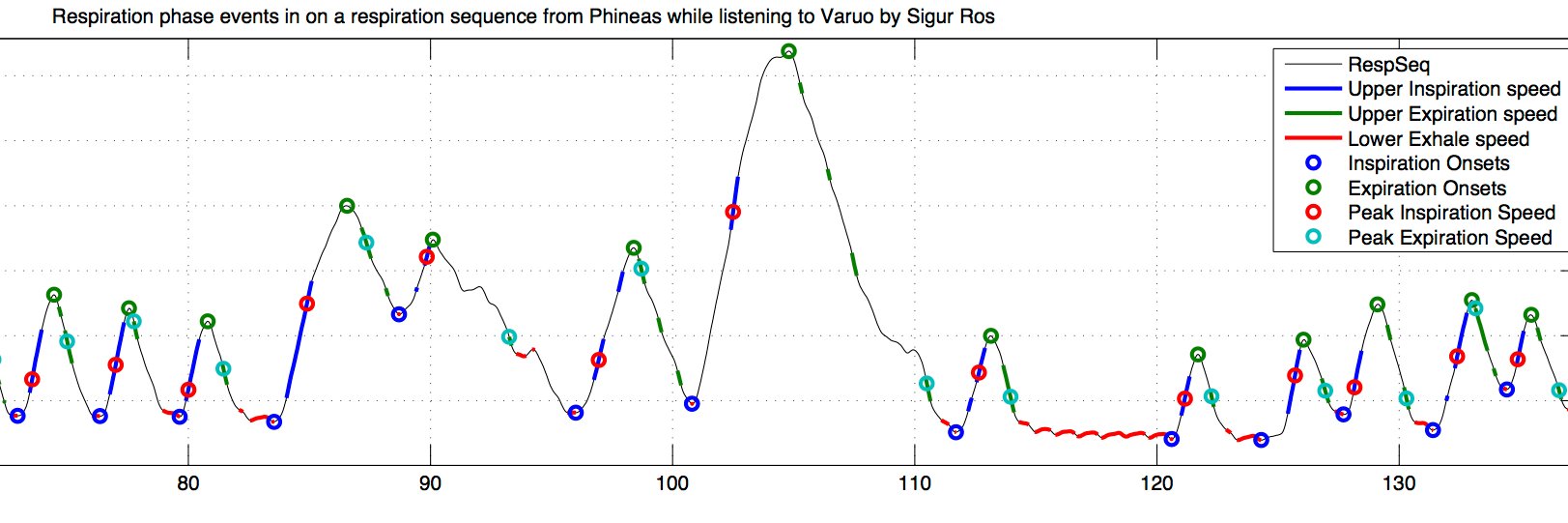
😆 Using a musician's breathing and heart rate while they played to reconstruct WHEN they listened back to the recording. Bless you, wind player! so much data would be lost without your irrepressible impulse to breathe for your entries.
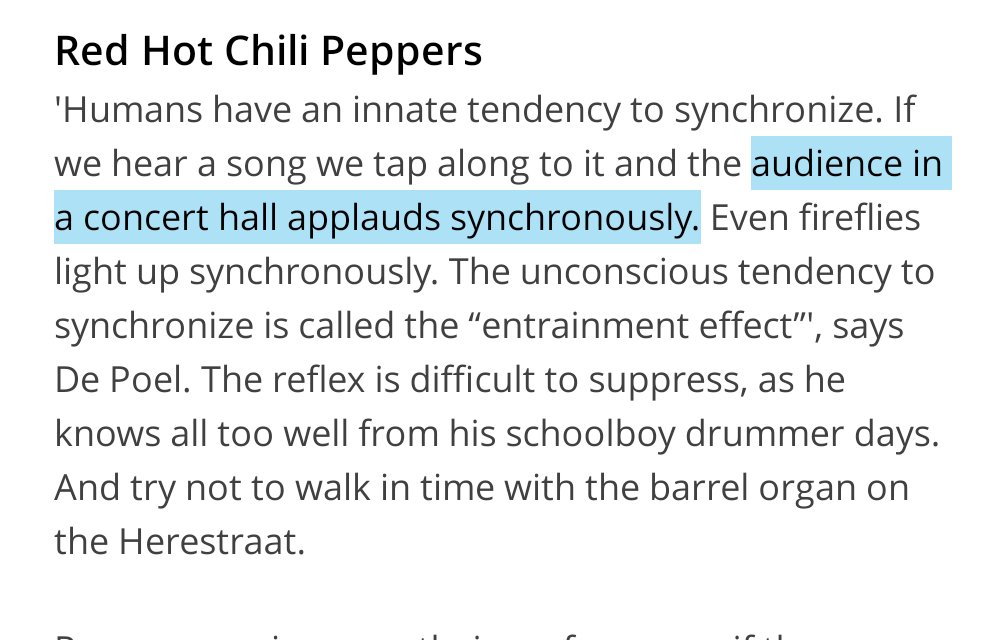
@Dobri_Dotov no studies to suggest on the cognitive effects of music while running, though i have had people report avoiding music because it messes with their breathing. Also oops audiences clapping in synch is a specific cultural practice, not good evidence of compulsive entrainment.
Finally published:
“The Stilling Response: From Musical Silence to Audience Stillness”
https://t.co/Ke8pe0je5R
Have you felt holding even your breath during special passages of music? We captured that quantitatively!
Kudos to @finneco for spearheading this fantastic work!
🧵👇🏽
Classical music audience tend to be reserved, but how quiet and still can they be? In a new MusicLab Copenhagen @Music_Science_J paper, Simon Høffding and @_fernando_rosas and I introduce the Stilling Response: when audience members take cues from the music to be even more still.
Last note: we chose to use expert music analysis over automated music feature extraction. This made the relationship between between performance and audience motion much more tangible than any effort to fit a time-continuous model. Music theory has a place in #musicscience.
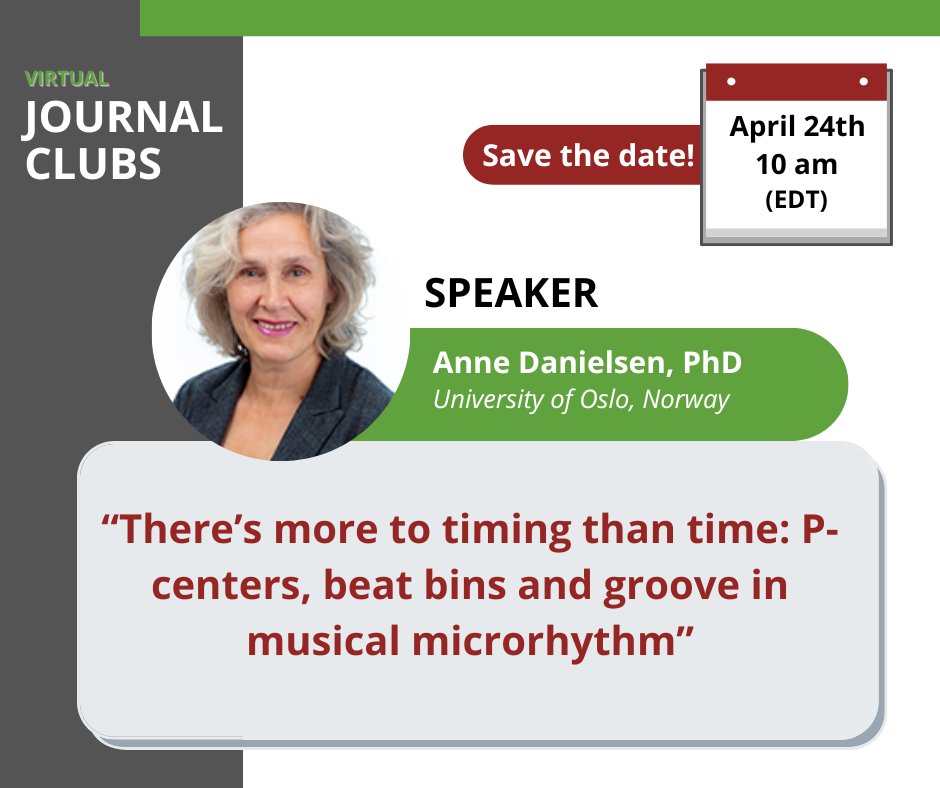
Oh hey, yes this should be fun. How we parse time in music is very different from how we measure it in other times, and beat bins are good example of that contextual sensitivity.
Have you ever considered that microrhythmic features could give rise to different perceptions of the same sound? Join our next #vJC held by PhD @annedanielsen to know more!
Registration here 👉🏻https://t.co/7C3Pd4UHj0
This kind of research, the slow detailed interdisciplinary investigations of unexpected behaviour during real music concerts wouldn't be possible without centres like @UniOslo_RITMO! #musicscience needs these collaborative spaces.
Classical music audience tend to be reserved, but how quiet and still can they be? In a new MusicLab Copenhagen @Music_Science_J paper, Simon Høffding and @_fernando_rosas and I introduce the Stilling Response: when audience members take cues from the music to be even more still.