A lot energy is wasted when humans take long hot showers. Taking colder shorter showers helps to conserve energy that is usually wasted #apesenergy@franklinlorax
Opening up windows on nice days can be extremely beneficial. You can save energy by not turning on an air conditioner and you can get fresh air around your home. #apesenergy@franklinlorax
These lights are powered by electricity which comes from a coal power plant. I always make sure to turn them off to conserve energy. #apesenergy@franklinlorax
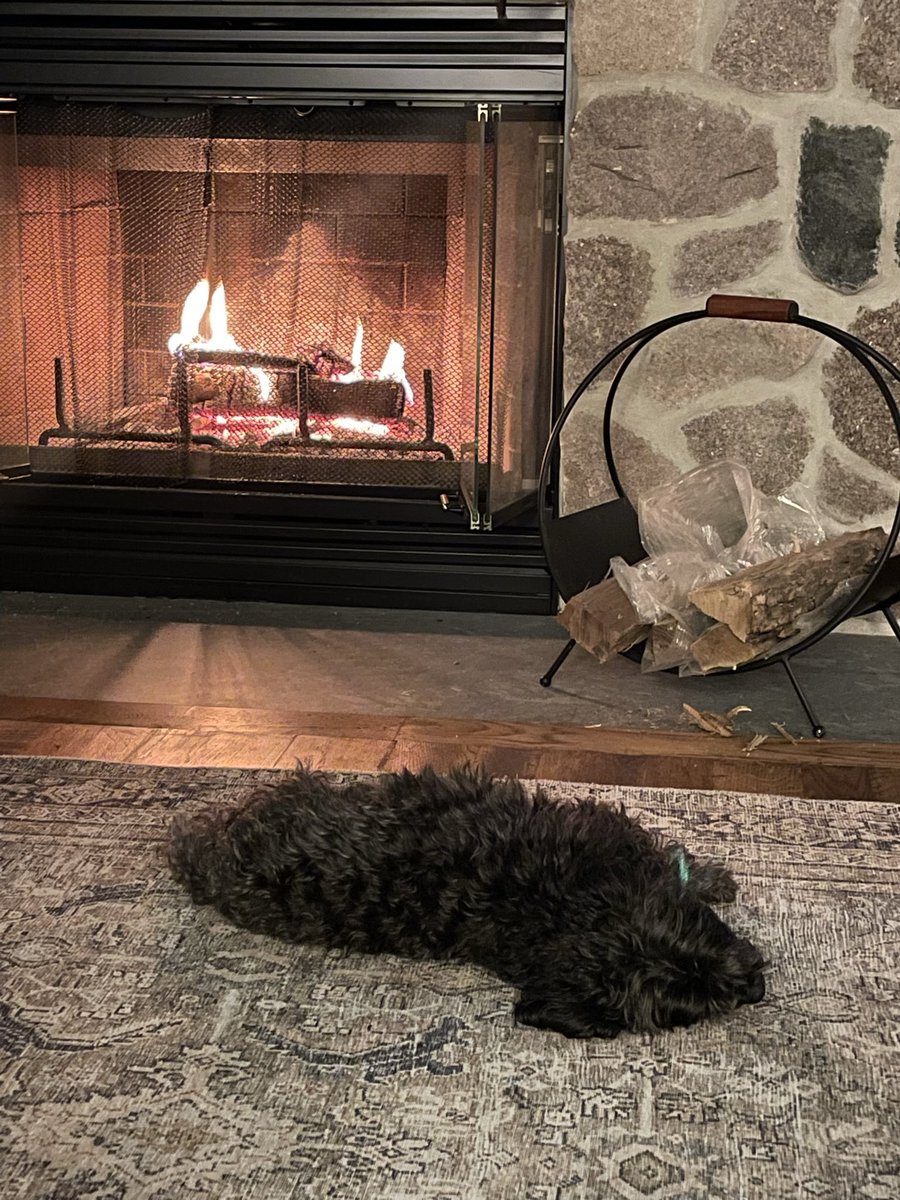
My dog is a k-strategist specie rather than an r-strategist. This is because dogs have fewer offspring, are cared for until ready to be put into the real world, and have longer life expectancies.
#apeseco@franklinlorax
Julia is a K strategist. A k strategist organism focuses on quality not quantity. They stay with their offspring until they are ready to live on their own! #apeseco@franklinlorax
This is my dog Lewy. Lewy is a k-strategist. This is because he has a longer life expectancy and only a few offspring. And he will help care for his offspring until they are able to live all by themselves. @franklinlorax#apeseco
This is Lucy, and she is a k-strategist species. This means that if she had offspring, she would care for them and have a fewer amount. These species are most commonly larger than r-strategists. #apeseco@franklinlorax
this is my dog lincoln. my dog is a k-strategists, meaning that he has fewer offspring, but more care provided. now i know he can have a longer life span! @franklinlorax#apeseco
Jared is an k-strategists and focuses on the quality of his newborn rather than the quantity. (Although he would like to be a r-strategists) #apeseco@franklinlorax
Although this is just a teddy bear, real bears are k-strategists, meaning that they only produce a small amount of offspring to take care and raise until they can be independent. This is different from r-strategists, who mass produce offspring at a time. #apeseco@franklinlorax
Lady bugs a native to United States but Asian lady beetles are an invasive species. They were introduced to U.S. in 1970s as a biological control agent. Look below for a nearly identical appearance to the lady bug and stop the spread of Asian lady beetles.#apeseco@franklinlorax