Stephen Miller’s broken promise that mass deportations would equal jobs for gringo workers is now peer-reviewed. Removing migrants actually lost jobs for the native born workforce.
https://t.co/70Ih4SVSu6
Trump's numbers on inflation aren't just the worst for him ever. They're the worst I've seen for any president. They're worse than Biden's worst & worse than Carter's pre-1980 election.
On the cost of living, just 9% of indies & 39% (!) of the GOP say we're on the right track.
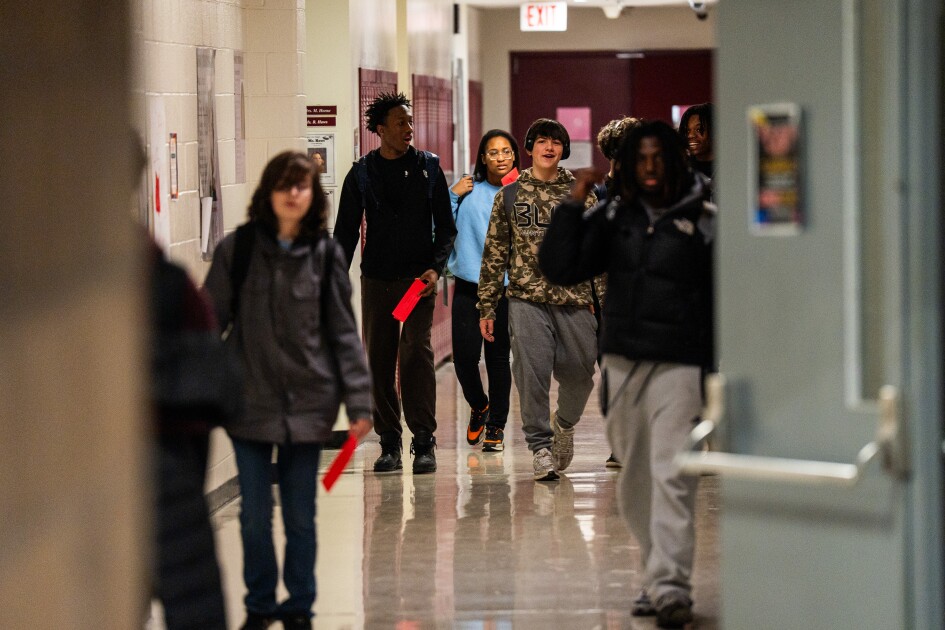
NEW: How YouTube Took Over the American Classroom. We got granular viewing data from parents on how much YouTube kids are watching at school, on school devices, during school hours. 13,000 videos in three months. 200 on a day in March, before lunchtime. https://t.co/oDXUOWYNXE
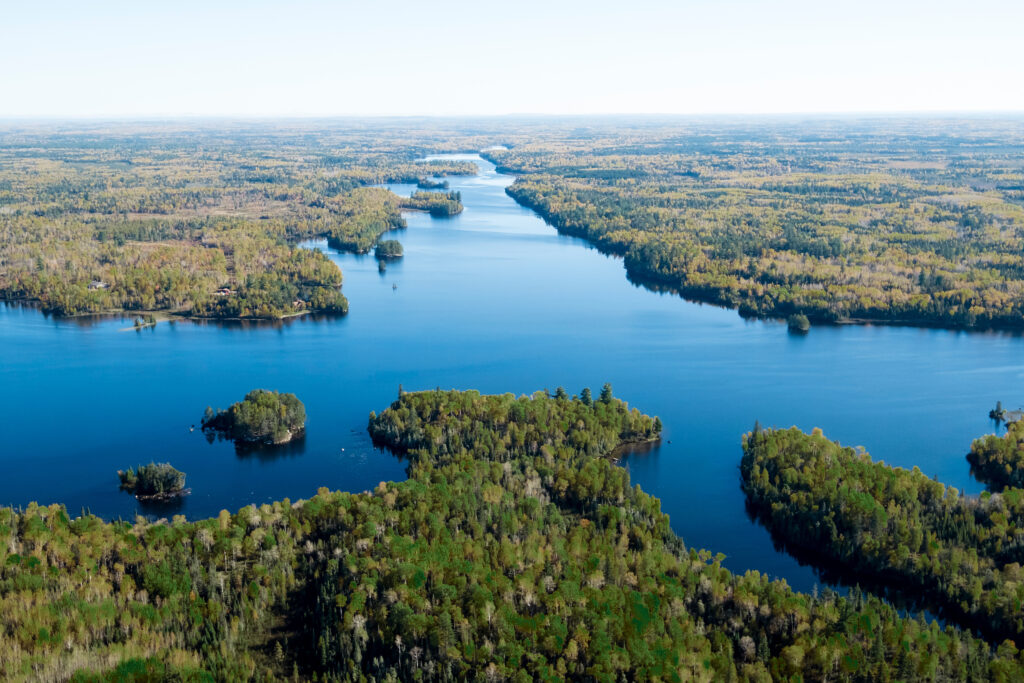
🚨Republicans just voted 50-49 to hand the Boundary Waters to a foreign mining company that will pollute its headwaters & ship every last mineral to China.
Now it goes to Trump's desk, who has financial ties to the billionaire behind the deal. They're not even pretending anymore.
•The U.S. Senate may hold a floor vote TODAY which would overturn a 20-year moratorium on sulfide-ore copper mining on 225,000 acres of Superior National Forest land in the watershed of the Boundary Waters Canoe Area (BWCA) Wilderness in northern Minnesota. The Boundary Waters is the most visited Wilderness in the United States.
🛶 Enjoying the Minnesotan/Canadian wilderness by canoe or other lesser watercraft is one of our nations greatest available pastimes, and one I have personally enjoyed my entire life. We must protect these public lands from the rapacious capitalists threatening to turn them into a poisoned wasteland.
•This vote in Congress would open the door to copper mining at the headwaters of this entire ecosystem. This kind of mining produces toxic pollution, including acid runoff and heavy metals, that can contaminate nearby waters.
•The Boundary Waters supports a major outdoor economy that sustains thousands of jobs and generates over a billion dollars a year - built on clean water and intact public lands. But this vote would clear the way for toxic mining that puts all of that at risk. It would also set a dangerous precedent, making it easier to roll back protections for public lands across the country, including wilderness areas, national monuments, and national parks.
•This is a defining moment. If you care about clean water, public lands, and protecting places we can’t replace, now is the time to speak up.
•Protect the Boundary Waters, and vote NO on House Joint Resolution 140. Let’s save this treasured place for all of us—forever. https://t.co/JhNAR6Za2O
The U.S. spent $30 billion to ditch textbooks for laptops and tablets in classrooms.
The result: Gen Z is the first generation to score lower on standardized tests than their parents.
https://t.co/hFuTvhbg3n
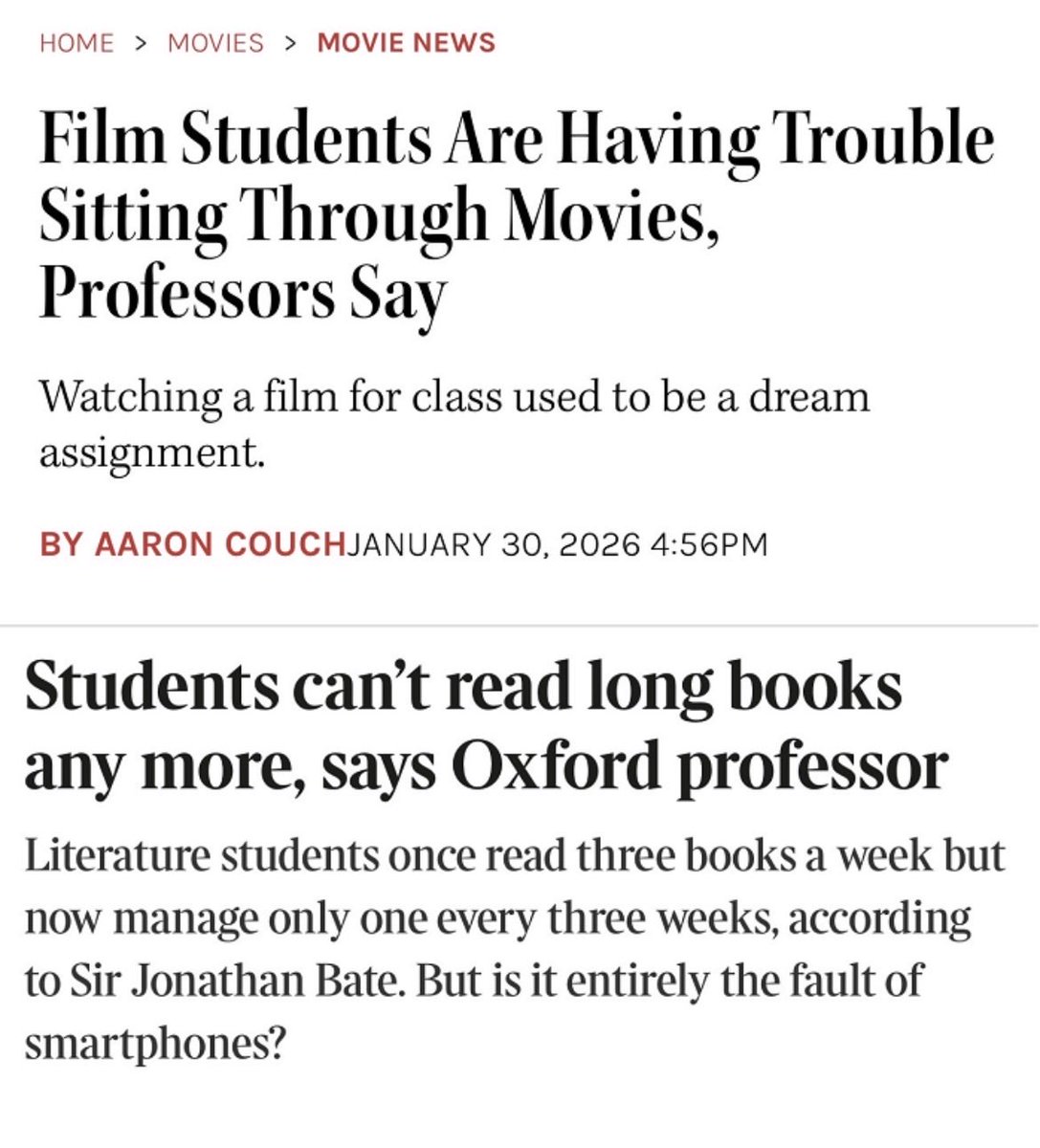
Smartphone addiction & distraction-viewing is replacing book reading, film watching & the ability to concentrate.
People in the arts need to become activists against big tech - or there will be no arts left to defend.
Students need to read books. Entire books.
Our society is distracted, unfocused, and in a hurry.
A curriculum that rushes through content perpetuates the anxiety of our time.
Reading a book (slowly and leisurely) is a countercultural act.
If you haven’t taught in a classroom post-Covid, you don’t know what it is like to teach the modern student.
The students have changed.
Teaching has changed.
You have to be in the classroom daily to understand what I mean.
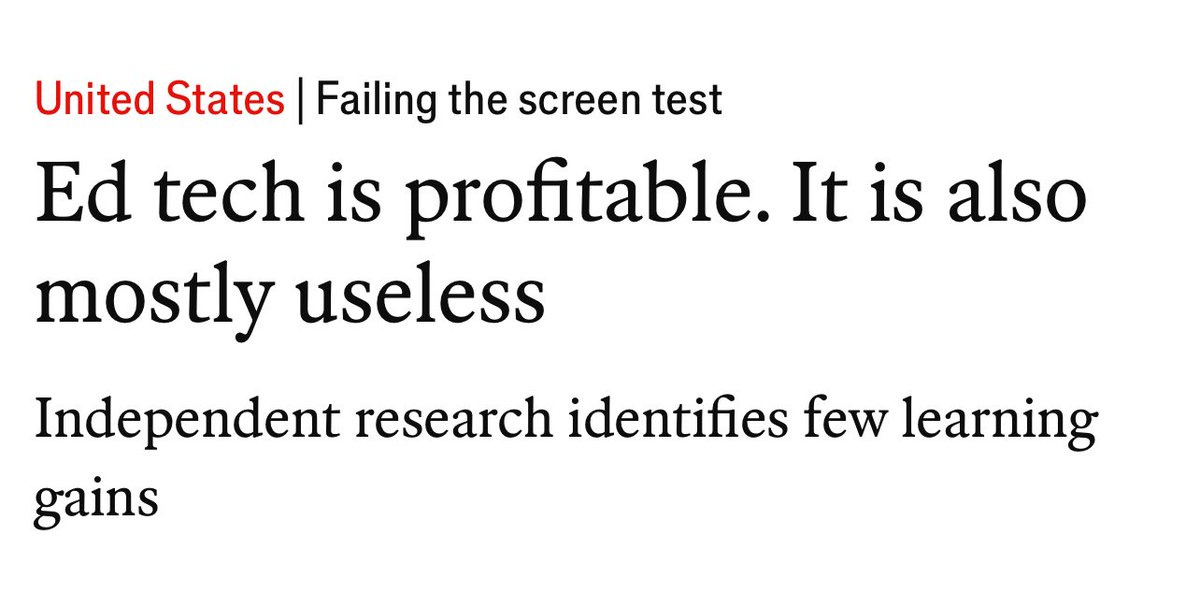
‘Although ed-tech companies tout huge learning gains, independent research has made clear that technology rarely boosts learning in schools—and often impairs it.
A 2024 meta-analysis of 119 studies of early-literacy tech interventions, led by Rebecca Silverman of Stanford University, found the studies described programmes that delivered at best only marginal gains on standardised tests. The majority had little effect, no effect or harmful ones. Jared Horvath, a neuroscientist and author of a book called “The Digital Delusion”, has reviewed meta-analyses covering tens of thousands of studies. His verdict: “In nearly every context, ed tech doesn’t come close to the minimum threshold for meaningful learning impact.”’
A powerful thread on edtech and educational outcomes:
"once countries adopt digital technology widely in schools, performance goes down significantly."
from Jared Cooney Horvath.
Watch the videos