Local AI hardware = capacity X bandwidth X software stack
- Capacity tells you what fits
- Bandwidth tells you how hard the box can breathe
- The software stack tells you how much of the spec sheet you can actually cash out.
Hardware by Memory Bandwidth
- Mac Studio M3 Ultra: up to 512GB @ 819 GB/s
- RTX PRO 6000 Blackwell: 96GB @ 1792 GB/s
- RTX 5090: 32GB @ 1792 GB/s
- RTX 4090: 24GB @ 1008 GB/s
- RX 7900 XTX: 24GB @ 960 GB/s
- Radeon PRO W7900: 48GB @ 864 GB/s
- AMD Radeon AI PRO R9700: 32GB @ 640 GB/s
- Intel Arc Pro B65: 32GB @ ~608 GB/s
- Tenstorrent Wormhole n300: 24GB @ 576 GB/s
- Tenstorrent Blackhole p150: 32GB @ 512 GB/s + 800G
- MacBook Pro M5 Max: 460-614 GB/s
- MacBook Pro M5 Pro: 307 GB/s
- DGX Spark: 128GB @ 273 GB/s (coherent + CUDA)
- Mac mini M4 Pro: 273 GB/s
- Ryzen AI Max / Strix Halo: ~256 GB/s (~96GB usable GPU)
- MacBook Air M5: 153 GB/s
- Snapdragon X2 Elite: 152-228 GB/s
- Intel Lunar Lake: 136 GB/s
- Snapdragon X Elite: 135 GB/s
- Mac mini M4: 120 GB/s
- Arc Pro B60: 24GB @ ~456 GB/s
Verdict
- GPUs are still the bandwidth kings
- Apple wins: stupid amounts of memory, don't want to shard across GPUs
- Apple loses: when raw tokens/sec & concurrency matter more
- DGX Spark: coherent memory + NVIDIA stack
- Strix Halo / Ryzen AI Max: first real x86 unified-memory contender
- Tenstorrent: fully OSS stack, excited to see this mature
Fitting != serving
Even if it fits, you still pay for
- bandwidth during decode
- KV cache growth
- dequantization
- batching + concurrency
- scheduler quality
- framework overhead
The only mental model that matters:
1. What must fit?
2. What bandwidth tier do I need?
3. What software stack can actually deliver it?
In short:
- NVIDIA -> fastest raw speed
- Apple Studio M3 Ultra -> biggest one-box memory
- Strix Halo -> first real x86 unified
- DGX Spark -> coherent NVIDIA dev appliance
- AMD / Intel Arc -> rising alternatives
- Tenstorrent -> fully opensource stack
Do ask: "which bottleneck am I buying?"
Not: "which hardware is best?"
🚨EXCLUSIVA: STANFORD ACABA DE FILTRAR GRATIS LA CLASE QUE EXPLICA COMO FUNCIONAN CLAUDE Y CHATGPT POR DENTRO
la mayoria desperdicia el 90% de su potencial
stanford te lo enseña en 1h30 minutos
Guarda esto en favoritos para que no lo pierdas
Robots are 3D printing full-size ship hulls! ⚓️
Throwback to when this company 3D printed a boat!
CEAD Group is bringing large-scale robotic 3D printing to the maritime and defense world.
Instead of traditional molds and heavy manual assembly, robotic arms print full-size marine hulls directly from digital models.
The company recently demonstrated this by printing a 12-meter long vessel.
Awesome stuff! 😮💨
~~
♻️ Join the weekly robotics newsletter, and never miss any news → https://t.co/GoA3ZuwoPB
🚀 PlayCanvas Engine 2.20 is out!
Gaussian Splatting leveled up! Relighting, soft shadows, depth of field, clipping & billions of splats, even in VR under WebGPU.
Plus procedural skies + physics joints & ragdolls.
Free and open source. ✨
npm install playcanvas
[1 / 2]
Large-scale Gaussian splats have reached a new level of realism.
This is a well-known temple in Bangkok, reconstructed as a high-fidelity 3D environment from 360 captures.
At this level, the boundary between video and 3D starts to disappear.
But what you’re looking at is not a video.
It’s a dense spatial representation of a real place, where geometry, texture, and structure are preserved and made machine-readable.
This kind of 3D data can power Visual AI, Robotics navigation, VPS localization, XR experiences, world models, and next-generation spatial computing systems.
Built with Over the Reality.
One line of code.
That’s all it takes to get access to Google Open Buildings, the largest building dataset, for any country.
100% free and available globally.
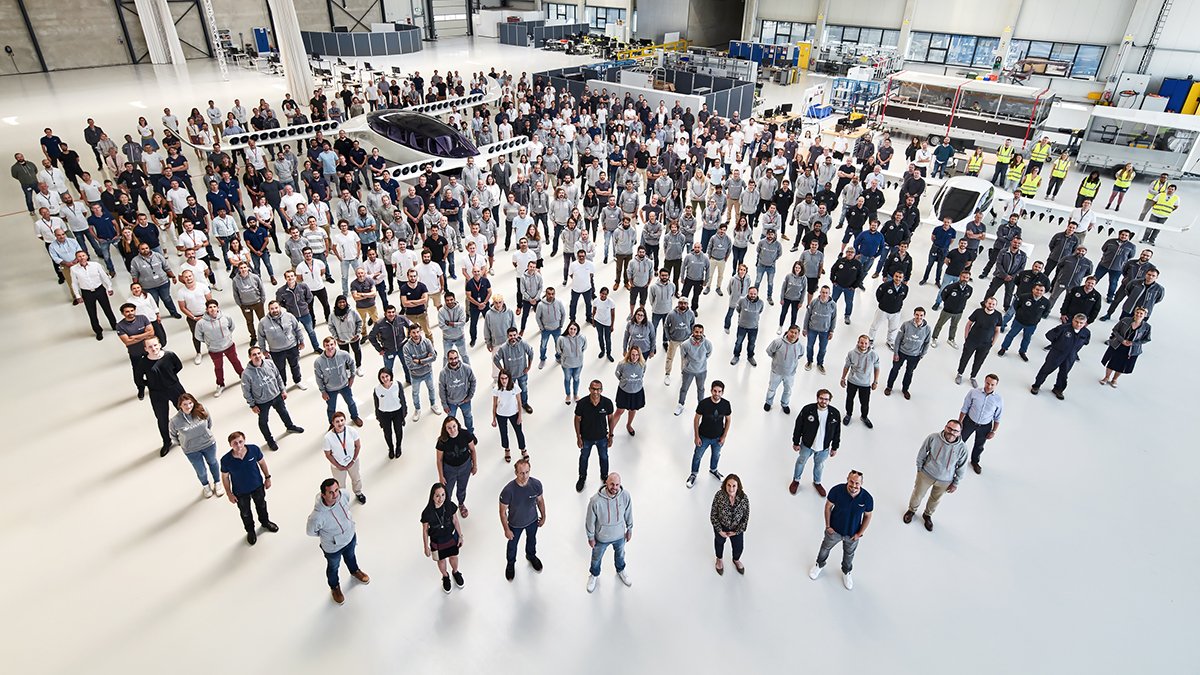
From Munich to New York, it's been an amazing first day as a publicly listed company on @Nasdaq! Thanks to our incredible team that’s building radically better ways of moving. $LILM #LiliumTakesFlight 🎉