STRONG integrity working again on Android 17 (LineageOS 24, OnePlus 11).
TEESimulator-RS was reporting Android 16 version fields in attestation. My patch adds the KeyMint v5 / SDK 37 fixes.
https://t.co/RGwZensdnF
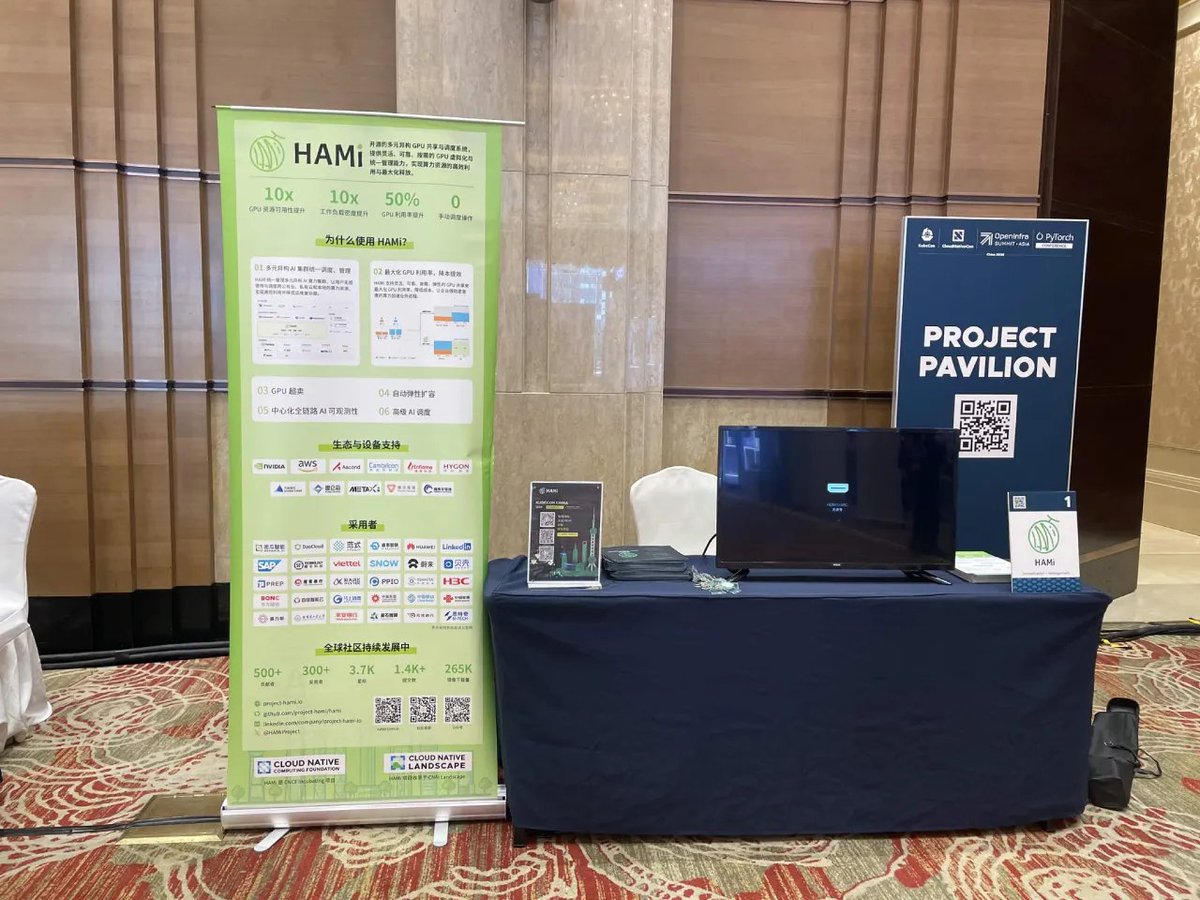
@EvanKirstel@dynamia_ai@TechImpactTV Hey Evan happy to chat about this. Are you going to be in SLC? I could join, or Mengxuan joins or we both join. Ill also be manning the HAMi booth the entire time.
JuiceFS is everywhere in AI infra once you look: BentoML cut LLM load time from 20+ min to minutes, Zhihu runs 3.5 PB of training data on it, Xiaomi 5B+ files. Agent workspaces look like a natural next fit
@NaveenS16 Nice guide, thanks for the HAMi mention. On the DCGM + time-slicing gap: HAMi exports per-pod GPU memory and SM metrics, so you keep attribution while sharing.
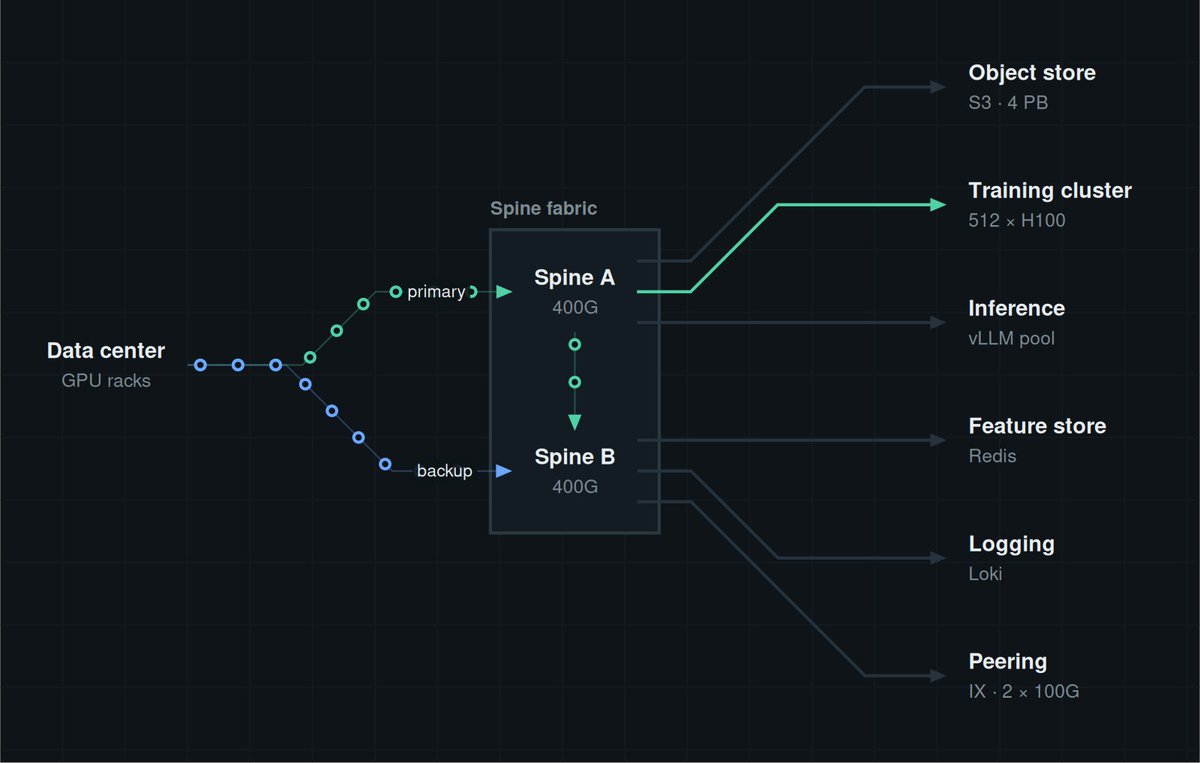
Flowcharts from plain text, styled with CSS themes. Animated traffic, branches that fan out cleanly, dark or light. This is predictygraph.
https://t.co/5P1BlAhGY9
Add one box to a Mermaid or Graphviz diagram and the whole picture reshuffles. predictygraph doesn't: each group picks its own layout, so a change stays where you made it. Text in, SVG out.
Flowcharts from plain text, styled with CSS themes. Animated traffic, branches that fan out cleanly, dark or light. This is predictygraph.
https://t.co/5P1BlAhGY9
Later today at OSS Europe: every tool is hostile, so AI agent limits belong in the tool, not the agent.
Deny-by-default scopes, human approval, microVM sandboxes, where HAMi fits, and do we need GPU passthrough?
https://t.co/2zdkExkO9R
#OSSummit
Sandlock: Landlock for fs/net/IPC, seccomp for syscalls, plus a supervisor for HTTP ACLs and copy-on-write workdirs. Rootless.
Cheap enough to wrap every pip install an agent runs. Pair it with an agent-level sandbox, not instead of one.
https://t.co/2l2ctUM4Pn
Two ways to sandbox an AI agent without a VM:
NVIDIA OpenShell sandboxes the agent: gateway, images, policy prover, credentials injected only for approved hosts.
Sandlock (#OSSummit yesterday) sandboxes every command: no image, no runtime, ~5 ms per launch.
If GPU memory goes tiered (fast HBM, slow HBF), OXMIQ models 14x capacity at 0.6x bandwidth. HAMi already does topology-aware placement and isolation - tiered memory extends that. vLLM picks what stays hot; the scheduler makes sure it lands there. But the question is will NVIDIA?
🤔 #HBF can pack far more data—but at a cost. OXMIQ’s simulation shows ~14x the capacity of #HBM, but just ~60% of the bandwidth, potentially eroding its cost advantage as inference scales. 💡More: https://t.co/LUSh8uOjDQ 🔗