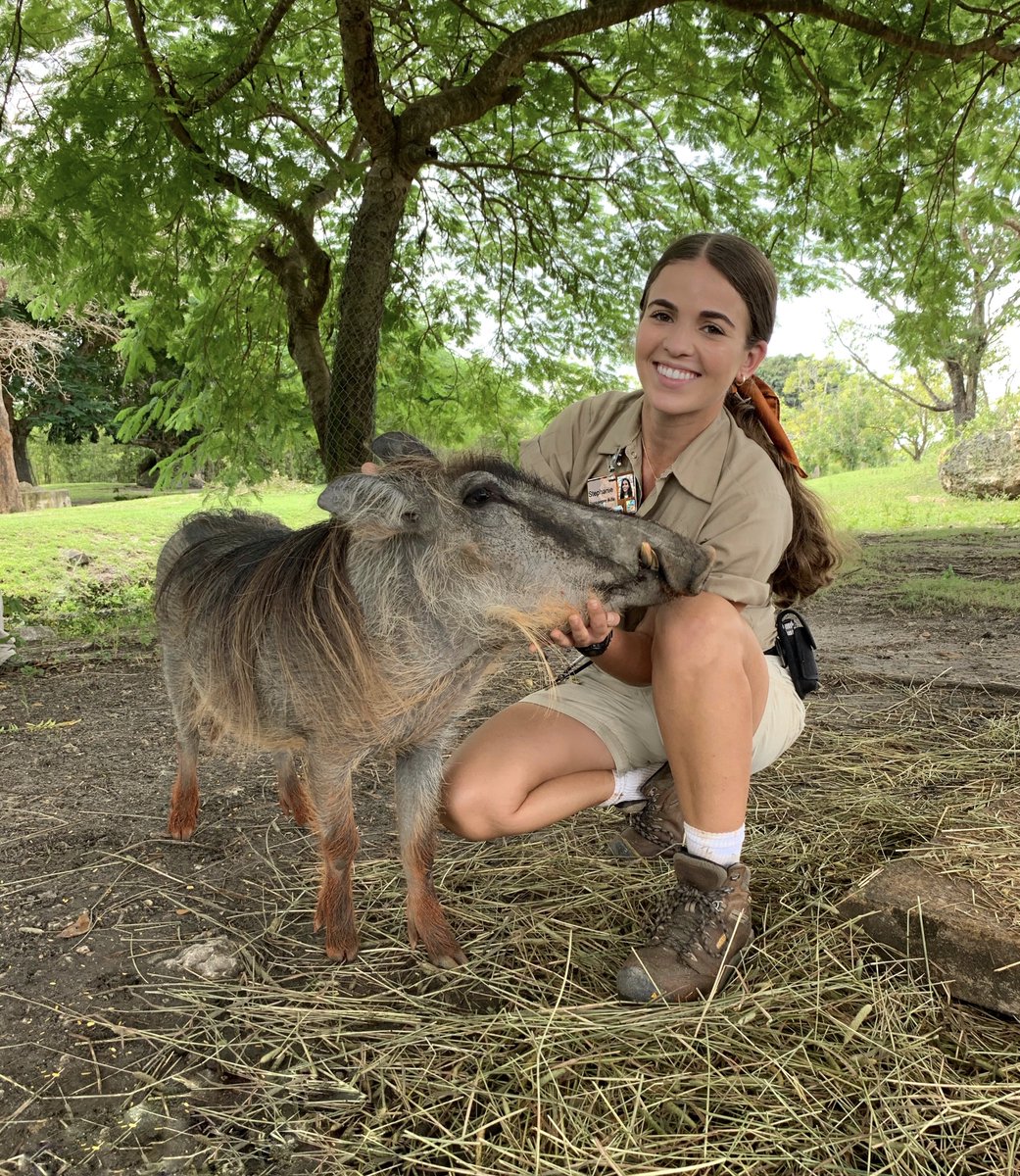
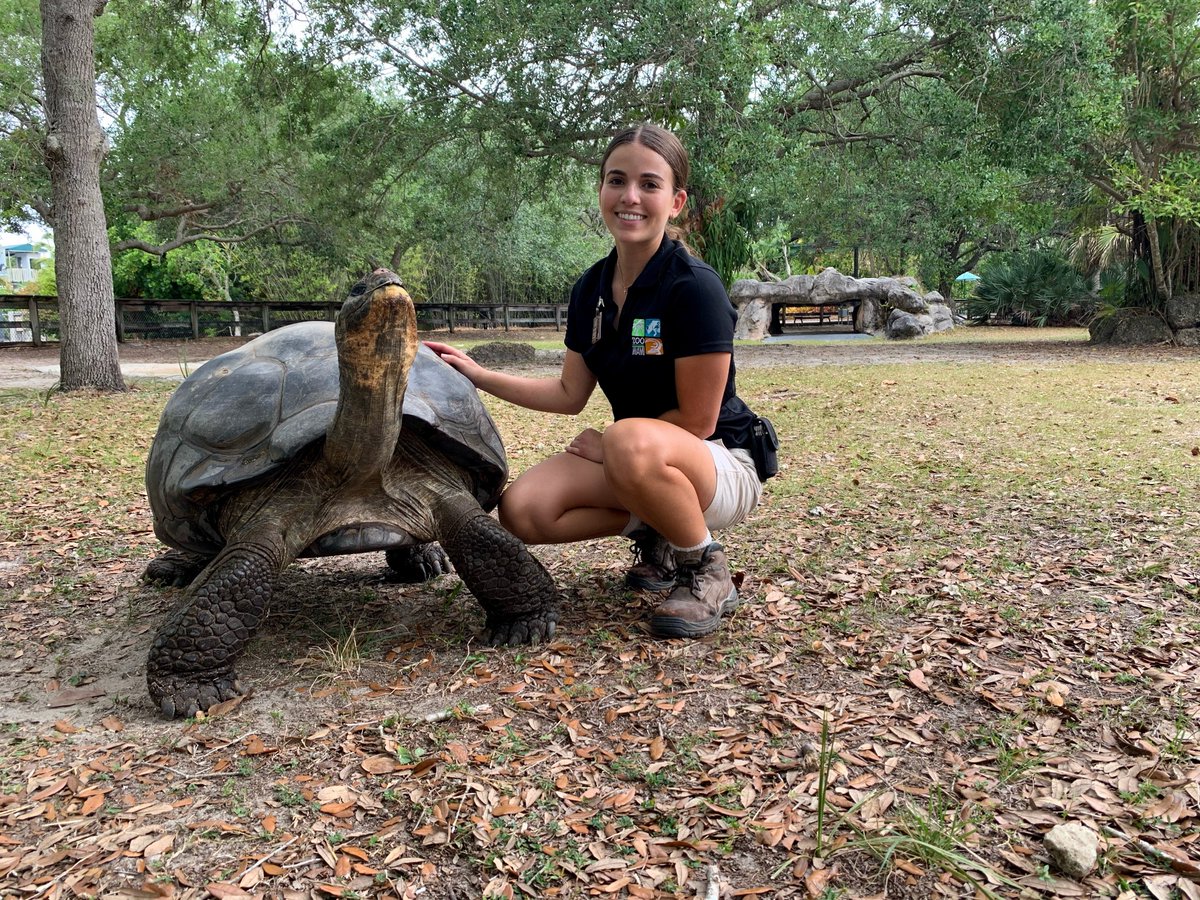
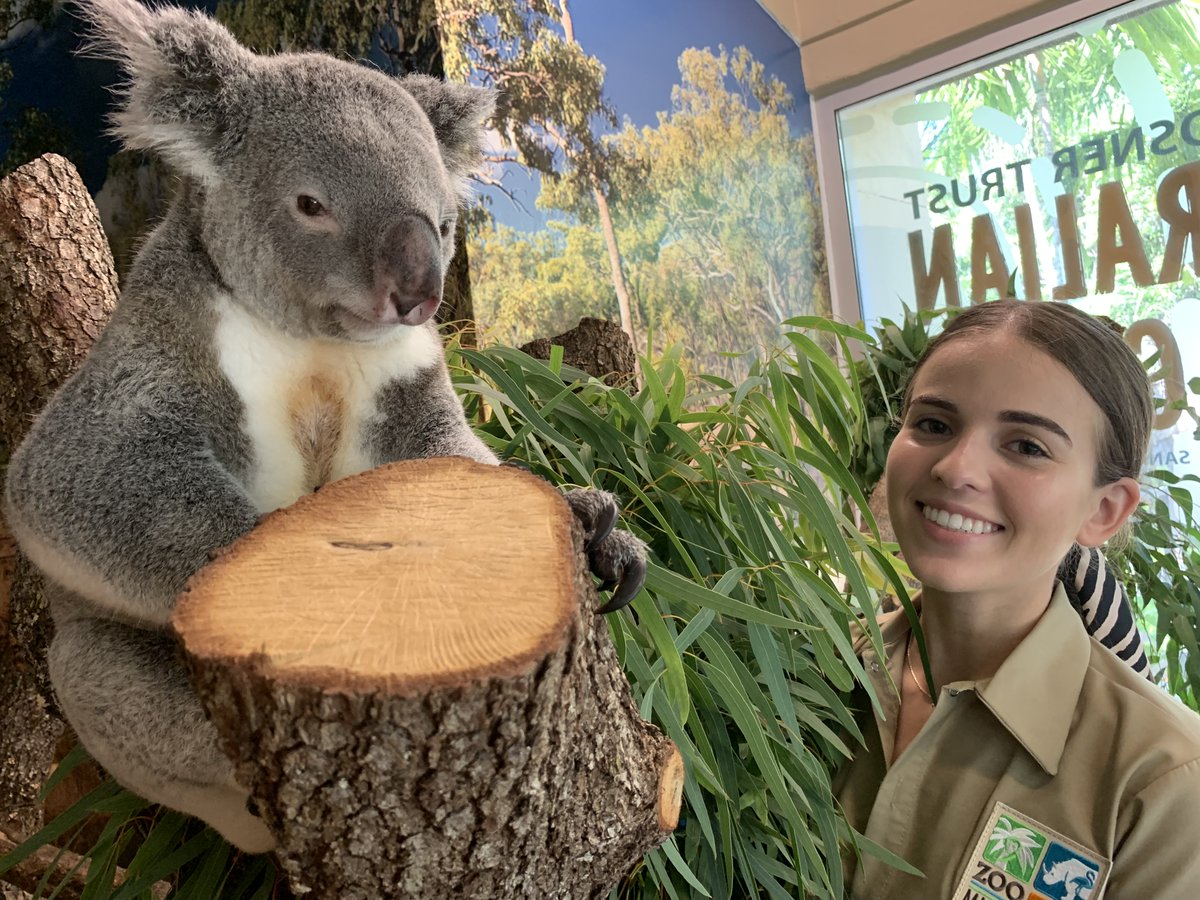
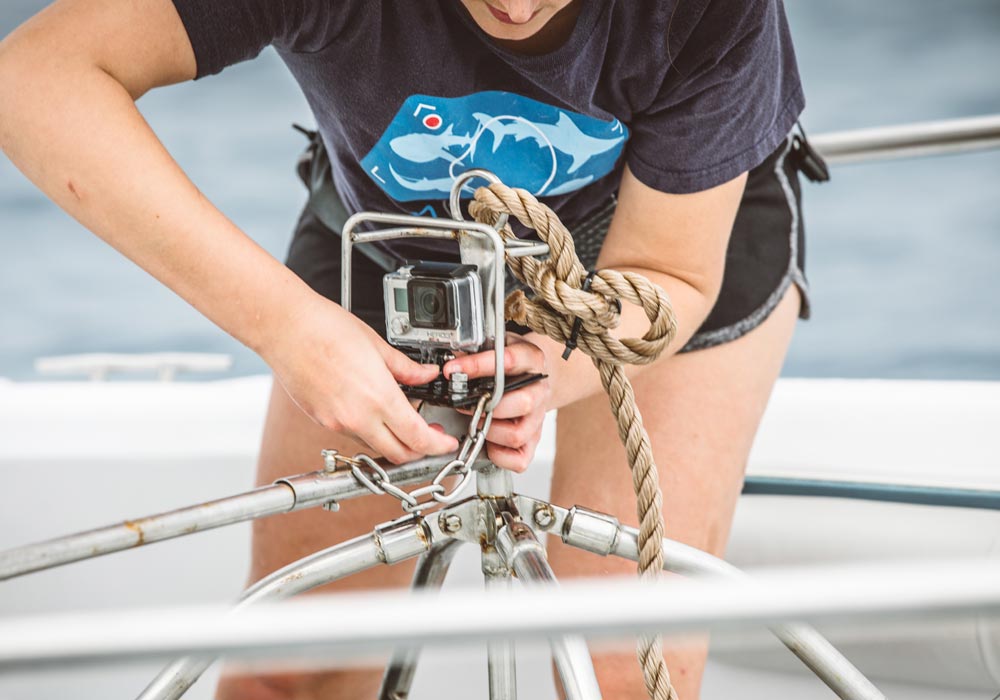
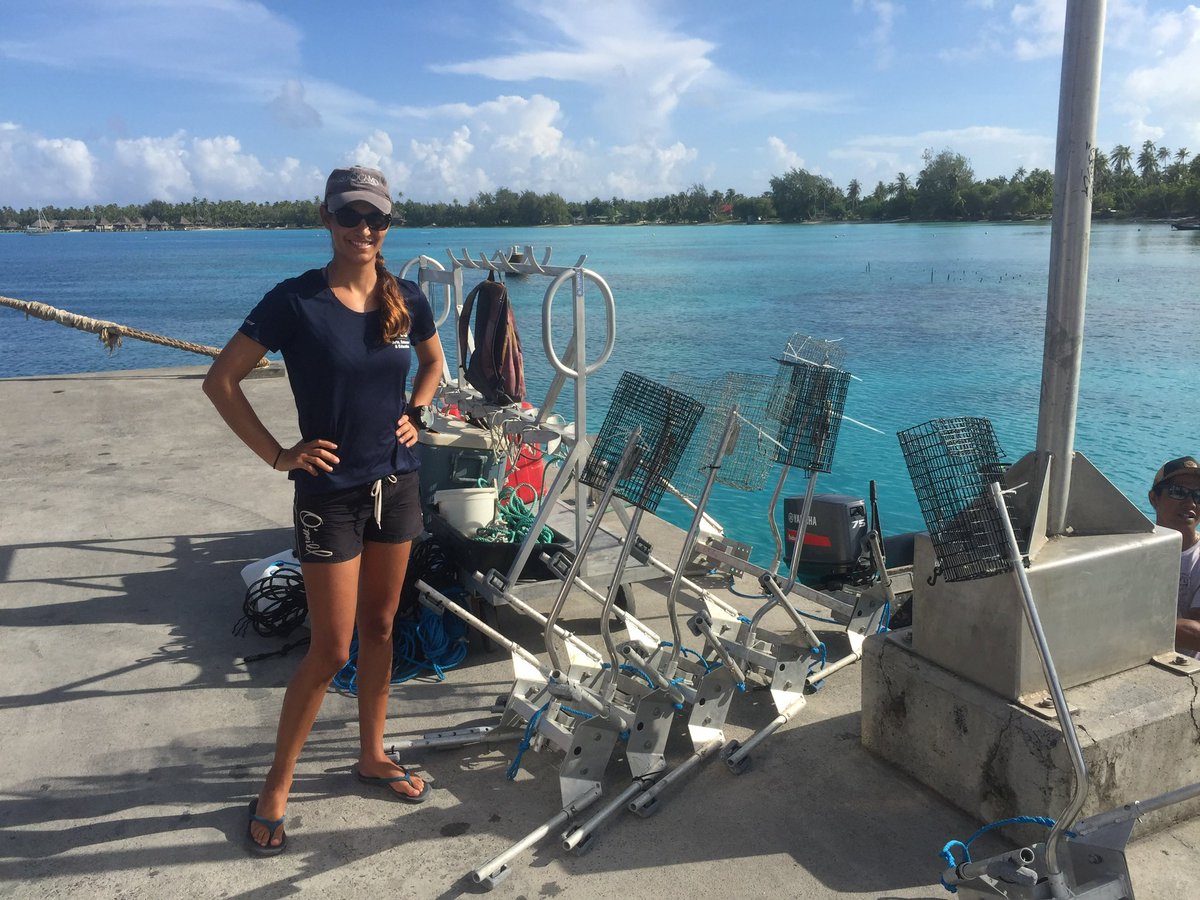
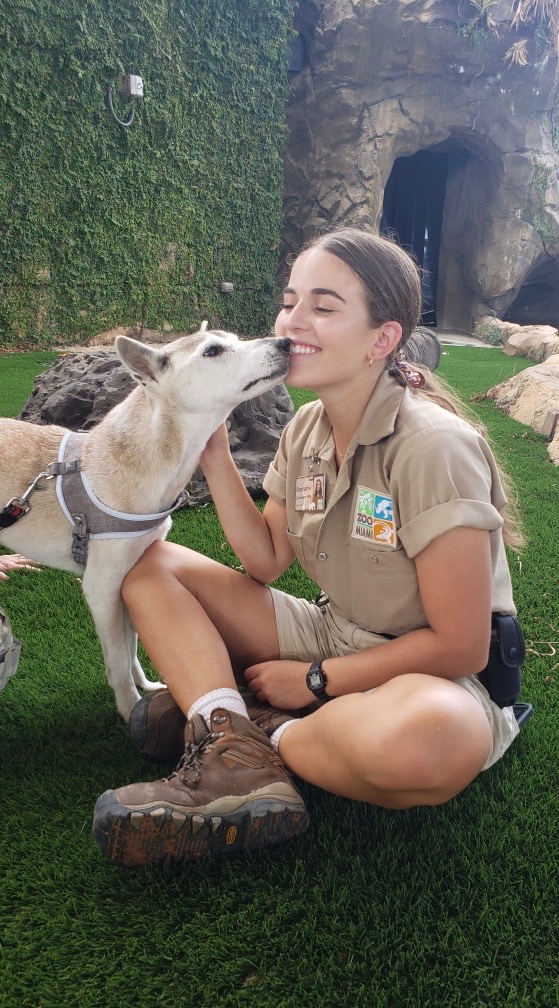
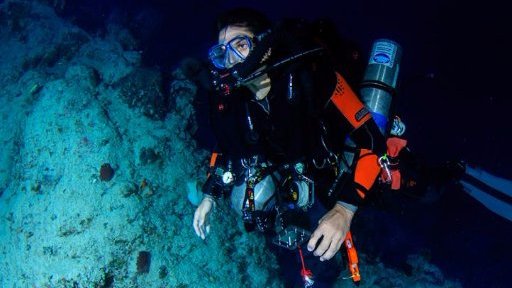
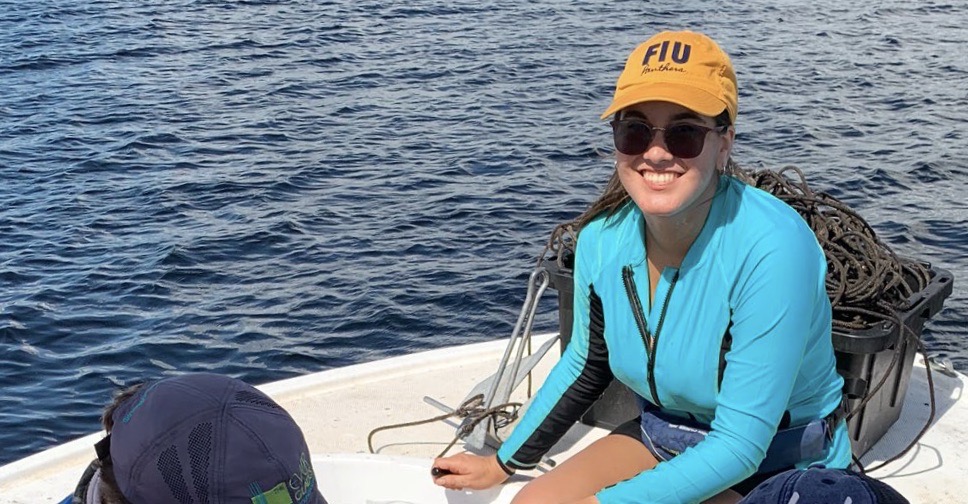
It's #NationalZooKeeperWeek! This @FIUAlumni landed her first job as a ZooKeeper at @ZooMiami 🐨
While caring for animals was a huge part of her role, Stephanie Acosta quickly realized the importance of educating the public on @ZooMiamiConserv 🐢
https://t.co/QWqBpOV2RS
BY THE NUMBERS:
🌎 58 places surveyed around the world
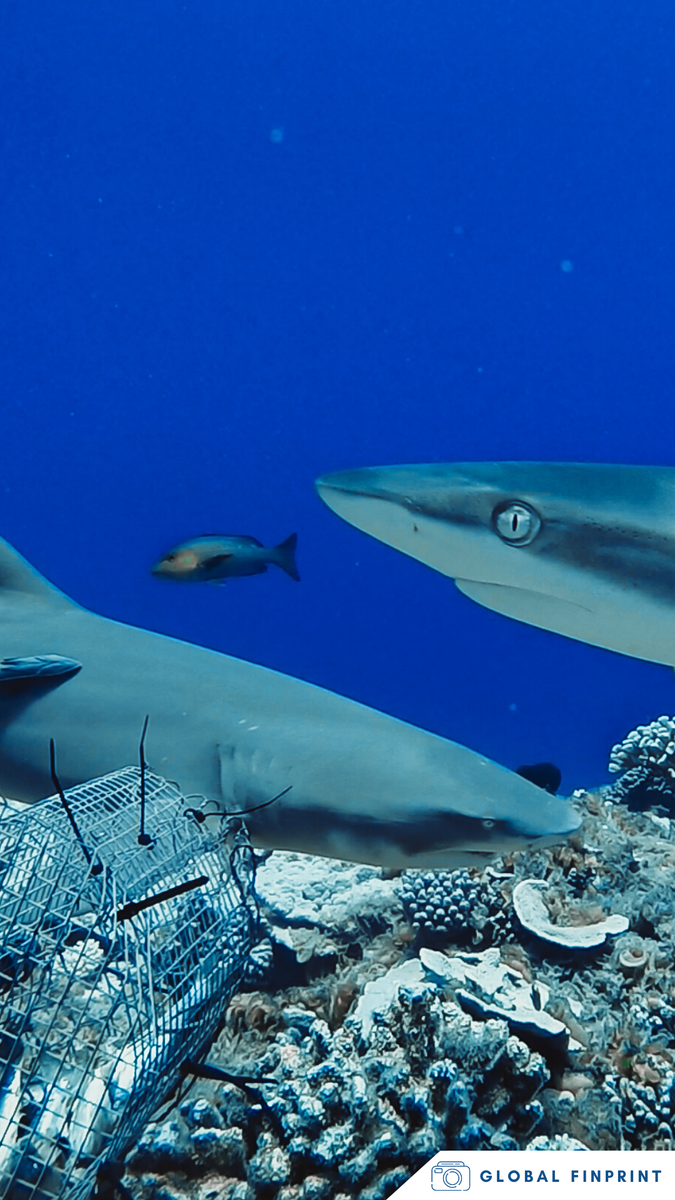
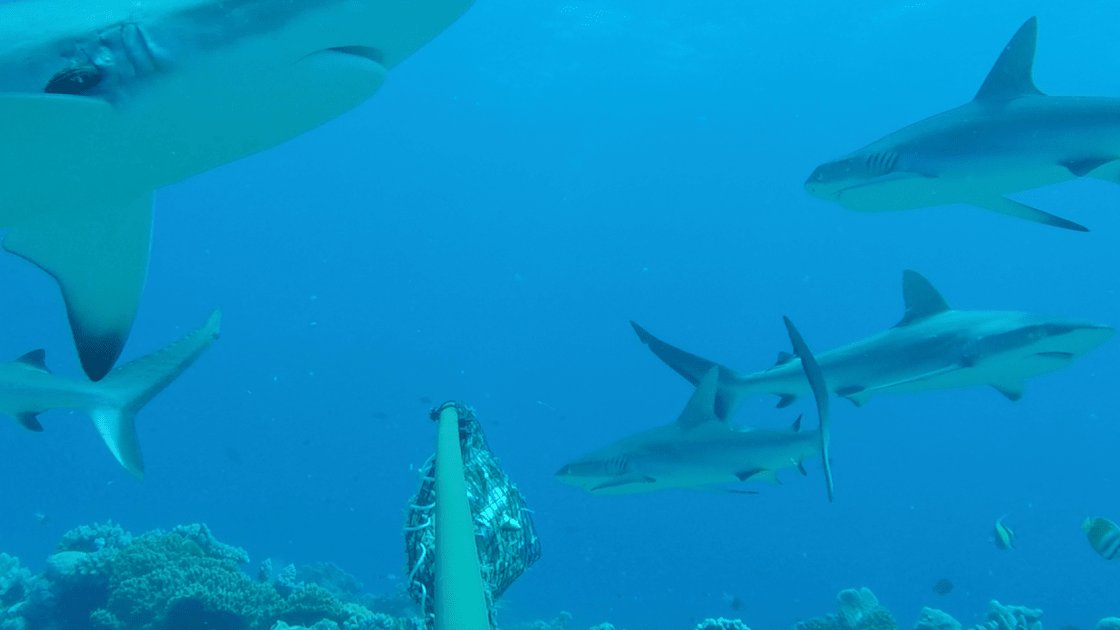
📹 15,165 hours of underwater video
👥 730 volunteers, 121 scientists
🚫 20% of sites visited had no sharks
🦈 9 reservoirs of hope
How scientists are using these numbers to save #sharks: https://t.co/1Ue9X0jYBS @VulcanInc
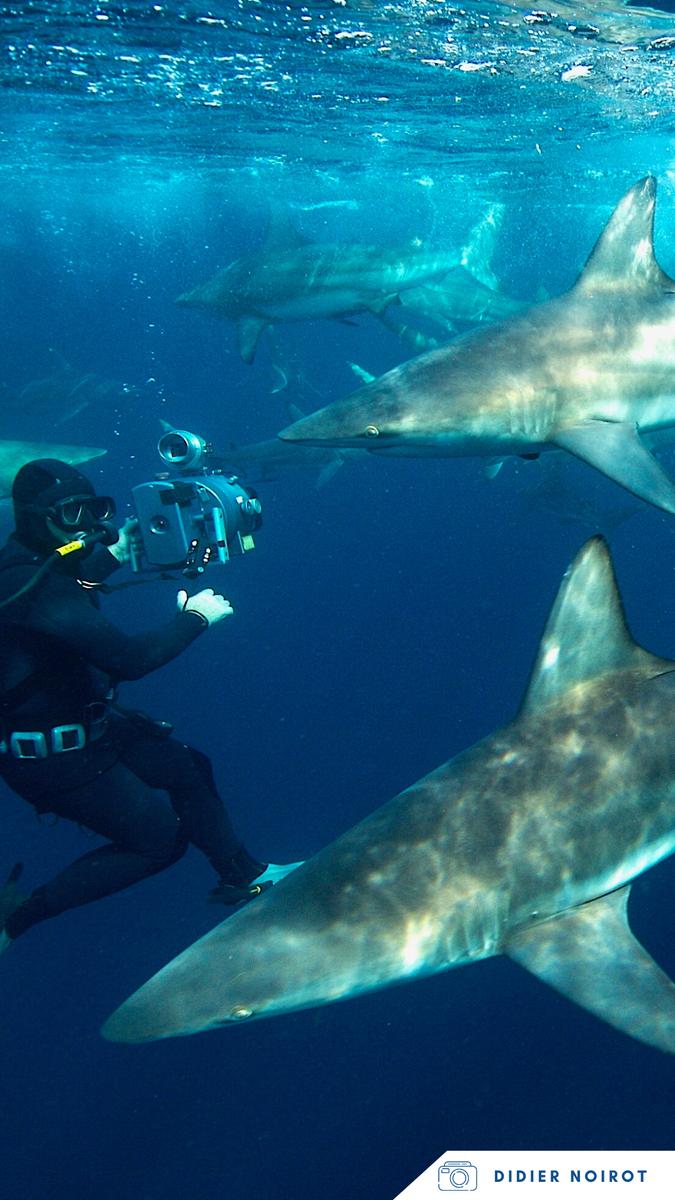
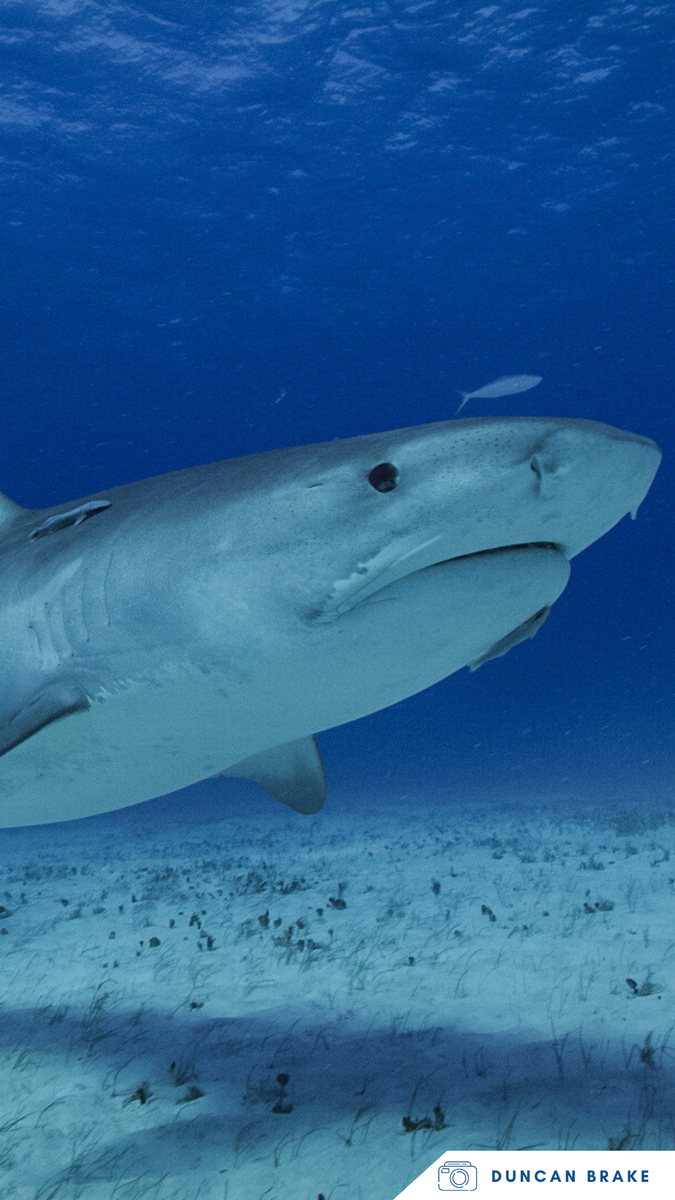
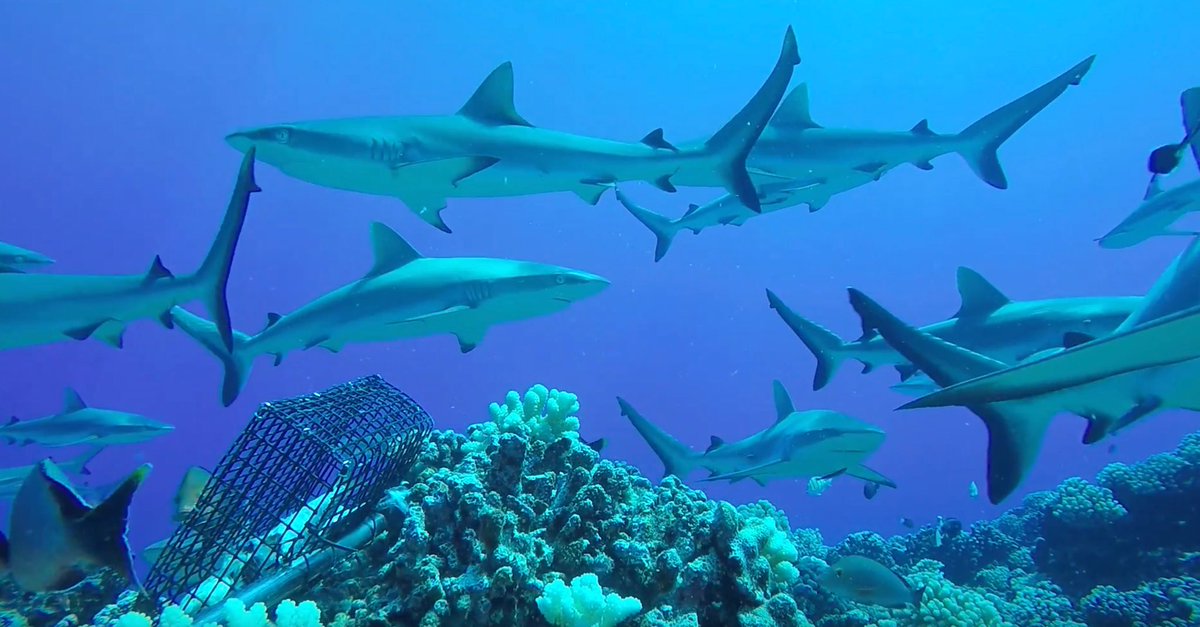
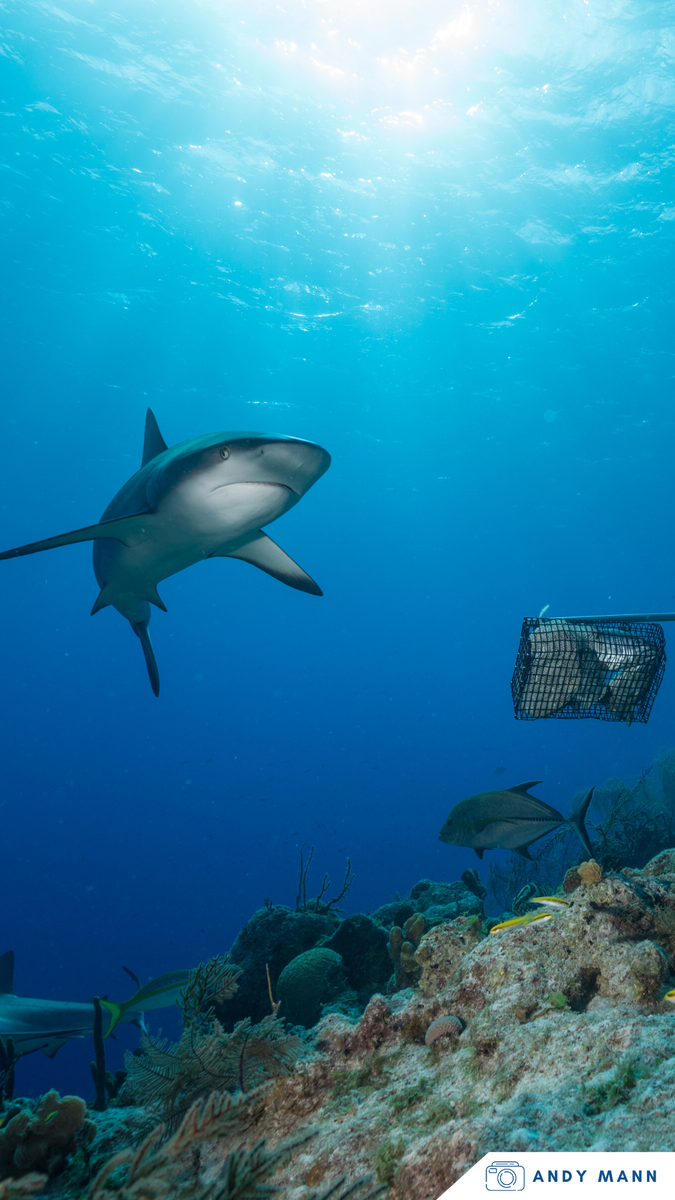
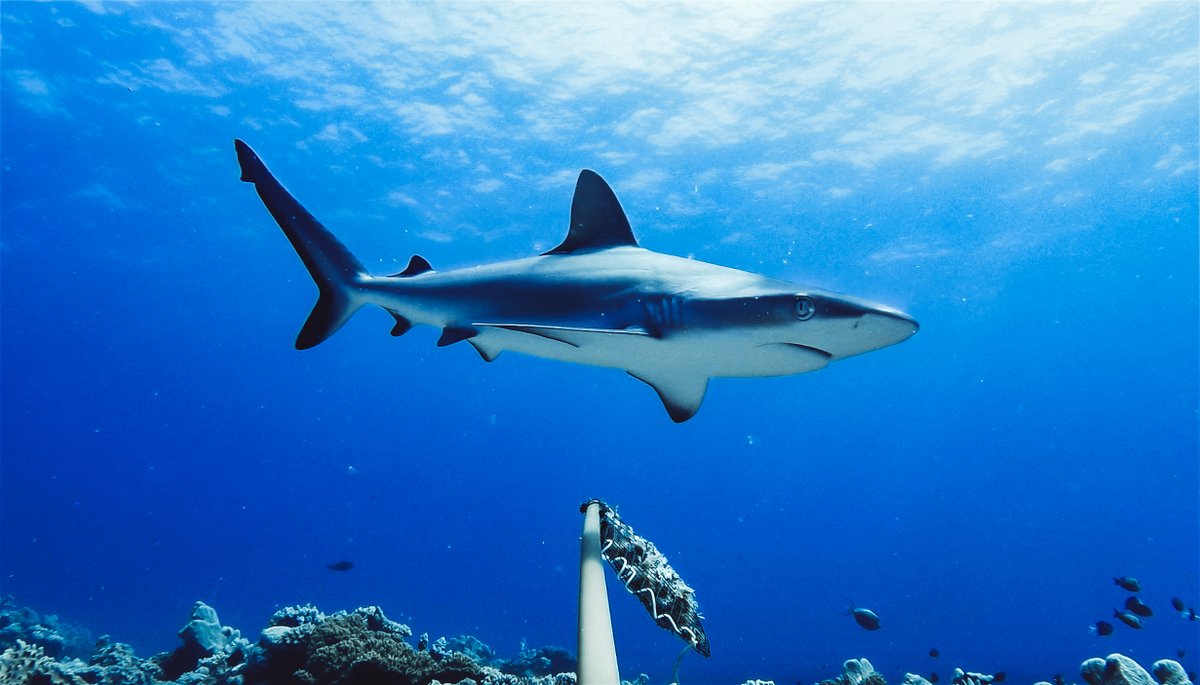
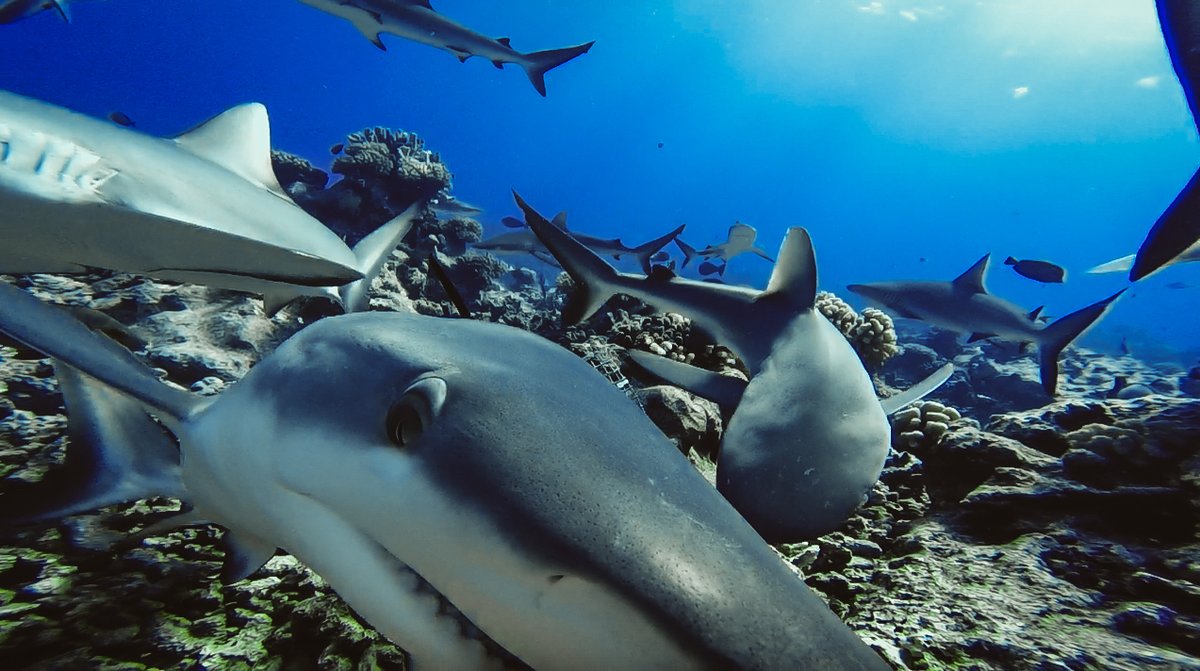
Fishing has had a substantial impact on reef shark populations, according to a survey of coral reef sharks published in Nature. Data from more than 15,000 underwater video stations reveal that sharks were absent from nearly one fifth of reefs surveyed. https://t.co/FAJwBEgDnT
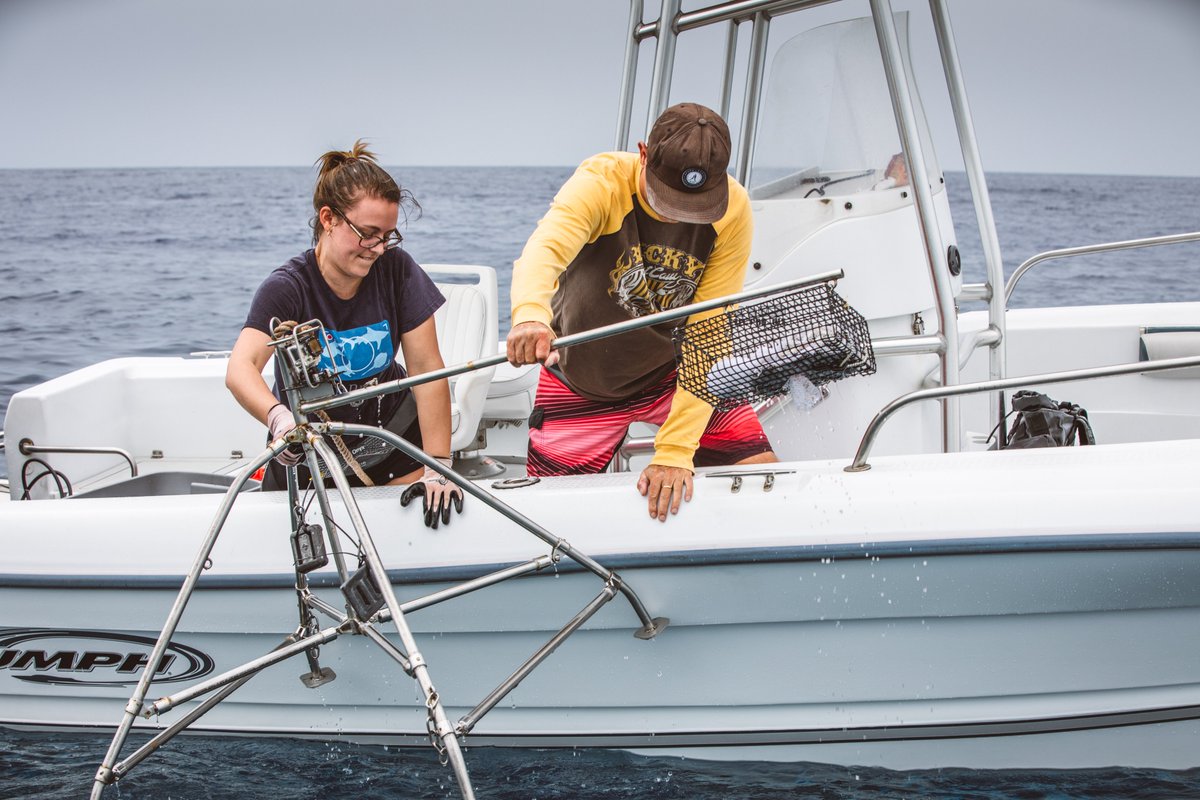
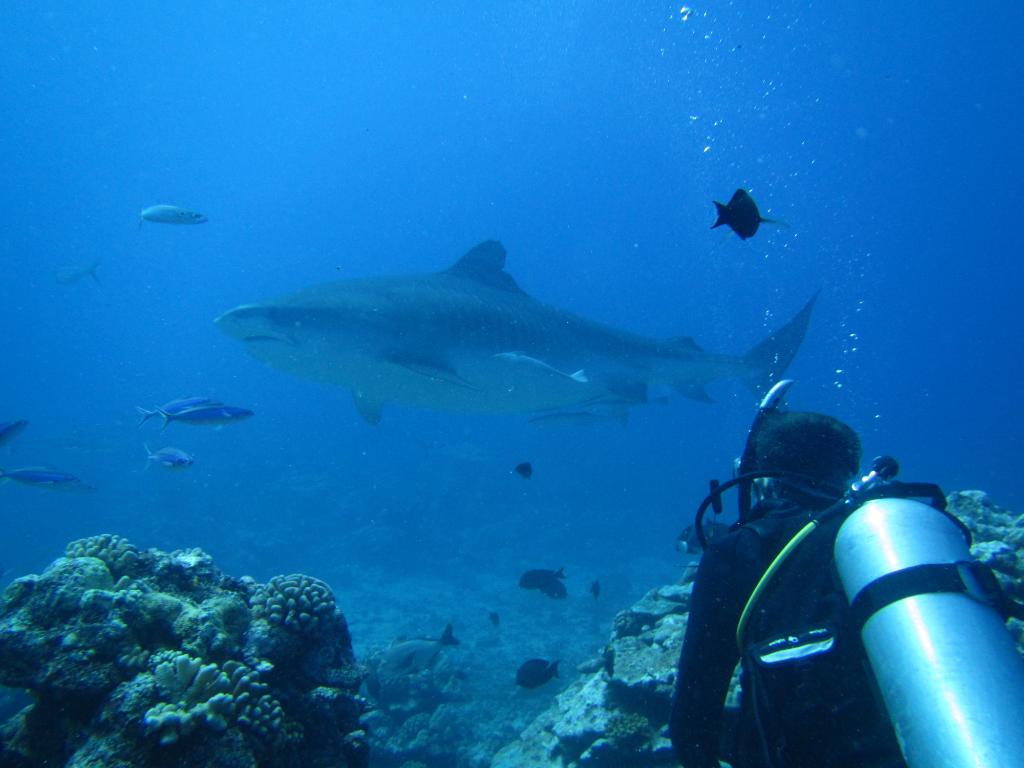
French Polynesia is a great place to be a reef shark! @nffarabaugh and @ericclua led the @globalfinprint effort with @criobe_pf @jjkiszka @sharkpond8 Global results oand rebuilding options for reef sharks where they are in trouble is out! https://t.co/7Die7rEsL1 @VulcanInc
The @globalfinprint team identified #conservation measures that could lead to the recovery of these iconic predators. 🦈
The study also revealed several countries where #shark conservation is working "have demonstrated good governance on the issue" @ma_macneil@VulcanInc
In @globalfinprint's latest findings, #sharks were not observed in nearly 20% of the reefs surveyed, indicating a widespread decline that has gone undocumented — until now.
Led by @FIU with support from @VulcanInc, the data will serve as a benchmark for #conservation efforts 🦈
The @globalfinprint study suggests overfishing has made the ocean's top predator “functionally extinct” in the waters of eight countries.
But reefs elsewhere had abundant sharks, suggesting conservation measures can work. @ScienceMagazine@erikstokstad
https://t.co/JSjONd4zvR
We’re showing you where we surveyed reefs, how many species we’ve seen + what conservation measures are in place around the world to protect sharks and rays via @globalfinprint’s interactive map 🗺️
https://t.co/x70BXgw1IH
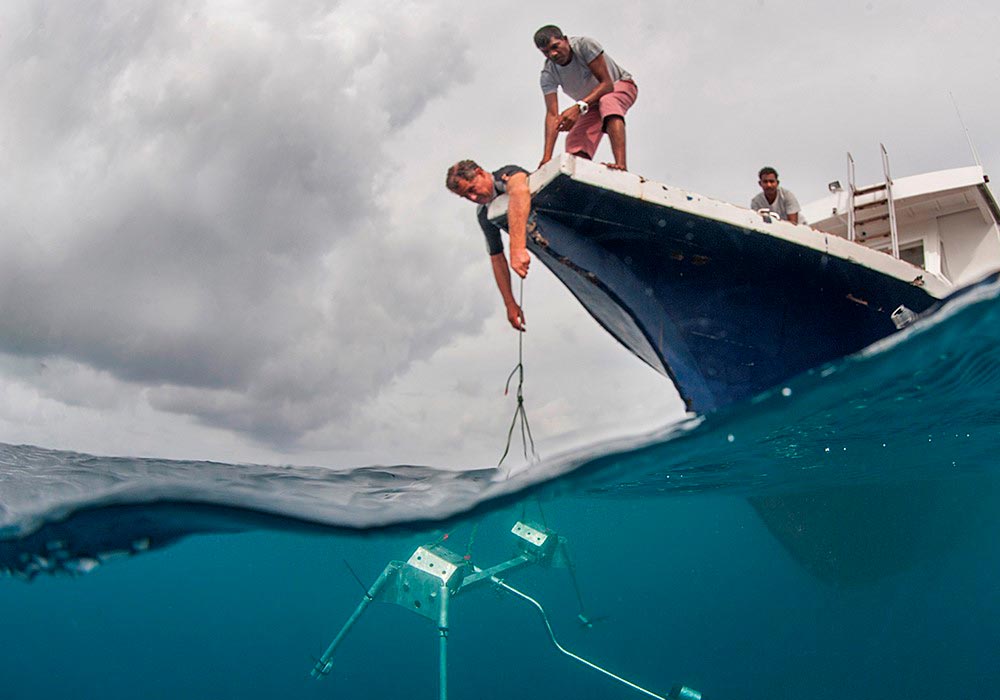
Over the course of 5 years, the @globalfinprint team captured and analyzed 15,000+ hours of video from surveys of 371 reefs in 58 countries, states and territories around the world. 🤯 @VulcanInc@FIU
THE RESULTS ARE IN: It’s been nearly 5 years since @FIUCASE embarked on @GlobalFinPrint. #Sharks are in trouble, but we now have a clear picture on what must be done. Thank you @VulcanInc for making this possible. 🦈🌏
https://t.co/JQcSi8RBUw
ICYMI: You can now watch Sharkcano online! 🦈🌋
@MikeHeithaus, @OceanicAllstars & @sharkmigration dive deep into the relationship between sharks + volcanoes: https://t.co/TPaoyoOAEH
ICYMI: @nffarabaugh and Kirk Gastrich traveled to Shark Bay, Australia to unlock some of the secrets of shark and dolphin combat. 🐬🦈 #SharkFest
You can now watch the full episode of Sharks vs. Dolphins: Blood Battle on @NatGeoChannel's website: https://t.co/TPaoyoOAEH
Explorer and marine biologist Yannis Papastamatiou (@dr_yannis) has studied the biology of sharks and other predatory fishes for over 15 years—and has used his expertise to better understand the behavior and physiology of sharks around the world. 🦈 #Sharkfest
IT. IS. TIME.
Five full weeks of the greatest performances the ocean has ever seen. @NatGeoChannel's #SharkFest 2020 debuts Sunday, July 19 with five shows starring @FIU experts.
Dean @MikeHeithaus has been named an @ExplorersClub fellow! An expert on marine predators and their prey, his #research in Shark Bay, Australia is one of the most detailed study on the role of sharks in the world. 🦈
https://t.co/QVYwPHNDrn
Healthy oceans begin with us. Yaniela Lorenzo grew up wondering why sharks attack people, but the more she learned, the sooner she realized sharks are essential to our oceans. @FIUEnvironment#SharkAwarenessDay 🦈 https://t.co/hYTFUWWaXt