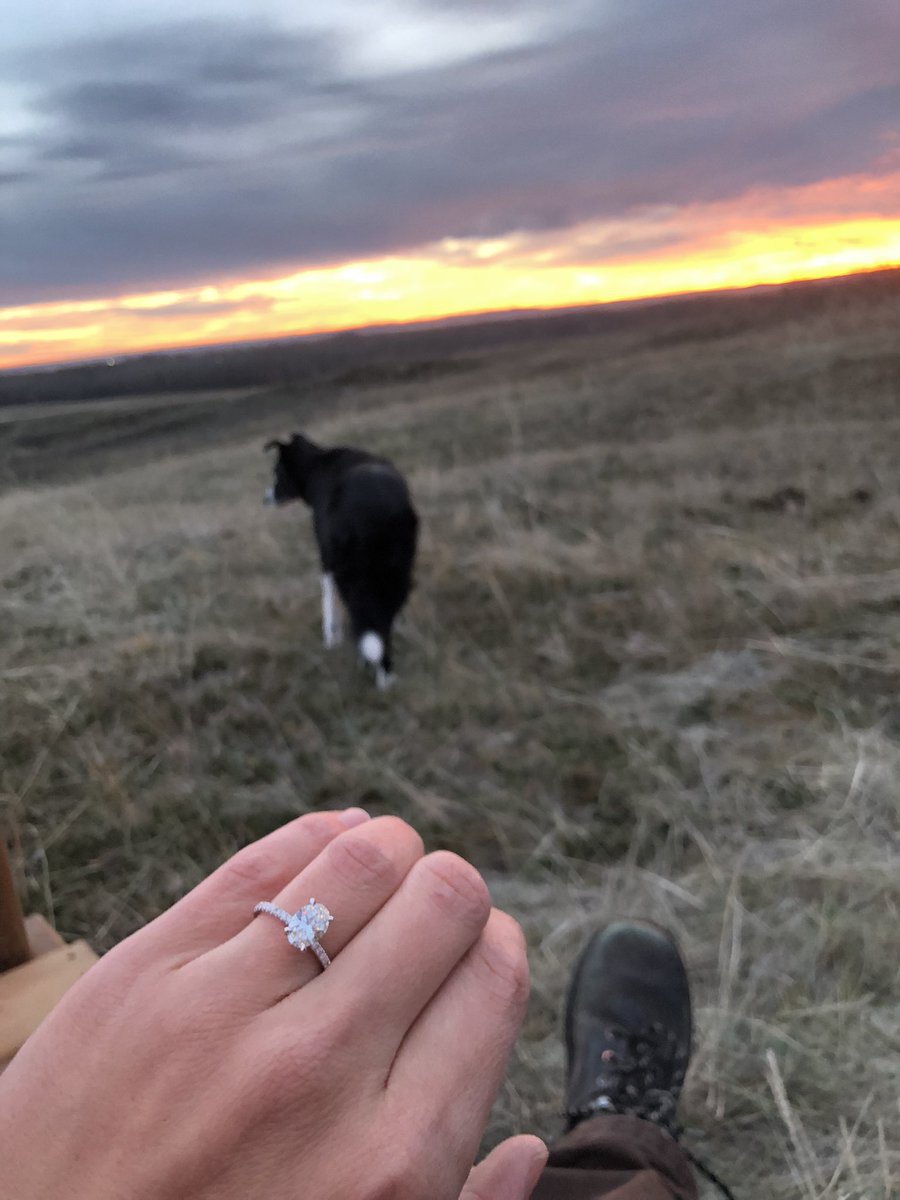
Husbands, this is how you react when someone disrespects your wife. Your kids, grandkids, their friends, neighborhood kids, the guy at the store, the waiter at the restaurant. No one should disrespect YOUR wife. This kid may not have a strong male presence in his life, and this “walk” may change his entire trajectory in life.
The Nazi guards never heard the baby crying inside her toolbox. If they had, 2,500 children would have died.
In 1942, a 32-year-old Polish social worker named Irena Sendler walked into the Warsaw Ghetto carrying a simple toolbox. She had a permit to check for typhus outbreaks. The guards waved her through. Hidden beneath the wrenches and rags was a six-month-old baby. She walked past armed soldiers and handed the child to a Polish family waiting outside the walls. The next morning she walked back in and did it again.
For three years Irena smuggled approximately 2,500 Jewish children out of the Warsaw Ghetto. She hid infants in toolboxes, sedated children and smuggled them in coffins, concealed them in ambulances under stretchers, and used sewer pipes. Every child received a new Polish name. Irena recorded everything—real names, new names, locations—on tissue paper sealed in glass jars and buried in a friend’s garden.
By October 1943 the Gestapo caught her. They tortured her, broke both her legs and both her feet, and beat her unconscious. She gave them nothing. After months they sentenced her to death. The night before her execution, the underground bribed a guard. He led her out and recorded her as “executed.”
She went immediately back to work and continued until the war ended. When the war ended she dug up the jars and spent months trying to reunite children with families. Most parents had died in the camps.
For decades almost no one knew about her. Then in 1999 four teenage girls in Kansas found a brief mention of a woman who had saved 2,500 children. They researched and wrote a play. At age 89 Irena Sendler became famous. She was honored by Pope John Paul II and nominated for the Nobel Peace Prize. She died in 2008 at age 98.
One estimate suggests those 2,500 rescued children produced approximately 6,000 descendants. She was a social worker with a permit and a toolbox. She walked into hell every day for three years and walked out carrying children. The Nazis broke her legs. They couldn’t break her will.
A Leduc businessman has pleaded guilty to sexually abusing 28 girls he met on social media.
Campbell Fergusson, 51, entered the plea Thursday in Edmonton Court of King’s Bench to seven counts that include child luring, making child sex abuse material and paying children for sexual services.
An agreed statement of facts read in court said he contacted girls on Snapchat and TikTok, often claiming to be younger, and offered cash for sexualized images and videos. In 13 cases he paid to meet them in person, sometimes picking them up from school or home, and sexually abused them in his truck. The youngest victim was 12.
He told police he spent about $20,000 on the payments in the six months before his arrest.
Police learned of the case in April 2025 through https://t.co/tN5kGsi3MI. Fergusson was arrested in June 2025 after searches of his home and business. He was first charged in July 2025; additional charges brought the total to 113 offences involving nearly 30 victims.
Sentencing has been postponed until 2027 for a psychological report. The next court date is Nov. 13 to set the sentencing hearing.
Overheard my 16-year-old giving a briefing to his 12-year-old sister before the bus arrived this morning:
“If you hear loud pops, you do not sit in a corner under a coat rack like they tell you. You kick the screen out of room 104, sprint across the field, jump the creek, and wait for me behind the car wash. Do not text me. Just run.”
She didn’t even flinch. She just nodded, took a Sharpie, wrote “104” on the inside of her wrist, and grabbed her lunchbox.
No tears. No panic. Just two siblings coordinating an evacuation plan before 7:30 in the morning.
Parents: What are you actually telling your kids to do? Because our kids have clearly decided the official drills are useless.
#BREAKING: At least seven people are dead and dozens more left injured from an explosion and fire at the CFB Wainwright, according to multiple military sources.
https://t.co/TKaVIQw2iP
When I was 17, my boyfriend raped me.
He drugged me. I woke up during the assault and told him no. His response was: “Just let me finish.”
There are things about that night I will never forget. How violently sick I was the next day. The realization of what had happened to me.
But almost as enduring is what came afterward.
I had slept with him before.
I willingly went to see him.
I drank with him.
What did I expect?
Those questions taught 17-year-old me something profoundly damaging: that somehow, somewhere in the choices I had made before he raped me, I had contributed to what he chose to do to me.
I wish I could say the conversation around sexual assault had fundamentally changed in the 28 years since that night.
Then I look at what is happening around the allegations at Cornell University.
A young woman has alleged in a civil lawsuit that she was drugged and sexually assaulted by seven men at a fraternity house. The allegations are being investigated, and the men are entitled to the legal protections afforded to anyone accused of a crime.
But that is not what much of the online conversation is about.
Instead, I have watched people call this young woman a “whore.” I have watched people dissect her sexual history, what she initially consented to, what substances she consumed and what she did afterward. I have watched a narrative emerge in which the men accused of assaulting her are recast as the real victims — victims of a woman supposedly trying to destroy their lives.
I have heard versions of this story my entire life.
And I need people to understand something about coming forward after sexual violence:
It is not easy.
It can mean telling strangers about the most intimate and traumatic moments of your life. It can mean having your sexual history examined, your behaviour scrutinized, your memory questioned and your character put on trial.
And now, in the age of social media, it can mean thousands of strangers doing it too.
We have seen repeatedly how much cultural sympathy can remain available to men who have committed sexual violence. Mike Tyson was convicted of rape and nevertheless returned to enormous celebrity. Brock Turner was convicted of sexually assaulting an unconscious woman, and the judge who sentenced him cited the potentially severe impact of imprisonment on him when imposing a six-month jail sentence.
Canada has its own shameful history. In 2017, a federal inquiry examined the conduct of a judge who, while presiding over a sexual-assault trial, asked the complainant why she could not simply keep her knees together.
Different decades. Different countries. Same question underneath it all:
What did she do?
That is the question we have to stop asking.
If someone stole your car, nobody would ask how many people you had slept with.
Nobody would ask whether your skirt was too short.
Nobody would ask how much you drank.
Nobody would comb through everything you did before and afterward searching for evidence that perhaps, somewhere along the way, you had communicated that you wanted your car stolen.
Yet sexual-assault complainants are routinely subjected to precisely this kind of scrutiny.
And there is one principle that should not be remotely controversial:
Consent to one sexual act is not consent to every sexual act that follows.
Consent can be withdrawn.
Consent to one person is not consent to another.
Consent at 10 p.m. is not irrevocable consent for the rest of the night.
Having had sex before does not create an obligation to have sex again.
Being sexually adventurous does not surrender your right to bodily autonomy.
And saying yes to something does not take away your right to say no to what happens next.
At 17, I needed someone to tell me that.
I needed someone to tell me that I could have willingly walked into his home, willingly drank with him and willingly slept with him a hundred times before that night, and none of those things gave him the right to drug me.
None of those things gave him the right to continue when I said no.
The responsibility for my rape belonged to the person who chose to rape me.
Full stop.
Instead, I carried questions that never should have belonged to me.
What could I have done differently?
Why did I go there?
Why did I drink?
Why didn't I somehow prevent it?
I deserved better than what the world gave that 17-year-old girl after she was raped.
Every survivor does.
And whatever ultimately happens in the Cornell investigation and litigation, the young woman at its centre deserves something very basic from the rest of us: not to have her humanity reduced to her sexual history.
We can believe in due process for accused people without putting an alleged victim's entire life on trial in the court of public opinion.
We can acknowledge that allegations must be investigated without pretending that consent once given is consent forever.
And we can stop teaching girls and women that the price of being believed is having lived a perfectly cautious, perfectly sober, perfectly chaste life.
Because bodily autonomy does not belong only to “good” women.
It belongs to all of us.
Twenty-eight years after my own assault, I wish I didn't still have to say that.
But I will keep saying it.
Because if we cannot protect people from sexual violence, stand beside people who have been harmed, and insist that their humanity does not disappear because of the choices they made before someone hurt them, then we need to ask ourselves what kind of society we are choosing to be.
With the current diesel prices, it’s going to be cheaper to drive through snow drifts and replace bumper covers than to use the tractor and snow blower.. 💀