New paper drop!
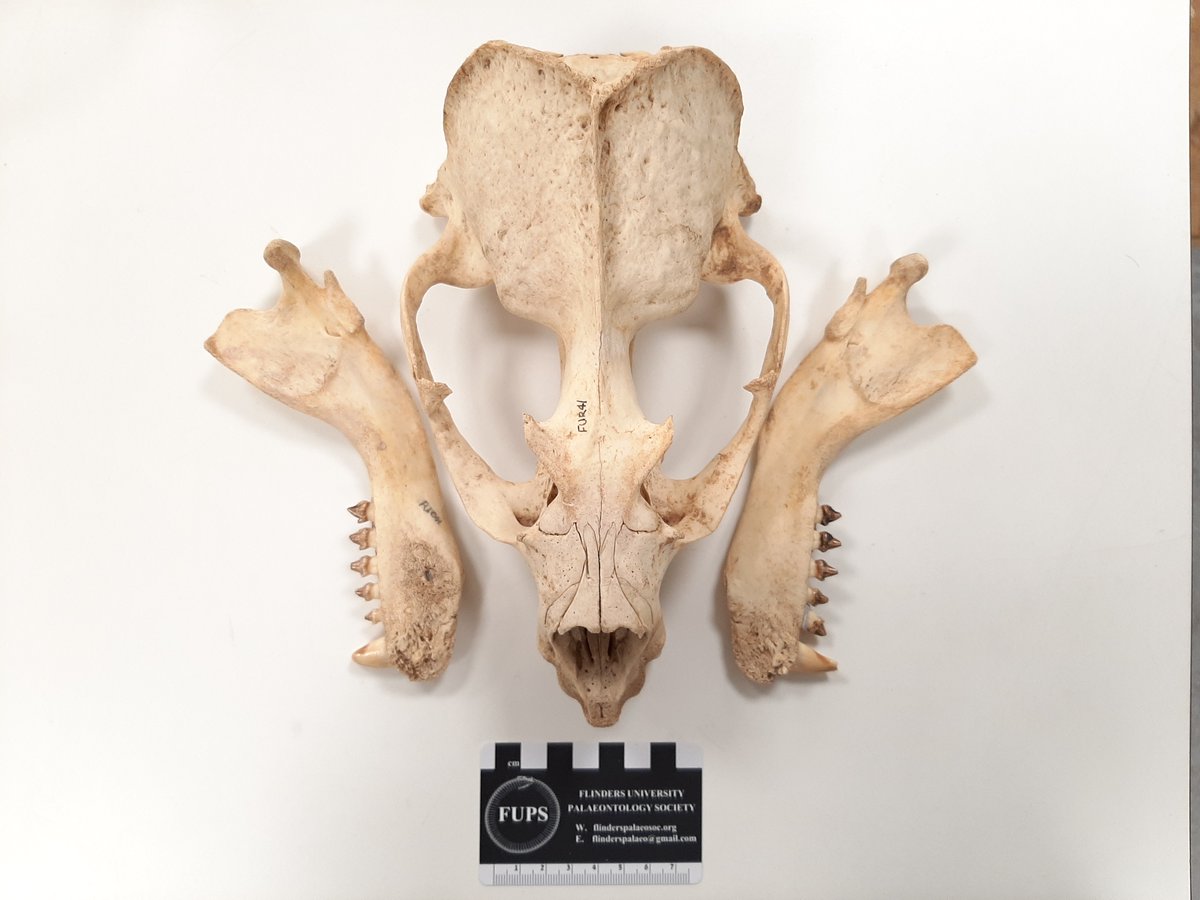
Kiana Cliff: a new fossil vertebrate site of probable last interglacial age from Eyre Peninsula, South Australia: Transactions of the Royal Society of South Australia:
https://t.co/ANAqqA6JEh
New research by Samuel Arman, Grant Gully and Gavin Prideaux out today!
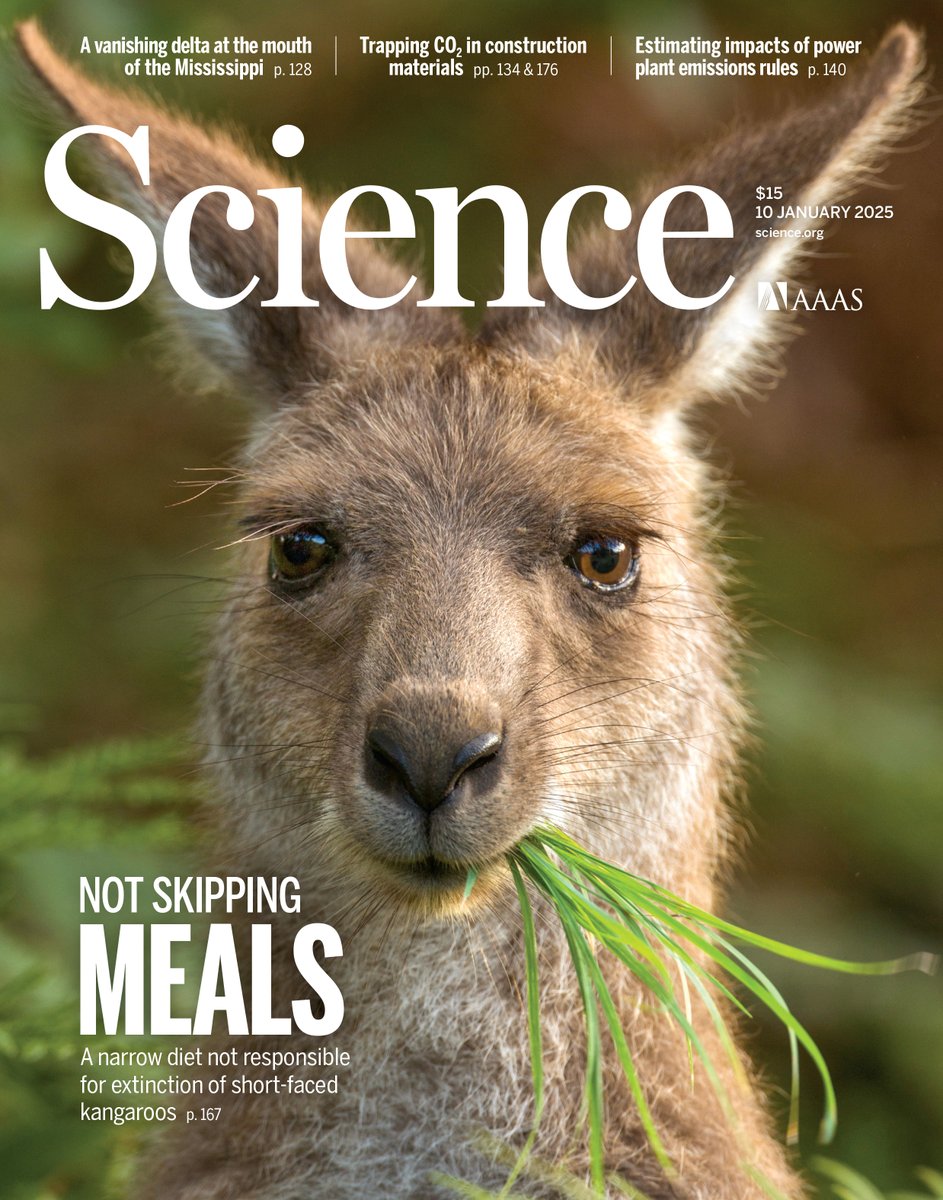
What can dental microwear tell us about the extinction of short-faced kangaroos?
@MAG_NT@Flinders#extinction#pleistocene
Much can be said about what a species ate based on the form of their teeth.
Using a tooth microwear approach, researchers in Science find that a narrow diet was not responsible for the extinction of short-faced kangaroos.
Learn more in this week's issue: https://t.co/IGO23K9Mcx
CAVEPS 2025 logo competition!
* $500 prize!
* must feature South Australian vertebrate fossils
* no use of generative AI permitted
* incorporate text "CAVEPS 2025" into your design
Submissions due: email them by 5pm ACST on Friday 31st January 2025.
We are SO excited to be hosting #CAVEPS2025! Can't wait to see Australia's vertebrate #palaeontology community back together again and see the amazing array of research being undertaken.
SAVE THE DATE!
Calling all Australasian Vertebrate Evolutionary Biologists, Palaeontologists and Systematists!
The 19th @CAVEPS_Palaeo meeting will be held on Kaurna Land, Flinders University, Adelaide, Australia,
November 24th - 30th, 2025.
More info soon... @FlindersPalaeo
Flinders palaeontology researchers and others abroad have discovered a new #coelacanth fossil, called Ngamugawi wirngarri, discovered in the Gogo Formation in Gooniyandi Country. This has revealed new exciting insights into its evolution 🔗 https://t.co/CZCnuy1ccV @Flinderspalaeo
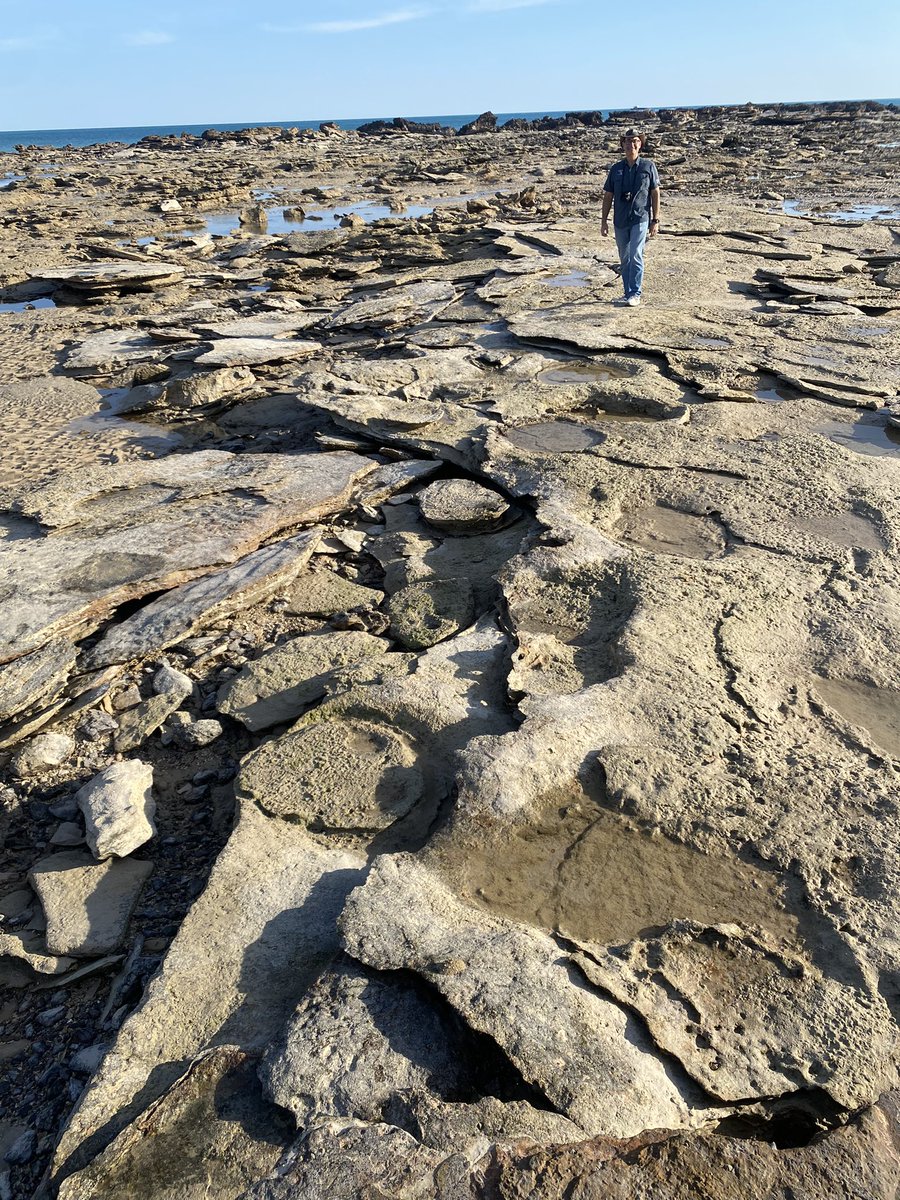
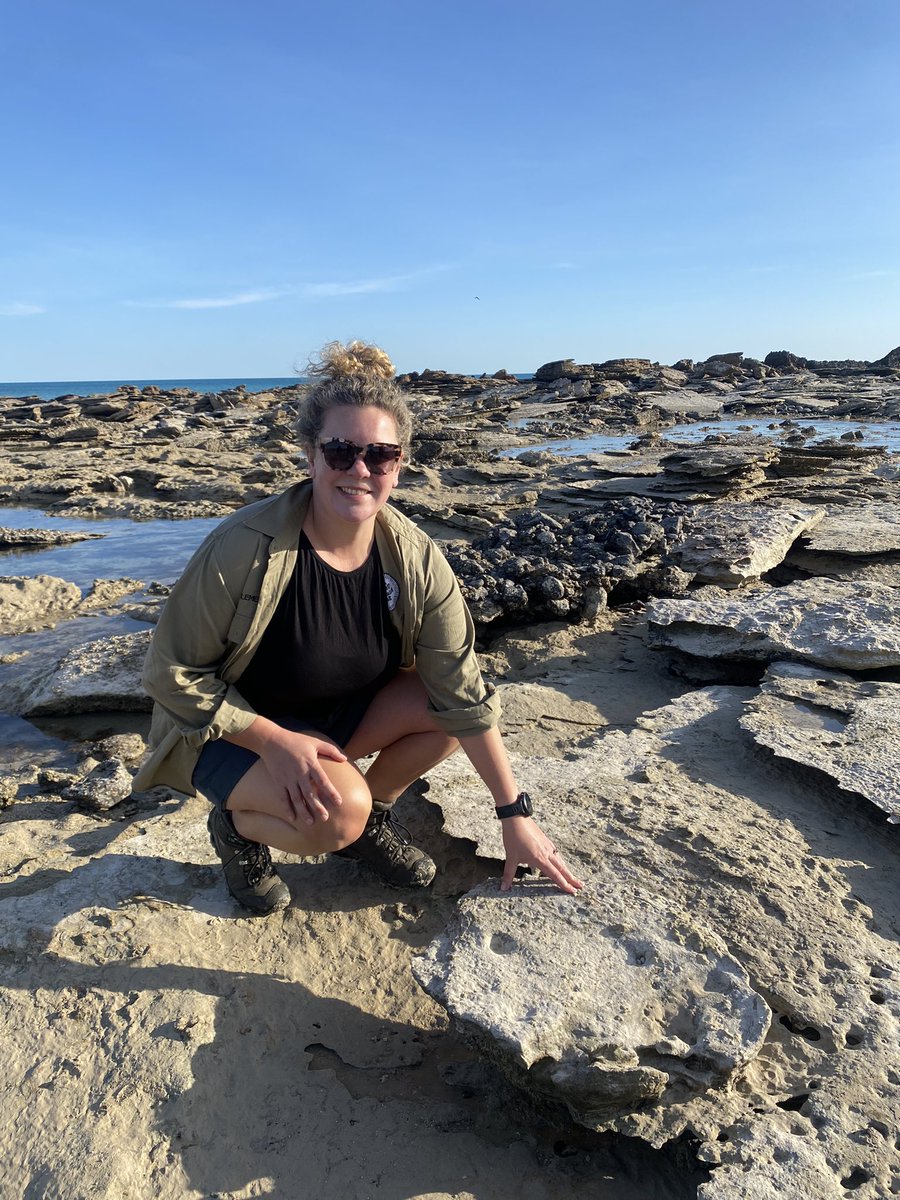
Visiting Minyirr (Gantheaume Point) Broome, Western Australia, to see the dinosaur trackway fossils revealed at low tide 🦖🦕👣 @FlindersPalaeo @LongJohnfossil @DGarciaBellido @conservbytes @GamblersRuin6
Palaeontologists working near Alice Springs uncover for the first time a set of articulated bones and partial skeleton of Ilbandornis woodburnei, a massive bird that once roamed an evolving continent 8 million years ago. https://t.co/KKLFrwMjj5
@Blokoweka's reconstruction of 𝘎𝘦𝘯𝘺𝘰���𝘯𝘪𝘴 was part of a recent study with lead author @Phoebyornis and co-author Trevor Worthy on new insights into the skull #morphology of this amazing #megafauna species.
You can read the paper here: https://t.co/n1qWFMRsoy
Introducing the updated look of Genyornis newtoni, a giant, extinct bird from Australia, based on new fossil discoveries published today. Incredible artwork by @Blokoweka 1/2 🧵 https://t.co/fywvF4Unns
Skull morphology of the giant flightless fowl Genyornis: https://t.co/5eApLzmPOI Lots of interesting details to digest here, notably renewed support for a close relationship to the weird South American screamers. Congrats to @Phoebyornis and @Blokoweka! #birds#dinosaurs
@Phoebyornis@Blokoweka@FlindersUniNews@FlindersPalaeo Great coverage of this study which has just gone live.
Check out this fab piece in @newscientist, who state that the paper shows strong evidence that the Dromornithidae, an extinct group of Australian flightless birds, were related to geese and ducks🦆
https://t.co/GfKk3b63R2
45,000-year-old Aussie 'giga-goose' detailed in new study by @Phoebyornis@Blokoweka🦴
Its giant skull fossil reveals it:
⚖Weighed 230kg
🌱Ate soft plants & fruits
🦜Had jaws similar to parrots but shaped like geese
https://t.co/bs8GkRJTbA
@FlindersUniNews@FlindersPalaeo
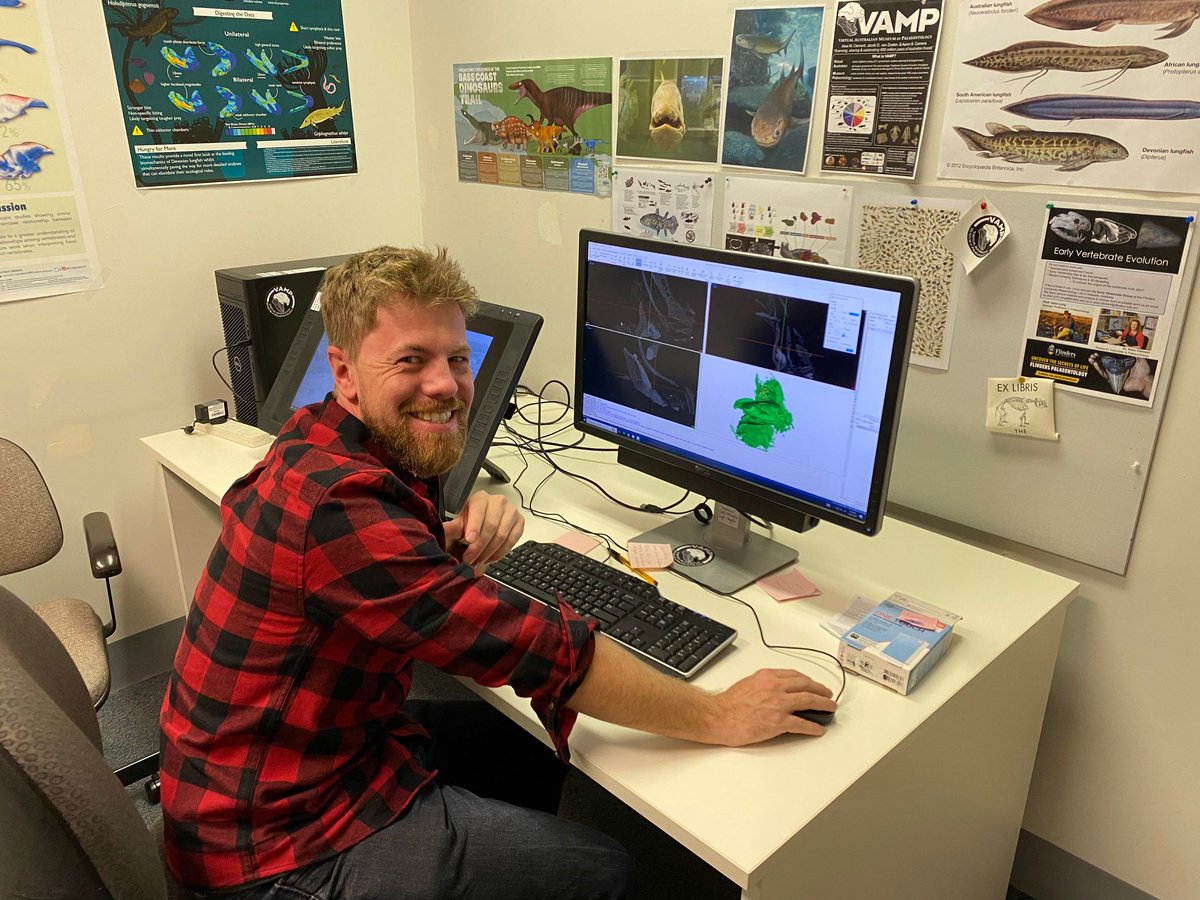
He’s finally here (and straight into μCT scanning a juvenile #Gogo#lungfish!) Big welcome to new @FlindersPalaeo PhD candidate M. Ramon Fritzen & partner Carol who arrived from Brazil just last week…