Official twitter of Floating Ocean Ecosystems. #oceanplastics research collaborative of scientists & practitioners for #trashfree seas.
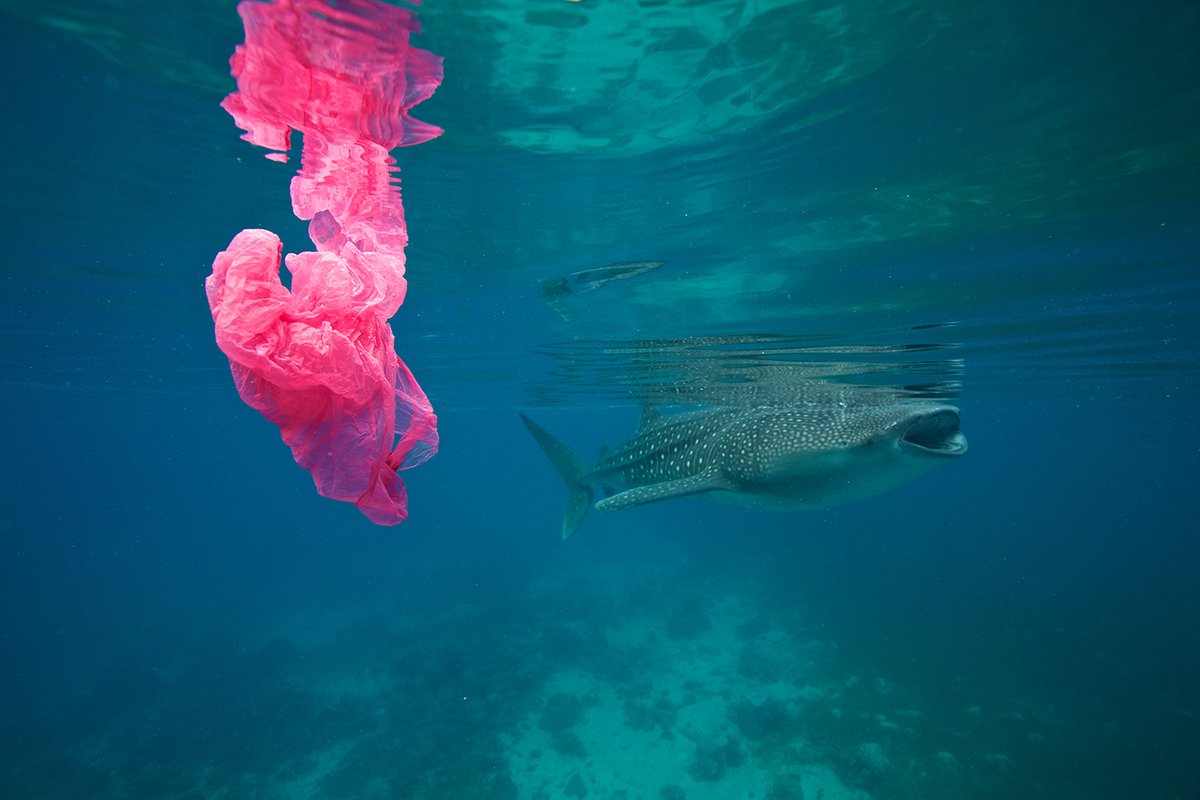
Pic: @TheVortexSwim
Did you know that microplastics can prevent the oceans from absorbing carbon dioxide? Check out this fascinating recent study. #ScienceBitesBlogging https://t.co/dm7nu0YbIc
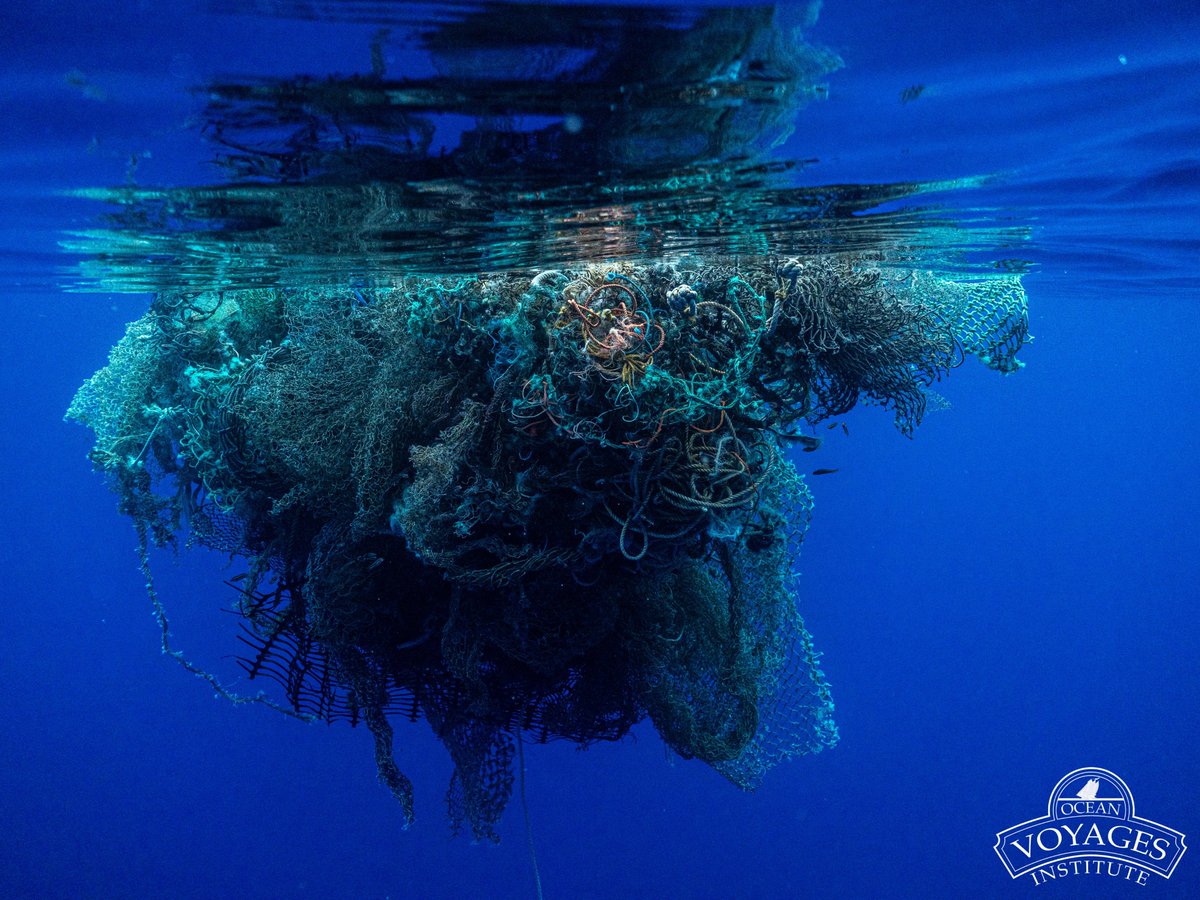
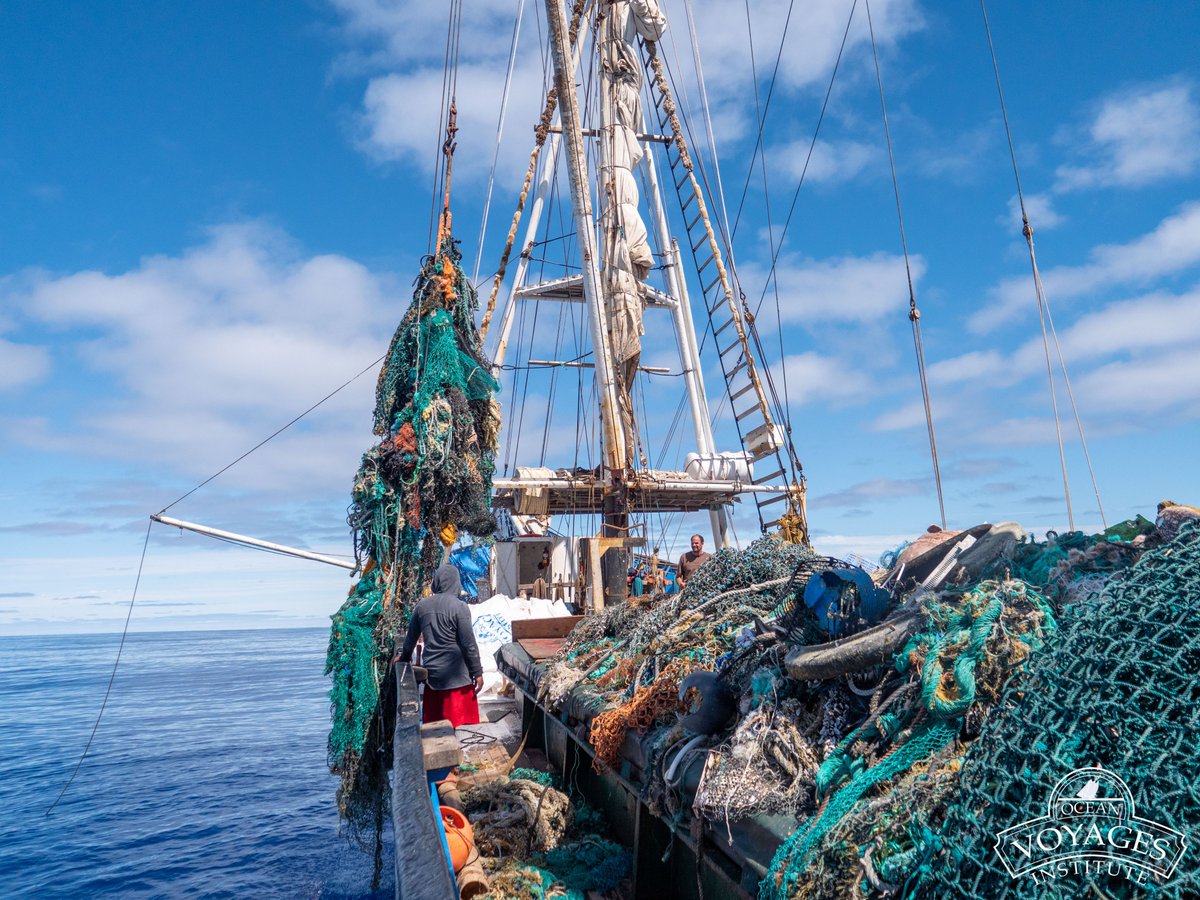
The 2nd leg of our record breaking 2020 cleanup expedition is about 2 week in and collecting tons of consumer plastics and ghostnets from the ocean. It is through donations from individuals that our vital work is possible. Please support us: https://t.co/RQbX8NhHQ4
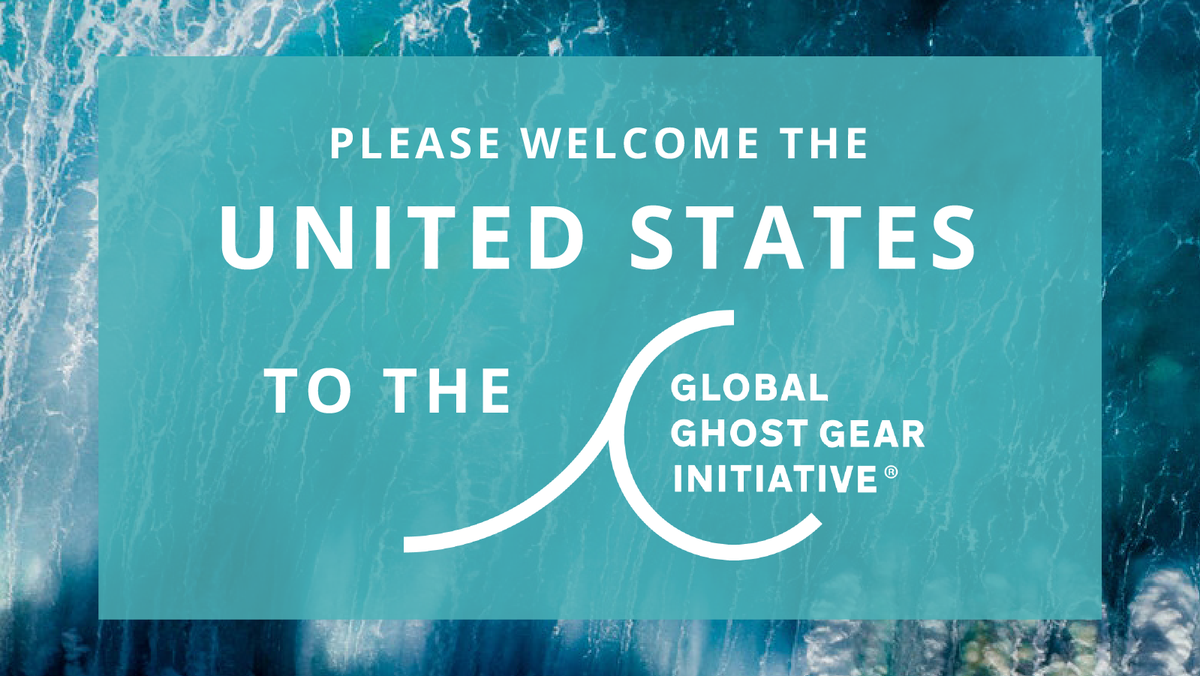
Today, the US government announced it is joining @GGGInitiative. It joins more than 100 member organizations including 15 other national governments and 13 U.S. companies committed to combating #ALDFG. @StateDept@NOAA https://t.co/ne05cMrMLz
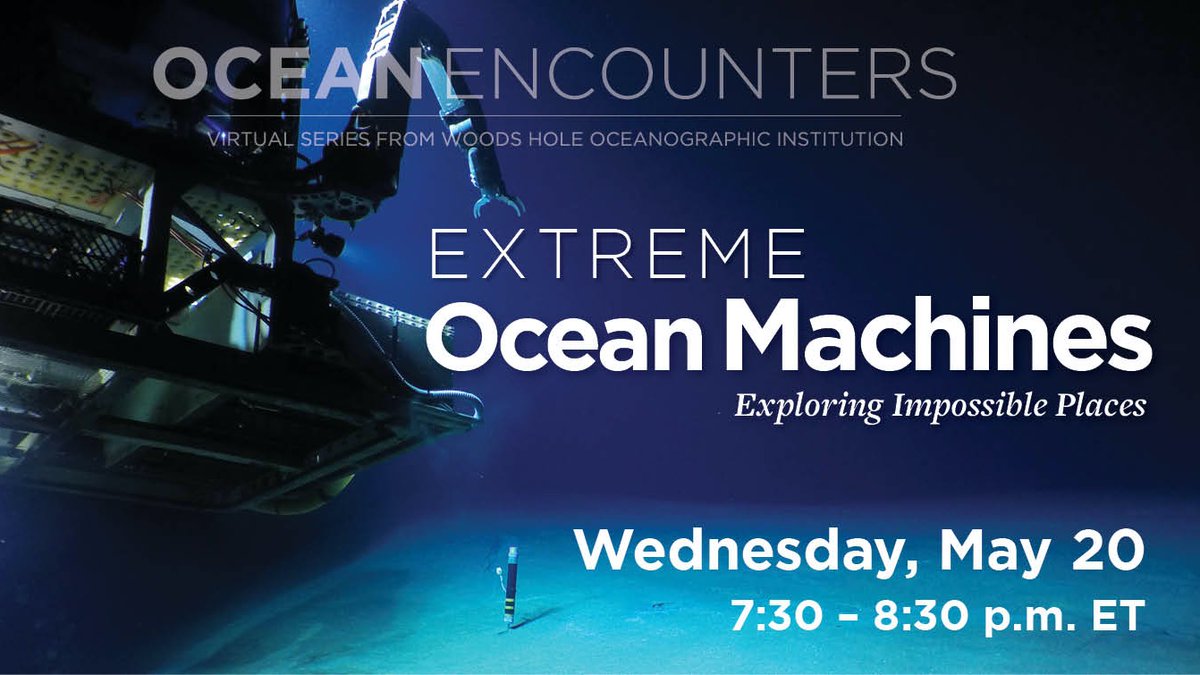
Tonight at 7:30 PM ET, join me for Extreme Ocean Machines: Exploring Impossible Places to explore extreme ocean tech with friends from @WHOI, @OceanX, and @BBCstudios.
Register here to join: https://t.co/8fUQtlN11Z #OceanEncounters
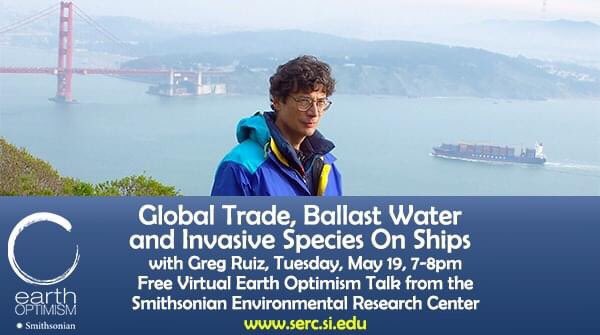
#FloatEco scientist Greg Ruiz gave a great lecture about #InvasiveSpecies for @SmithsonianEnv. To learn more about how global trade and shipping move species around the world, check out the recording! Details RT from @SERCinvasions
Join @SmithsonianEnv tonight for the Virtual #EarthOptimism Talk: Global Trade, Ballast Water and Invasive Species On Ships. Sign up: https://t.co/ODajLsGR7H
@oceancleanup is leading a plastic cleanup mission in the #GreatPacificGarbagePatch this spring with sailing vessel Kwai. During the mission, they're working with the #FloatEco team to research plastic in the open ocean. Check out the @Mar_Ex story! https://t.co/2ebLcvpqIM
The seafloor is a major reservoir of microplastics. New research shows that deep-sea currents create microplastic hotspots in deep-sea sediments. The group found hotspots of up to 1.9 million pieces/m^2... an astounding number.
99% of ocean plastics reside in the deep sea.
However, the discovery of deep-sea currents acting as microplastic conveyor belts will help scientists track hotspots. https://t.co/yQK4GTmIVV
Next Tuesday: Get an inside look at the science combating the spread of #invasivespecies, with @SERCinvasions biologist Greg Ruiz. Sign up online to watch live 5/19 at 7pm ET or to watch later on demand. #EarthOptimism https://t.co/5TA2VwQXQt
Food wrapping, fishing gear and #plastic waste continue to reach the Antarctic. Two new BAS-led studies into how plastic debris is reaching sub-#Antarctic islands are published in the journal Environment International: https://t.co/Oe6LGdg8Ev
Working at sea can be a lot like self isolation, writes Scripps' @melissatruth in a new blog post in @sciam. Check out her story to see what she's learned, and how sheltering in place at home can sometimes be much better than on a ship. https://t.co/012vEYkmP0
Floating macroplastics, and how to find them!
https://t.co/5zKsc5widV
I'm genuinely delighted to share this paper at last, with special thanks to my excellent co-authors for their contributions, and to @PlymouthMarine for letting me follow my nose & satisfy my curiosity. Thread:
So great to hear our collaborator Greg Ruiz of @SERCinvasions talk about positive changes in global shipping that have likely reduced rates of #invasivespecies introductions along our coasts. Thanks @EarthOptimism for the powerful session, Climate Change and Coastal Cities!
Greg has #OceanOptimism because of a campaign released about 30 years ago to raise awareness of #ballastwater driven #invasivespecie. We went from zero management of ballast 20 years ago to 90% of vessels treating ballast water today.
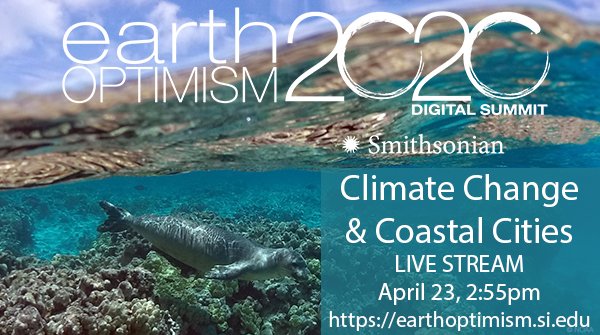
Roughly 2/3 of Earth's people live in the coastal zone. How can we make our coastal cities more resilient to climate change? Join @SERCinvasions biologist Greg Ruiz for a live @EarthOptimism discussion at 2:55pm. Stream at https://t.co/5tpNmMDX5C