🔴 Si GMAIL te avisa que está casi lleno "14,2 GB de 15 GB usados" no elijas:
🫰🏻 PAGAR
・Google One 100 GB → 1,99 €/mes y no soluciona el problema
・iCloud+ → Otra cuota más
・Dropbox Plus → Más de lo mismo
・OneDrive → Otra nube que se llena
👍🏻 LO QUE FUNCIONA GRATIS ↓↓
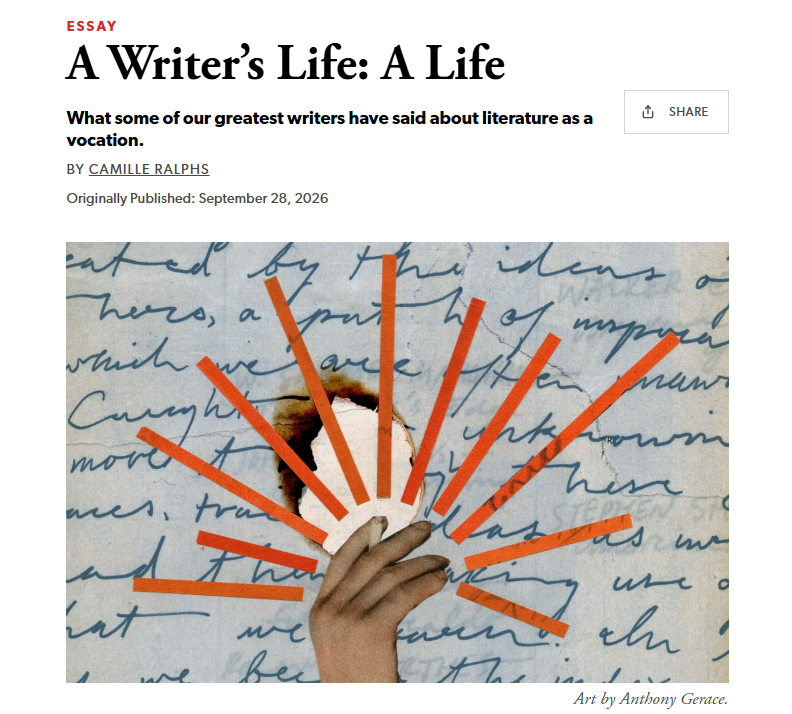
I'm back in @PoetryFound with a longread about what "a writer's life" looks like, based on 20+ books with "a writer's life" (or similar) as title or subtitle.
This was initially an Oxford lecture in 2024; I'm delighted to see it published!
Read for free:
https://t.co/Buawpc4xkC
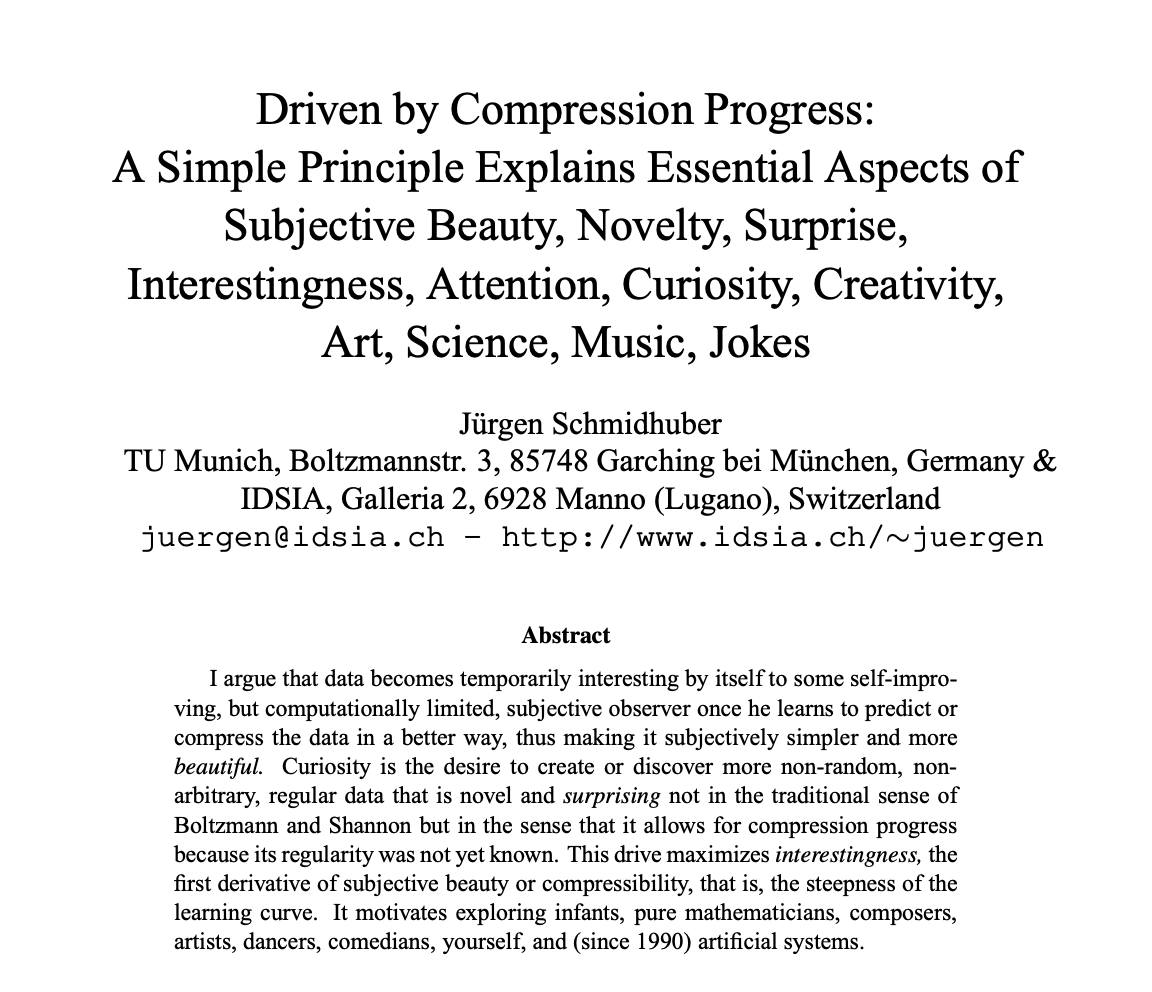
This 2008 paper answers:
why anything is beautiful
why science exists
why jokes land
why you get bored
why art moves you
why babies explore
why music has hooks
It boils down to a single, cold mathematical principle.
Jürgen Schmidhuber is one of the founding fathers of modern AI. But this paper wasn't about building a better machine.
It was about proving that human curiosity is just an algorithm.
It’s called "Compression Progress."
Your brain is a prediction engine. Its only goal is to take the overwhelming chaos of the world and compress it into simple, predictable patterns.
If something is completely predictable, like a ticking clock or a blank wall, your brain compresses it instantly. Zero effort.
You experience this as boredom.
If something is completely random, like TV static or white noise, your brain can’t compress it at all.
You experience this as frustration.
But what happens when you look at something complex, and suddenly discover a hidden rule that makes it make sense?
The exact second you get the punchline of a joke. The moment a chaotic melody resolves into a perfect hook. A baby realizing that dropping a cup always makes a sound.
In that split second, your brain successfully compresses the data.
And to reinforce this behavior, your brain floods your system with an intrinsic reward. A hit of dopamine.
We gave that chemical hit a lot of romantic names.
We call it "beauty." We call it "wonder." We call it "art."
Scientists like Einstein aren't doing magic. They are just hunting for equations that compress the maximum amount of universe into the smallest amount of text.
Composers like Beethoven weren't channeling the divine. They were engineering optimal compression puzzles for the human auditory cortex.
We like to believe our sense of wonder makes us fundamentally different from machines.
But this paper proved that wonder is just a mathematical reward function for efficient data sorting.
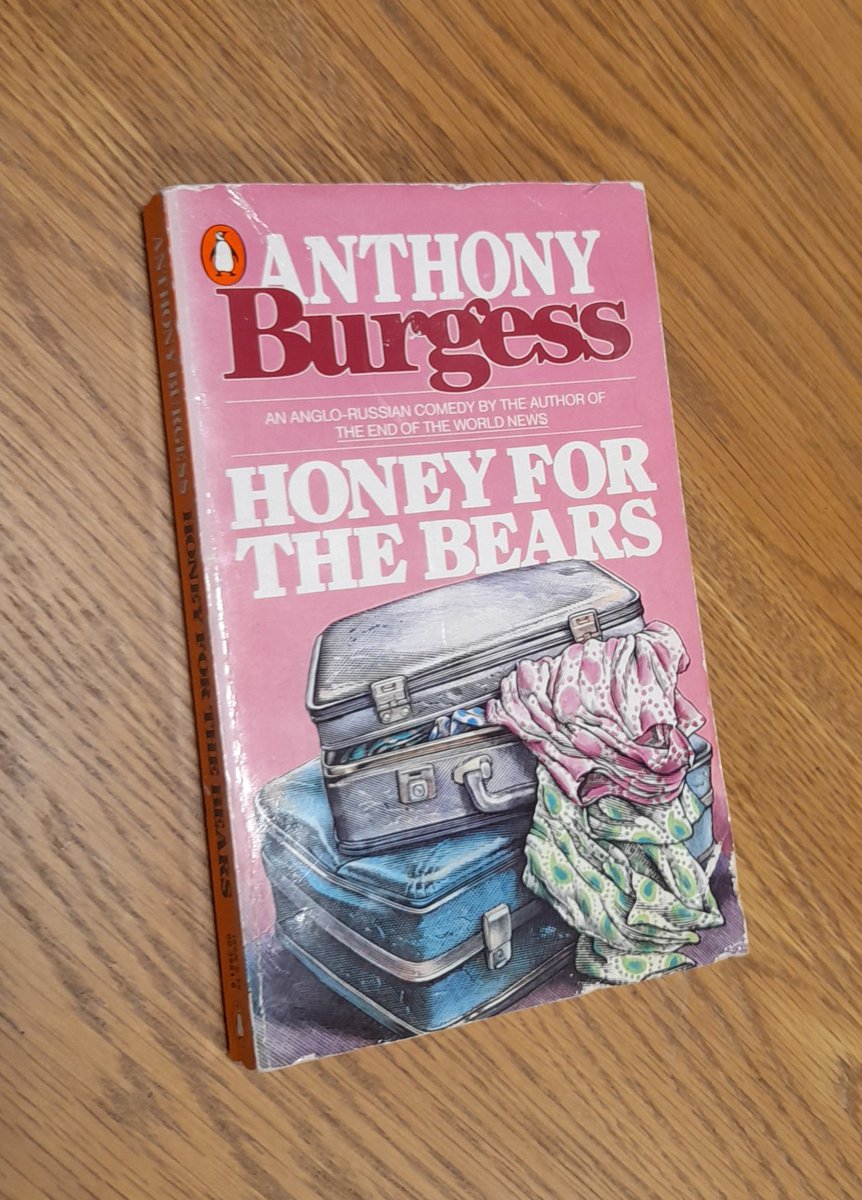
Watched this documentary as background research to 'Honey for the Bears' by Anthony Burgess set in St Petersburg. Burgess did an episode on Rome in the same TV series.
Peter Ustinov's Leningrad https://t.co/eSJpBhMySc
Umberto Eco’s enduringly popular manual “How to Write a Thesis” is more than a guide for undergraduates; the book is a celebration of the magical process of self-realization. https://t.co/D3jcr0aagR
Chelsea Hotel is one of New York’s most famous literary locales, immortalized in music, movies and literature. In her memoir, Patti Smith described it as “an energetic, desperate haven for scores of gifted hustling children from every rung of the ladder.” https://t.co/GJW2DqSmQX
I'm actually crying about Beverly Cleary, even though she had a great and long life. Her writing was so empathetic, funny, and observant. Here's what I wrote about her when she turned 100. https://t.co/zBtKpjAI7h
Malcolm Gladwell on why, in our accounting of genius and creativity, we often don’t consider the late bloomers. #NewYorkerArchive https://t.co/BomVZwprrH