4-Hour Candle Setup for Intraday Trading (Bullish Scenario)
Key Points
Identify a green 4-hour candle – mark its high, low, and wick area.
Switch to the 15-minute timeframe to refine entry.
Look for a break of structure or liquidity, followed by a Fair Value Gap (FVG).
Enter within the FVG after a liquidity swap (stop hunt).
Target at least +2 (e.g., 2x risk or next liquidity level).
People think trading is about predicting the market.
It's not.
It's about: • Waiting for the setup
• Managing risk
• Executing with confidence
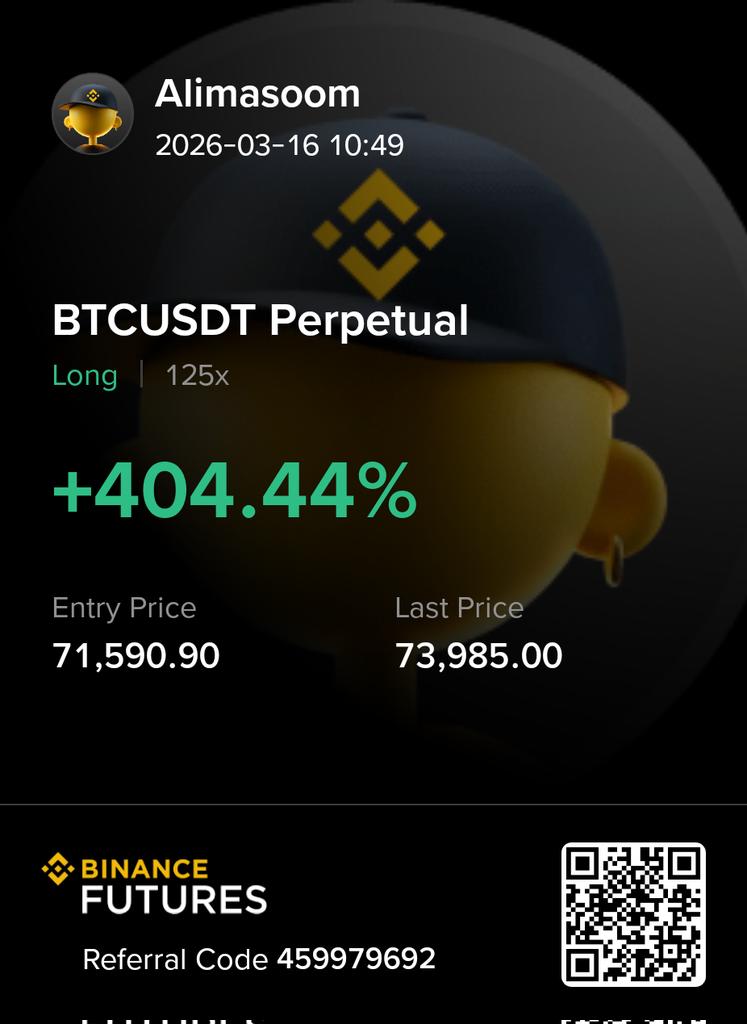
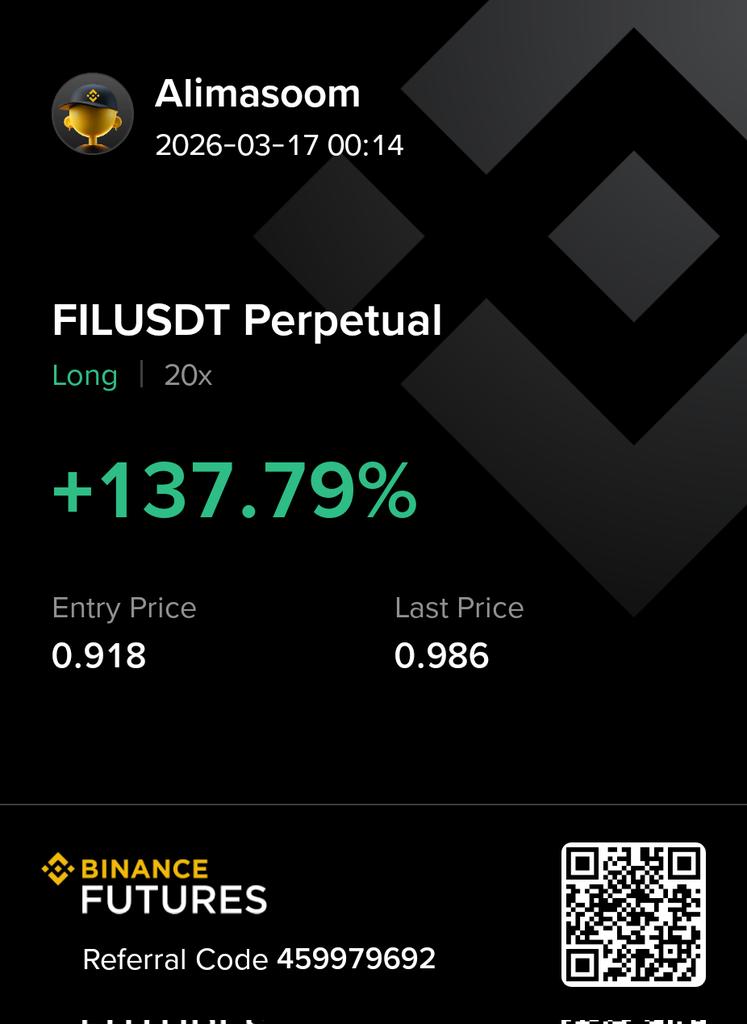
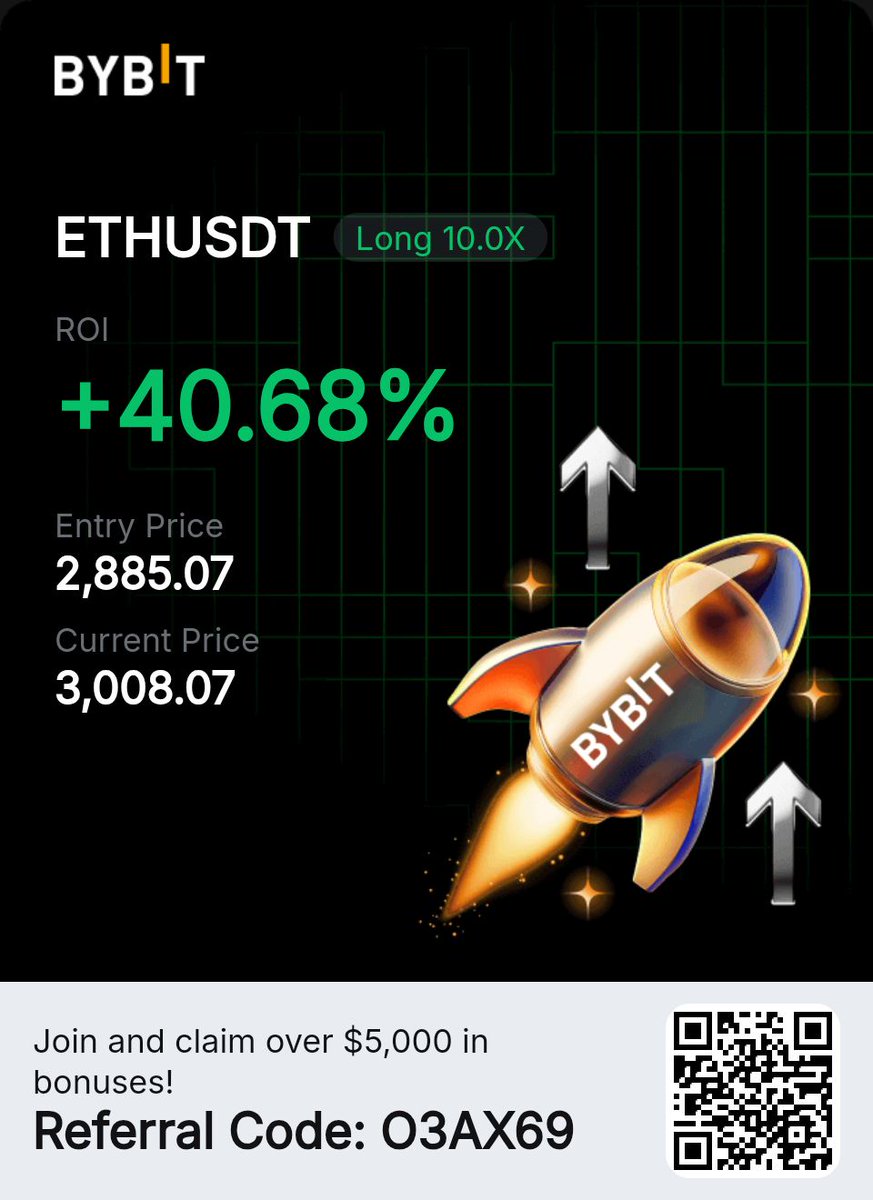
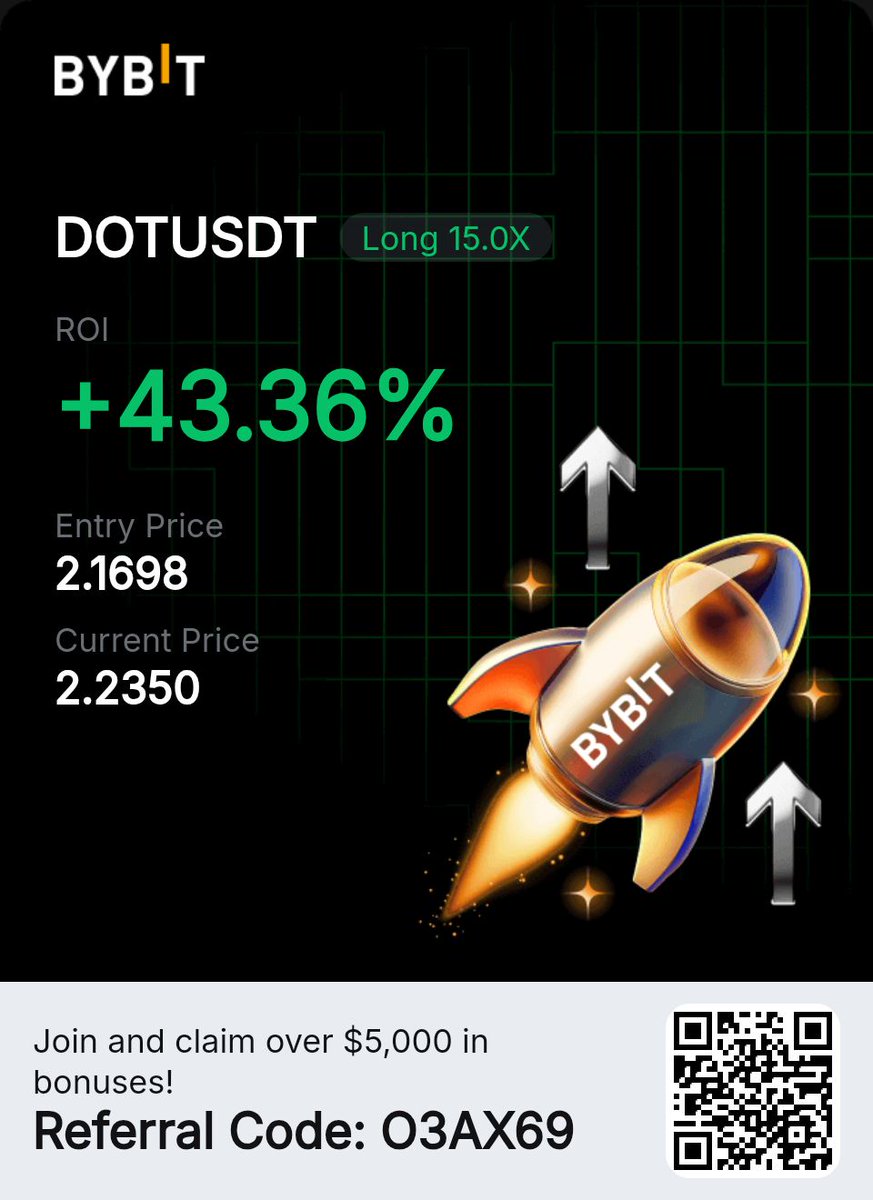
Today's results speak for themselves.
BTC +404%
DOT +360%
FIL +137%
SUI +114%
#Crypto#Trading
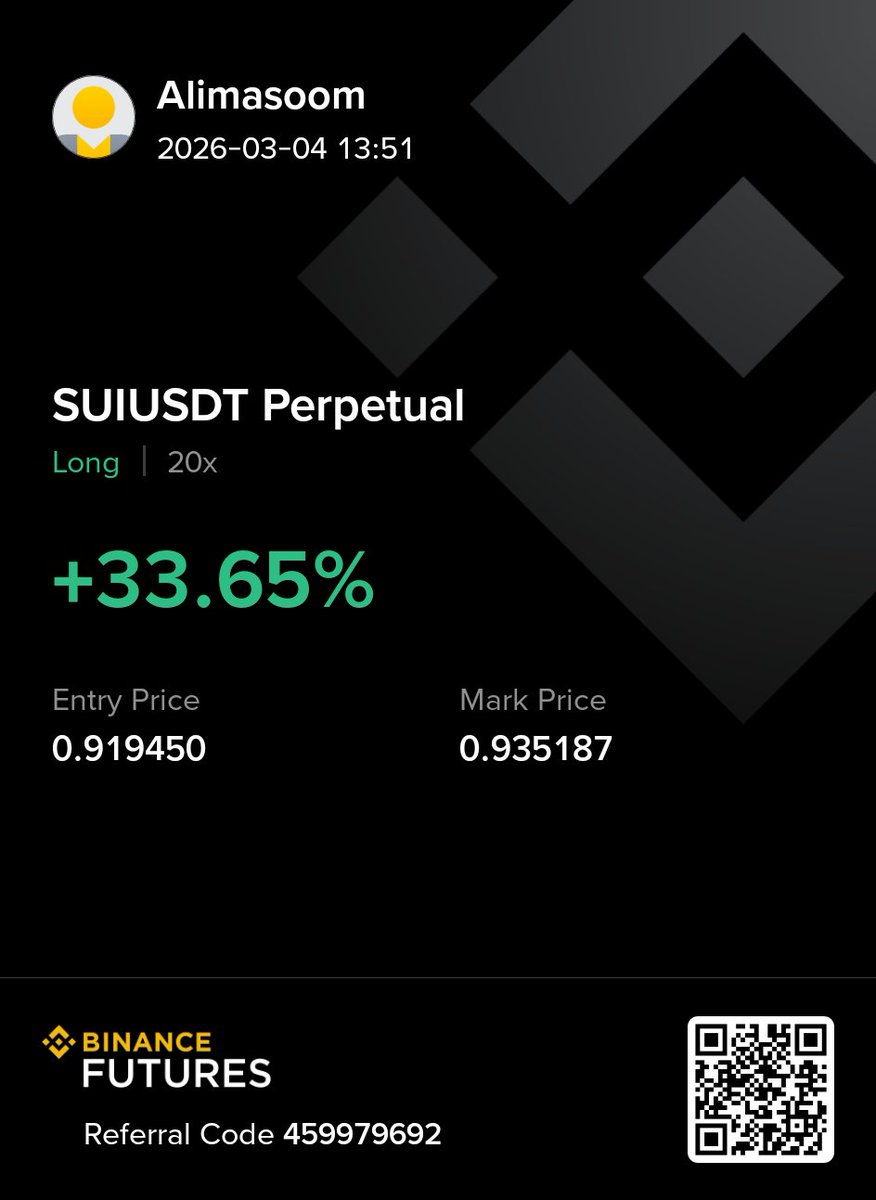
When the setup is clean, the profits follow. 📊
BTC +100%
LINK +50%
UNI +43%
SUI +33%
AVAX +29%
TON +29%
ETH +24%
This is what happens when you trust your analysis.
Crypto market is full of opportunities.
You just need the right strategy. 🚀
#CryptoTrading#Bitcoin#Altcoins
Attention Traders 🚨
When you start making money,
reinvest in what you use every single day:
• Laptop
• Desk
• Chair
• Bed
• Food
• Phone
• Clothes
• Gym membership
Upgrade your environment → upgrade your performance.
You’ll level up 10× faster.
You vs You 🔥
#BTCUSD
NEAR continues to impress 🌌
Entry secured at 1.769, riding with +30.28% gains so far ⚡
Trend remains friendly — until it isn’t 😎
#NEAR#CryptoBatman#Altcoins#Trading
ADVANCED TRADING PLAN CHECKLIST
Do NOT trade without this plan.
Before executing any position, review this checklist to stay aligned with your strategy, protect capital, and make high-quality decisions.
1. TRADE ENTRIES & EXITS
Define the exact criteria required before you open or close any trade:
Entry Rules
•Specific conditions for entering a trade
(pattern confirmation, breakout criteria, volume surge, indicator alignment, market structure).
•Exact location/zone for entries
(demand zone, supply zone, retest, liquidity sweep).
Exit Rules
•Conditions for taking profit
(profit targets, risk–reward levels, structure breaks).
•Protection and automation
•Stop loss placement
•Trailing stop loss rules
•Exit signals from indicators or price action
•Emergency exit triggers
(unexpected volatility, news spike, rule violation).
2. RISK CONTROL (CAPITAL PROTECTION)
Capital preservation is the first job of a trader.
•Position size formula (fixed %, ATR-based sizing, volatility-adjusted).
•Daily / Weekly / Monthly maximum loss limits.
•Max number of open positions at any time.
•Maximum total risk exposure per day.
•Maximum capital allowed in a single trade or correlated assets.
•News event protocol:
•Exit before high-impact news?
•Reduce size?
•Hold only if conditions match your strategy.
•Overnight / Weekend policy:
•Never hold through weekends?
•Hold only if in deep profit?
•Exit before market close?
3. MARKET FOCUS
Trade only where your edge is strongest.
•Exact markets you will focus on:
(Forex pairs, Indices, Crypto, Stocks, Commodities).
•Timeframes you will analyze vs. execute on:
(HTF for bias, LTF for entries).
•Sessions you trade:
(London, New York, Asian).
•Volatility hours you avoid.
4. MARKET CONDITIONS (CONTEXT)
Your strategy must match the environment.
•Determine trend environment:
•Trending
•Ranging
•Choppy
•Volatile
•How you identify market conditions:
•Moving averages alignment
•Structure breaks
•Volume behavior
•Volatility indicators
•Rules for adapting to each condition:
•Trend strategy only in clean trends
•Range strategy only in consolidation
•No trading in messy/choppy zones
•Rules for early exit if conditions shift unexpectedly.
5. GROWTH & GOALS (YOUR WHY)
Trading without purpose leads to emotional decisions.
•Define your primary goal:
•Income generation
•Long-term capital growth
•Trading style commitment:
•Full-time trader
•Part-time trader
•Side hustle / supplemental income
•Monthly performance goals (not daily).
•Trading hours + life balance plan.
•Financial roadmap:
•Profit withdrawal structure
•Savings plan
•Reinvestment plan
•Tax planning.
The Rest Is History:
The Best Time Frames Chart To Trade:
✅ 1. Scalping
Timeframes:
•1-minute (M1)
•3-minute (M3)
•5-minute (M5)
Why: Fast entries, low holding time, many setups.
✅ 2. Day Trading
Timeframes:
•5-minute (M5) → entry
•15-minute (M15) → confirmation
•1-hour (H1) → trend direction
Why: Clean intraday setups without too much noise.
✅ 3. Swing Trading
Timeframes:
•1-hour (H1)
•4-hour (H4)
•Daily (D1)
Why: Strong trends, fewer fakeouts, bigger moves.
✅ 4. Position Trading (Long-Term)
Timeframes:
•Daily (D1)
•Weekly (W1)
•Monthly (MN)
Why: Identifying big market cycles and long-term trends.
Most Accurate Combination for ANY Trader (my recommended)
•Daily (D1) → trend
•4-hour (H4) → setup
•15-minute (M15) → entry
This avoids losses from noise and gives high-probability trades.
Simple Rule
The higher the timeframe → the cleaner the trend.
The lower the timeframe → the more noise and fakeouts.
Generally Discipline Matters A lot:
Moving Average Roadmap!📊
5 Day EMA- Strong Momentum
9 Day EMA- Trailing Stop Loss
10 Day EMA- Short Term Trend
20 Day EMA- Pullback Support
30 Day WEMA- Stage Analysis
50 Day EMA- Uptrend Defence Line
100 Day EMA- Big Price Dip
250 Day EMA- Value Zone
200 Day EMA- Long Term Trend ( Bulls last stand in uptrend and Bears last stand in downtrend)
Add Yours!!!!