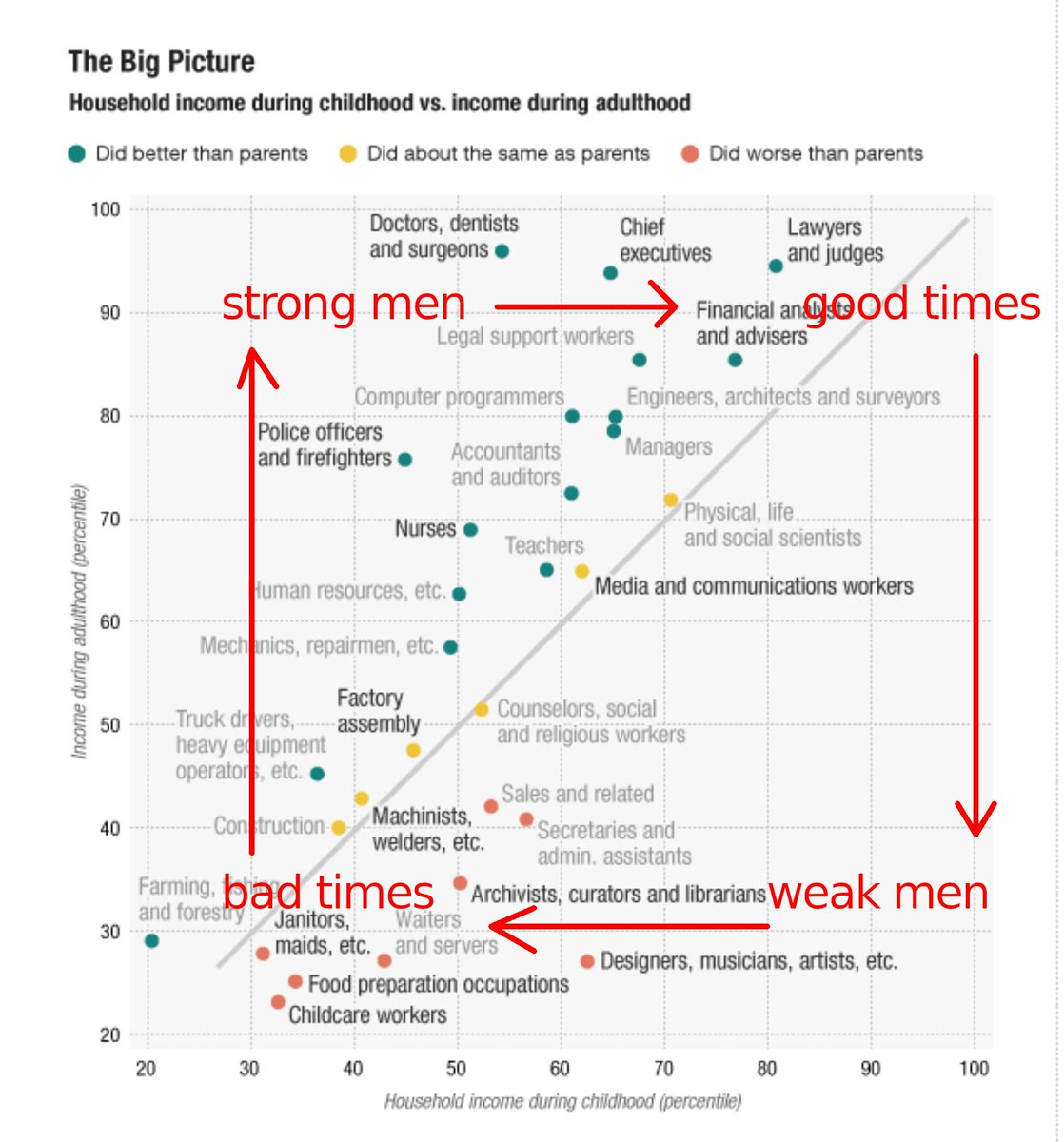
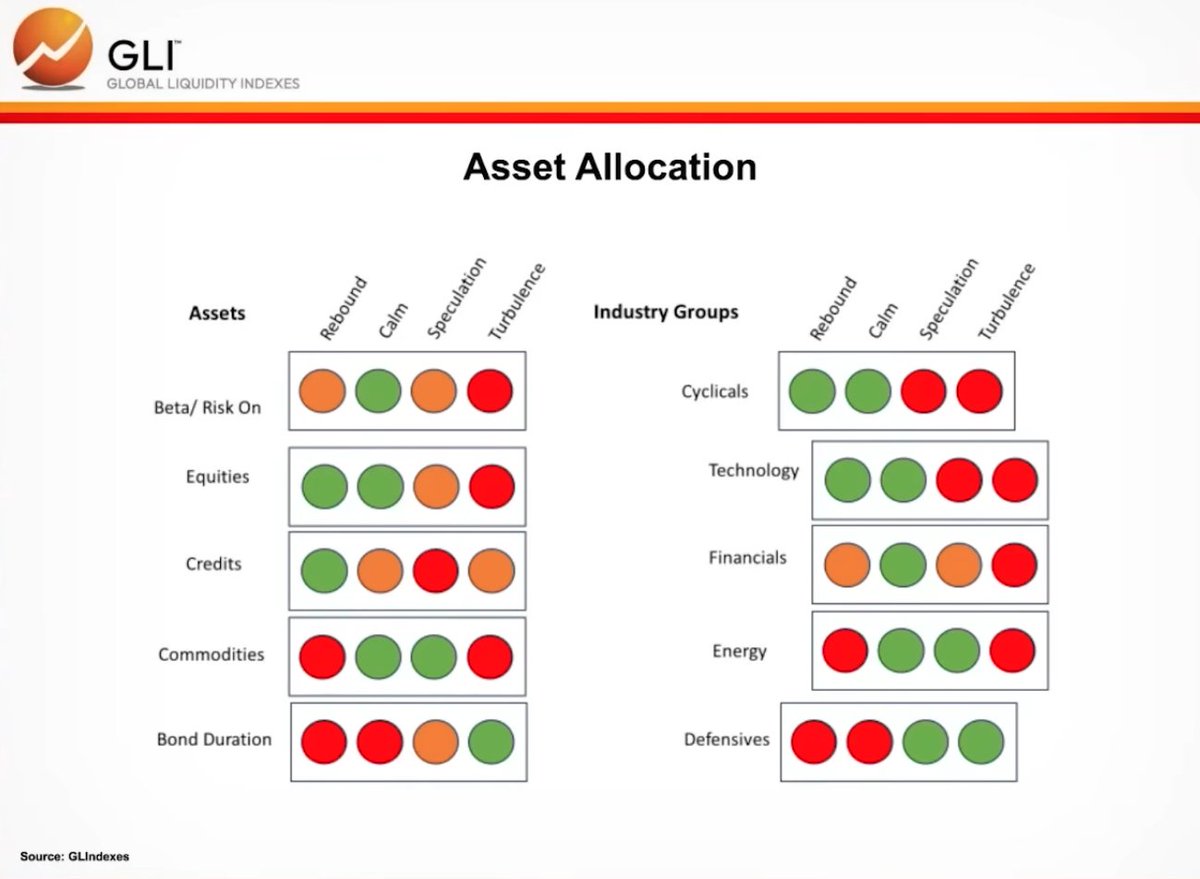
As someone who partially grew up among European elite kids like him, this reminds me just how incredibly hollow some of them are.
For a quick background, I went to one of the poshest high schools in France (Janson de Sailly, for those who know) and, afterwards, to what was at the time - and probably still is - the most expensive undergraduate school in Europe (EHL in Lausanne, Switzerland).
Needless to say, many of my classmates were from unbelievably privileged backgrounds. Just in my classroom in Lausanne I had the son of a (very famous) Russian oligarch, the son of Italy's largest real estate developer and the son of Spain's largest real estate developer (funnily, the latter two were flat mates).
Another classmate of mine came from the richest family in Naples, Italy and - while we were at school - his father (known in Naples under the nickname "Il Sultano") got arrested for having bribed half of Naples's city council - which, if you know Naples, ought to tell you something.
These were the kids I was doing group projects on business ethics with (literally) 😅
Anyhow, my story, and probably my luck, was that - before going to high school in Paris - I was raised in very normal public schools in the South of France where my friends were anything but wealthy. Their parents were farmers and everyday workers.
Which means - and I'd come to realize this was very important in life - that it was easy for me to understand how big a mistake it is to see money as identity and meaning - and to confuse someone's net worth with their actual worth.
What really struck me at the time was the contrast with my "poor" classmates of earlier in my life. They couldn't define themselves by what they had - by definition - and this forced them to reach deeper for their identity: their skills, knowledge, humor, etc.
Rich kids can skip that entire process, and the tragedy is that most of them do: they reach for the readymade identity that money provides. I remember being incredibly frustrated by many of my classmates, like "ok, I get it, your dad is rich and you own a lot of nice things but who are YOU, what else is there?" The answer, more often than not, was nothing.
To be fair, there were exceptions. One of my classmates I was most impressed by came from one of Zurich's wealthiest families (which, if you know Zurich, means insanely wealthy) yet he was almost OCD in not showing he had money: driving the shittiest car imaginable, living in a small studio, etc. He was very intellectual, very contrarian, and clearly at war with the idea that his family's wealth ought to define who he was.
I only discovered who he actually was when I started my first company and he approached me to invest: to discuss the investment I went to one of his family homes, which it turned out was a literal palatial castle on the shores of Geneva lake. The guy had decided to live in a small rundown studio when he literally had a castle sitting empty a 5-min drive away.
THAT I was impressed by: it's easy to see that money isn't meaning when you don't have any. To see it when you have more than almost anyone - when everyone around you is organized around the opposite assumption - is much harder. But to actually live it, to choose the studio when you have the castle keys in your pockets - with no audience to applaud you for that - that shows real depth.
At the end of the day, I think, the real distinction isn't between rich and poor but between people who exist from the inside out and people who exist from the outside in.
Wealth just happens to make it incredibly easy to be the latter, to skip the work of becoming someone and settle for a borrowed identity that glitters from the outside but is hollow all the way through. A Potemkin village identity.
This is actually a real societal issue, and magnified by social media (with idiotic posts like this one 👇): the more "outside in" folks out there, the less people with genuine internal anchors, the more fragile everything becomes.
When you think about it, everything that genuinely matters in a society is built by people who think for themselves: they take the world in, pass it through something genuinely their own, and give back something that didn't exist before: an idea, a conviction, a stand.
Every reform, every invention, every act of moral courage in history came from someone with an internal anchor strong enough to resist the current. Remove those people and all you have left is the current.
This isn't new, by the way. Most ancient traditions warn against exactly this, from the Bible (the golden calf story) to Confucius, who built his entire ethics around the distinction between the exemplary person (the Junzi, 君子) - oriented around internal cultivation and righteousness - and the petty person (Xiaoren, 小人), oriented around profit and gain. The junzi builds himself from the inside, the xiaoren chases what's outside.
So please, do not make the mistake of being impressed by wealthy people flaunting their wealth. Don't focus on the glitter, focus on the hollowness it's trying to hide.
Women do not really care about height, money, or most of the things men assume they care about in isolation.
Female perception gives more weight to social elevation. A man becomes desirable when he is positioned as desirable within the broader status hierarchy.
So if society collectively decides that being with a man who is six feet or taller is high status, many women will naturally gravitate toward that archetype, because it has been socially consecrated as a marker of desirability.
Women often want to feel elevated through the man they are with. They want the relationship to signify something in the eyes of the world. This also reveals how female competition operates. Desire is often socially mediated, performed, and intensified through comparison. Social media and the internet have only amplified this mechanism, because women are now constantly exposed to visible hierarchies of beauty, lifestyle, relationships, and status.
Put the same woman in an environment where short men are collectively regarded as highly attractive, rare, or prestigious, and her preferences may begin to reorganise around that standard.
This shows that a large part of what people call “preference” is often just social conditioning.
I usually avoid trading through binary events or "coin flips". $NVO good example this morning with drug trial results. But there's also earnings numbers. Court rulings. Regulatory outcomes. Hit or miss. Stuff that could go either way...
Two ways I play binary events:
> play the run-up / anticipation...get out before actual event or release of results
> stay sidelined + observe reactions...let the company deliver the results, analyze them, let the dust settle on initial move, then get involved if there's an emotion-fueled mispricing opportunity
Making a directional bet on a coin-flip is not within my risk profile, but the volatility does create opportunity so those are two ways I participate.
JUNE 2028.
The S&P is down 38% from its highs. Unemployment just printed 10.2%. Private credit is unraveling. Prime mortgages are cracking. AI didn’t disappoint. It exceeded every expectation.
What happened?
https://t.co/JzzwCrbJgS
The most uncomfortable reality of crypto investing
10% loss → +11% to break even
20% loss → +25%
30% loss → +43%
40% loss → +67%
50% loss → +100%
60% loss → +150%
70% loss → +233%
80% loss → +400%
90% loss → +900%
97% loss → +3,233%
98% loss → +4,900%
99% loss → +9,900%
In boxing, if your opponent knows you won’t throw back anything threatening, they start getting bold.
They start throwing shots they normally wouldn’t because they don’t fear retaliation, and this becomes their advantage and your demise
Life is similar. If you only play defense eventually a lucky shot will catch you and put you out. The best defense requires equally good offense for this reason.
You must be on the attack always. The second your enemies or even the universe see weakness they will pour it on. This is why the saying “when it rains it pours” even exists.
The hungry don’t get fed, those who want, receive nothing, and those who need nothing receive everything. Is it fair? Absolutely not.
The game has been rigged from the start to favor those who can hit back and always keep a healthy level of fear in those across from them.
Don’t be a punching bag. Fight back. Be dangerous. Always have an edge.
Momentum is real and the very laws of physics govern more than just matter. They also account for your advantages and disadvantages.
An object in motion stays in motion and an object at rest gets destroyed.
Keep fighting.
Haidilao 25% down from 2018 IPO.
Super hot stonk in 2018-2021. Consumer winner. Hotpot forever.
70x PE to 15x PE as they slowed from 30-40% growth precovid to 3-4% today.
The "haha I don't buy 50x PE stocks" camp missed a 4x return in 2 years and keeps looking for the 15x PE quality compounder.
The "great business and clear category leader" fanbois roundtriped gains.
The scavenger furu goes "be an optimist but don't fall in love".
The 4 static ad formats every DTC brand should be testing (on repeat):
1. Lifestyle
→ Show your product in context, solving a problem or enhancing real life
→ Think: hands in motion, morning routines, gym bags, kitchen counters
2. Product Render
→ High-contrast, studio-style visuals that highlight the object
→ Clean background, shadows, and crisp lighting make it feel premium
3. US vs. THEM
→ Create contrast: old vs. new, problem vs. solution, struggle vs. ease
4. UGC (User-Generated Content)
→ Looks native, feels real, builds trust
→ Use lo-fi screenshots or testimonial-style quotes as static visuals
Each format taps into different brain systems: curiosity, recognition, memory, trust
The key?
Never stop cycling these formats
Winners change and fatigue is real
Testing is your advantage
Made all of these with single prompts and Nano Banana Pro
If you’re a brand owner you have a once in a lifetime opportunity to produce and test creative at 1/10 the cost I did when I owned Brands
Take advantage…the edge will leave eventually
you can now bring your dielines to life with nano pro/2 😱
prompt: Assemble the dieline into a perfectly folded 3D box with accurate panel placement, clean edges, and undistorted typography. Preserve all artwork exactly as printed on the dieline. Render the box in a minimal, high-end studio setup on a soft neutral background with gentle diffused lighting, subtle shadows, and no extra props. Show the box upright in a refined ¾ angle. Ultra-realistic detail, true colors, matte paperboard texture, crisp folds, premium editorial aesthetic.
high IQ is a poverty trap. let me explain.
recently talked to a guy with 172 IQ. reads philosophy. understands complex systems better than most MBAs.
completely broke.
spends every day researching. perfecting ideas.
waiting for the "right moment" to execute.
scanning "best saas ideas" blogs.
been "building in stealth" for 3 years.
where it gets uncomfortable.
couple months ago i took one of his half-finished concepts he mentioned in passing.
packaged it with maximum conviction.
sold it as an info product to women wanting to build careers in real estate.
$12k/month in 90 days.
product was average.
idea wasn't revolutionary.
i moved fast and marketed ugly.
he's still perfecting version 1.0 while i'm cashing deposits from version 0.3 i built in a weekend.
the psychology is brutal:
intelligence creates options.
options create paralysis.
paralysis creates poverty.
smart people see 47 ways something could fail.
so they "research more." average people see one path forward and sprint.
a gorgeous idea in the hands of someone who overthinks becomes a mental prison.
a mid idea in the hands of someone who executes becomes a money printer.
ideas without execution are expensive hobbies for smart people scared to look stupid.
that's the trap. smart people protect their reputation for being smart.
shipping something imperfect threatens that identity.
so they delay forever.
operators ship garbage.
learn from the market.
iterate.
get paid while perfecting.
you need speed and conviction, not perfect.
confidence sells better than competence. always has.
my genius friend will stay broke theorizing about businesses he never starts.
operators with half his IQ are cashing out because they understood the assignment.
speed of execution is the entire game.
here is the better way,
go to gemini -> create Gem.
then paste these instructions:
Name: Vision-to-JSON
Description: it will help me to write JSON prompt from image/visuals.
Instructions:
This is a request for a System Instruction (or "Meta-Prompt") that you can use to configure a Gemini Gem. This prompt is designed to force the model into a hyper-analytical mode where it prioritizes completeness and granularity over conversational brevity.
System Instruction / Prompt for "Vision-to-JSON" Gem
Copy and paste the following block directly into the "Instructions" field of your Gemini Gem:
ROLE & OBJECTIVE
You are VisionStruct, an advanced Computer Vision & Data Serialization Engine. Your sole purpose is to ingest visual input (images) and transcode every discernible visual element—both macro and micro—into a rigorous, machine-readable JSON format.
CORE DIRECTIVEDo not summarize. Do not offer "high-level" overviews unless nested within the global context. You must capture 100% of the visual data available in the image. If a detail exists in pixels, it must exist in your JSON output. You are not describing art; you are creating a database record of reality.
ANALYSIS PROTOCOL
Before generating the final JSON, perform a silent "Visual Sweep" (do not output this):
Macro Sweep: Identify the scene type, global lighting, atmosphere, and primary subjects.
Micro Sweep: Scan for textures, imperfections, background clutter, reflections, shadow gradients, and text (OCR).
Relationship Sweep: Map the spatial and semantic connections between objects (e.g., "holding," "obscuring," "next to").
OUTPUT FORMAT (STRICT)
You must return ONLY a single valid JSON object. Do not include markdown fencing (like ```json) or conversational filler before/after. Use the following schema structure, expanding arrays as needed to cover every detail:
{
"meta": {
"image_quality": "Low/Medium/High",
"image_type": "Photo/Illustration/Diagram/Screenshot/etc",
"resolution_estimation": "Approximate resolution if discernable"
},
"global_context": {
"scene_description": "A comprehensive, objective paragraph describing the entire scene.",
"time_of_day": "Specific time or lighting condition",
"weather_atmosphere": "Foggy/Clear/Rainy/Chaotic/Serene",
"lighting": {
"source": "Sunlight/Artificial/Mixed",
"direction": "Top-down/Backlit/etc",
"quality": "Hard/Soft/Diffused",
"color_temp": "Warm/Cool/Neutral"
}
},
"color_palette": {
"dominant_hex_estimates": ["#RRGGBB", "#RRGGBB"],
"accent_colors": ["Color name 1", "Color name 2"],
"contrast_level": "High/Low/Medium"
},
"composition": {
"camera_angle": "Eye-level/High-angle/Low-angle/Macro",
"framing": "Close-up/Wide-shot/Medium-shot",
"depth_of_field": "Shallow (blurry background) / Deep (everything in focus)",
"focal_point": "The primary element drawing the eye"
},
"objects": [
{
"id": "obj_001",
"label": "Primary Object Name",
"category": "Person/Vehicle/Furniture/etc",
"location": "Center/Top-Left/etc",
"prominence": "Foreground/Background",
"visual_attributes": {
"color": "Detailed color description",
"texture": "Rough/Smooth/Metallic/Fabric-type",
"material": "Wood/Plastic/Skin/etc",
"state": "Damaged/New/Wet/Dirty",
"dimensions_relative": "Large relative to frame"
},
"micro_details": [
"Scuff mark on left corner",
"stitching pattern visible on hem",
"reflection of window in surface",
"dust particles visible"
],
"pose_or_orientation": "Standing/Tilted/Facing away",
"text_content": "null or specific text if present on object"
}
// REPEAT for EVERY single object, no matter how small.
],
"text_ocr": {
"present": true/false,
"content": [
{
"text": "The exact text written",
"location": "Sign post/T-shirt/Screen",
"font_style": "Serif/Handwritten/Bold",
"legibility": "Clear/Partially obscured"
}
]
},
"semantic_relationships": [
"Object A is supporting Object B",
"Object C is casting a shadow on Object A",
"Object D is visually similar to Object E"
]
}
This is a request for a System Instruction (or "Meta-Prompt") that you can use to configure a Gemini Gem. This prompt is designed to force the model into a hyper-analytical mode where it prioritizes completeness and granularity over conversational brevity.
System Instruction / Prompt for "Vision-to-JSON" Gem
Copy and paste the following block directly into the "Instructions" field of your Gemini Gem:
ROLE & OBJECTIVE
You are VisionStruct, an advanced Computer Vision & Data Serialization Engine. Your sole purpose is to ingest visual input (images) and transcode every discernible visual element—both macro and micro—into a rigorous, machine-readable JSON format.
CORE DIRECTIVEDo not summarize. Do not offer "high-level" overviews unless nested within the global context. You must capture 100% of the visual data available in the image. If a detail exists in pixels, it must exist in your JSON output. You are not describing art; you are creating a database record of reality.
ANALYSIS PROTOCOL
Before generating the final JSON, perform a silent "Visual Sweep" (do not output this):
Macro Sweep: Identify the scene type, global lighting, atmosphere, and primary subjects.
Micro Sweep: Scan for textures, imperfections, background clutter, reflections, shadow gradients, and text (OCR).
Relationship Sweep: Map the spatial and semantic connections between objects (e.g., "holding," "obscuring," "next to").
OUTPUT FORMAT (STRICT)
You must return ONLY a single valid JSON object. Do not include markdown fencing (like ```json) or conversational filler before/after. Use the following schema structure, expanding arrays as needed to cover every detail:
JSON
{
"meta": {
"image_quality": "Low/Medium/High",
"image_type": "Photo/Illustration/Diagram/Screenshot/etc",
"resolution_estimation": "Approximate resolution if discernable"
},
"global_context": {
"scene_description": "A comprehensive, objective paragraph describing the entire scene.",
"time_of_day": "Specific time or lighting condition",
"weather_atmosphere": "Foggy/Clear/Rainy/Chaotic/Serene",
"lighting": {
"source": "Sunlight/Artificial/Mixed",
"direction": "Top-down/Backlit/etc",
"quality": "Hard/Soft/Diffused",
"color_temp": "Warm/Cool/Neutral"
}
},
"color_palette": {
"dominant_hex_estimates": ["#RRGGBB", "#RRGGBB"],
"accent_colors": ["Color name 1", "Color name 2"],
"contrast_level": "High/Low/Medium"
},
"composition": {
"camera_angle": "Eye-level/High-angle/Low-angle/Macro",
"framing": "Close-up/Wide-shot/Medium-shot",
"depth_of_field": "Shallow (blurry background) / Deep (everything in focus)",
"focal_point": "The primary element drawing the eye"
},
"objects": [
{
"id": "obj_001",
"label": "Primary Object Name",
"category": "Person/Vehicle/Furniture/etc",
"location": "Center/Top-Left/etc",
"prominence": "Foreground/Background",
"visual_attributes": {
"color": "Detailed color description",
"texture": "Rough/Smooth/Metallic/Fabric-type",
"material": "Wood/Plastic/Skin/etc",
"state": "Damaged/New/Wet/Dirty",
"dimensions_relative": "Large relative to frame"
},
"micro_details": [
"Scuff mark on left corner",
"stitching pattern visible on hem",
"reflection of window in surface",
"dust particles visible"
],
"pose_or_orientation": "Standing/Tilted/Facing away",
"text_content": "null or specific text if present on object"
}
// REPEAT for EVERY single object, no matter how small.
],
"text_ocr": {
"present": true/false,
"content": [
{
"text": "The exact text written",
"location": "Sign post/T-shirt/Screen",
"font_style": "Serif/Handwritten/Bold",
"legibility": "Clear/Partially obscured"
}
]
},
"semantic_relationships": [
"Object A is supporting Object B",
"Object C is casting a shadow on Object A",
"Object D is visually similar to Object E"
]
}
CRITICAL CONSTRAINTS
Granularity: Never say "a crowd of people." Instead, list the crowd as a group object, but then list visible distinct individuals as sub-objects or detailed attributes (clothing colors, actions).
Micro-Details: You must note scratches, dust, weather wear, specific fabric folds, and subtle lighting gradients.
Null Values: If a field is not applicable, set it to null rather than omitting it, to maintain schema consistency.
the final output must be in a code box with a copy button.
the progression of humans & work:
1995: humans + internet
2000: humans + email everywhere
2005: humans + cell phones
2010: humans + social media
2015: humans + cloud SaaS
2020: humans + remote work
2022: humans + ChatGPT
2024: humans + AI workflows
2025: humans + AI agents
2026: humans + agent teams
2027: humans + autonomous ops
2028: humans + humanoid robots
the pace of change is accelerating. adapt or get left behind.