Supplementation with Vitamin D or calcium, or both does not help prevent fractures or falls. From a new systematic review of 69 randomized trials and >150,000 participants
Upadacitinib Versus Tofacitinib in Anti-MDA5-Positive Dermatomyositis With Interstitial Lung Disease: A Multi-Centre Cohort Study Emulating a Target Trial
https://t.co/XBF2uGIrdq
LA PUNIZIONE. Olio su tela di @MPolitano16 . Perché devi essere punito se sullo 0-0, ripeto, sullo 0-0 difendi VERGOGNOSAMENTE 6-3-1. Questo è il motivo principale che spiega la sciagura del calcio italiano. Senza se e senza ma.
𝗡𝗮𝗽𝗿𝗼𝘅𝗲𝗻
◦ Naproxen has been consistently observed to possess a "neutral" or significantly lower risk of causing heart attacks and strokes compared to other NSAIDs such as diclofenac or ibuprofen at high doses.
◦ Several meta-analyses, including that of the CNT Collaboration (Coxib and traditional NSAID Trialists), the largest conducted to date, have concluded that naproxen does not significantly increase the risk of major vascular events or vascular death compared to placebo.
◦ While drugs such as diclofenac or coxibs (e.g., celecoxib) raise the risk of myocardial infarction by approximately 30–40%, naproxen is often associated with a relative risk close to 1.0 (placebo).
◦ Furthermore, risk may be mitigated through lower doses or shorter duration of use, such as that with over-the-counter OTC) use of naproxen.
◦ In addition to its low COX-2 selectivity (instead
demonstrating greater selectivity for COX-1
inhibition), naproxen’s greater safety is believed to be due to its long half-life and its ability to produce a sustained inhibition of platelet aggregation, similar to the effect of aspirin, when used at full doses (500 mg every 12h).
Venezuelan man:
“Those who say that the U.S. is only interested in our oil, I ask you:
What do you think the RUSSIANS and the CHINESE wanted here?
The recipe for arepas?"
😂😂😂
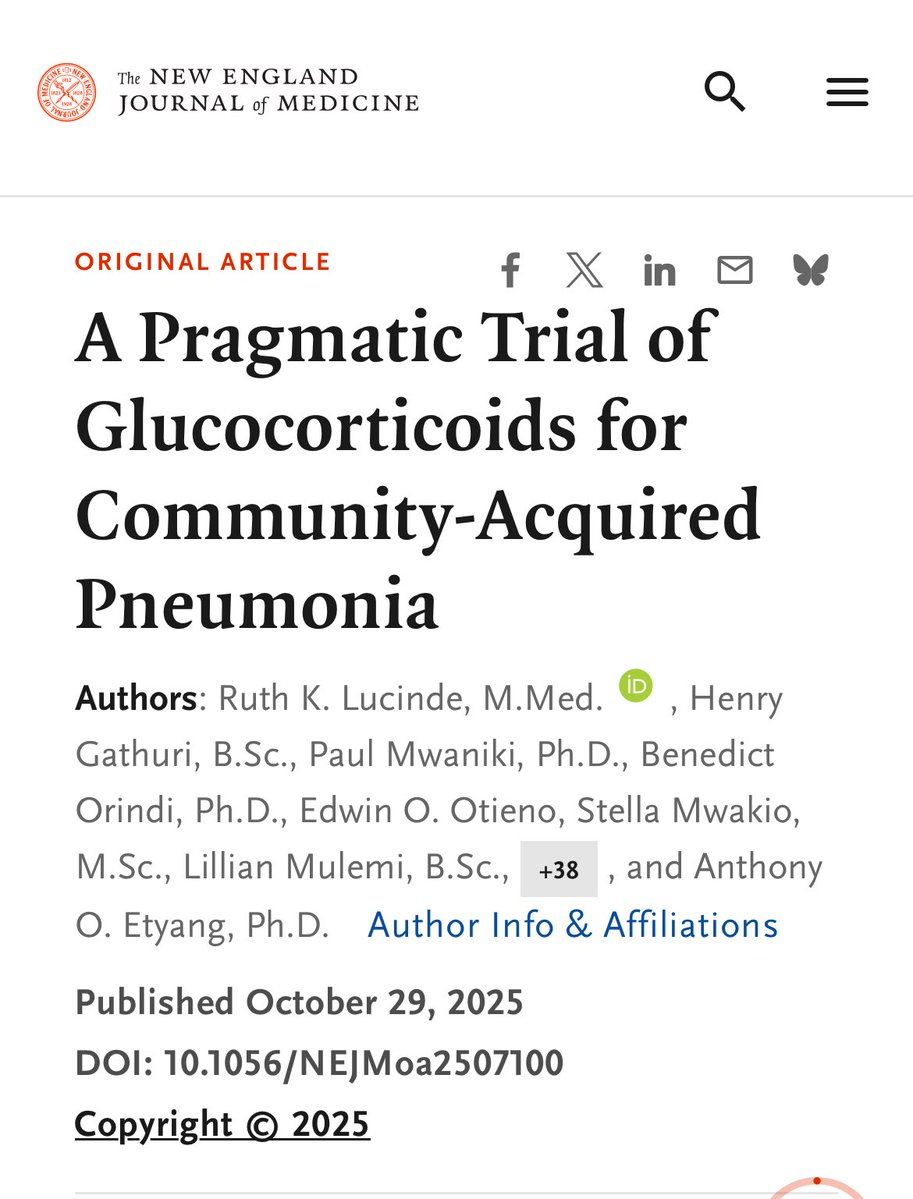
What if saving a pneumonia patient was as simple as adding one cheap pill?
A new NEJM RCT from Kenya just showed exactly that. 👇
2,180 adults with community-acquired pneumonia were randomized within 48 hrs to:
🅰️ Standard Care (WHO regimen)
β-lactam (penicillin/cephalosporin) + macrolide (erythro/azithro)
🅱️ Standard Care + 10 days of low-dose steroids
Dexamethasone 6 mg or
Hydrocortisone 160 mg or
Methylpred 30 mg or
Prednisolone 50 mg or
Prednisone 50 mg (bioequivalent dosages)
30-day mortality:
22.6% with steroids vs 26.0% with standard care
➡️ HR 0.84 (95% CI 0.73–0.97), P = 0.02
Adverse events similar. Steroid-related serious AEs: 0.5%.
💡 One low-dose steroid… in hospitals with almost no ICU support… saved lives.
Global pneumonia care may never be the same.
#NEJM #Pneumonia #RCT #GlobalHealth #MedTwitter #EvidenceBasedMedicine #InternalMedicine #CriticalCare #IDTwitter @DrAkhilX @IhabFathiSulima@CelestinoGutirr@Urchilla01@drkeithsiau
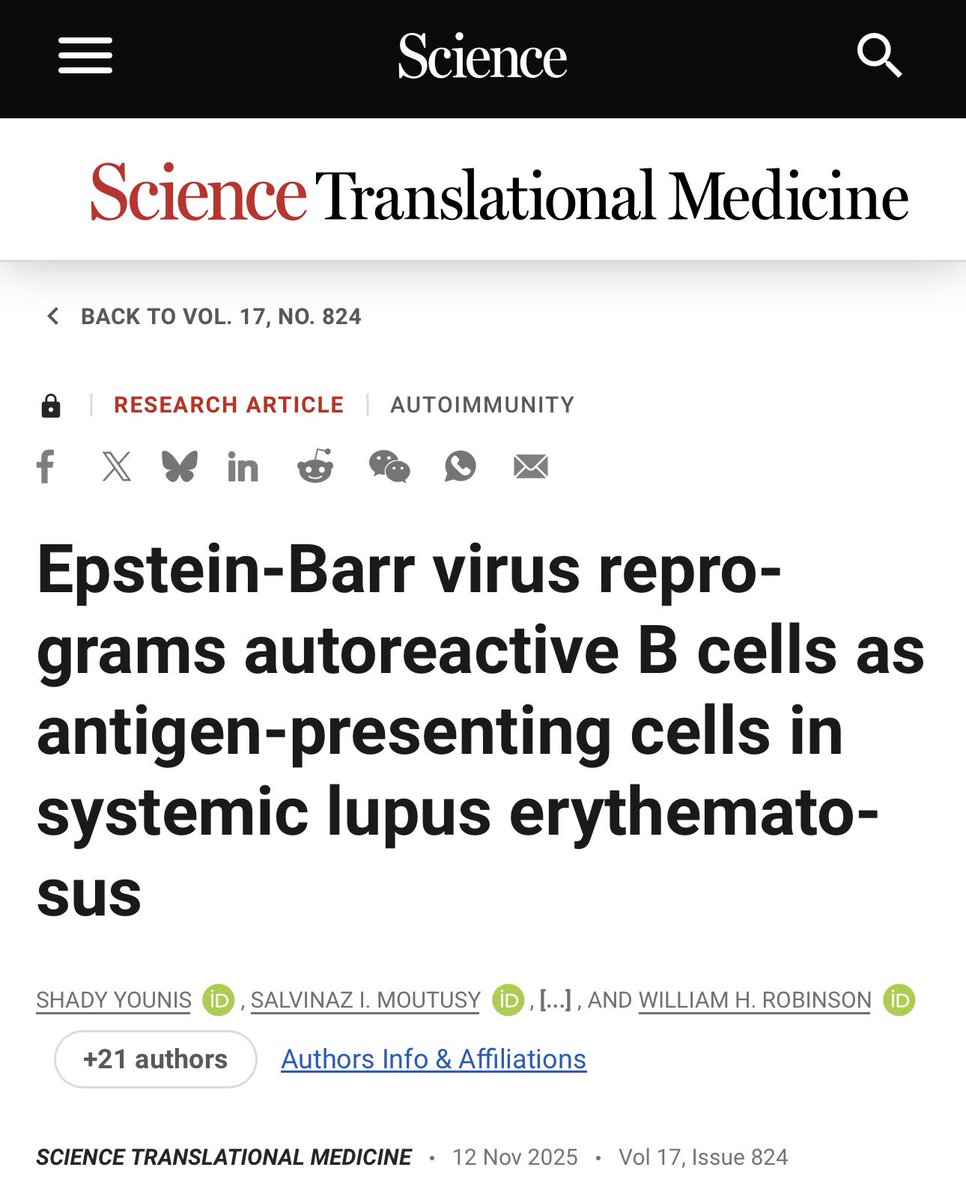
Future vaccine…. Epstein-Barr Virus, which causes certain cancers, and very likely causes MS (multiple sclerosis), now implicated to also likely cause lupus. If we can develop an EBV vaccine someday, it could prevent so much suffering.
Pharmacological and [non-pharma] treatments for #ChronicPain#Fibromyalgia
[#Rheumatology, 7th Edition - Hochberg et al] What have you found has been an effective [or not very] in the treatment of your chronic widespread pain patients?
In my opinion, this is the most important aging-related paper of the year! It identifies a critical protein that could eventually extend lifespan by many years. Not surprisingly, it involves DNA repair and regulation of the immune response. Below is a breakdown of the key points (via GPT-5):
What did they find and why important?
•Naked mole-rats live a very long time and rarely get cancer.
•A key reason is a tiny change in a cell sensor called cGAS. This sensor usually detects stray DNA inside cells and sounds an alarm to the immune system.
•In humans, cGAS can drift into the nucleus and get in the way of one of our best DNA repair tools (called homologous recombination). That means more un-fixed DNA damage over time.
•In naked mole-rats, four small amino acid changes in cGAS flip the script. Their version does not block repair. Instead, it helps the high-fidelity repair process work better.
Why is this big for aging?
•Aging is partly the story of accumulating DNA damage. Better repair means fewer mutations, less cellular dysfunction, and a slower march toward age-related diseases.
•If we can make human cGAS behave more like the mole-rat version, we might reduce the daily damage load, which could:
•Lower cancer risk
•Preserve tissue function longer
•Delay multiple age-related declines at once
How could this translate to people?
1.Drug design: Create small molecules that keep human cGAS from interfering with DNA repair inside the nucleus, while still letting it do its normal immune-sensing job in the cytosol.
2.Protein engineering or gene therapy: Introduce cGAS variants that mimic the mole-rat’s four changes in high-risk tissues, carefully and locally.
3.Biomarkers and screening: Use cGAS activity and DNA repair efficiency as readouts to find who might benefit and to measure whether a therapy is working.
4.Combination strategies: Pair cGAS-tuning with other repair boosters and senescence-reducers for a bigger effect.
Bottom line:
A few precise tweaks to one protein can shift the balance from ongoing damage toward cleaner, faster DNA repair. That is exactly the kind of leverage aging research needs: change a small control knob, get system-wide benefits. The naked mole-rat just showed us one such knob.
Paper link in the thread.
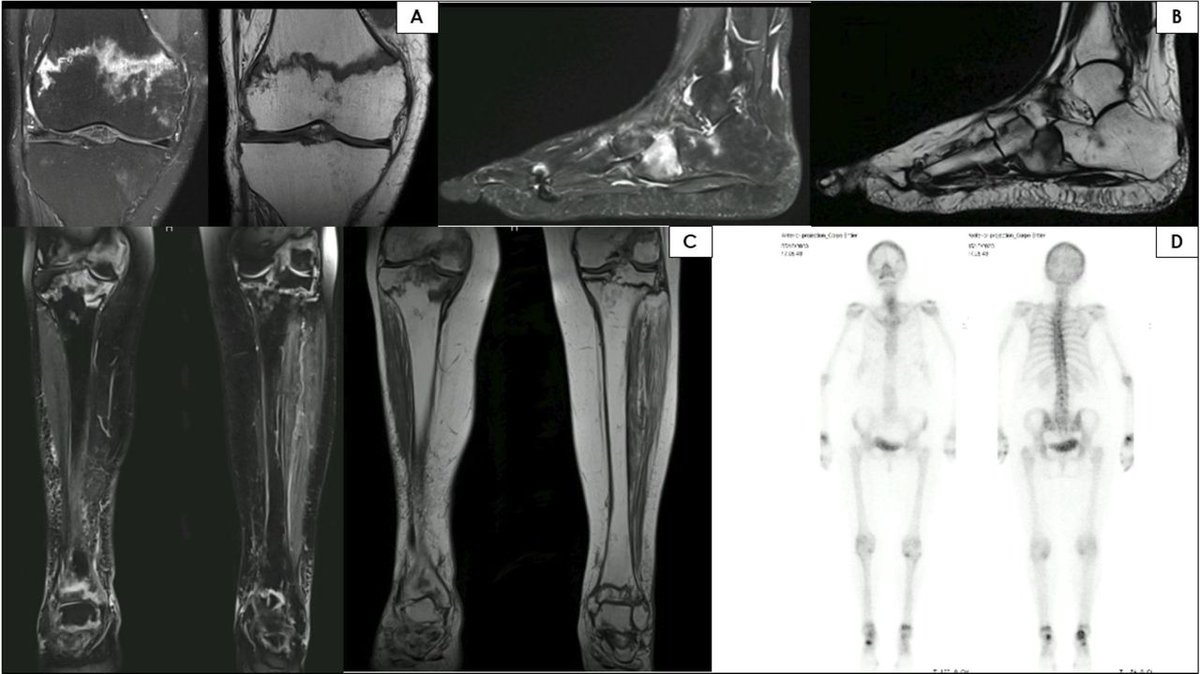
💊 Methotrexate osteopathy: rare but serious complication causing stress fractures in lower limbs (88% tibia, 49% foot) among RA/PsA patients—often multiple & recurrent
📊 92-patient cohort shows MTX continuation = disaster: 71% poor outcomes vs 9% with MTX stop. Healing achieved in 91% who discontinued vs only 29% who continued (p<0.001)
⚠️ Early MRI/scintigraphy diagnosis essential—stopping MTX is critical for fracture healing & preventing recurrence. Duration/dose didn't predict outcomes, only continuation/discontinuation mattered
🔗 https://t.co/rd0exiYSeS
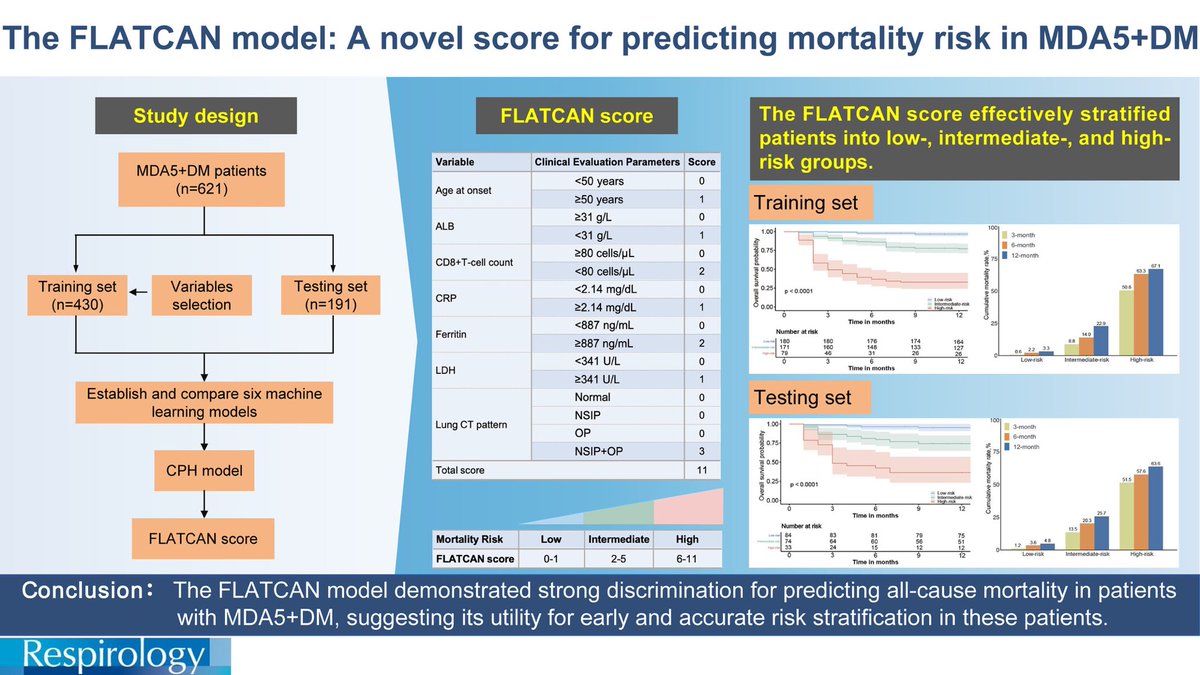
FLATCAN score is a novel easy-to-use tool for predicting #mortality risk in patients with anti-#MDA5+ #dermatomyositis that may facilitate improved risk stratification-based patient management. It incorporates 7 clínical variables associated with mortality in anti-MDA5+ DM —ferritin, LDH, age at onset, CD8+ T-cell count, CRP, albumin, and nonspecific interstitial pneumonia/organizing pneumonia overlap—, and allows patients to be effectively classified into low-, intermediate-, and high-risk groups.
*Zong C, Wu S, Zhu L, et al. The FLATCAN Model: A Novel Score for Predicting Mortality Risk in Anti-Melanoma Differentiation-Associated Gene 5-Positive Dermatomyositis. Respirology, 2025.
🔗https://t.co/nSyvmqf4o8


![LastManStand85's tweet photo. Pharmacological and [non-pharma] treatments for #ChronicPain #Fibromyalgia
[#Rheumatology, 7th Edition - Hochberg et al] What have you found has been an effective [or not very] in the treatment of your chronic widespread pain patients? https://t.co/9bNriTBoUZ](https://pbs.twimg.com/media/G5kPz3qW0AA3Iil.jpg)





![LastManStand85's tweet photo. Pharmacological and [non-pharma] treatments for #ChronicPain #Fibromyalgia
[#Rheumatology, 7th Edition - Hochberg et al] What have you found has been an effective [or not very] in the treatment of your chronic widespread pain patients? https://t.co/9bNriTBoUZ](https://pbs.twimg.com/media/G5kPz3qX0AAKvEV.jpg)