In a new Science study, researchers report that specific regions dense in cytosine and guanosine dinucleotides are epigenetically modified during inflammation to enable gene expression and that these changes persist during the animal’s lifetime.
The finding has implications for understanding how the genome determines the longevity of memory, which affects tissue fitness.
Learn more in a new #SciencePerspective: https://t.co/nFPVV17TNC
This week feels like AGI meets sci-fi.
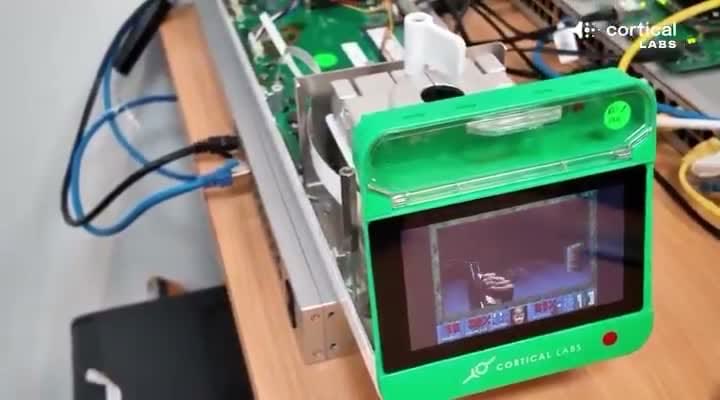
First: @CorticalLabs ships the CL1 — real human neurons grown on silicon, running DOOM. A biological computer you can buy.
(https://t.co/7W9lNauj2E…)
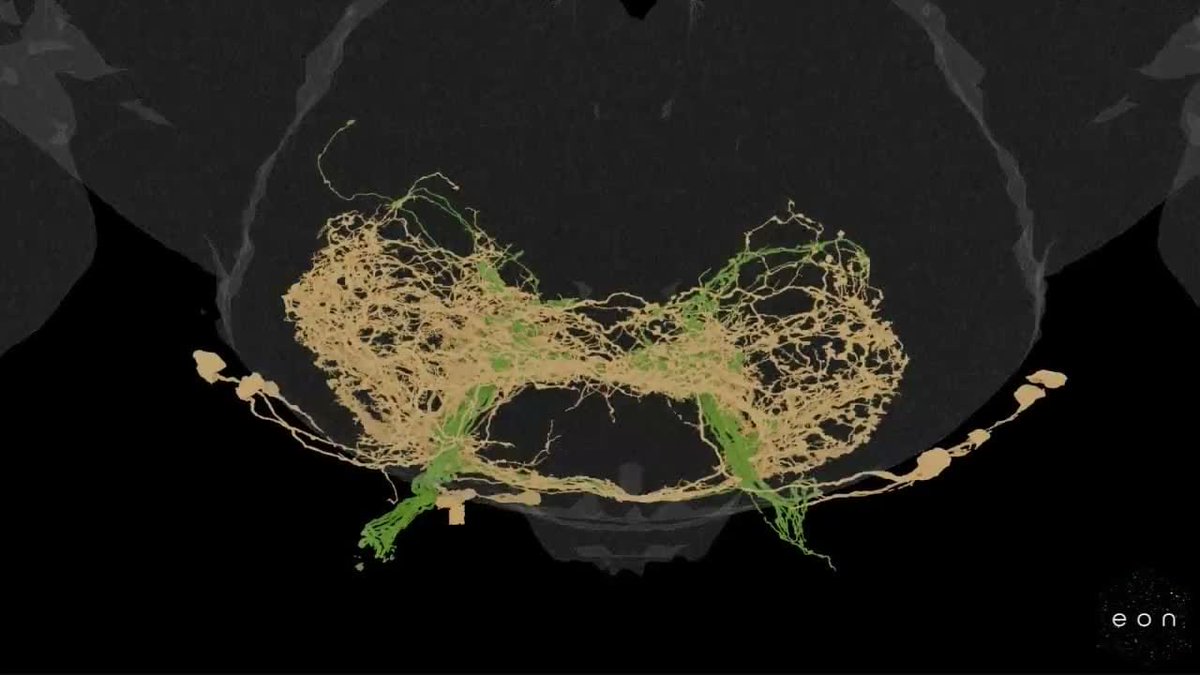
Second: Eon Systems uploads a fruit fly. They took FlyWire's complete connectome — 130,000 neurons, ~50M synapses — simulated it with a biologically realistic neuron model, and connected it to a MuJoCo body. The simulated fly avoids toxic compounds. Sensory input to physical behavior, loop closed.
(https://t.co/IE0qIcct32…)
Same week. Two completely different paths to the same place.
Cortical Labs (bottom-up): plate real neurons on a multielectrode array, give them a closed-loop environment, apply the free energy principle. No backprop. No gradient descent. They learn. The CL1 has ~800K neurons. The human brain has 86 billion. But the same principles apply.
(https://t.co/eYAEJW8otJ)
Eon Systems (top-down): take the connectome — the wiring diagram — and run it as a simulation. No real cells. Just the map, instantiated in silicon, driven by spiking neuron dynamics from real electrophysiology. Wire the motor outputs to a physics engine. Watch it move.
(FlyWire: https://t.co/pdPKRKtwkP… | Shiu et al.: https://t.co/pdPKRKtwkP…)
One starts with biology and asks what it can compute. The other starts with the map and asks how to run it.
Both are making the same bet: that the structure of biological circuits — not their wetware substrate — is where intelligence lives.
From "Dad of the Year" to deadbeat: What accounts for a doting father versus a negligent one? 🐭 New research in @Nature led by @Princeton’s Forrest Rogers finds a molecular “switch” in the brain that dictates paternal care in African striped mice.
📄: https://t.co/ZvqBdtnm3A
@StuartHameroff Stuart that is really fascinating. Do you know what the approx be a reasonable approximation of the electrical dipole moment of tubulin?
@StuartHameroff I agree but there still is limited actual physical evidence of quantum events lasting for any meaningful duration in real intact tissue. Even if it could, what evidence is there that the collapse outcomes aren’t just random? This where I am not following your logic here
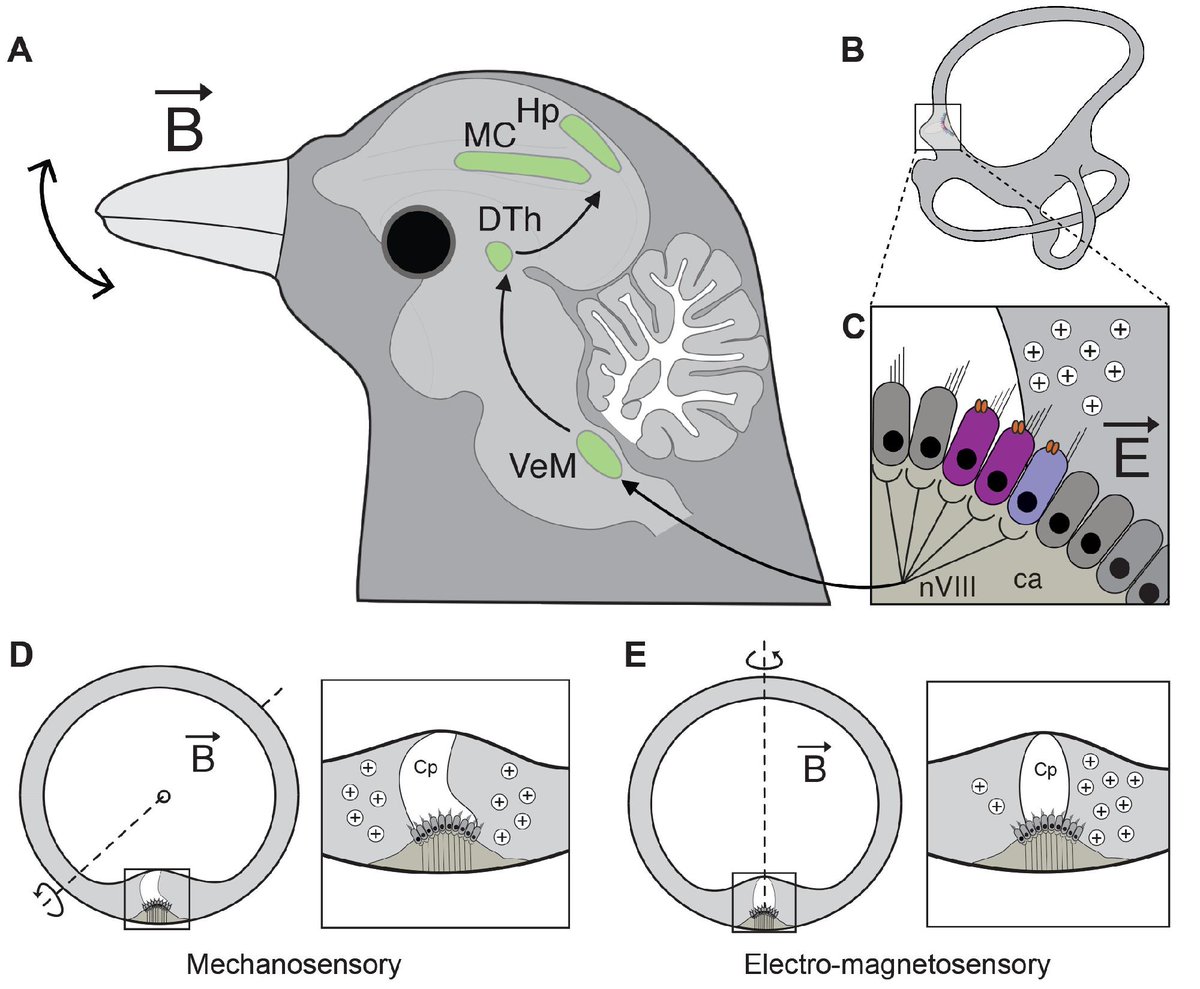
How animals detect the Earth’s magnetic field remains a mystery in sensory biology.
In a new Science study, researchers used whole brain activity mapping, tissue clearing, and light sheet microscopy to identify neuronal populations activated by magnetic stimuli in the pigeon. Learn more: https://t.co/DV1MEXigKV
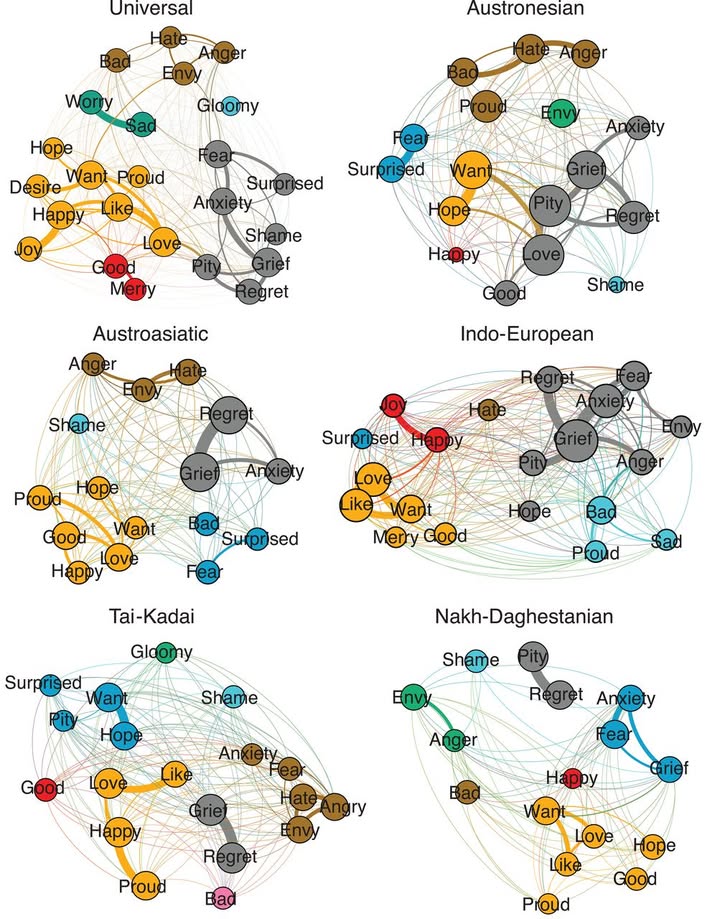
By mapping the meanings of the words used to communicate emotions across more than one-third of the planet’s spoken languages, a study in Science found that there is significant variation in how emotions are expressed across cultures. #ScienceMagArchives https://t.co/82xQ1RADHW
@StuartHameroff Interesting idea - is there evidence that microtubules can generate EM oscillations in vivo between kilohertz to terahertz range? Why do you think zero phase lag synchrony can't be explained by established neuronal network mechanisms?
We are actively recruiting graduate students in behavioural & systems neuroscience. Please share with any talented trainees that are looking for a position!
@DrNRouleau Agreed. The same issues also occur with sense modalities as well as. Vision about 100 msec vs 20-50 msec temporal integration windows. I always find it incredible how the brain solves this.