SMBs don't need a full AI department. they need someone who understands their workflow deeply and can plug AI into the gaps.
the vertical expertise is the moat, not the technology. most people overcomplicate this.
Hours of work in minutes with these 3 AI tools:
1. https://t.co/c3lsMU0HqQ
Generate images using AI
2. https://t.co/iJT5BIERuS
Takes virtual meeting notes in real time
3. https://t.co/d1GnPBx5gj
Create video with AI
4. https://t.co/ZiriMJYQpA
Writing is easy like Friday
85% of millionaires are self-made.
No Luck. No Inheritance. No Talent.
They are millionaires because they have certain principles.
Here Are 7 Rich People's Principles That You Need To Follow:
Graph Machine Learning Resources
The world is interconnected and graphs are everywhere. Deep learning is increasingly being applied in processing and analyzing graphs and alike datasets.
Here are some of the best resources for people interested in graph machine learning ⬇️⬇️⬇️
The Ancient Secrets of Computer Vision, University of Washington
A computer vision introduction course that covers ordinary image processing techniques and deep learning techniques & architectures for vision.
Videos: https://t.co/SqnCS7LQa0
Website : https://t.co/QP5v32lH7N
Self driving cars full course - Tübingen Machine Learning
Self-driving cars is one of the major applications of AI. For anyone interested in driverless cars, here is a great and free course that covers "the most dominant paradigms of self-driving cars".
https://t.co/bvL18SrUnf
After 8 years working as a data science consultant for @IBM , I learned a lot and I want to share with you:
My 3 simple steps recipe to become a data superhero🦸♀️🦸🦸♂️:
All 3 steps below in the thread ����
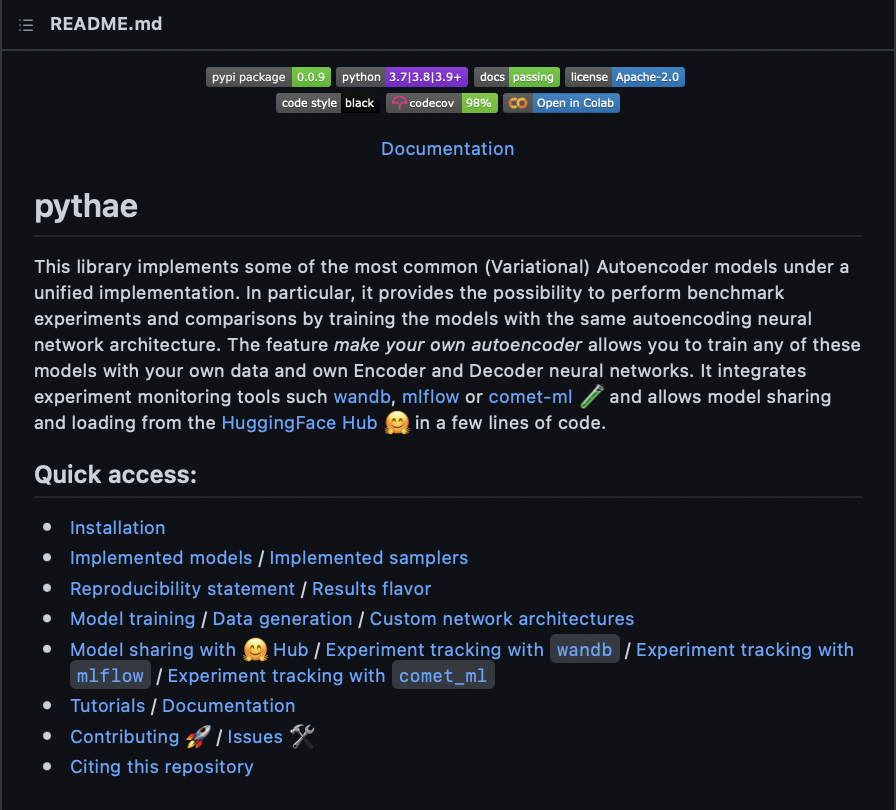
Pythae - a great library that provides unified implementations of normal & variational autoencoders(VAE). The library allows inference & training on custom data(with a custom encoder and decoder). Also provides notebooks that walkthrough available models.
https://t.co/2iSm0JTHOT
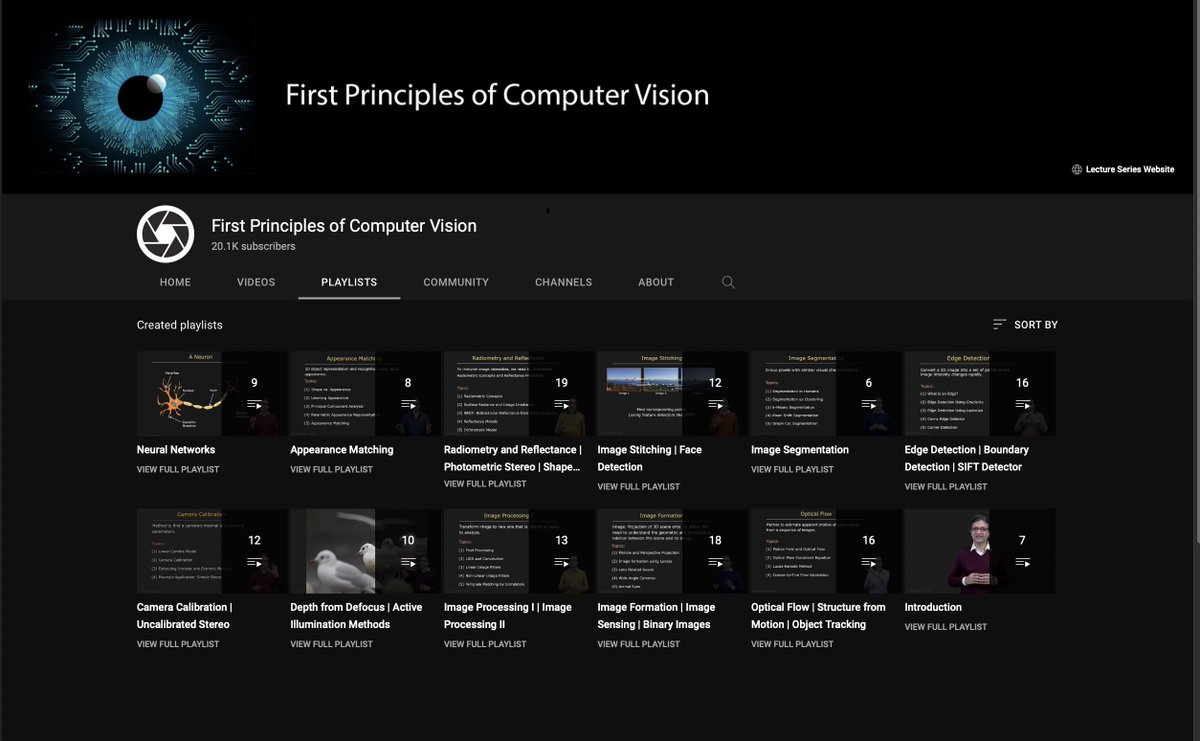
First Principles of Computer Vision, Columbia University
Really nice lectures on the physical and mathematical foundations of computer vision.
140 videos that you can watch at your pace. Slides are also provided to follow along ⬇️⬇️