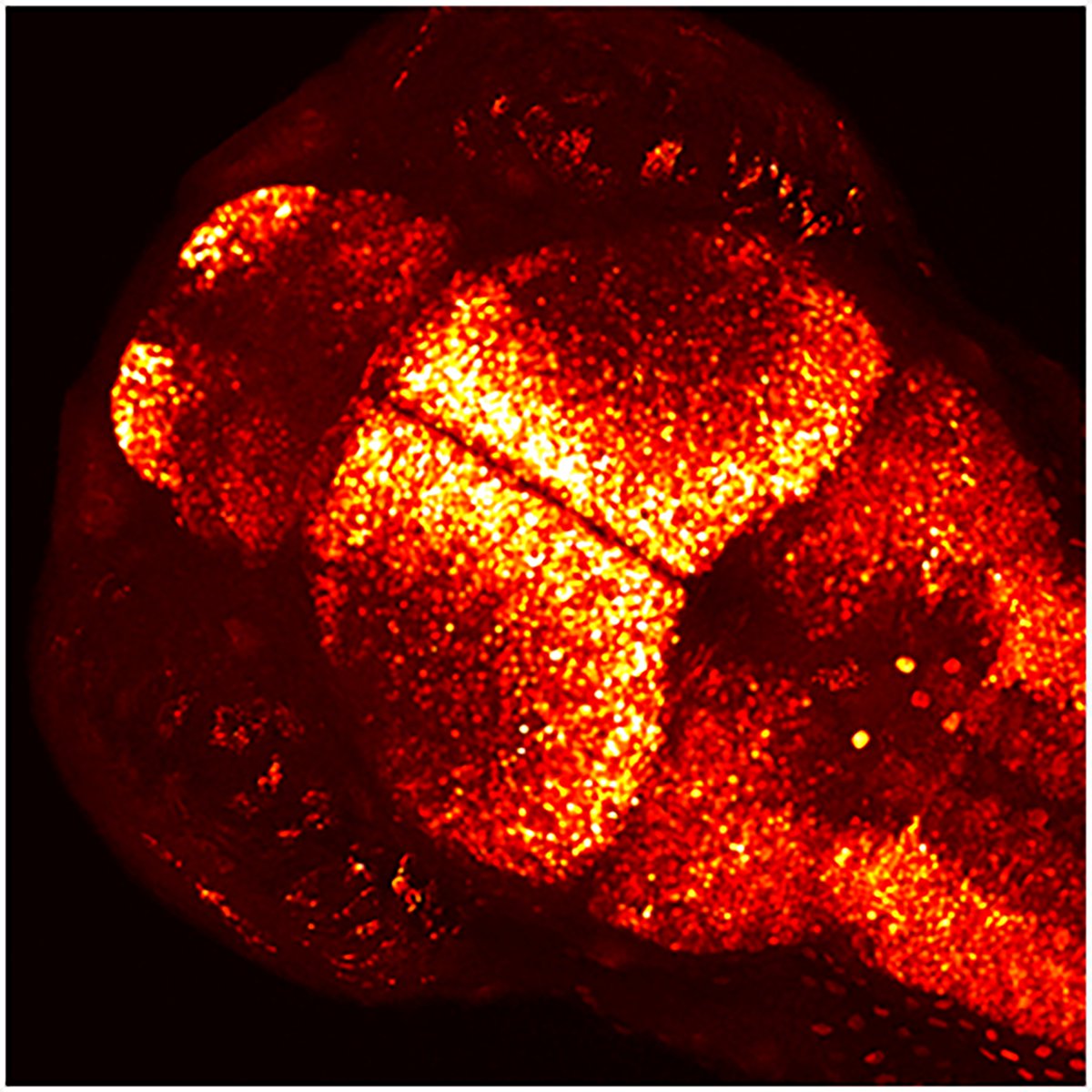
Do you want to change the color of your biosensor on demand? Still have a large dynamic range?
Check our preprint on ChemoX! More about it in the thread! (1/7)
Congratulation to the team, in particular the twitterless Lars Hellweg.
https://t.co/7y6Tp16oAd
In our new preprint, we describe a general strategy to transform rhodamines into highly fluorogenic and blinking probes optimized for different imaging applications and labeling systems. https://t.co/9ujopOLJCJ
My first tweet ever to guide you to our new pre-print about a side-by-side kinetic and structural characterization of HaloTag7, SNAP-tag and CLIP-tag. Now available on biorxiv!!
https://t.co/GuKE0wpuar
Excited to share the results of a collaboration with the group of Michael Hottiger (University of Zurich). Measurements with our #NAD biosensor support the idea that mitochondrial NAD is a source for nuclear ADP-ribosylation
@mpi_mr_hd
https://t.co/ZehYBXcNZL
I am excited to share our most recent work from the
@baurlab published @nature revealing SLC25A51 expression regulates mitochondrial NAD+ levels and encodes the mammalian mitochondrial NAD+ transporter. #NAD#mitochondria#metabolism
https://t.co/WIoh4ClSmF
📢JOBS! Our Department of Chemical Biology is looking for a #postdoc and a #PhD student in chemical neurobiology to develop novel chemogenetic tools for the analysis of neuronal activities in animal models. Apply now if interested!
https://t.co/qSXKxQZWtr
https://t.co/WANxaKuBZw
📢Great news! Our first article highlighting @RESOLUTE_IMI mission is now published in @NatRevDrugDisc‼️ This represents an important milestone to create awareness on #SLC#transporters research! Check it out: https://t.co/TN2MEe1POk. Please spread the word! #openscience.
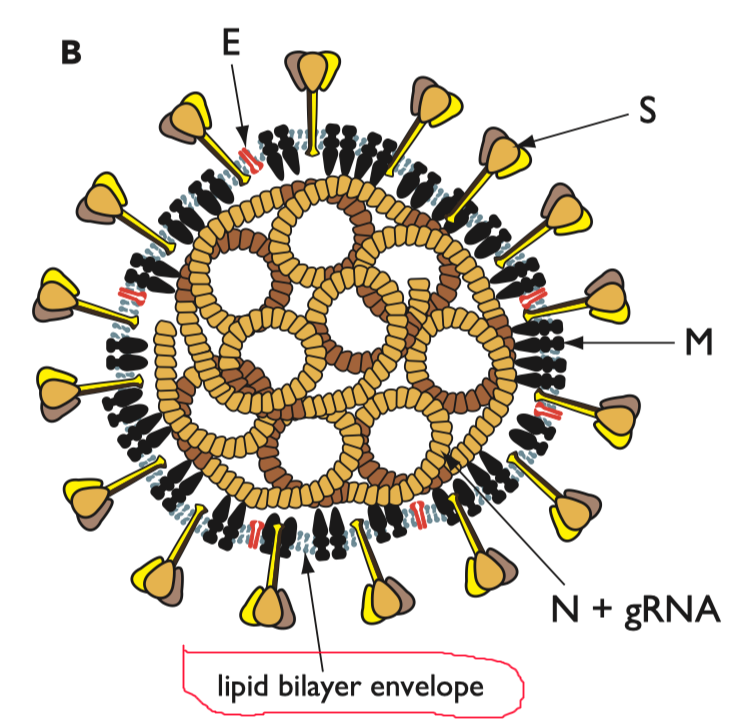
1/25 Part 1 - Why does soap work so well on the SARS-CoV-2, the coronavirus and indeed most viruses? Because it is a self-assembled nanoparticle in which the weakest link is the lipid (fatty) bilayer. A two part thread about soap, viruses and supramolecular chemistry #COVID19
🧪 Request a reagent! You would like to try out a biosensor, biomarker, etc. from our Department of Chemical Biology for one of your experiments? 📨Just send an e-mail to [email protected].
https://t.co/1Q8L6RO8Ry
So true. Most new group members are surprised (and somewhat relieved) to learn that the vast majority of our experiments fail, even though most projects eventually succeed. The essence of experimental science is observing, carefully analyzing, and learning from repeated failure.