@Kiwi_Nod@pharos_network The 80.3% & 15.8x Receipts: These are sourced from the Pharos Store Architecture Paper, specifically the section on 'Authenticated Data Structure (ADS) Pushdown.'
🔗 https://t.co/WfnJ7bS4Fv
@Kiwi_Nod@pharos_network "The benchmarks I'm tracking are the Pharos Testnet v2.1 Metrics and the Pacific Ocean Mainnet Genesis Report.
The GPU-parallel architecture doesn't just process transactions; it enables 15.8x higher I/O because Pharos Store utilizes Concurrent Read-Write access.
@Kiwi_Nod@pharos_network "The 80.3% reduction specifically refers to Pharos' storage efficiency over traditional MPT (Merkle Patricia Tree) structures, as detailed in the Pharos Testnet Performance Benchmarks.
Unlike Ethereum’s state bloat issues, Pharos utilizes a GPU-like parallel architectue.
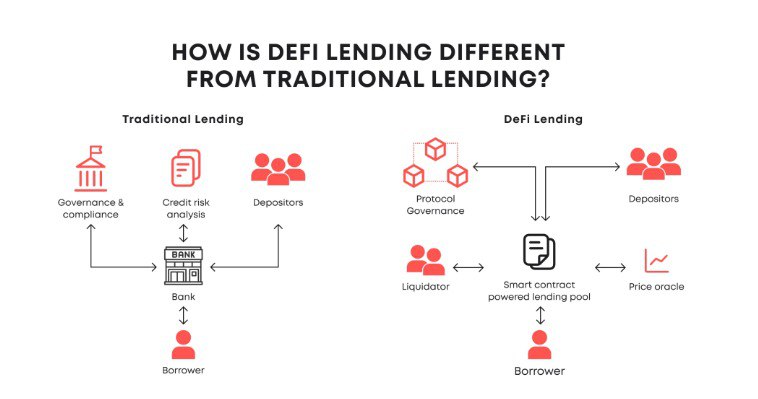
DeFi lending still treats risk like it’s static, markets aren’t
Collateral ratios and rates shouldn’t be hard-coded, they should adapt
When volatility spikes, risk controls tighten
When markets calm down, capital gets cheaper and more accessible
That’s how you prevent liquidation cascades without killing demand
This is where @OpenGradient is pushing things forward: volatility-aware models that dynamically adjust collateral requirements, plus AI agents that help borrowers decide when not to borrow
Smarter risk isn’t about higher APYs
It’s about lending that survives real markets
I’m starting to see @SIXR_cricket choosing TON not as a tech move, but a behavior move
TON lives where attention already is
Telegram it’s a daily habit
And for cricket fans, it’s already the live arena: match chatter, debates, predictions, instant reactions
When massive cricket communities already gather in the same channels every day, distribution stops being a challenge
You don’t drag users somewhere new, you build directly into their routine
That’s the quiet edge
$SIXR isn’t onboarding users
It’s onboarding behavior
Liquidity reacts to volatility
When markets heat up, LPs either widen spreads, raise fees, or pull capital to avoid getting picked off by adverse selection and impermanent loss
Volatility is the risk signal
That’s where @OpenGradient comes in
Their work shows how ML-driven volatility forecasting can power dynamic AMM fees, adjusting in real time instead of guessing after the damage is done
Now they’re pushing it further with AI agents that manage LP positions for you:
> deploying idle tokens
> pricing risk continuously
> stepping back when volatility makes LPing unattractive
Smarter liquidity isn’t about more capital
It’s about knowing when and how to deploy it