Reconstructing historical buildings/urban landscapes to the best of my current ability; expect blocky results. History Graduate at the University of Bristol.
Up to my neck in work so relaxing with small projects.
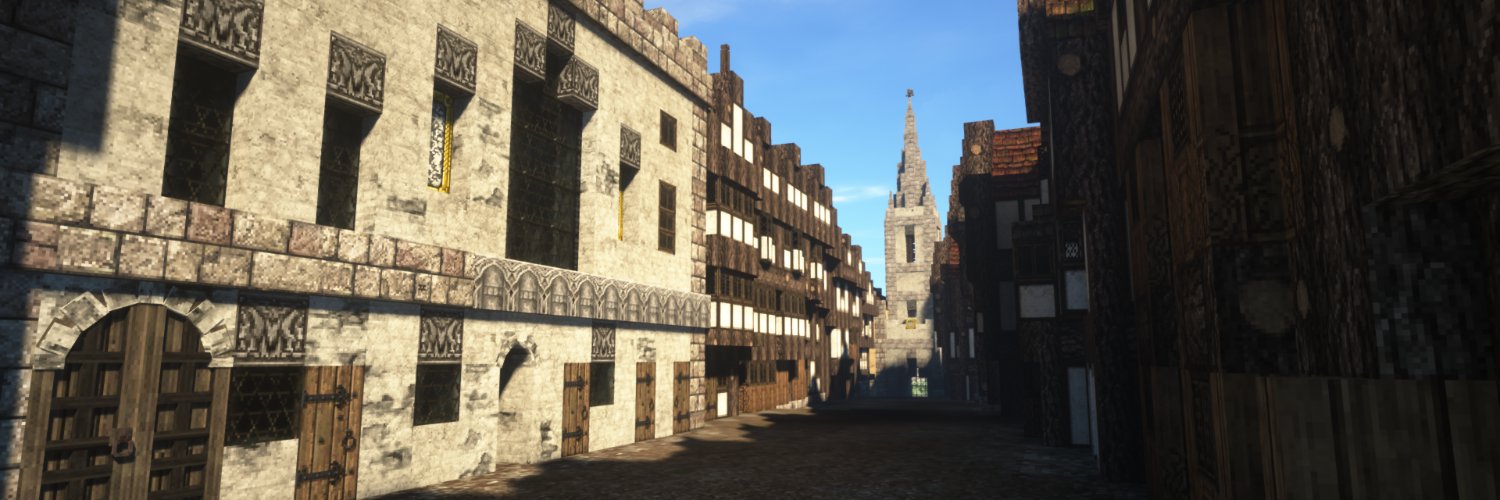
Medieval Clifton (Bristol) was situated between future Goldney Hall and St. Andrew's church. It remained small until tobacco/slave money funded expansion later on due to its proximity to Hotwells springs (previously marsh).
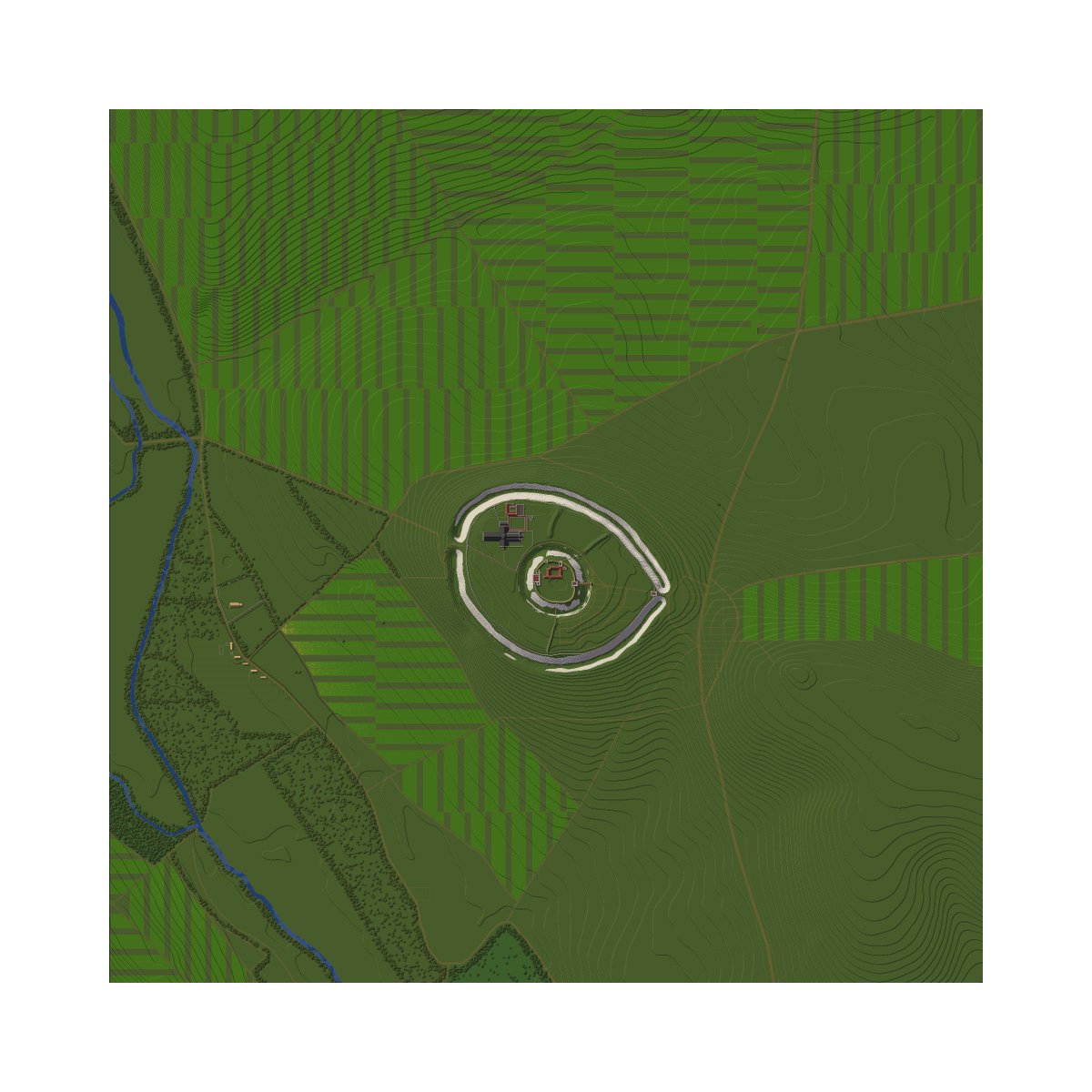
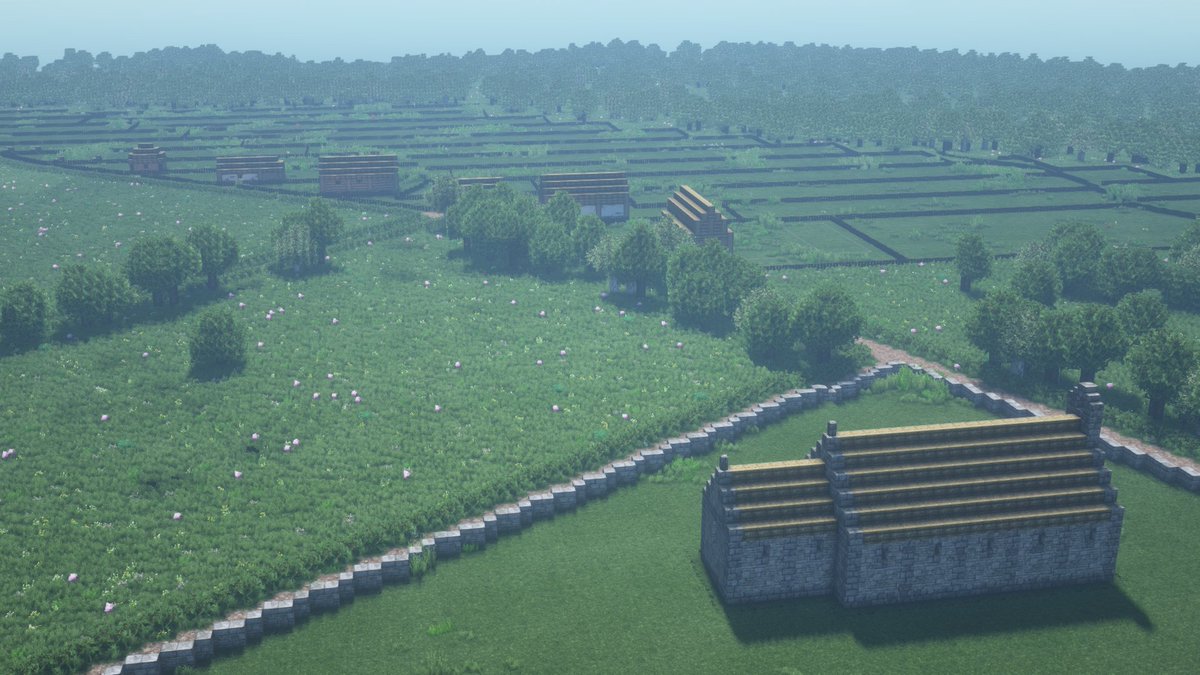
A demo section of the Sarum Minecraft map, including Winterbourne Ford. I'm not an archaeologist (regrettably) so everything is based on history books, old maps and guessing. Not sure what to do with this; maybe a medieval RPG server? I'd expand the map but I'm not sure why yet.
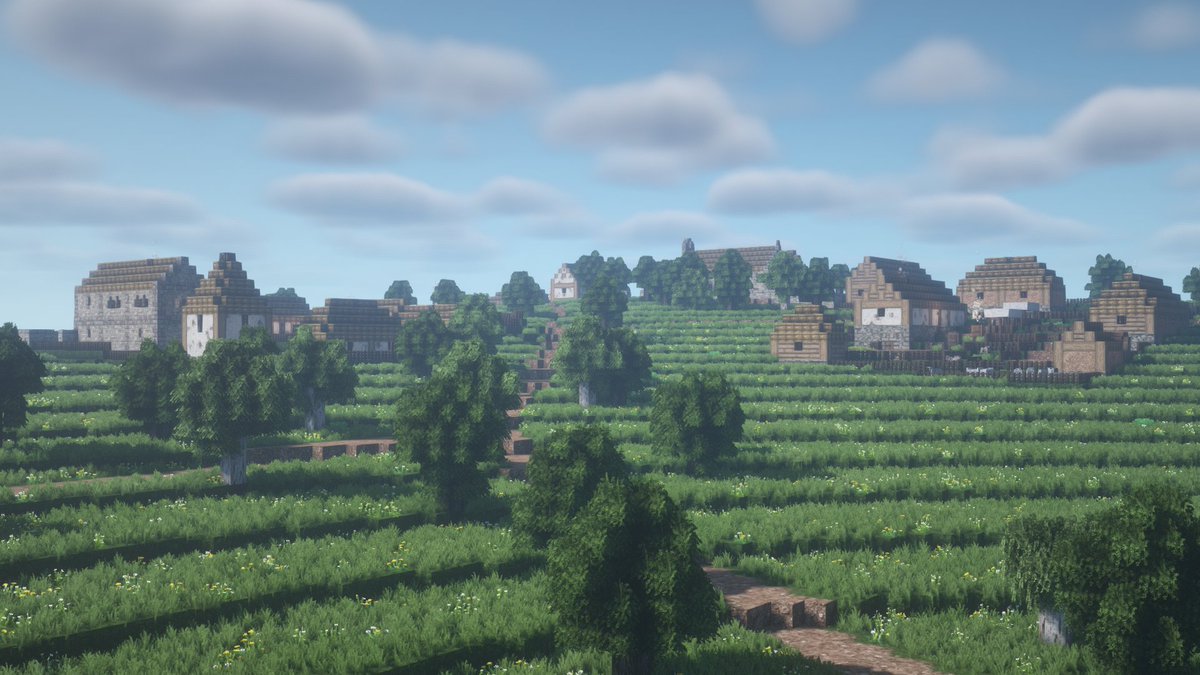
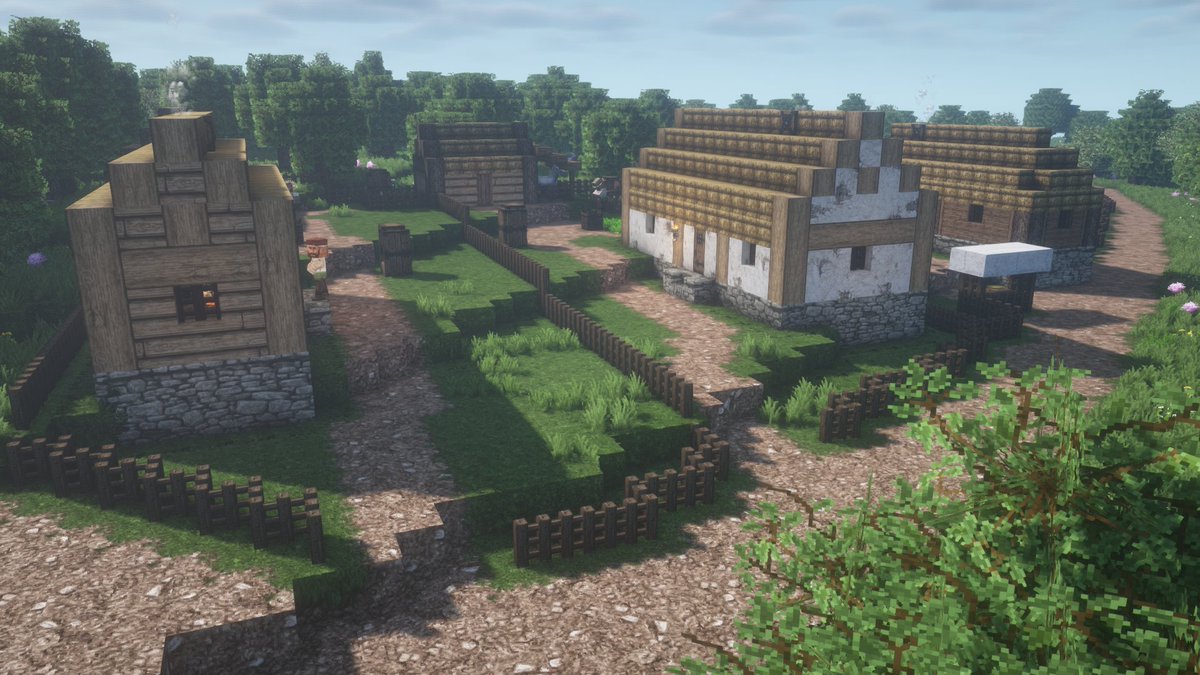
Been focussing entirely on essays this week but now it's all done, I quickly finished off the hamlet of Winterbourne Ford. Given its small size, it isn't surprising that there's no church or manor here. What wasn't produced locally would have to be bought at Old Sarum's markets.
The small hamlet of Winterbourne Ford (now called Ford) was one of many around Sarum. Each household had a croft containing their house, barn, garden, livestock and other property. Convenience took priority over aesthetic and houses were built cheaply of timber, wattle and daub.
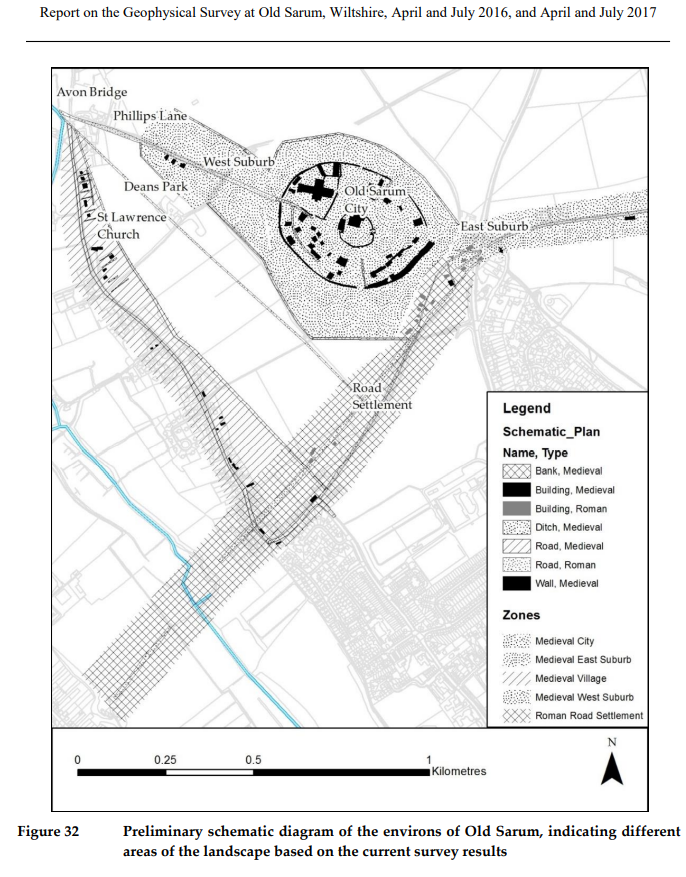
After discovering a bunch of archaeological surveys online, I've found that the extent of settlement around Old Sarum was much larger than I previously thought. What was once just two small settlements now looks to be a large city with multiple suburbs.
This will take a while.
@castle_sub The basic idea currently is cottages that line the road with tofts/crofts, surrounded by meadows/managed woodland with fields slightly further out based broadly on current/old maps. The church is a typical Norman design that follows the footprint of the current one.
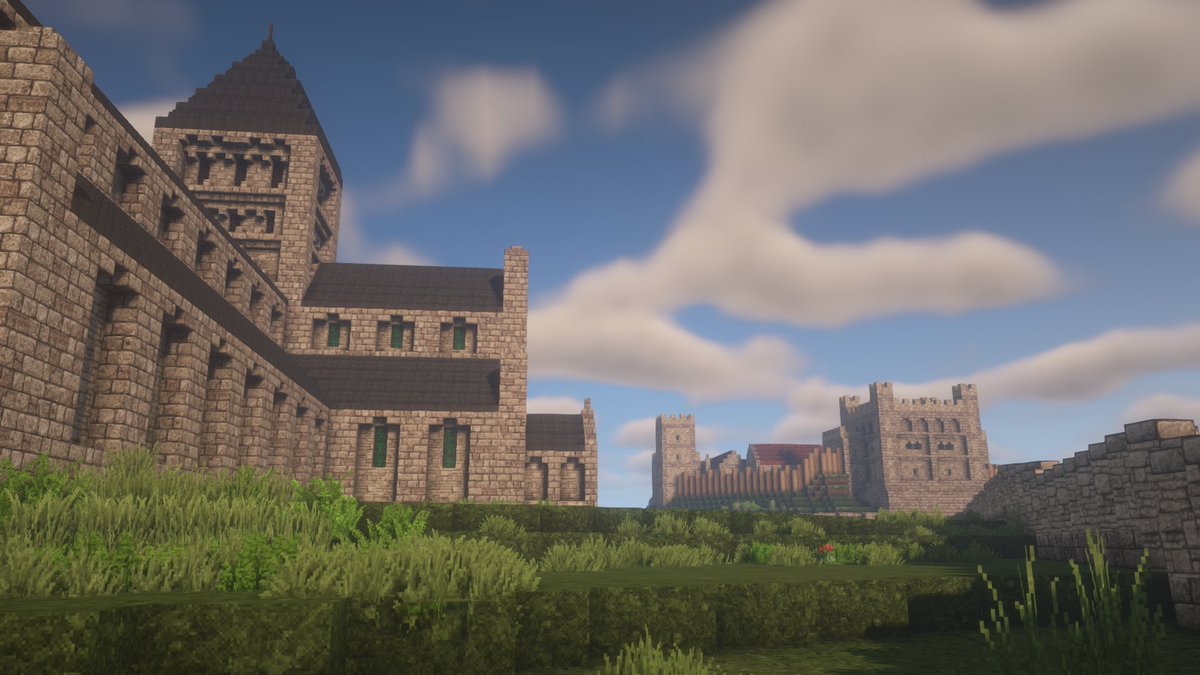
Old Sarum, 1150AD; the medieval town at its height after Bishop Roger's works. This included the stone wall encircling the iron age ramparts, as well as a huge expansion of the Cathedral. Within a century, the cathedral would be gone and a new one would replace it in Salisbury.
@castle_sub Glad you’re interested! Those images are part of a bigger source base alongside the Old Sarum guidebook, 19th century maps and other sources. I’m also building the medieval village of Stratford-sub-Castle on this map so if there are any resources you know of I’d love to see them!
@yawn_brendan Indeed, the iron-age earthworks enhanced the defensiveness of the walls which were originally timber. Fortunately, they were never put to the test since they were never attacked. Sarum was gradually abandoned and demolished after the 13th Century when everyone moved to Salisbury.
@yawn_brendan The walls are standard for English city walls in the 12th Century; approx. 2m thick with a stone walkway behind the battlements. There's not much surviving masonry but it seems unlikely there were towers except a gatehouse in the east side (WiP, building west-east).
Went a bit crazy with this #Minecraft build. Very much WiP and likely will be for some time due to exams. 4km2 of authentic medieval landscape including open fields and settlements. Hoping to release one day as a server; watch this space! @EnglishHeritage @EHOldSarum
@EHOldSarum, 1140AD. The powerful Bishop Roger of Sarum had expanded the cathedral and castle in the decades prior. Aware of the threat the bishop posed, King Stephen stripped him of his castles in 1139; defeated, Roger died at Old Sarum 11th December that year. (Built by me)
Tragic. Any development should have been more respectful towards the context of the area. There will be almost no trace of the heart of old Bristol behind these glass monoliths.
We shouldn’t have to depend on the digital realm to discover and explore our urban heritage.
We are disappointed with @BristolCouncil's decision to approve proposals for the redevelopment of the site around the ruins of St Mary le Port church.
This scheme will cause irreversible harm to the historic heart of Bristol.
https://t.co/np9oM2nvOA
Today MPs are proposing legislation enabling street votes and mansard votes. I believe this is the most important opportunity for the urban future of England that we have had in many decades. Support is very warmly appreciated. Details: https://t.co/r1N0J7H0Vk
@NickHowes13 Agreed, as was likely the case with most/all stone buildings in medieval England. Rendering the exterior walls them appear cleaner and more impressive.