@VoyaWolfProject@nywolforg#advocate
I joined Twitter for the writing community. Things changed soI’m branching out.
This message is more important than my comfort zone. After watching, I’m sure will agree on many things, including the threat of world domination from 🐓
People have no idea how much work goes into writing a book.
Months, sometimes years, of thinking, rewriting, doubting, & starting over.
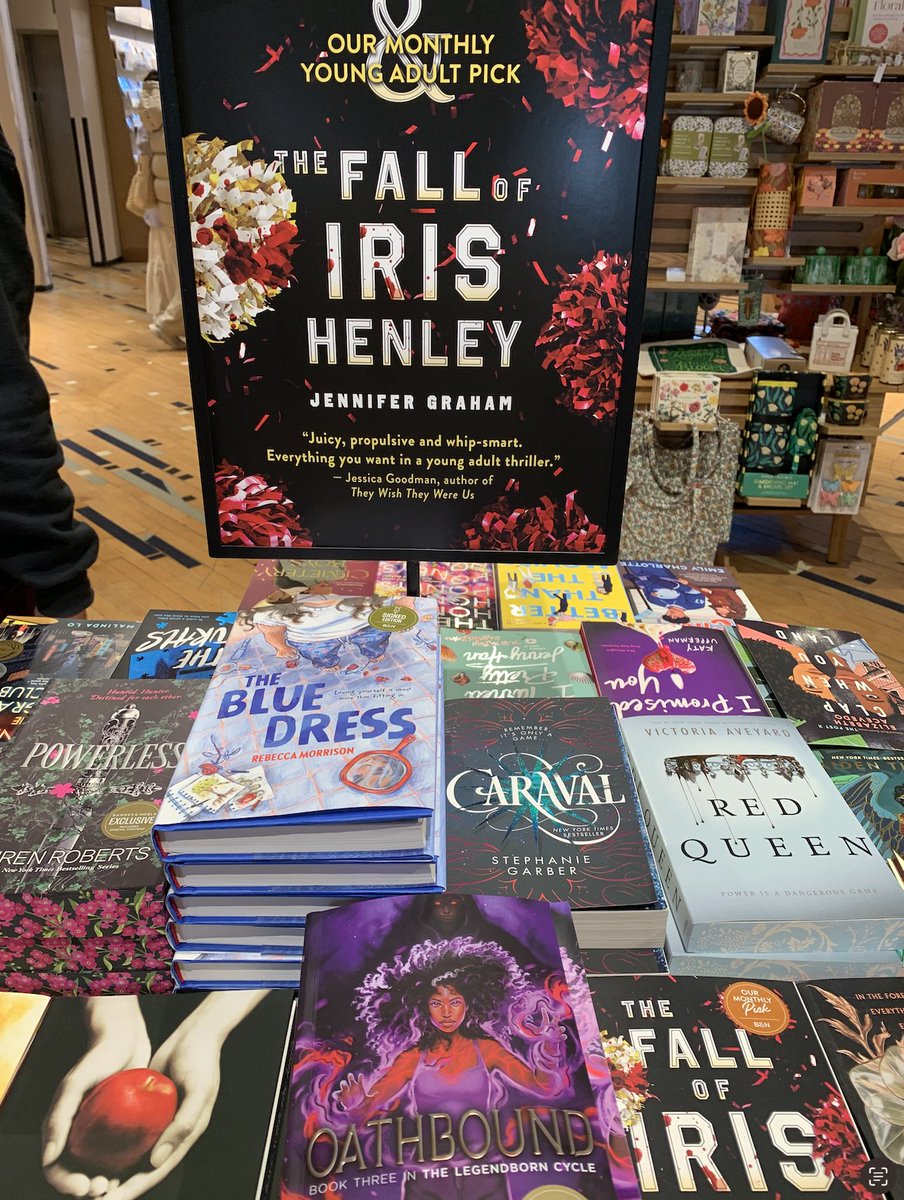
If a book moved you, show it. Rate it. Write a review. Share it. Recommend it.
And if you can, buy it.
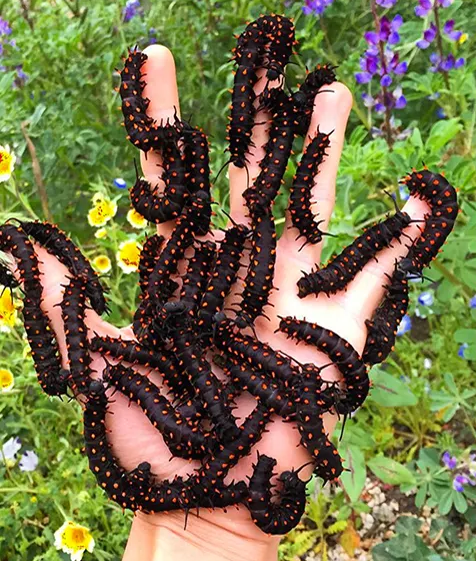
Tim Wong noticed the California pipevine swallowtail butterfly had nearly vanished from San Francisco.
So he did something about it.
He tracked down the one plant the caterpillars can eat — the California pipevine — got cuttings from the botanical garden, and built a backyard enclosure from scratch.
He started with 20 caterpillars and has now raised thousands. Every year since 2012 more butterflies have been spotted flying free in San Francisco.
Conservation doesn't require a big organization. It can start in your backyard too.
Planting the right native host plants (even in a pot or small patch) is one of the simplest ways to help butterflies like this.
What's one native plant you're growing this spring?
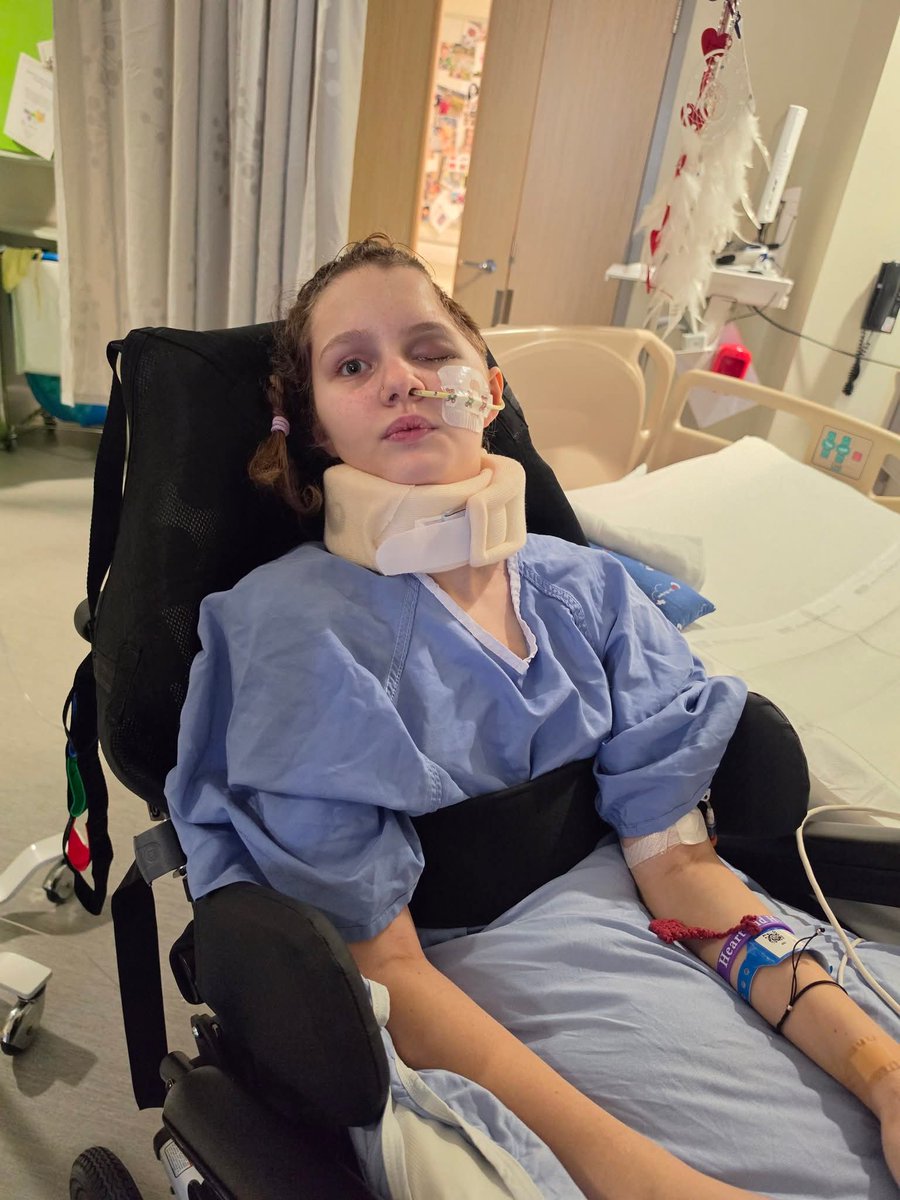
Update from Maya's father:
Yesterday was a big day for us. We transitioned out of the ICU into a more recovery and rehab-focused unit, and it’s now been 26 hours since Maya’s EVD was removed for the second time. So far, everything is looking positive. She doesn’t seem to be in as much pain, and we’re starting to see a little more energy and color come back. She’s still not a fan of the boot for the pressure sore on her heel doing her best to kick it off whenever she can but her movements are becoming much more intentional.
Our time in the PICU, for lack of a better word, has been a whirlwind filled with both highs and lows for Maya, but slowly we're making some more progress.
And then came a moment today that completely overwhelmed me. OT and Physio came in, and with their help, Maya was able to sit up on the edge of the bed. This was huge for two reasons. First, she was using her own muscles to help support herself (with assistance), and second… I was finally able to wrap my arms around my daughter. Really wrap my arms around her and hold her tight.
I can’t even begin to put into words what that hug felt like. All I wanted in that moment was to lift her up, hold her close, and never let go.
We’re getting there, Dads little Maya Bear 🐻 I love you so much ❤️
#IranMassacre
Our country is vulnerable & the potential targets wouldn't be targets if the didn't aid Israel and support the current mad administration.
@Microsoft@Google@amazon@IBM@Tesla
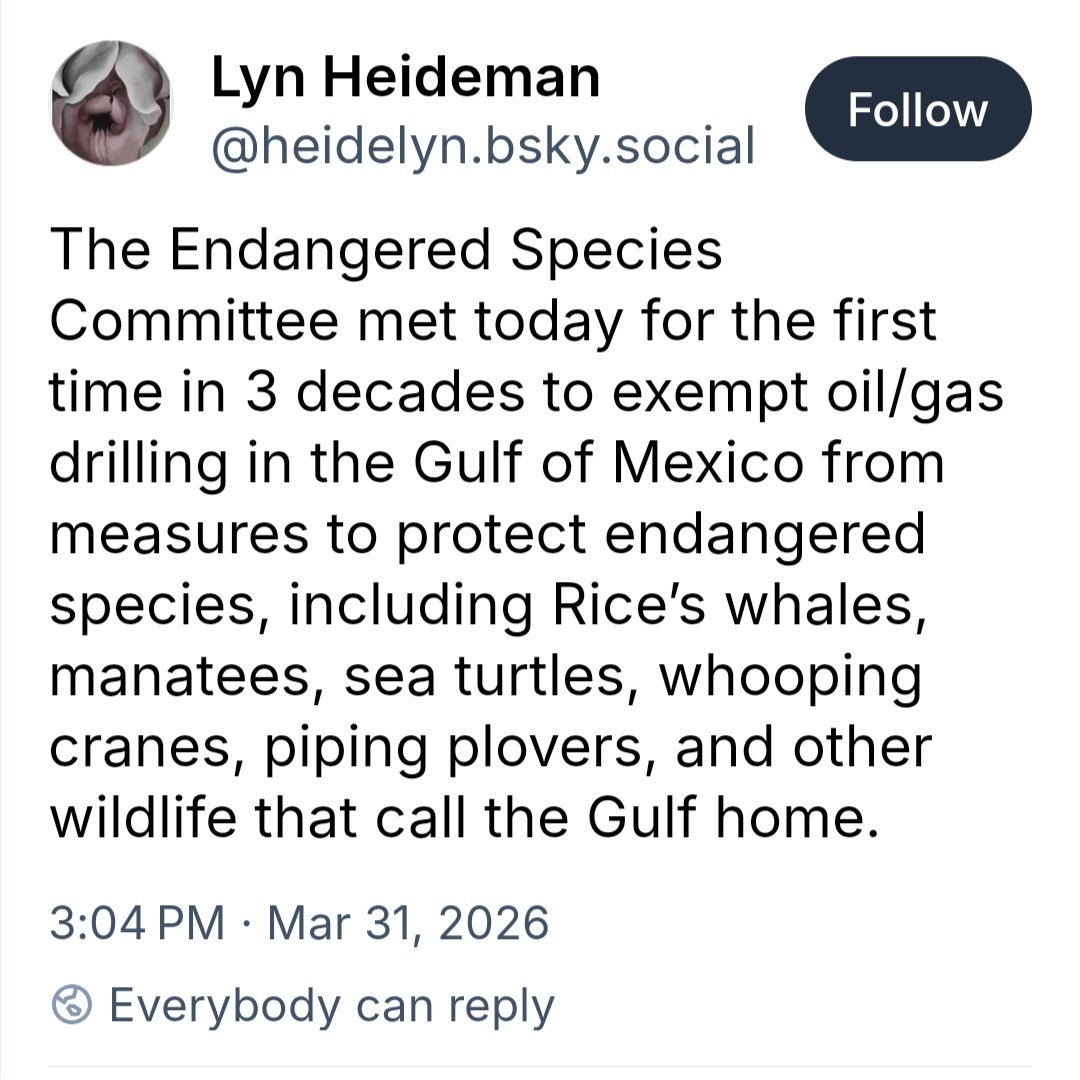
#EndangeredSpeciesAct
The Trump administration hates life. Their every act is the end the world, end the beautiful, end the innocence, end the just, and end the future. Since they won't live to see it--neither should our children, or the miracles the sea. #bigoil
@brucefenton@jacksinghmarket You selected a morally repugnant candidate, and then you name call the reasonable alternate who spent her entire career prosecuting criminals.
I'm not kidding, the only way to avert a devastating global energy crisis and war is to leak the Epstein files and remove Donald Trump from office. It needs to happen right now
The Tongass is the worlds largest intact temperate rain forest IN THE WORLD, and a globally significant ecosystem as it serves as a major carbon sink, storing more biomass per acre than many tropical jungles.
You don't hate this regime enough.
#PublicLands
Two-year-old Kaleth is being locked away at the Dilley trailer prison. He is getting sicker with each passing day. He will not eat the food CoreCivc serves, which detainees have said sometimes has mold and worms. He now has a fever. When his mother asked for help, the staff said it was all “mental.” A vulnerable child at the Dilley trailer prison was suffering and ICE denied their reality and their needs. It’s shameful and must stop.
I am calling for ICE to provide proper medical care to Kaleth and to release him and his mother Joani immediately.
The current DHS map shows a border wall ripping through this exact stretch of river in Big Bend Ranch State Park. They’ve awarded a $1.2 billion dollar construction contract. They’ve waived every single environmental law to rush the project. We could lose this river forever.
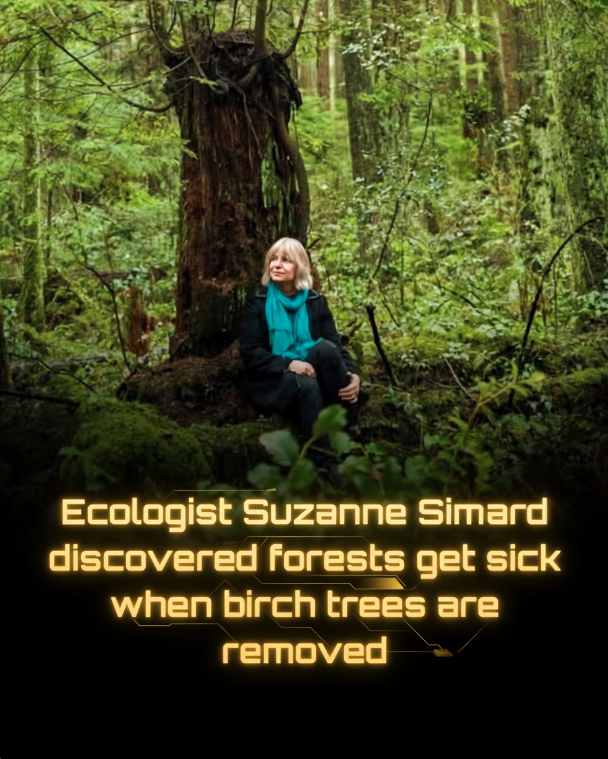
In the 1990s, Canadian ecologist Suzanne Simard made a groundbreaking discovery that challenged everything we thought we knew about how forests work. While studying managed forests in British Columbia, she noticed something puzzling: when birch trees were removed to promote the growth of valuable Douglas firs, the firs did not flourish as expected — they actually struggled and grew more slowly.
Determined to understand why, Simard traced the movement of nutrients using radioactive carbon isotopes. What she found was astonishing. Trees were actively sharing resources through vast underground fungal networks known as mycorrhizae. These delicate, thread-like fungi connect the roots of different trees across the forest floor, forming a complex web that allows the exchange of carbon, water, nutrients, and even chemical signals — sometimes between entirely different species.
She discovered that older, larger trees often serve as central "hubs" or "mother trees," supporting younger saplings by redistributing vital resources and helping the entire ecosystem remain resilient. When these key trees are removed, the underground network weakens, and the health of the remaining forest declines.
Simard’s research overturned the traditional Darwinian view of forests as battlegrounds of ruthless competition. Instead, she revealed a far more sophisticated reality: forests operate as highly cooperative systems where trees communicate, support one another, and even warn neighboring trees about threats like drought, disease, or insect attacks.
What appears to the human eye as a silent, still forest is, in truth, a vibrant, interconnected living network — built not on isolation and rivalry, but on deep connection and mutual aid.