This is really stupid, and it’s not getting enough attention.
The Trump administration is pulling a working $368 million ocean monitoring system out of the water, equipment taxpayers already bought, built, and sank into the deep ocean.
And they are doing it right when the oceans are behaving in ways that alarm the scientists who study them.
Record-breaking temperatures.
A system of Atlantic currents that may be lurching toward collapse.
The response?
Yank out the instruments and walk away.
That is not budgeting. That is smashing the gauges while the engine is on fire and calling it efficiency.
For what? The Trump administration dressed it up as a “nimbler approach” and “smart lifecycle management,” which is fancy nonsense for “we shut it off and hoped nobody would ask why.” There is no return-on-investment analysis. They cannot show taxpayers save a dime, because the gear is already paid for and the science it produces protects real money and real lives.
The kicker: the same people killing the monitors want to mine the deep sea for minerals. So they are destroying the only tools that could measure what that mining does. That is not an accident.
That is the point. You cannot see the damage if you break the instruments first.
https://t.co/MzE4AW1QBv
CICOES is proud to share that Fred Averick, our Assistant Director of Finance and Administration, has received the University of Washington College of the Environment's Distinguished Staff Award. Congrats, Fred!
Read more:
https://t.co/y8H7OTGBhI
Today is #HuskyGivingDay, and your gift to CICOES can make a lasting impact. When you give, you power our people, programs and possibilities.
Support CICOES today to contribute to our research and education goals:
https://t.co/H50Yqtek1f
The first-ever CICOES summer intern, Angel Adames-Corraliza, won a 2025 MacArthur "Genius" Award. Learn more about his journey from the most recent issue of UW Magazine:
https://t.co/JTh2FB3EDj
WA’s drought deepens and the summer forecast offers no respite via @seattletimes
Karin Bumbaco, deputy state climatologist, says the driest part of our year is just getting started. https://t.co/NsREeRn5GB
I'm not sure people realize how much of the important work NOAA does comes from CI employees. In fact, given that federal jobs have always been hard to get, a lot of the young, hungry, productive people are in CI roles. Getting rid of CIs would be a death blow to NOAA's research base.
“Our results imply that, rather than a substantial decline, the AMOC is more likely to experience a limited decline over the 21st century — still some weakening, but less drastic than previous projections suggest,” says David Bonan, @CICOESresearch.
https://t.co/zo7rpFgugO
Above, you can listen to two of the recordings the team documented during their study.
Learn more about this remarkable observation: https://t.co/jgxaRGx4QR
#$%!. This looks apocalyptic for NOAA's climate research.
Trump's near-final budget proposal would end NOAA research labs, academic institutes, and regional climate centers.
https://t.co/PNUjd0R6zt
NIH indirect costs fund the backbone of research: maintaining labs, ensuring safety, and supporting admin work. These are essential for groundbreaking discoveries. Drastic cuts to NIH indirect rates are detrimental to academic biomedical research.
How fast the level of CO2 goes up matters for the ability of humans and ecosystems to adjust. Camille Hankel, a researcher at the Cooperative Institute for Climate, Ocean and Ecosystem Studies, talks about her research on Atlantic Ocean circulation.
https://t.co/2AZqoW7rcE
The PNW will likely experience a weak La Niña this winter according to climatologist Karin Bumbaco, which probably means cooler temps and more rain.
Here's more about what our @WAstateclimate researchers are thinking about for our region: https://t.co/nkbp3spJRQ
BEARINGS w/Denise Kester: Denise talks about that path that led to her job as a research scientist with CICOES and offers advice for young people interested in a career filled with travel and discovery. https://t.co/EKrpM3cPyG via @YouTube
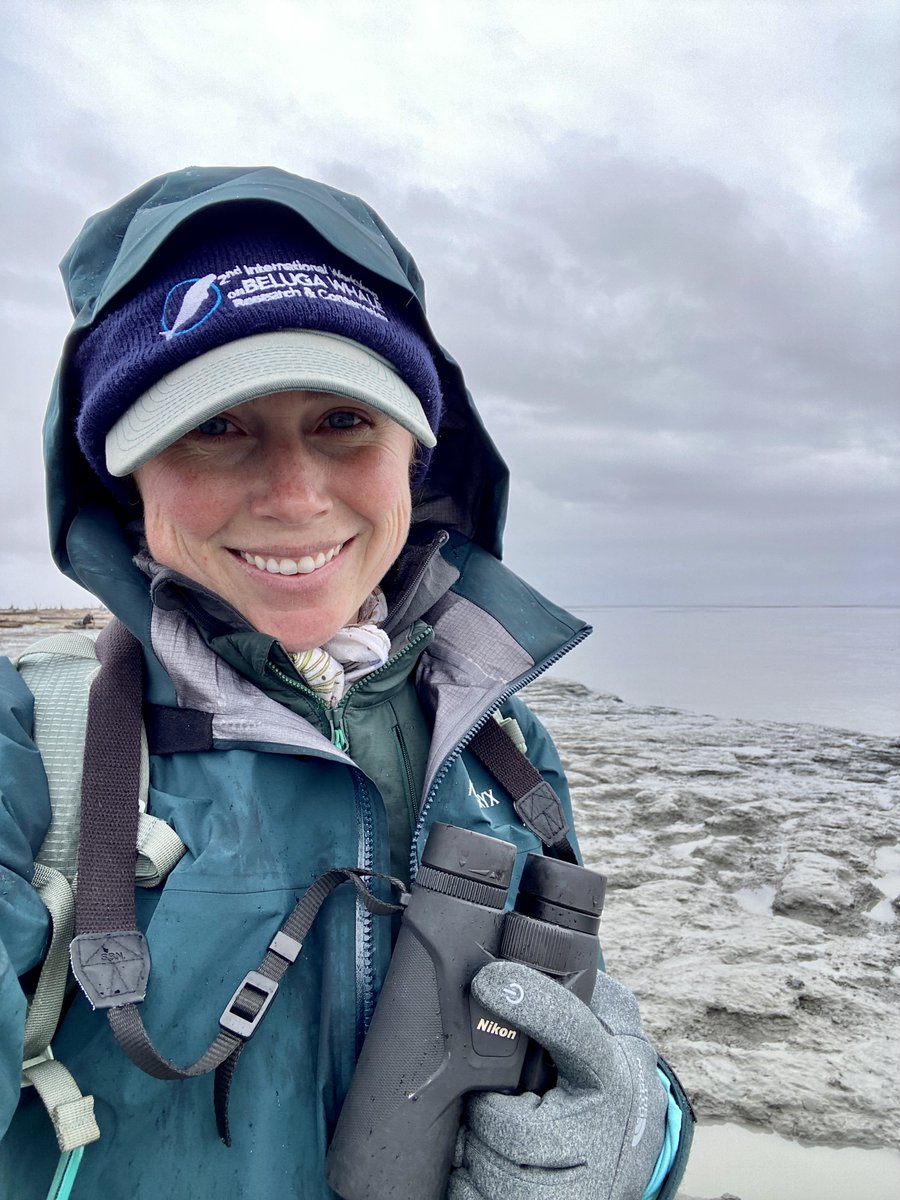
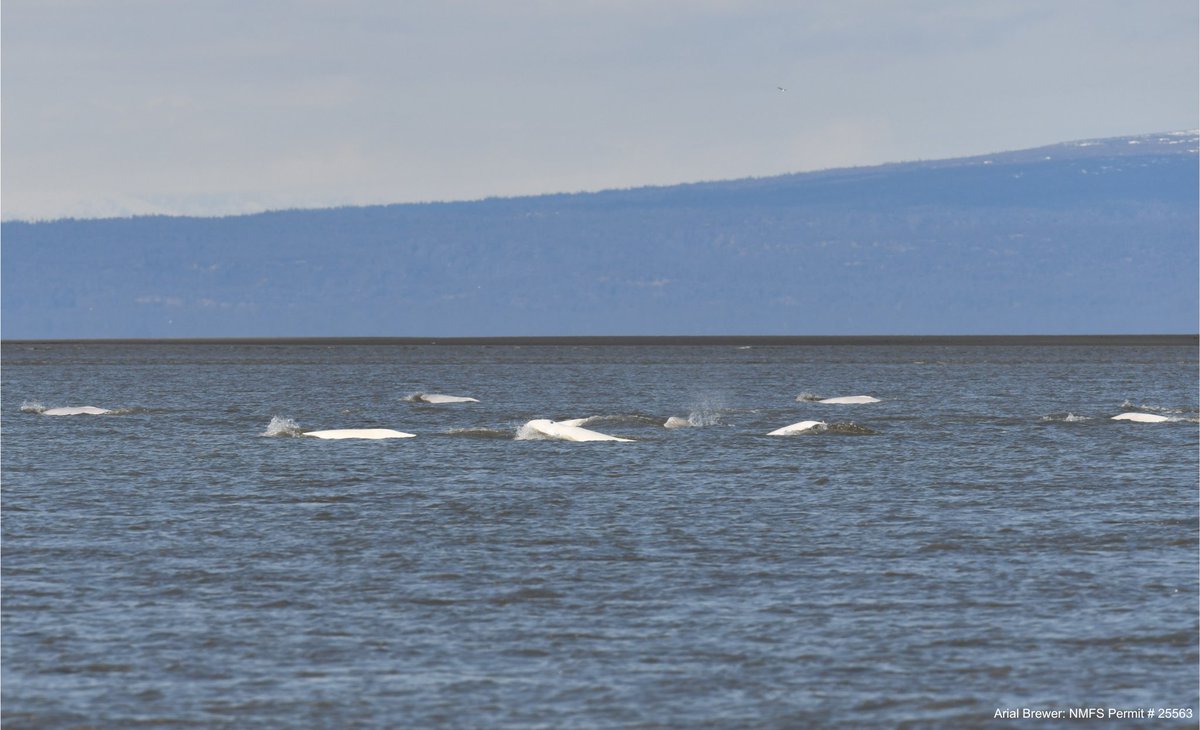
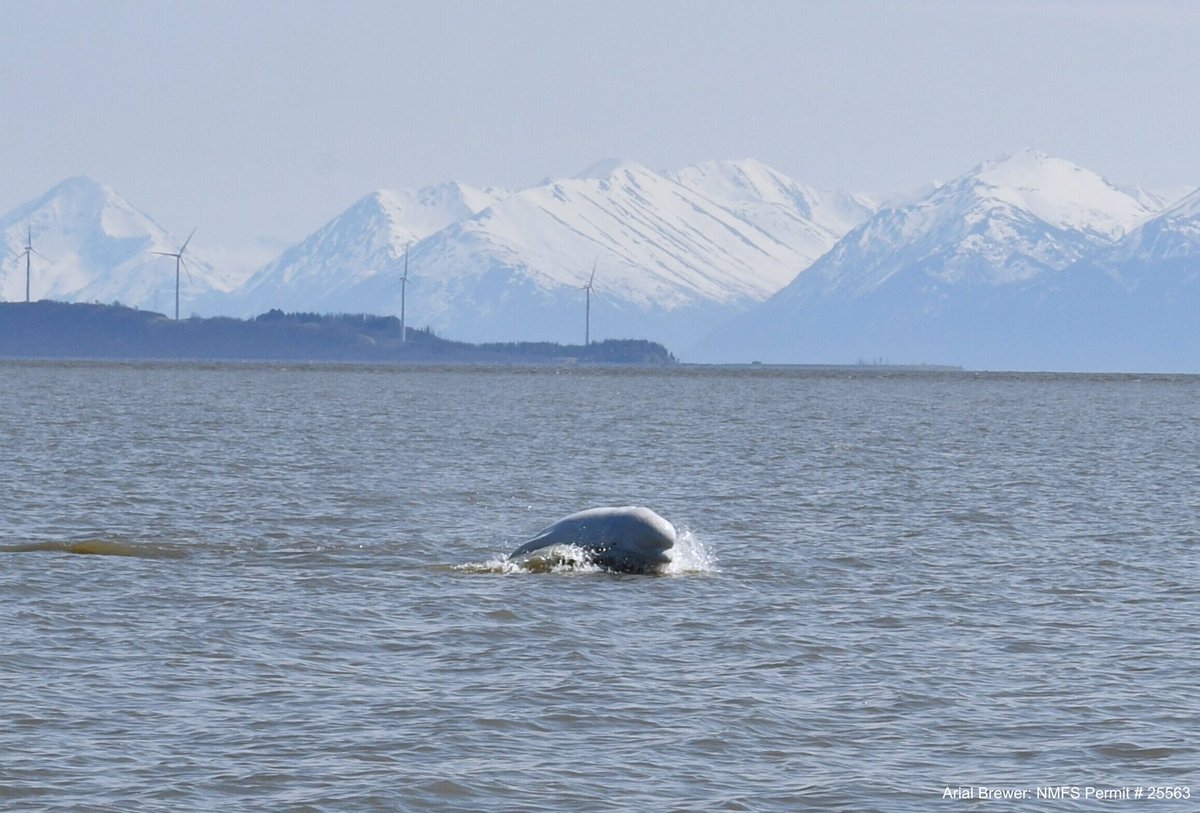
🐋How did PhD student Arial use the FINS award to study Cook Inlet beluga whales?
Read about it in our latest FINS feature and check out the new line of merchandise that helps to support #SAFSGrads⤵️
https://t.co/SDUMhC7NY6