#CHINA#SSE50 can breakdown this symmetrical triangle in the most recent test. The lower boundary has several tests and it is a valid technical level. Closely monitoring it.
#Container#freight markets are becoming increasingly two-speed, with transpacific rates surging while Asia–Europe routes continue to soften.
The latest Drewry World Container Index remains broadly unchanged over the past six weeks at USD 4,467 per 40-foot container, but the headline masks a sharp divergence between the major East–West trades. Shanghai–Los Angeles rates have jumped 15% over the period to USD 7,838, while Shanghai–New York has risen 9% to USD 10,373, with both reaching their highest levels since June 2022. By contrast, Shanghai–Rotterdam has fallen 21% to USD 3,485. Overall, the Drewry index is still around 135% above levels seen before the Middle East war disrupted global shipping routes.
The strength on transpacific routes reflects a combination of firm US import demand, tight capacity and continued logistical disruption. An extended peak season, supported by retailer restocking and resilient consumer demand, has coincided with carrier capacity management through blank sailings, while weather-related congestion in Asia and Panama Canal restrictions have further reduced effective capacity.
Europe is moving in the opposite direction. Softer post-peak demand has been accompanied by the gradual return of container services through the Red Sea and Suez Canal. The shorter routing releases vessel capacity previously absorbed by lengthy Cape of Good Hope diversions, helping push rates lower.
The result is a freight market where the composite index looks stable, while regional supply-demand conditions are increasingly anything but.
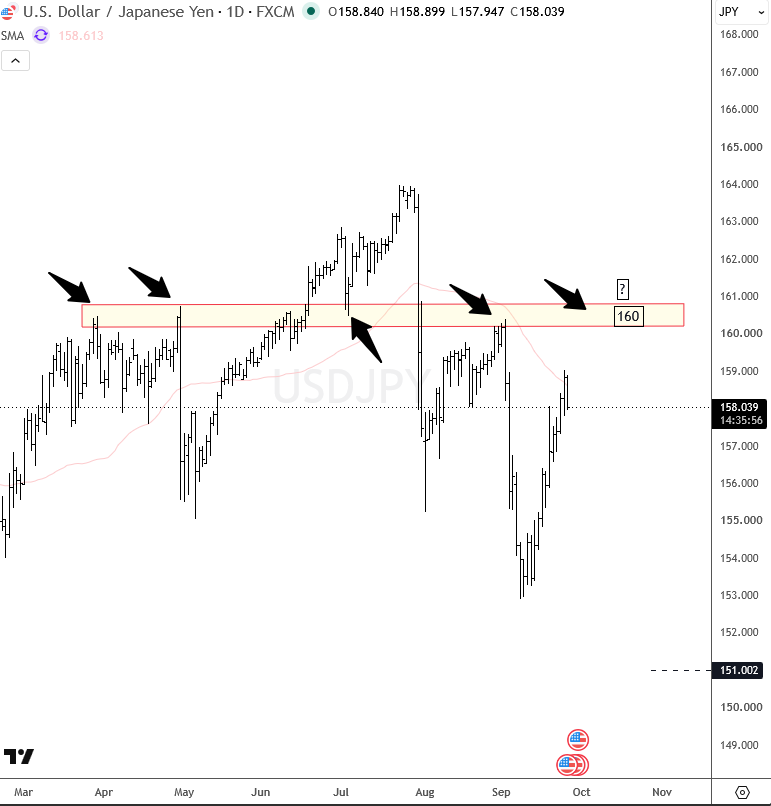
Japan finance minister Katayama: PM Takaichi voiced worries about yen weakness in general
Japan finance minister Katayama: will closely cooperate with US on forex
Reason for current JPY strength, but I guess they eye 160's as a trigger for actions- if we get there.
#BOJ#JPY
🇦🇺ASX Miners: Weak Breadth, Strong Leaders
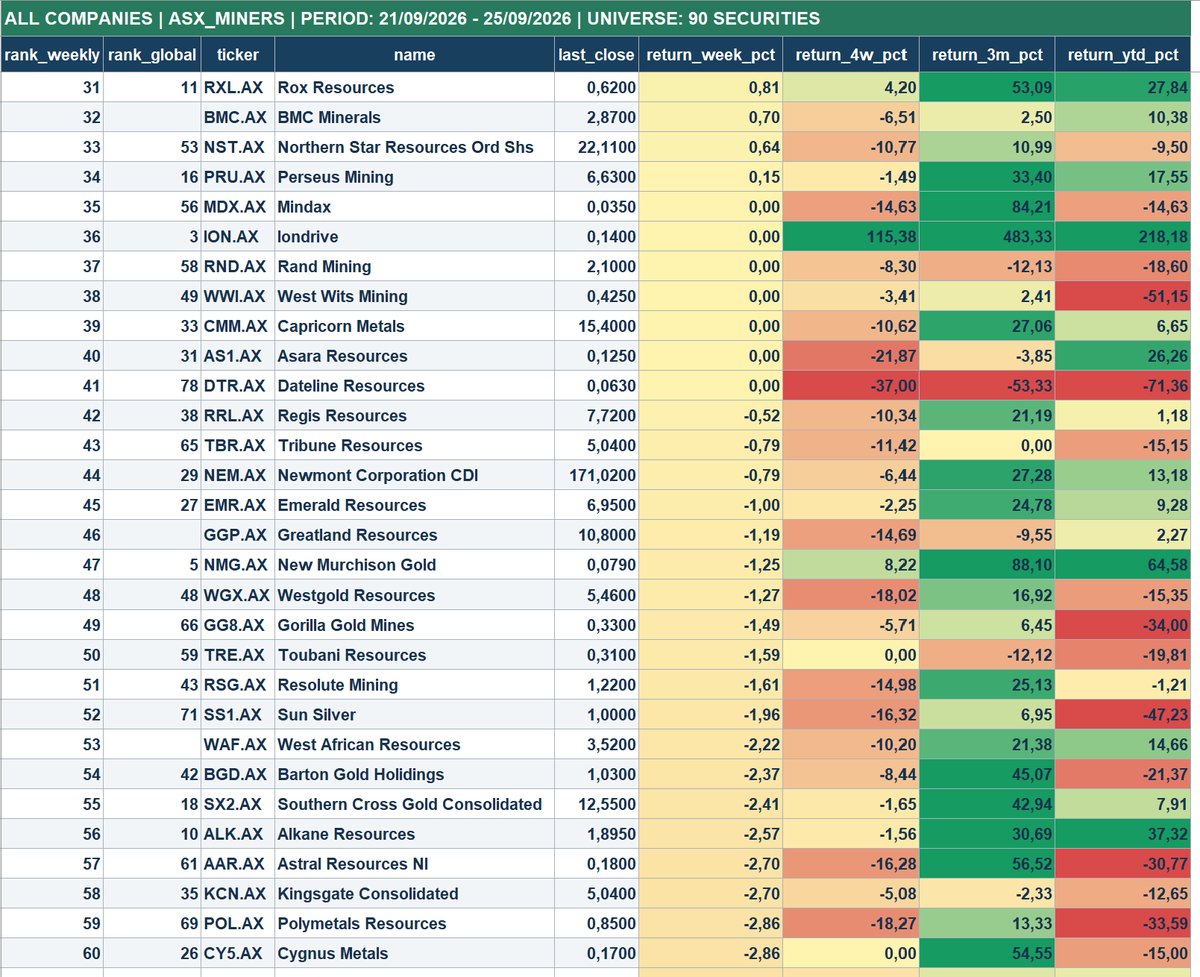
The week ended with weak breadth across the ASX mining universe, but the leaders continue to hold up remarkably well.
Of the 90 companies analysed, 34 rose, 49 fell and 7 finished unchanged, with an average weekly return of -1.22%. Despite that weakness, the Top 20 stocks in the overall ranking gained an average of +2.67%, and 14 of those 20 finished the week higher.
That divergence remains the key feature of the market: capital is still concentrated in the strongest names.
Benz Mining remains No. 1 after gaining another 9.98% this week. Solstice Minerals (+9.60%), Brazilian Critical Minerals (+9.52%), Southern Palladium (+5.18%) and Turaco Gold (+5.45%) also continued to show strong momentum.
Great Boulder Resources was the strongest performer of the week, rising 17.82% and moving up to No. 19 in the overall ranking.
The broader correction, however, remains significant. Over the last four weeks, the full universe has produced an average return of -6.64%, with only 17 of the 90 companies in positive territory.
Yet the Top 20 continue to behave very differently, with an average four-week return of approximately +10.1%.
The medium-term picture also remains strong. Over three months, 66 of the 90 companies are still positive, with an average return of +25.1%.
Silver remains one of the weaker areas. Andean Silver, Silver Mines, Sun Silver and Unico Silver all finished the week lower and remain well below the strongest names in the ranking.
For now, I still see this as a short-term correction and internal rotation rather than a broad breakdown in trend.
The key question for next week is whether strength begins to broaden beyond the current leaders.
The problem is not the leaders. The problem is breadth.
#ASX #MiningStocks #GoldStocks #SilverStocks #PreciousMetals
Soybean meal hits a two-year high as weather risks, strong export demand and trade optimism drive prices higher, while fund positioning reaches a record. https://t.co/GF8kxgpVp7
#Commodities (Friday am comment)
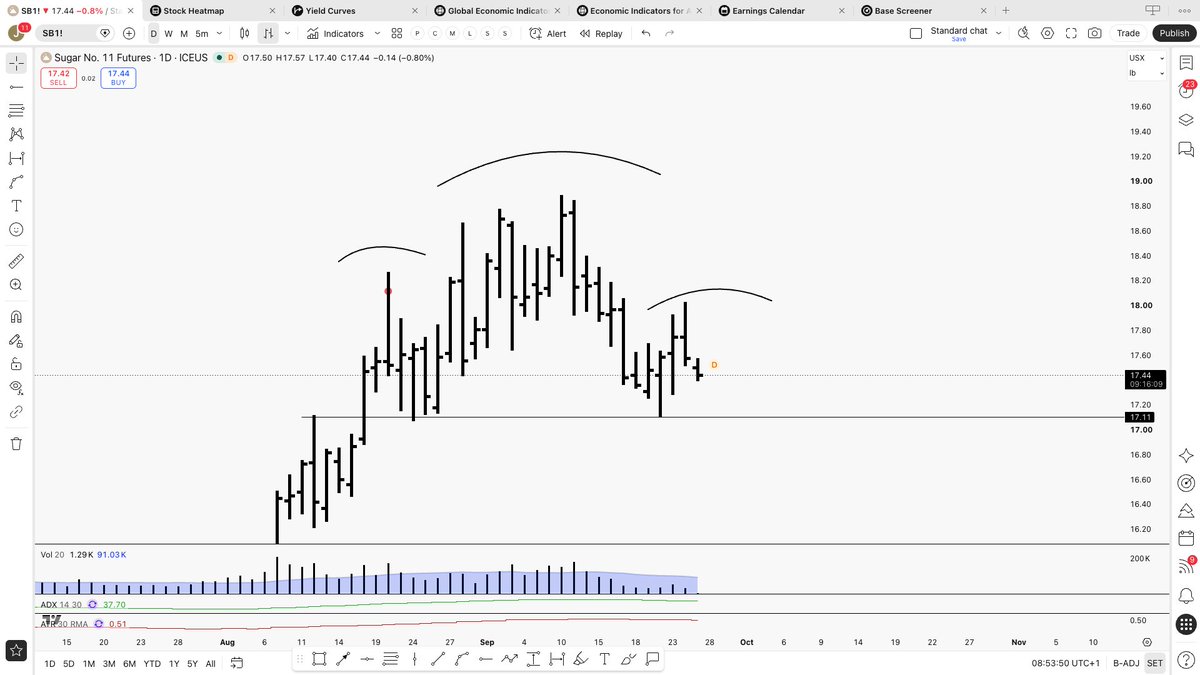
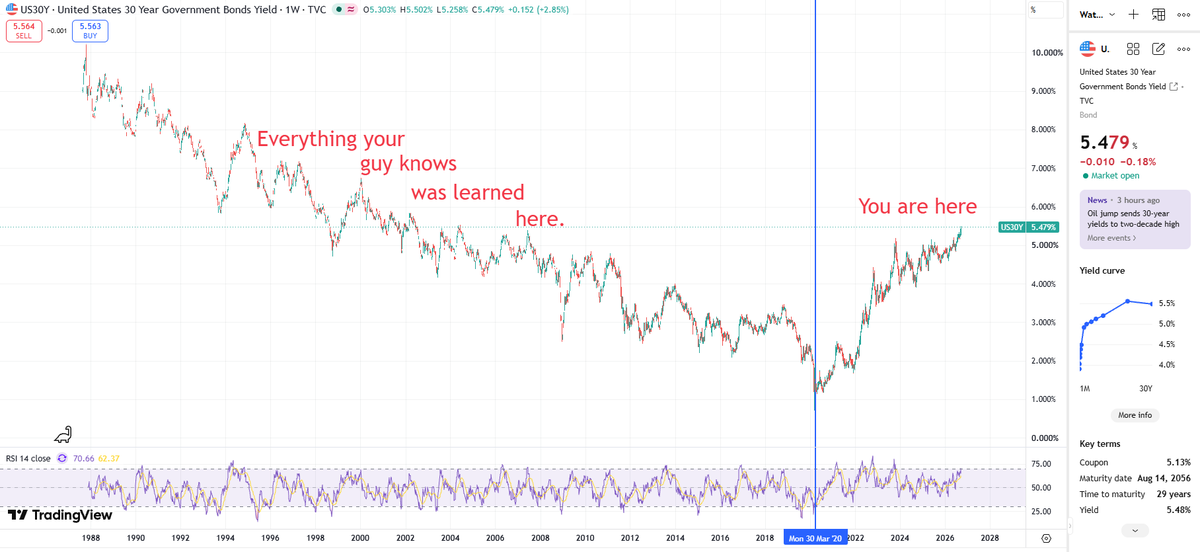
BCOM. The Bloomberg Commodity Index is heading for its first, albeit modest, weekly loss in four weeks, down 0.8% and trimming its year-to-date gain to 36%. A stronger dollar and surging bond yields weighed on sentiment across markets, particularly precious metals, while geopolitical risks ebbed and flowed, leaving the energy sector lower overall. Diesel, EU gas and silver are the three biggest weekly losers, while gains are led by US natural gas, cocoa and sugar.
Oil. Brent trades near unchanged on the week at around USD 105.4, having moved within a range of more than USD 10 amid a steady flow of mixed supply and geopolitical developments from the Middle East. The latest focus is on US and Iranian negotiators exploring a phased deal that could see Tehran reopen the Strait of Hormuz if certain conditions are met. Meanwhile, the prospect of a Trump-backed US diesel export ban sent fuel prices sharply higher earlier in the week before they eased as the industry warned that any short-term reduction in domestic prices could prove fleeting - and potentially be followed by higher costs - as rising US fuel inventories prompt producers and refiners to cut output.
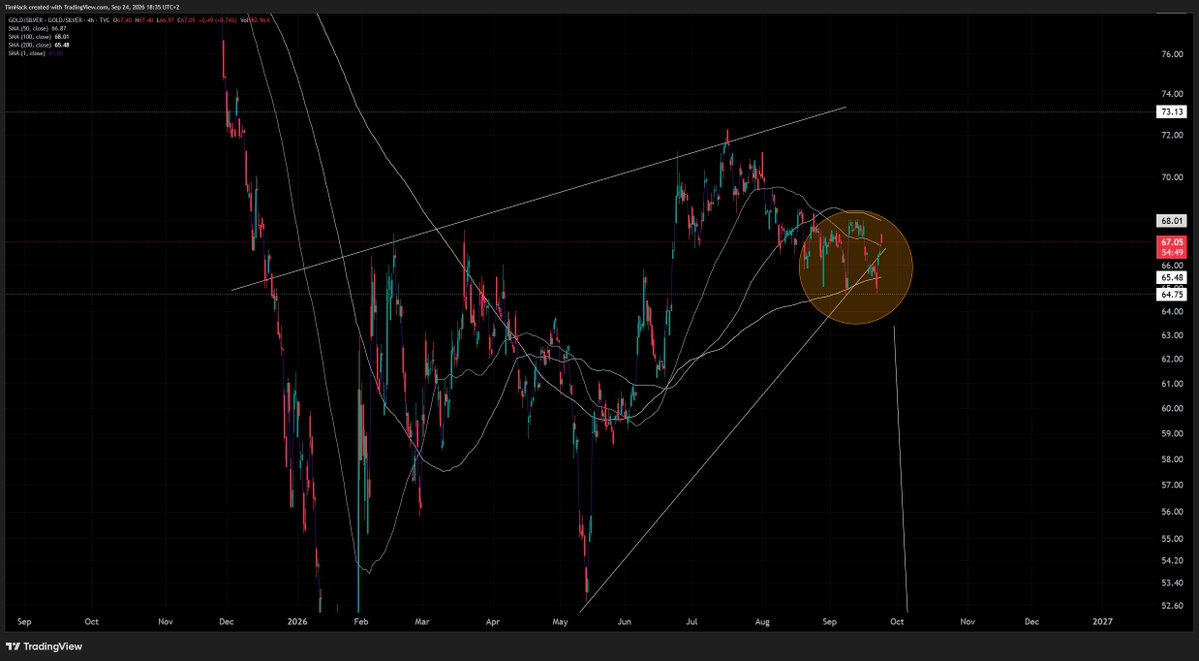
Metals. Gold is down around 3% and silver 5% on the week as investment metals faced a bond-market stress test, with surging Treasury yields supporting a stronger dollar and raising the opportunity cost of holding non-yielding assets. Despite these macro headwinds, bullion has remained relatively rangebound over the past month, with traders monitoring support around USD 4,235 and resistance currently near USD 4,400.
Natural gas. Despite a midweek surge, Europe's TTF benchmark is heading for a weekly loss of around 6.5%, trading near EUR 73/MWh (USD 24.30/MMBtu), amid signs that more LNG cargoes have successfully transited the Strait of Hormuz. In contrast, the US Henry Hub contract has surged almost 9% after a major pipeline disruption helped trigger a short squeeze as traders reduced sizeable bearish positions. From a low of USD 2.82/MMBBtu on Tuesday, the front-month contract briefly touched USD 3.30 on Thursday before easing back towards USD 3.20.
Namib Minerals has finished dewatering its flagship Redwing mine ahead of schedule! If you want to squeeze the maximum out of this cycle, there is no way around Namib Minerals: no other mining stock on the market offers more leverage to the gold price. It took me over half a year to confirm that. $NAMM
https://t.co/NKrNVysv4i
You want to capture most of the open profits in a strong directional move or place an objective (measured and always adjusted for volatility) protective stop loss for a fresh long/short position?
I wrote a free open source code for ATR trailing stop for @tradingview. Enjoy.
https://t.co/8DqtmcMfw5
The MOVE Index is basically the VIX for the Treasury market, and MOVE often leads the VIX.
The fact that MOVE is seeing one of its biggest daily spikes in years today is a major warning sign.