They just moved up a 2028 Amazon LEO launch to now NET Dec. Which means if AST exercised its F9 Option after the Amazon LEO order of 10 launches, that AST could fall after Amazon LEO launches.
Can't claim SpaceX is holding back the competition when they are moving up Amazon LEO>
https://t.co/FGg7f2Xxze
The next Amazon Leo launch is set for next month. This will be LF-04 aboard Falcon 9 with 24 satellites. This the 1st of 10 additional Falcon 9 launches for Amazon, following 3 missions last year. These were originally set to start launching next year, but LF-04 was accelerated.
Most would pay $150 dollars a month to allow Medicare to allow those 65+ still working in a company with less than 20 employees to keep their company provided healthcare instead of being booted on to more way more expensive Medicare Part B, Part D, and Part G because Medicare claims that a Company sponsored helathcare plan with less than 20 people is "non-creditable".
Hey Medicare, it is underwritten by Blue Cross, how is that "non-credible"?
The next Amazon Leo launch is set for next month. This will be LF-04 aboard Falcon 9 with 24 satellites. This the 1st of 10 additional Falcon 9 launches for Amazon, following 3 missions last year. These were originally set to start launching next year, but LF-04 was accelerated.
Starlink Gigabit is here
Starlink Debuts Gigabit Plan At $4,650 Per Month For Cargo Ships
Starlink is preparing to offer gigabit speeds through an expensive new satellite internet plan meant for large commercial shipping vessels.
The official Starlink website has updated its “Maritime” plans to introduce the “Global Business Merchant” tier, which will officially launch next year at a rather staggering $4,650 per month —more than double the Global Priority 2 TB plan at $2,150 per month.
“This plan is designed for merchant vessels that need unlimited priority connectivity in port, coastal areas, and on international waters,” SpaceX says. The plan includes unlimited data for global ocean coverage and up to two Starlink kits, although the dish models weren’t identified.
The FCC is about to put a price on blocking Starlink abroad.
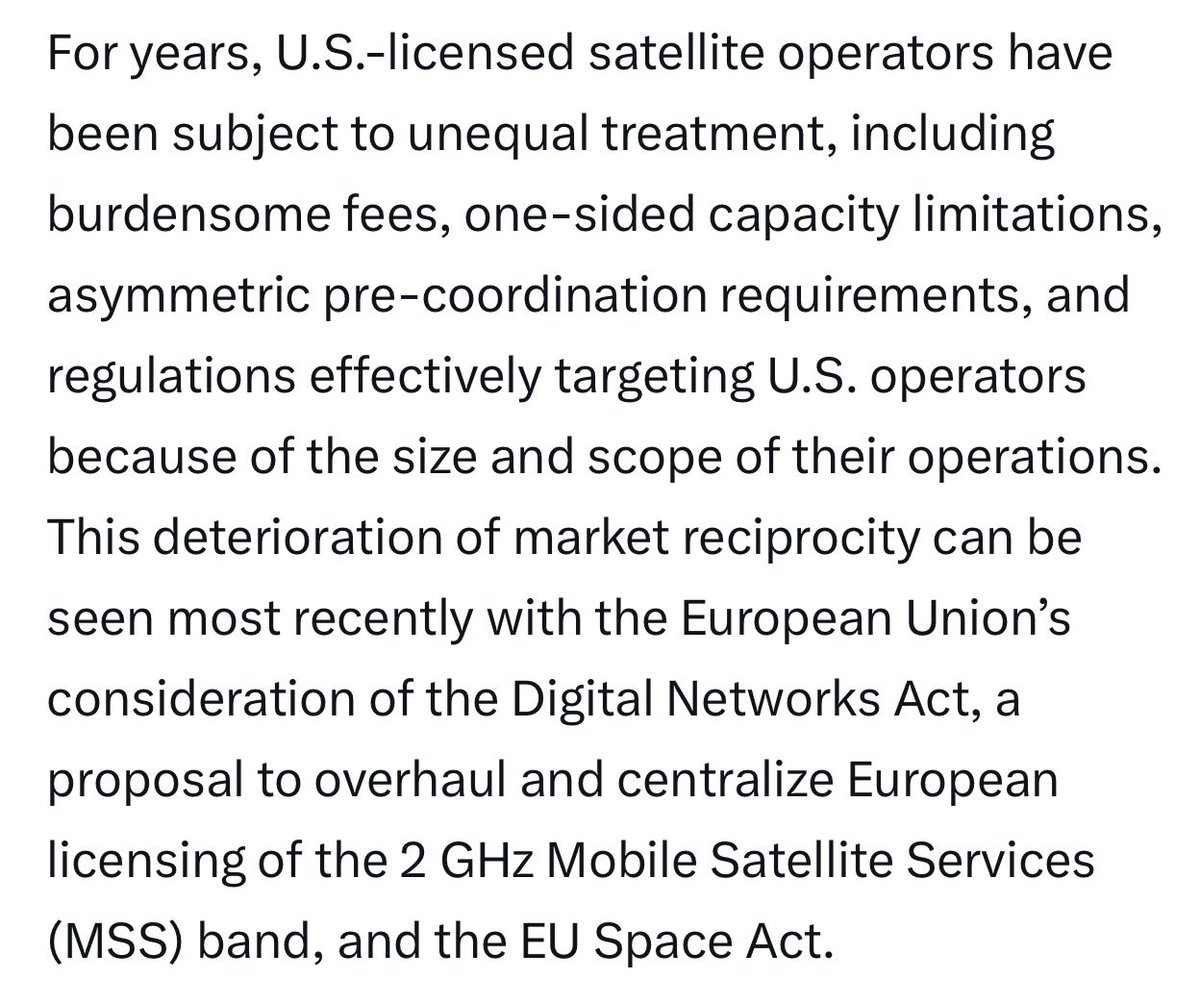
Chairman Carr has put a satellite reciprocity proposal on the December agenda: foreign satellite operators in the US would face restrictions matching those their home countries impose on American operators. It's a proposal, not a rule, and Carr didn't name SpaceX.
He didn't need to.
The FCC has long presumed that WTO commitments open covered satellite-service markets to American operators, and has used that presumption to welcome foreign satellite systems into the US. Carr says that assumption has broken down, with foreign nations applying one set of rules to their own operators and "a very different one" to Americans.
So why would SpaceX want more rules, not fewer?
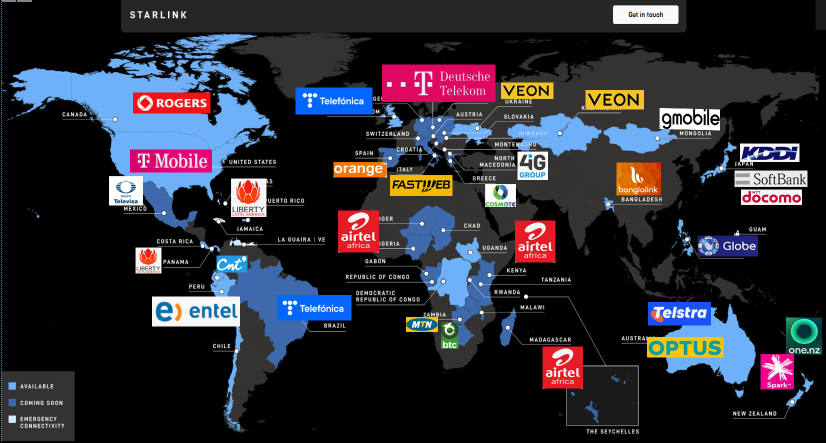
Because the real target is everyone else's market. Starlink's growth abroad depends on regulators it doesn't control, while Eutelsat's OneWeb and Telesat are seeking expanded access to America. Reciprocity turns that imbalance into leverage: restrict Starlink at home, and your own satellite operators could face similar restrictions in the US.
SpaceX made that argument directly in October, asking the FCC to treat Eutelsat exactly as Europe treats American companies, "which may include dismissing any claims to ITU priority."
Simply put, the US market becomes Starlink's bargaining chip. Any country that wants its satellite operators to compete in America now has another reason to let Starlink compete fairly at home. I will be keeping track of this, but It’s good to see the US government finally using its leverage to protect Starlink, which has been getting politically targeted globally.