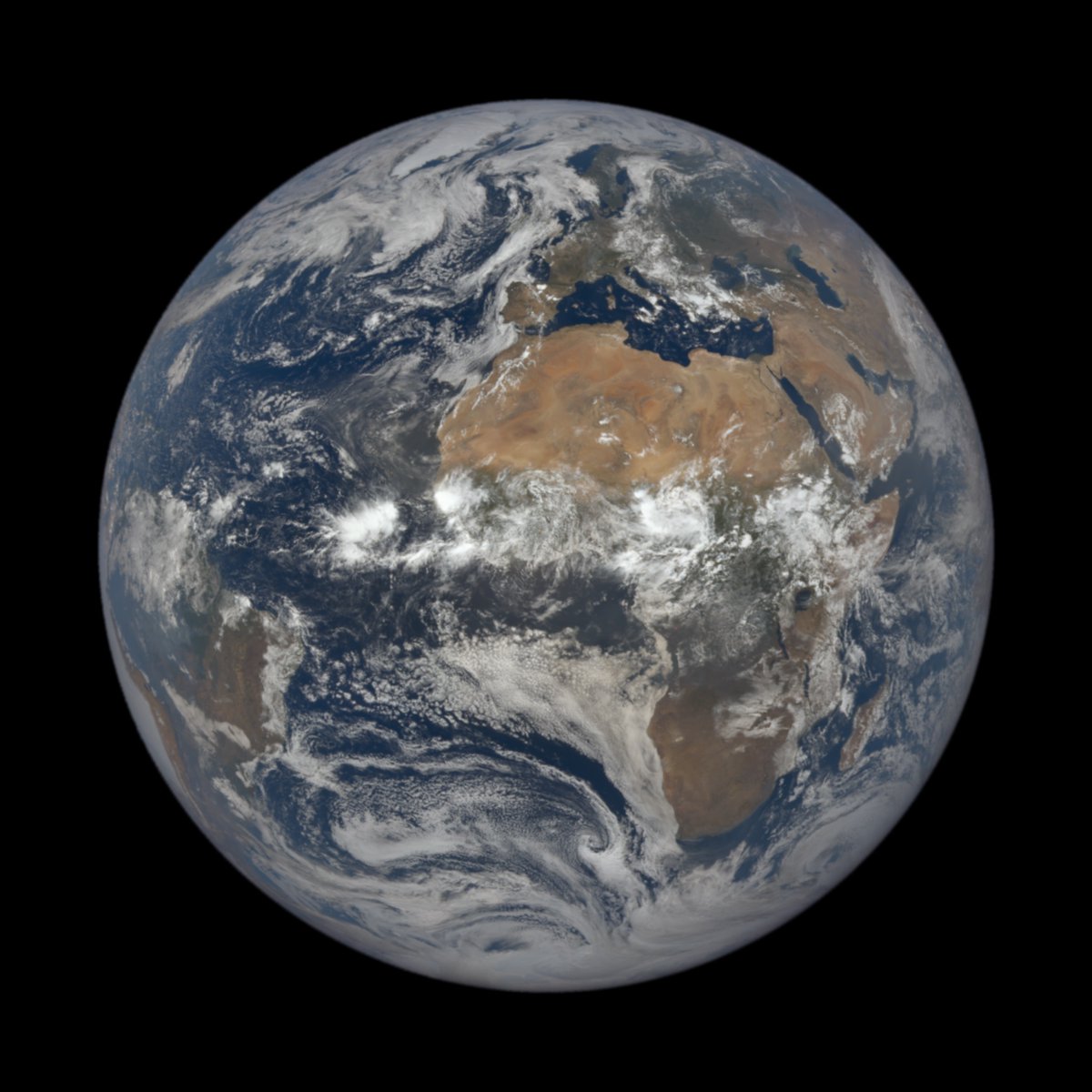
Earth's story, from a million miles away. Photos from DSCOVR's EPIC Camera. #dscovr#epic
Not an official NASA account, you might learn something anyways
There is more information here on how the Orion Optical Navigation system works here:
https://t.co/W1c1bktC7K
It operates in addition to a sun sensor and a star tracker, which are common navigation devices on spacecraft
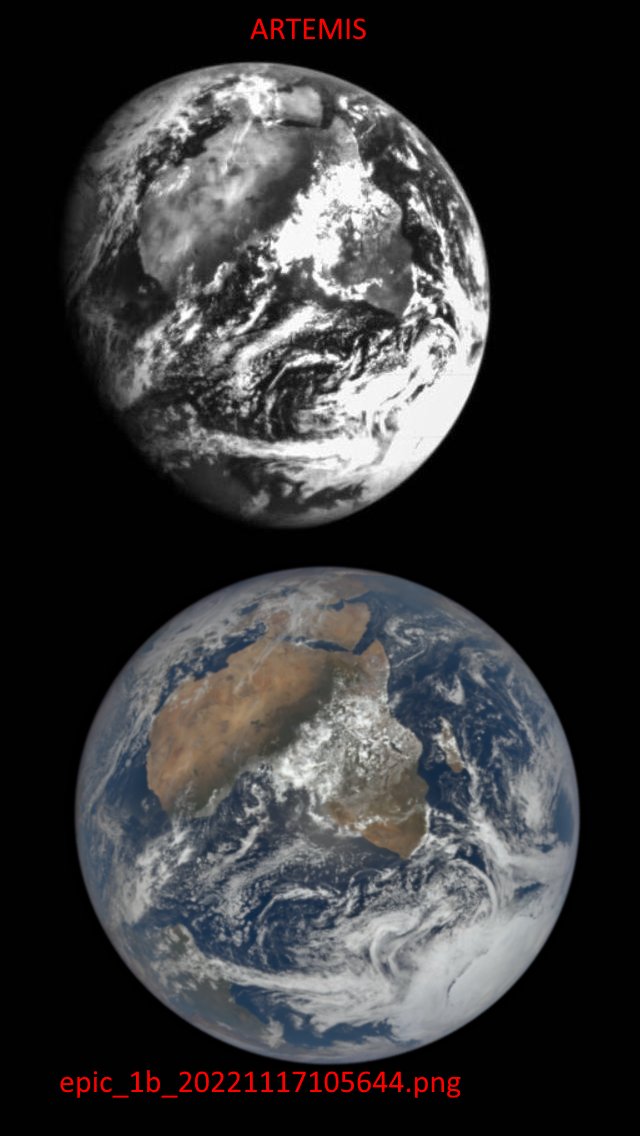
The Orion image is from an instrument designed to track the Earth. It uses the planet’s image to figure out where the spacecraft is located, using the size of the Earth and the location of the shadow.
I find this so cool so I made a composite - pic on the left is from the @NASA_Orion spacecraft on it's way to the Moon, and the right pic is from the DSCOVR satellite, at a fixed point towards Earth. Taken the same day (not same time), the cloud formations still match up nicely.
Sun smiling at the Earth :)
Dual Selfie at exact same time:
Left: NASA DSCOVR EPIC camera (3D interpolation)
Right: NASA SDO with smiley-shaped coronal holes
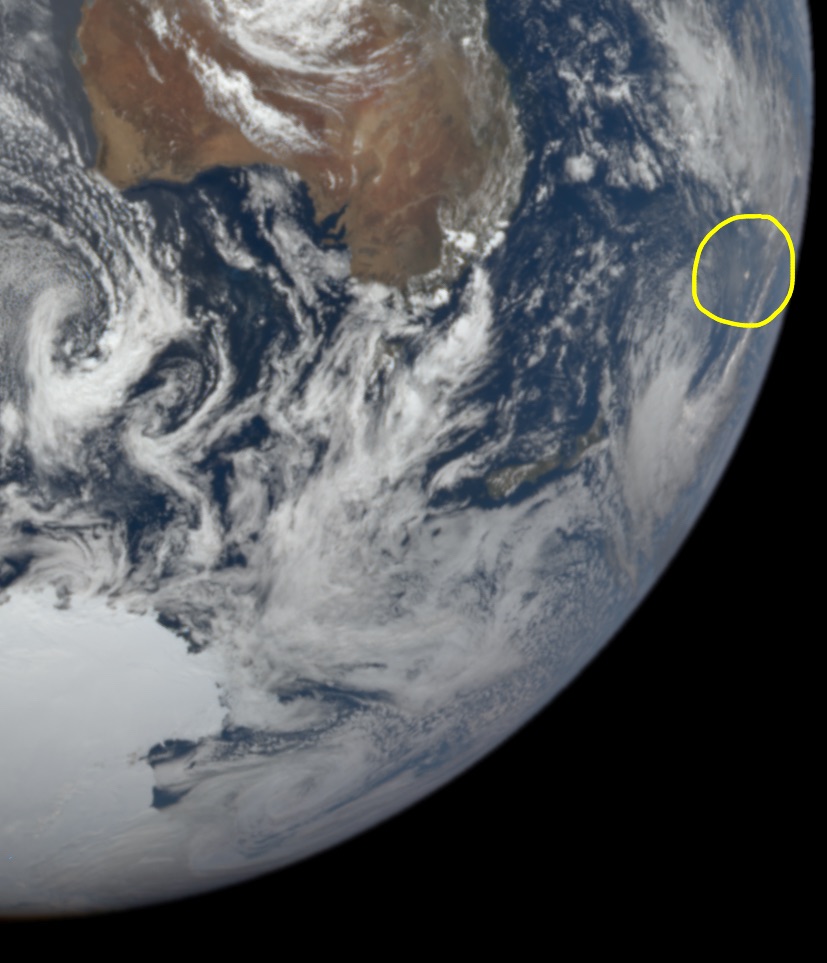
At 0:02: Eclipse over... Russia (Oct 25 2022 11:19 UTC).
@NASASun At about the same time (Oct 25, 2022, 11:19 UTC), on the left side, an almost total sun eclipse happened over Russia. See the Earth "eaten" at the North-East. Picture by NASA's satellite DSCOVR satellite, also located around L1.
The Sun seems to smile at the show 🌞
“I wondered if I could see the cloud distribution averaged from east to west, so I averaged the DSCOVR earth image for August 2022.
I feel like I can understand the tropical convergence zone, subtropical high pressure zone, and subarctic low”
Wishing you a Happy and Aware @earthday2022
This is a video like no other, made one month ago for the vernal equinox, based on 70 source images, special courtesy of NASA.
Mono: https://t.co/328tG2AXaY
Stereo: https://t.co/cbZDoC6Ll9
Taking photos every ~15 minutes on 3/21, the DSCOVR satellite gave us this beautiful view of 24hrs on Earth. Yet each day, we pump another 162M tons of GHG pollution into our atmosphere. While that is sadly still true on this #EarthDay, we must commit to building a better future.
Earth's changing seasonal tilt really influences how we much sun we see. Today (1st day of Winter) has the lowest sun angle of the year across the Northern Hemisphere. The DSCOVR satellite watches from its unique vantage point between the Earth & Sun. https://t.co/Ru5497VK20
A partial lunar eclipse will be visible from North America tonight, lasting from 2:19 am to 5:47 am ET—the longest eclipse of its kind in 580 years!
#DYK that #satellites sometimes see lunar eclipses? NASA's EPIC camera on @NOAA's #DSCOVR 🛰️ caught this one on Sept. 27, 2015.