Morgen starten wir mit @KiraVinke & @frwopitz in unserem Projekt #IndustrialHeartlands eine Study Tour durch den mittleren Westen der 🇺🇸. Vorab vergleichen sie in einem Policy Paper die Industriepolitik von Harris & Trump – und nennen Auswirkungen auf 🇩🇪
👉https://t.co/20qBZgGNDW
Mit @RND's Harald Stutte durfte ich über Ostdeutschland und die USA sprechen und erzählen, wie wir am @DAIS_Leipzig Programmarbeit zwischen Strukturwandelthemen und Demokratiebildung leisten, um transatlantischen Dialog in die Region zu bringen. https://t.co/kov1VH3XoR
"Wenn wir dann zum Beispiel auf die Autoindustrie zu sprechen kommen, kann man erleben, dass von Berufsschülern jede Neuigkeit um Tesla und Elon Musk in Kalifornien begeistert diskutiert wird, jedoch Entwicklungen in Deutschland beim Thema E-Autos skeptisch betrachtet werden.“
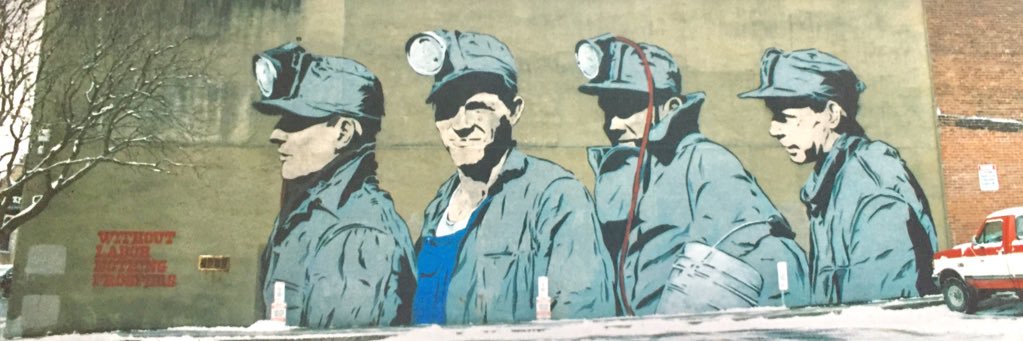
"Das DAIS möchte nicht 'missionieren, sondern über Themen informieren, die zum Beispiel Sachsen als auch den Mittleren Westen der USA betreffen können. Wegbrechende Industrien, schließende Kohleminen – da ähneln sich die Lausitz und West Virginia“, beschreibt Opitz.'"
In the coming weeks, we will write up theses that elaborate on our disuccsions and findings, and inform to policy makers in eastern Germany, the transatlantic space, and beyond. Stay tuned! @andre_thiele
https://t.co/u32fxMSh2p
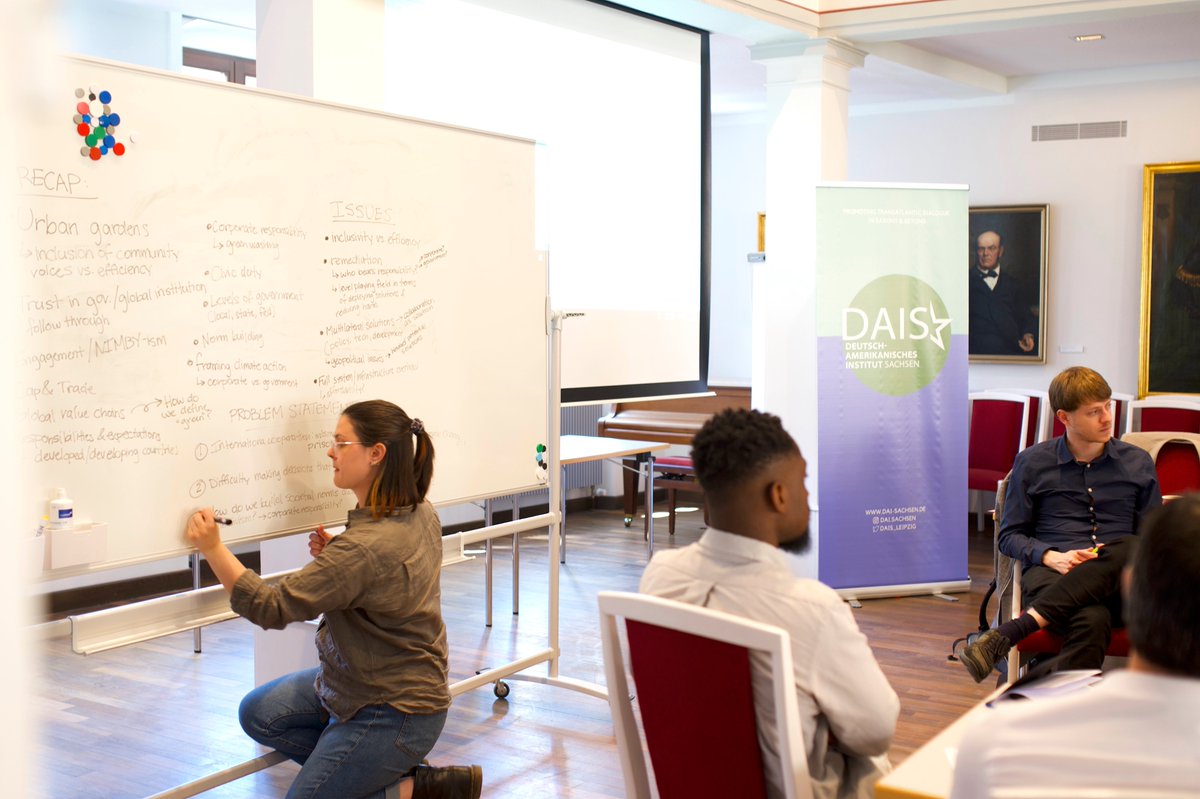
Welcome to the 1. Freiberg Futures Forum! Hosted by @DAIS, we’ve spent the last 48h @TUBergakademie in the lovely Ore Mountains. With students & experts from Ghana, Iran, the US, Saxony, Thuringia, and Saxony-Anhalt, we discussed climate change from regional perspectives. (1/4)
We're also learning how students from humanities and more STEM-related fields can exchange their sometimes very different perspectives so wonderfully. Grateful for @TUBergakademies Prof. Matschullat, Ingrid Lange, as well as @VoinovichSchool's @geoffdabelko amazing input! (3/4)
A further protest mobilizer is a community aspect--almost epistemic--that brings people together who made friends here, informed and trusted each other, “you couldn’t do that anywhere else anymore” goes the unison. (4/4) More findings (in German): https://t.co/2q7Jv8cTJc
"Something is going extremely wrong. As a former GDR-citizen, I have a feeling for this"--together with @DPZ_Berlin, @tudresden_de's @VollmannErik we visited the so-called “Monday Demonstrations” in Chemnitz & Gera to learn about their participants, composition and motives. (1/4)
Beyond the organizational core—largely illiberal and radical rightwing—a heterogeneous spectrum ranges from anti-Americanism to socioecon issues in the wake of the energy crisis to Corona politics to German foreign policy, which ought to behave diplomatically toward Russia. (3/4)
We’re now looking forward to take our findings to further audiences in smaller towns and more remote places of Central Germany in the New Year. Thanks to everyone who is making this possible. But for now: Merry Christmas to those who celebrate, and a Guten Rutsch!
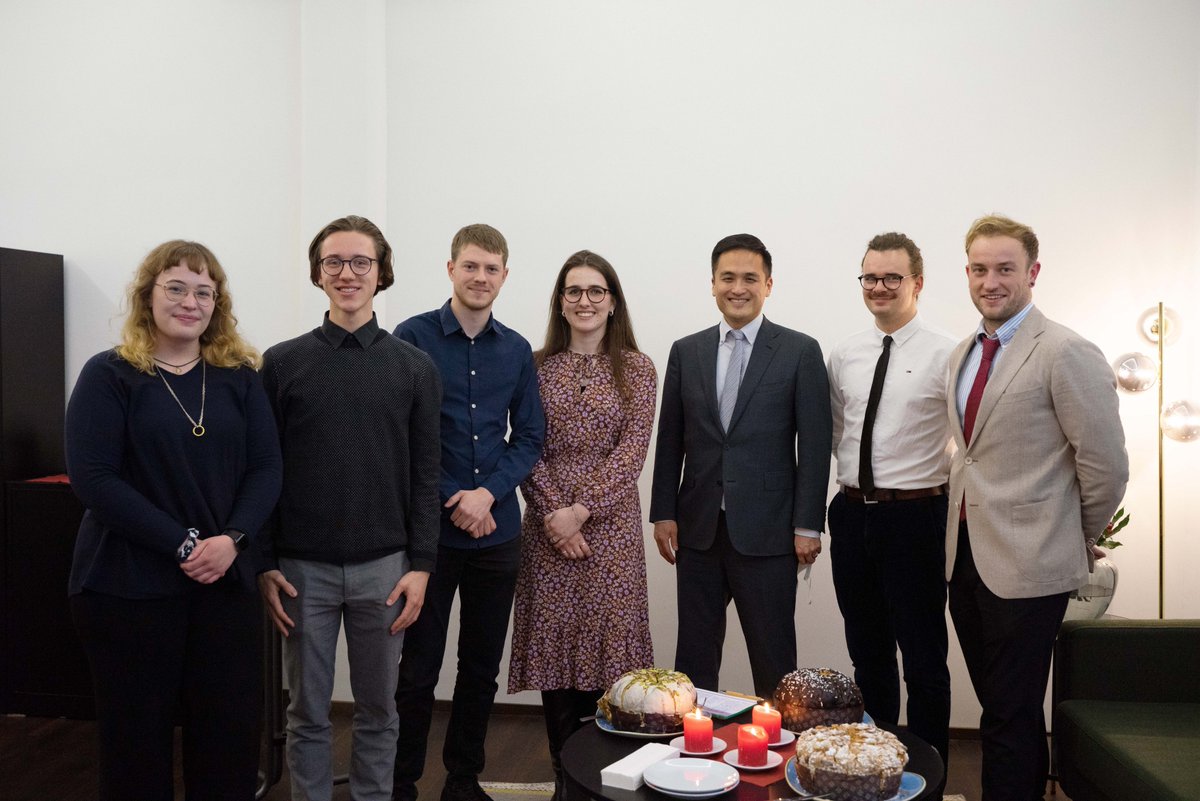
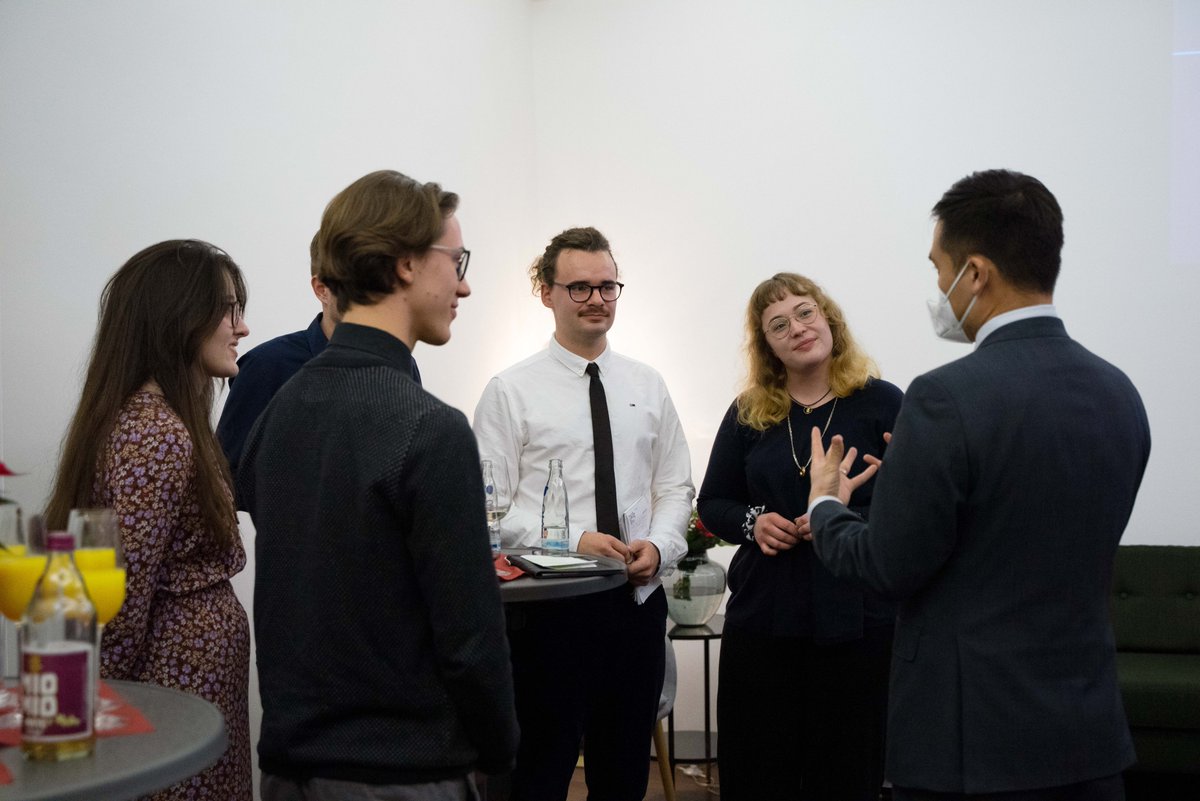
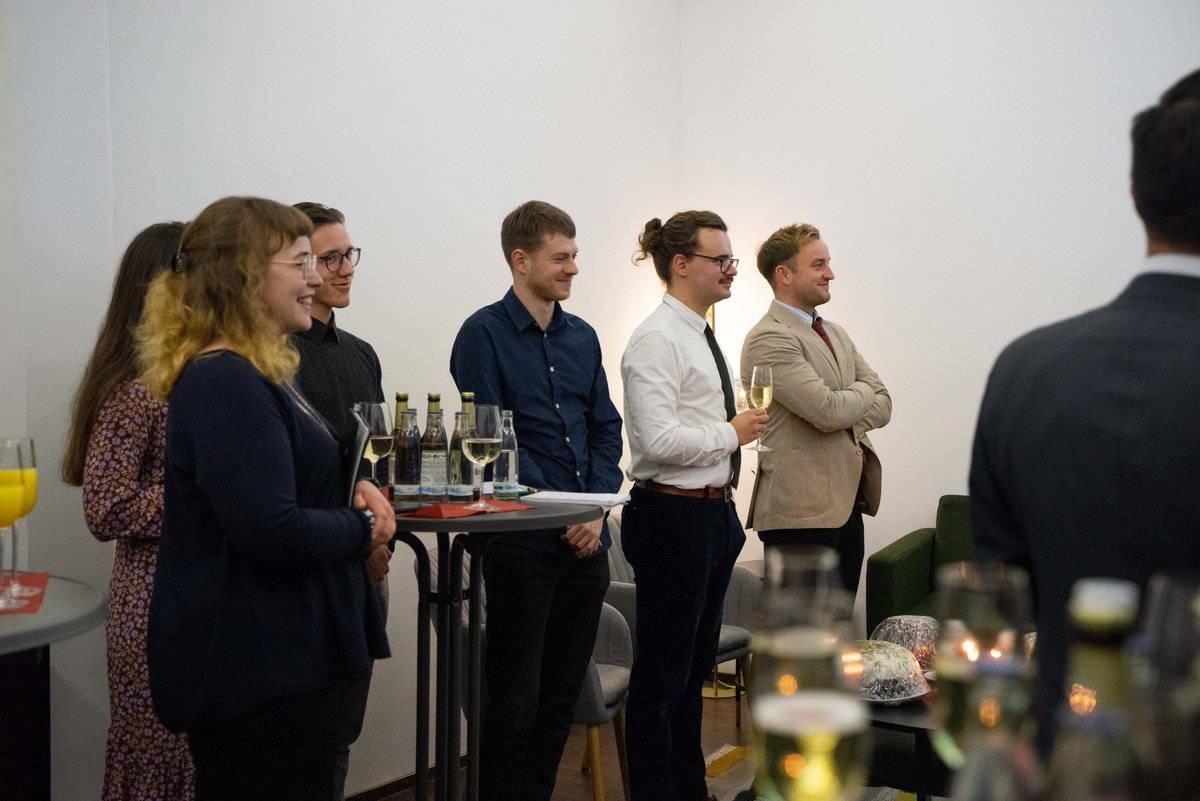
Looking back at our sudy tour through the American Midwest, our fellows presented their policy recommendations for the first time @DAIS_Leipzig' Year End reception. Among others, US CG Toko @USConsLeipzig gave feedback and discussed with us how to implement our findings.
Our fellows write about how to address demographic change through urban gardening, how to re-develop political agency among the politically disenfranchised, or how to engage the role of emotions in transformation processes, and will be published in Volume 2.0 of our EVA-Reports.
Grateful for this opportunity @AICGS: "Discussing local solutions & forming long-term connections through person-to-person diplomacy can improve social cohesion and also better our understanding of shared transatlantic challenges to initiate lasting multilateral collaborations."
Reflecting on #AICGSDialogue's trip to Glendale, AZ, Alexandra Hoenscheid and @frwopitz examine how local initiatives can spur social cohesion and explore what transatlantic lessons we can learn from these small-scale efforts: https://t.co/lXbRqm1ywM