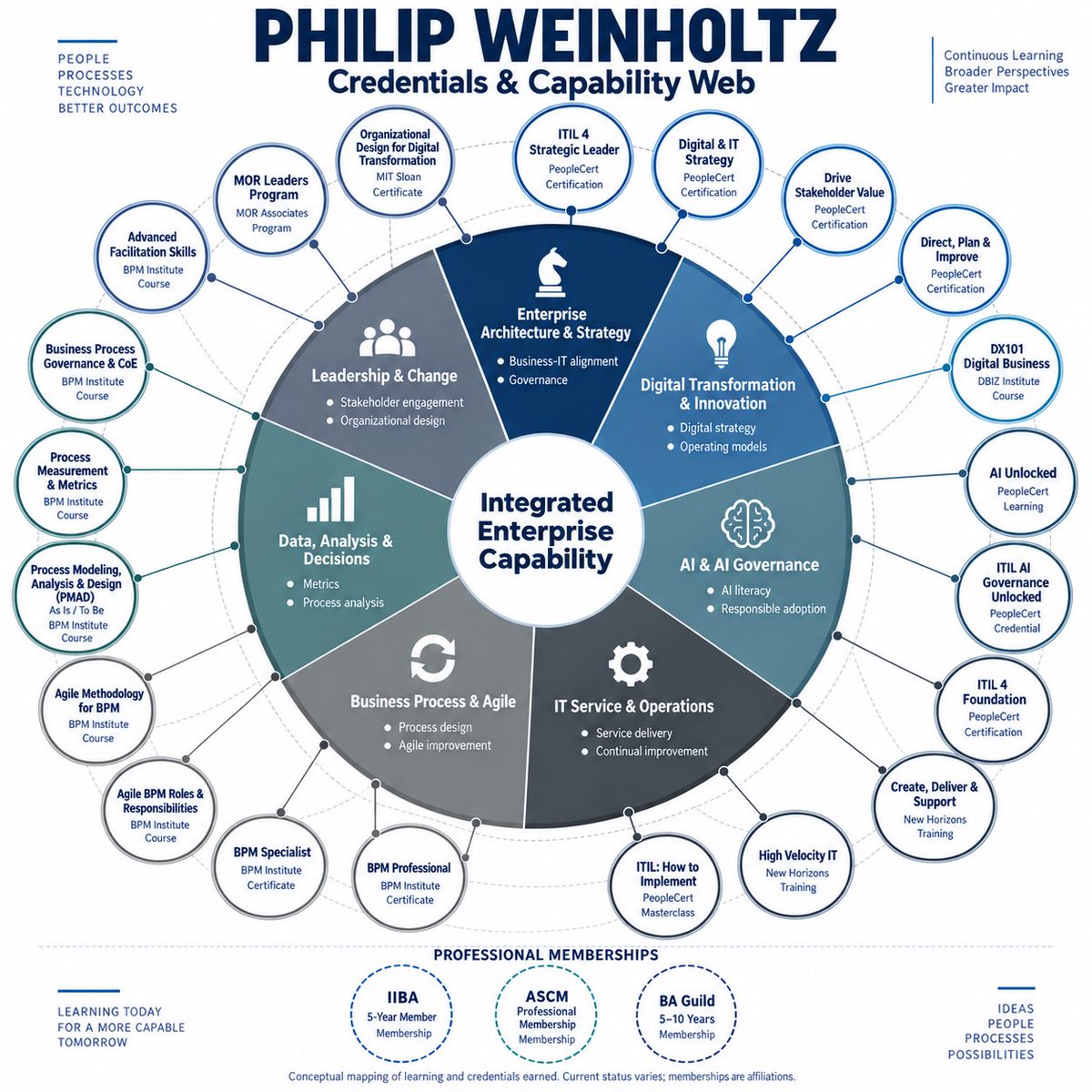
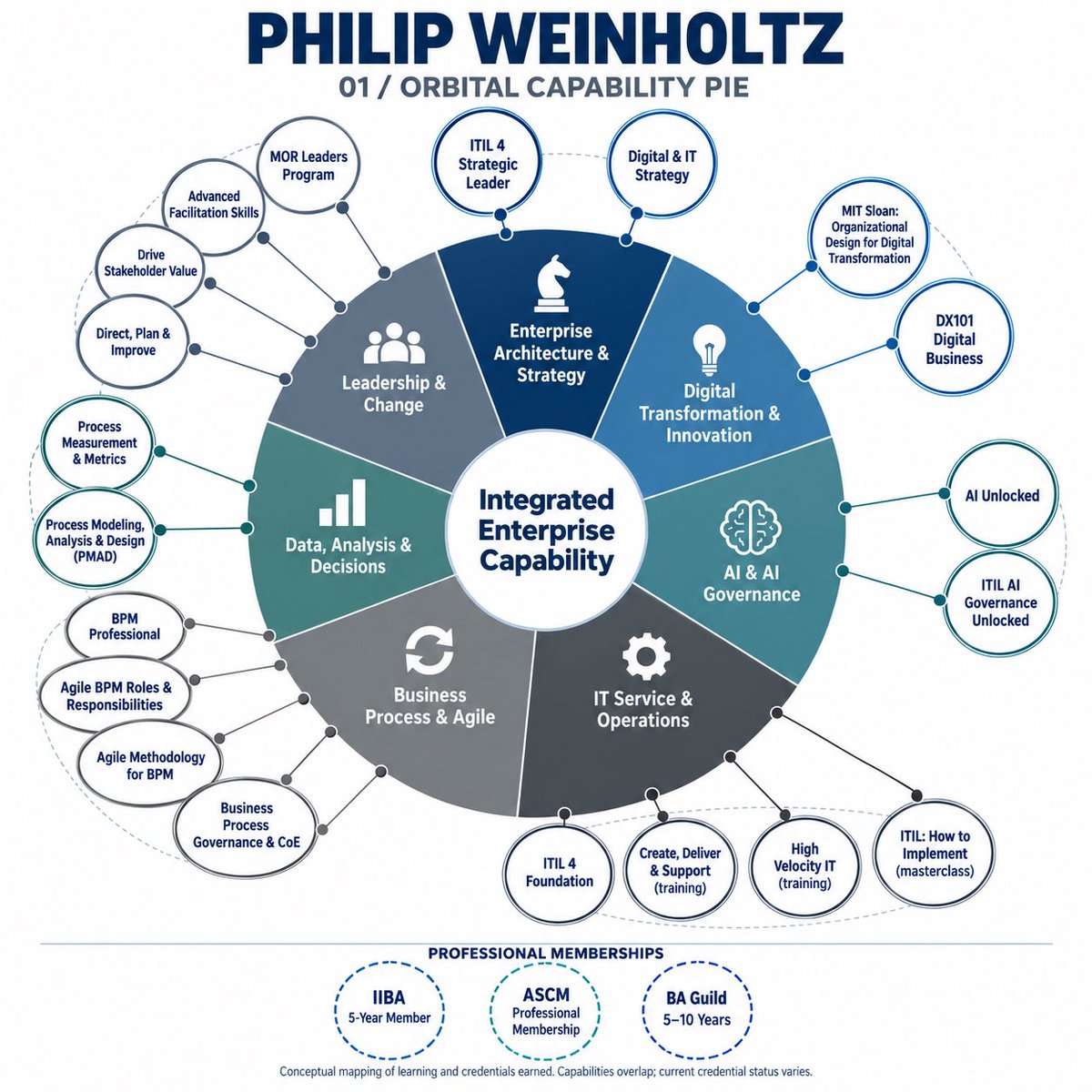
More than a collection of credentials—it’s a connected learning journey.
Enterprise Architecture • Digital Transformation • AI & AI Governance • IT Service & Operations • Business Process • Data & Analysis • Leadership & Change
Each course, certification, and experience adds another piece to the larger picture.
The goal isn’t simply more credentials. It’s broader perspective, stronger capabilities, and greater impact.
And the web keeps growing.
#ContinuousLearning #ProfessionalDevelopment #EnterpriseArchitecture #DigitalTransformation #AI #AIGovernance #ITIL #Leadership #BusinessProcess #DigitalStrategy
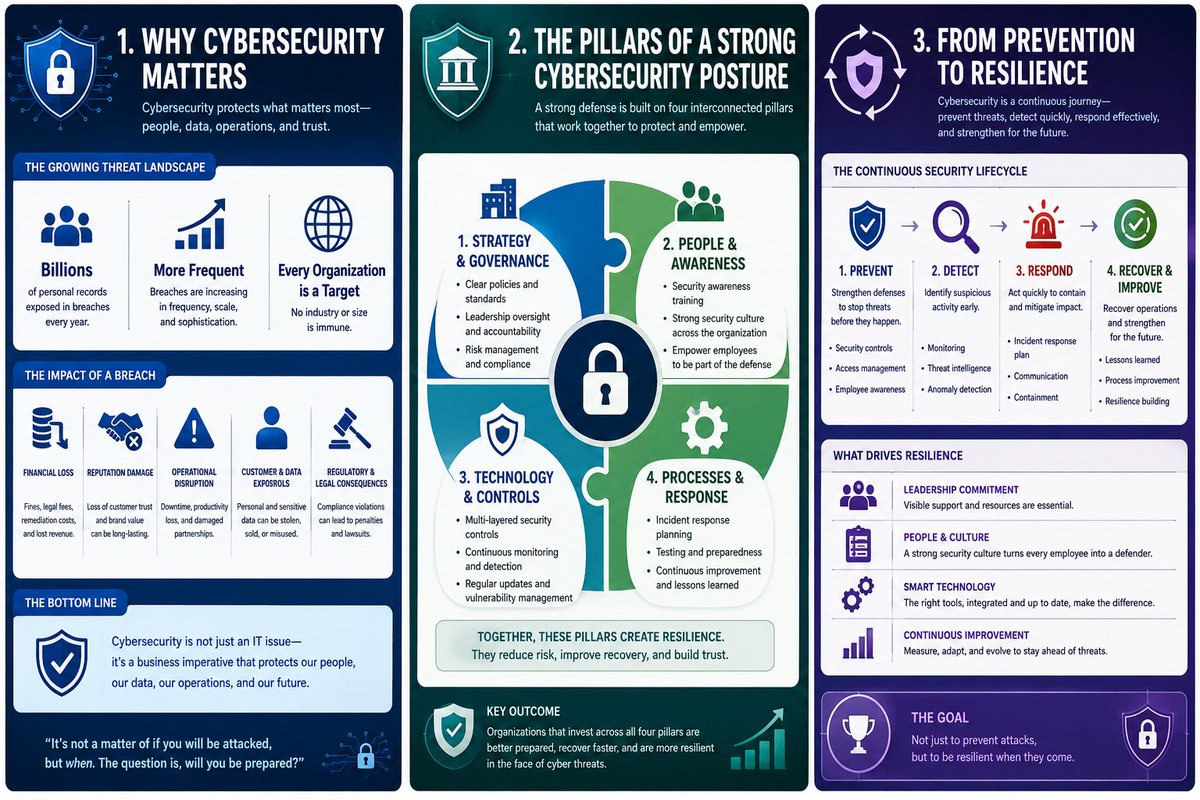
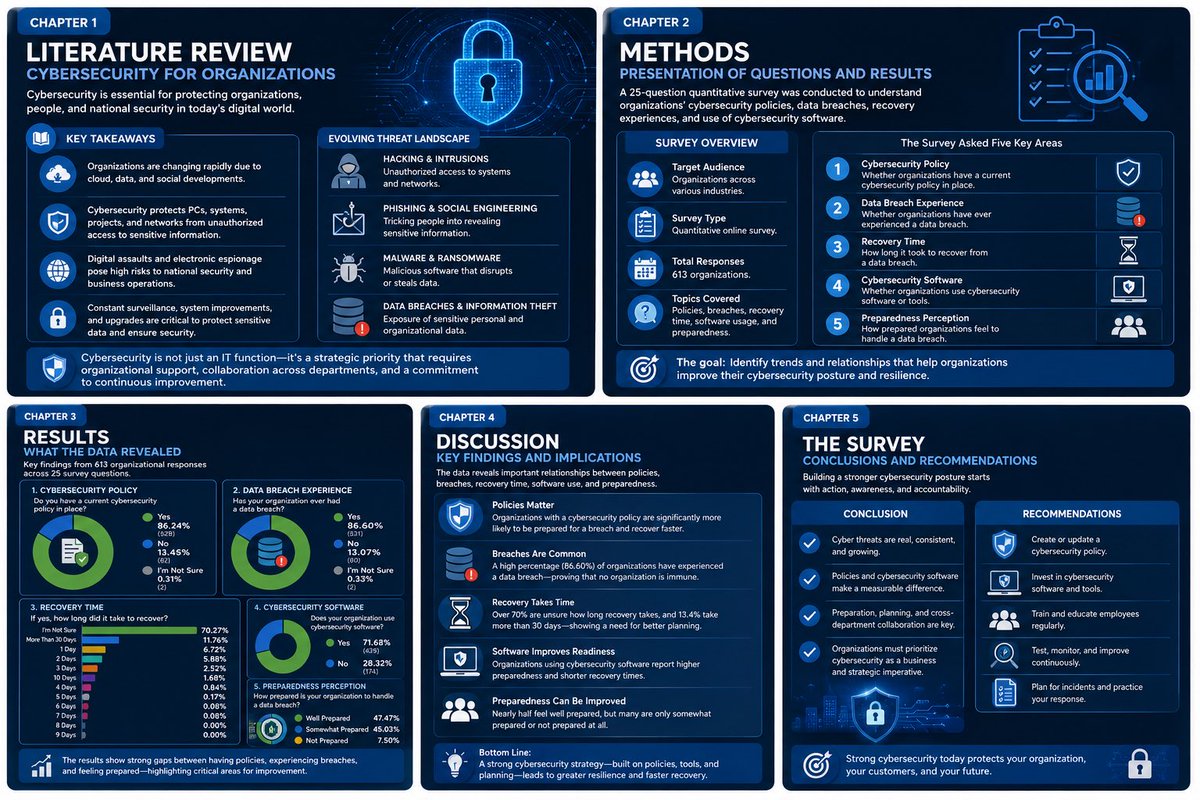
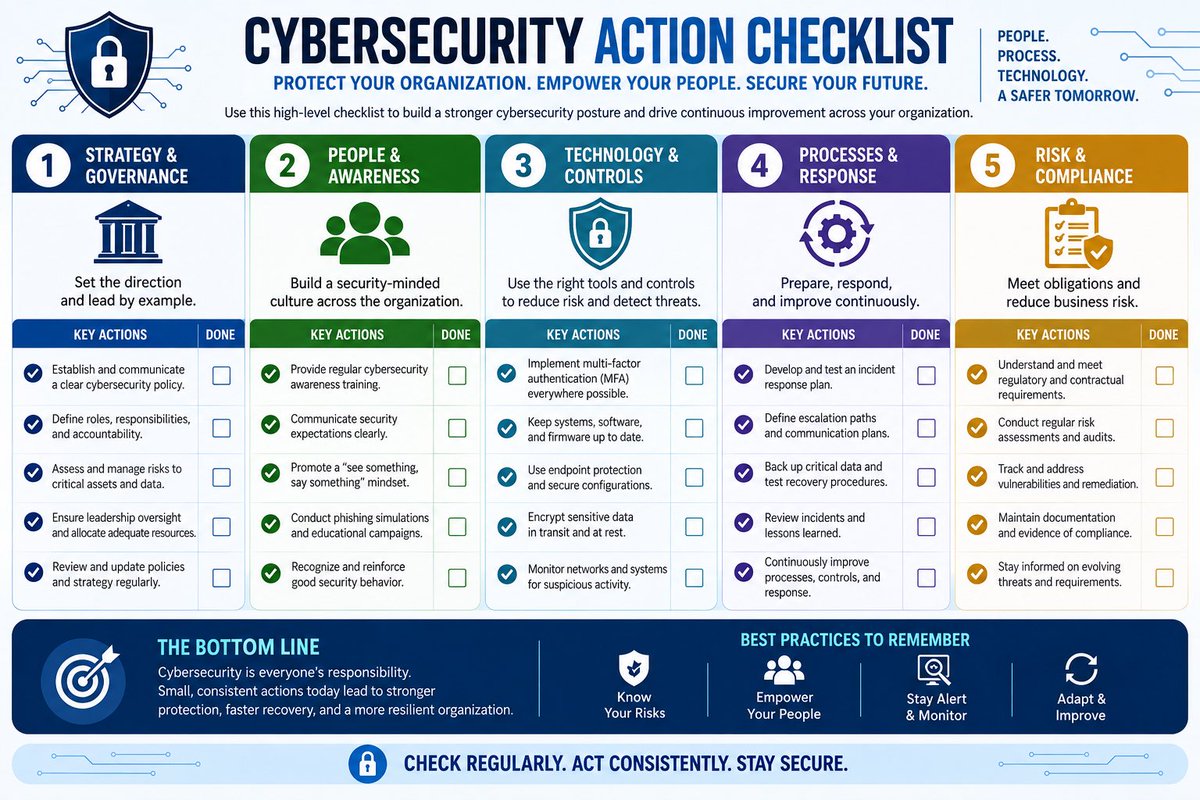
Cybersecurity isn’t just an IT responsibility—it’s an organizational capability. 🔐 These graphics highlight the research, key findings, core pillars, and practical actions organizations can use to move from simply preventing threats to building lasting cyber resilience.
#Cybersecurity #CyberResilience #InformationSecurity #RiskManagement #Leadership #DigitalTransformation
https://t.co/OrpaqLae6x - Business Architecture Guild — 5–10 Years Membership — Recognizes sustained membership and engagement with the Business Architecture Guild, reflecting a long-term commitment to the business architecture profession, community, and continued professional development. #BusinessArchitecture #EnterpriseArchitecture #BusinessCapability #Modeling #ValueStreamMapping #BusinessStrategy #BusinessTransformation #BusinessITAlignment
https://t.co/HmuX4DeGoc
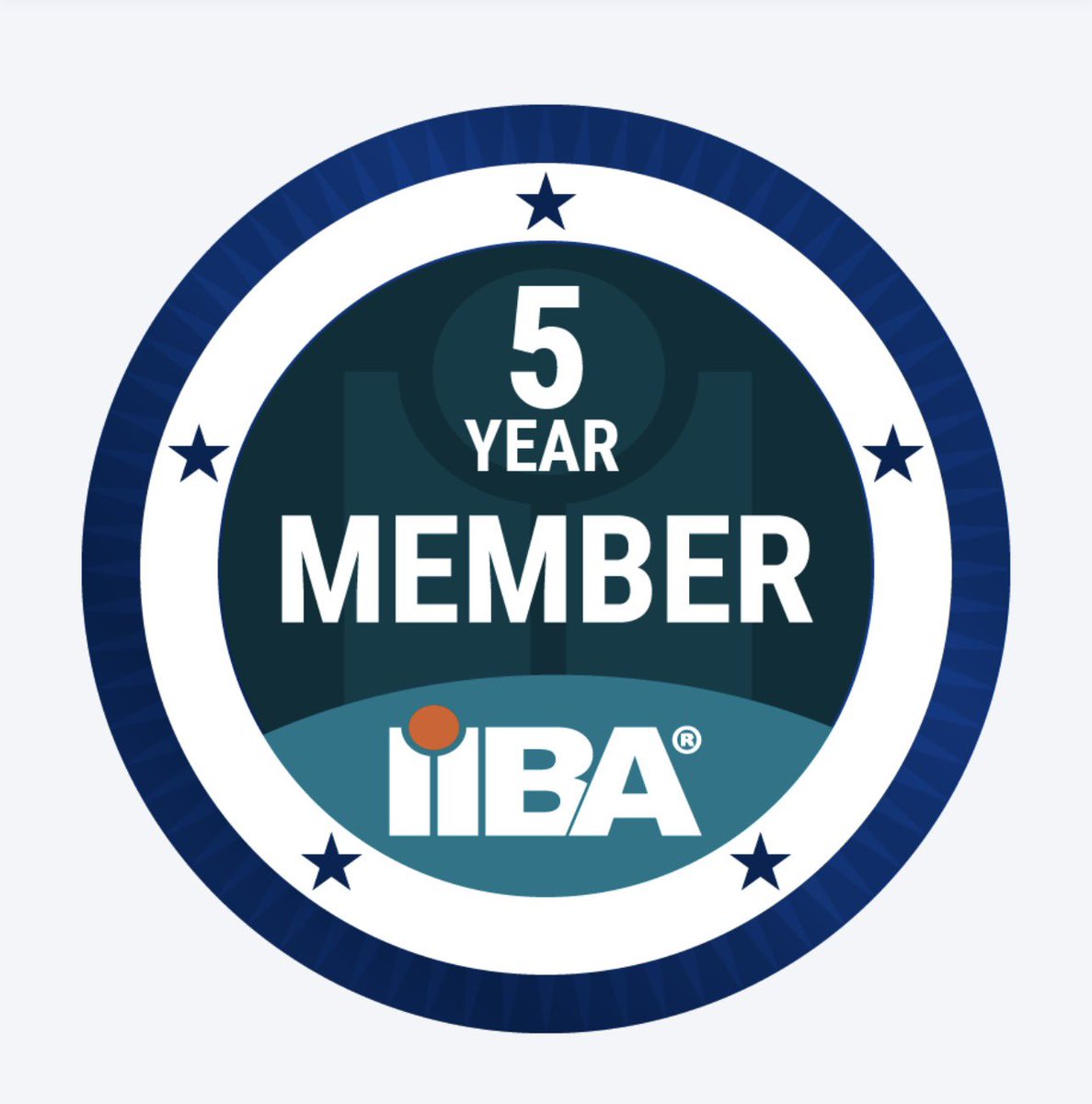
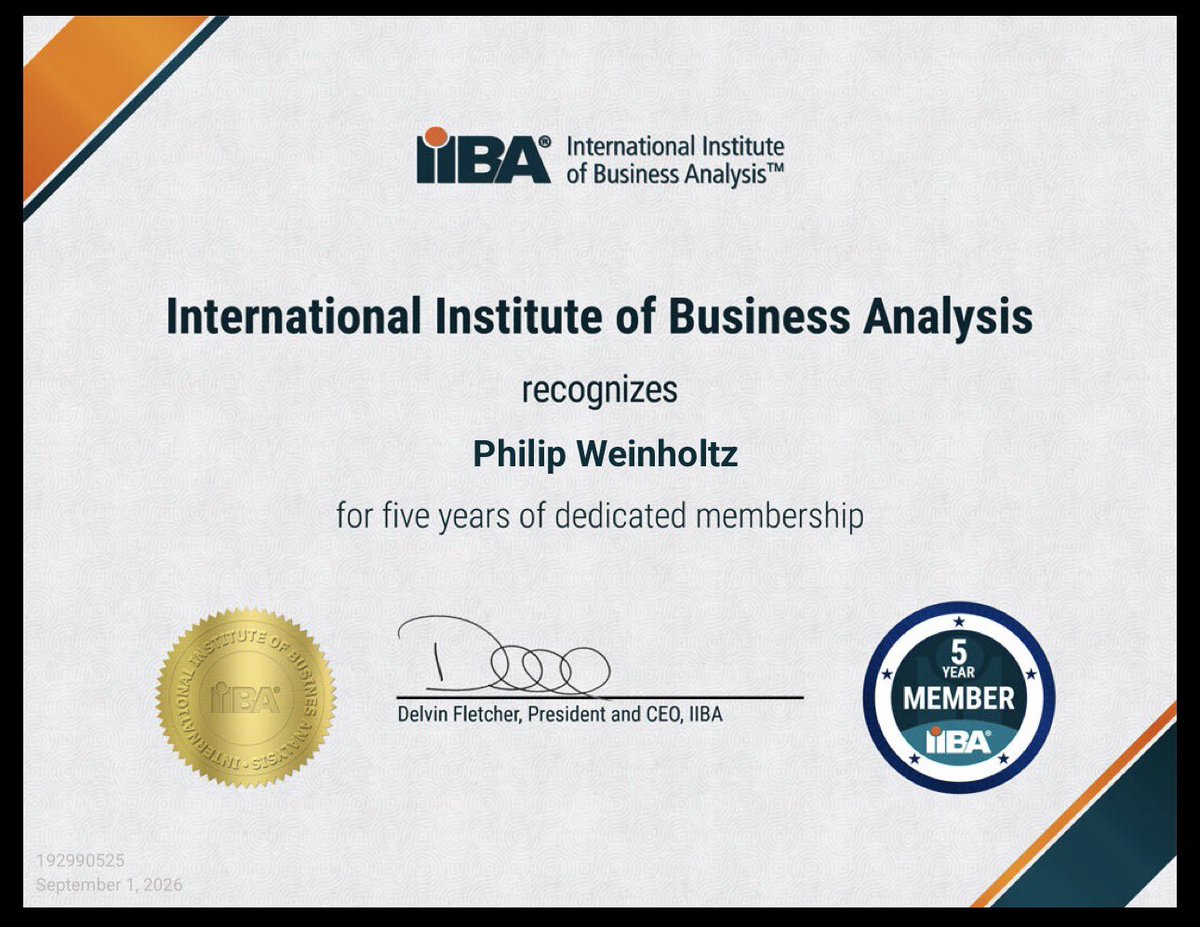
Proud to celebrate 5 years as a member of IIBA, continuing to grow at the intersection of business analysis, enterprise architecture, and digital transformation.
A credential commemorating 5 years of IIBA membership is a significant achievement, reflecting a deep commitment to the global business analysis community, the profession, and the continuous pursuit of achieving better enterprise outcomes.
Skills / Knowledge: #Commitment #Criticalthinking #ChangeAgent #BusinessAnalysis #Professionalism #Advocate #Category
Embark on a whimsical adventure with "Enterprise Architecture Explained: A Claymation Journey!" In just three minutes, this playful animated film dives deep into the six primary domains of Enterprise Architecture: Business, Information, Application, Technology, Security, and Integration. With a charming claymation style reminiscent of “The Nightmare Before Christmas”.
If you enjoyed this claymation experience, please like and share the video!
#EnterpriseArchitecture #Claymation #BusinessStrategy #Animation #TechEducation #StopMotion
We are glad to introduce our speaker Philip Weinholtz from Lincoln Laboratory to Conferenzia World's upcoming Global OPEX Business Transformation Summit taking place on the 7th – 9th June, 2023 Orlando, Florida, USA
https://t.co/oTNSlLgKGV
Being Proactive Rather than Reactive in Software Development
In today's fast-paced world, where quick development cycles and speedy deliveries are the norm, software teams constantly seek ways to improve efficiency and quality. One such methodology that has gained traction is the "Shift Left" approach. This approach emphasizes taking measures in the process to prevent problems later on. Let's explore what this shift entails and how it transforms the software development landscape.
Understanding the Shift Left Approach
Traditionally, software development and testing followed a path. Development would occur first, followed by testing before deployment. However, the Shift Left approach challenges this model. The concept involves "shifting" testing and quality assurance measures to a stage in the development process.
Critical Aspects of Shift Left
1. Early Testing - Waiting for development to conclude, testing commences alongside development from the start.
2. Continuous Feedback - Developers receive feedback on their code, enabling them to address issues
3. Collaborative Approach - Developers, testers, and other stakeholders work closely together, breaking down barriers.
Benefits of the Shift Left Approach: Benefits of Early Defect Detection
1. Product Quality - Identifying defects at a stage helps minimize bugs in the final product. It is more convenient and cost-effective to address issues during the phases than after deployment.
2. Time to Market - By conducting testing with development, the overall cycle time is reduced, resulting in faster releases.
3. Cost-Effective Practices - Detecting and resolving issues prevents fixes and patches later, ultimately leading to cost savings.
4. Enhanced Collaboration - This approach promotes team communication, fostering a cohesive and unified development process.
#ai #data #analyze #analyzing #assets #automate #consistency #create #critical #cs
Natural Language Processing (NLP) https://t.co/27yPTnIucK via @YouTube Natural Language Processing (NLP) is a field that brings together computer science, artificial intelligence and linguistics. It plays a role, in helping #machines understand and #generate language allowing them to #interpret, #analyze and even imitate human speech and text. This technology has a history of #development progressing from pattern recognition to sophisticated machine learning models. #NLP #AI #CS
https://t.co/06s9NlQzfM “During a Senate hearing in March 2013, the country’s top authorities cautioned that digital assaults and electronic espionage were high risks to national security, overshadowing terrorism (Klein, 2013) (Cyber Security Guidance, 2014).” (W, D-C & W, 2019)