What are the effects of migration on European countries and cities? Read more about migration scenarios and their demographic impacts for the EU member states here: https://t.co/G8pa3hUQbk
How can we understand the multifaceted drivers of migration? A recently published FUME report series offers a deep dive into the drivers and trajectories of migration from four distinct case studies: Senegal, Ukraine, Tunisia and Iraq: https://t.co/Suug0zn6x4
Today on #WorldRefugeeDay, we recognise those displaced by conflicts. Explore our storymap that documents the history, migration drivers, and trajectories of Ukrainians’ migration during the peaceful and turbulent times just before the Russian invasion: https://t.co/PLeuKvtEA5
Students: join our research teams and make a meaningful contribution to ongoing projects! Gain valuable hands-on experience in a stimulating Nordic research environment.
https://t.co/yiHQcMK2Fv
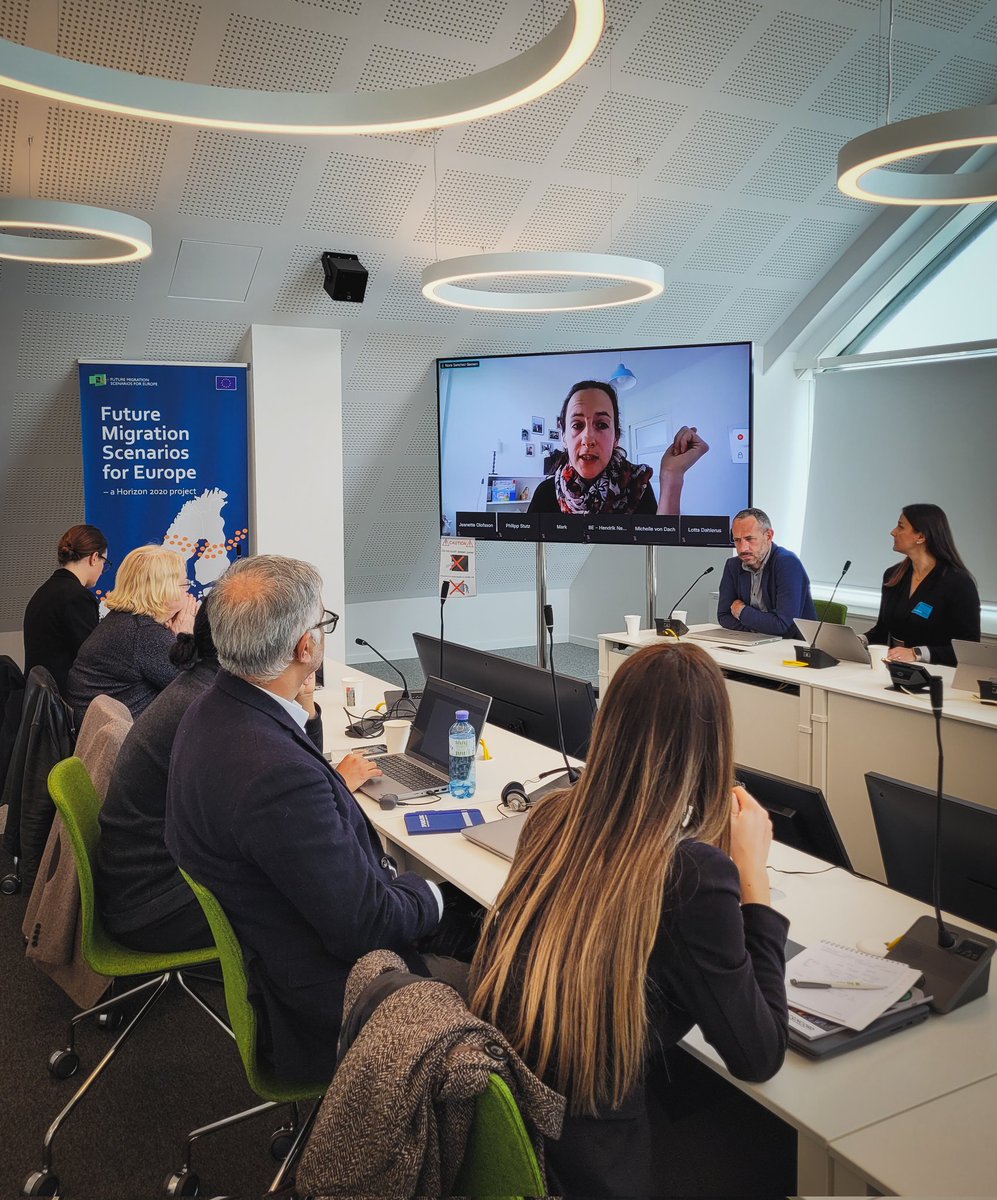
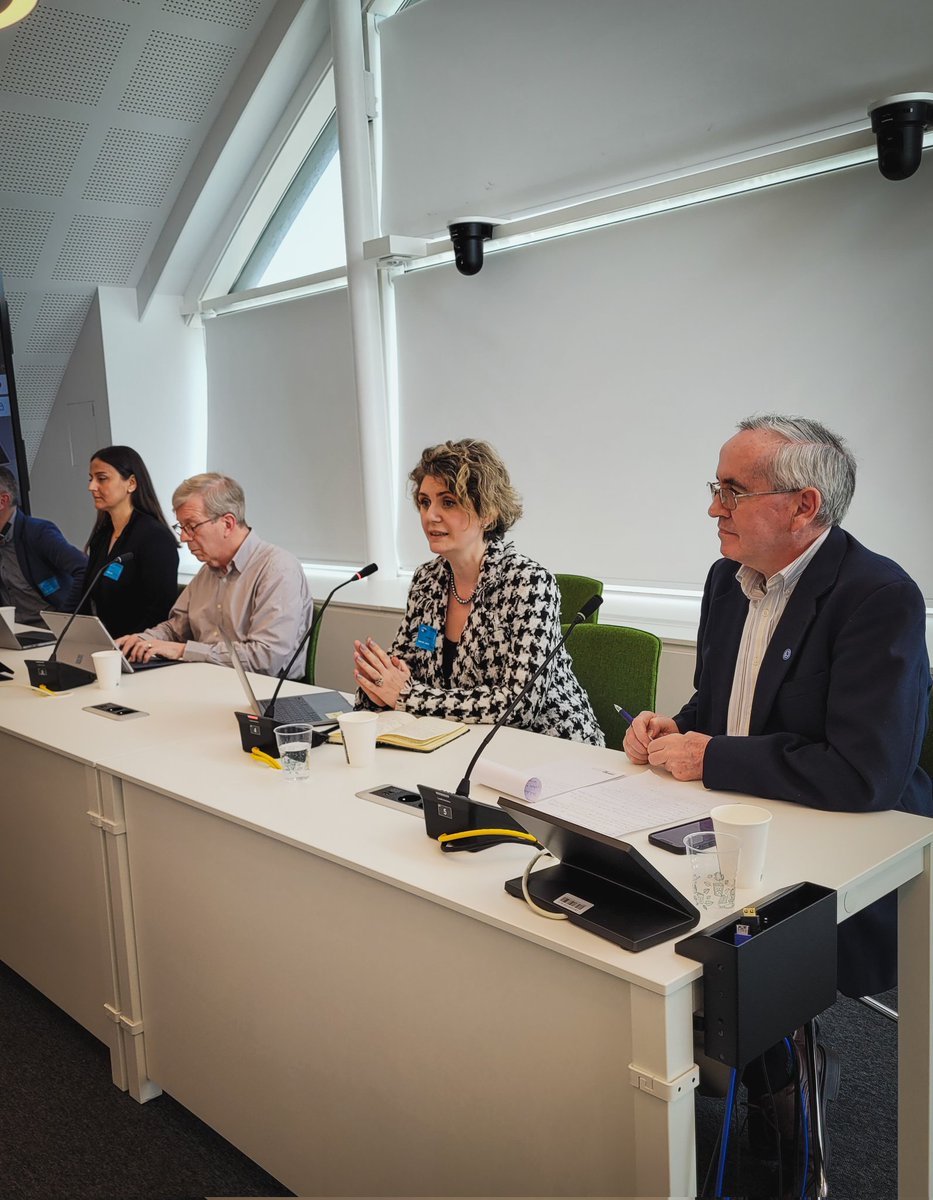
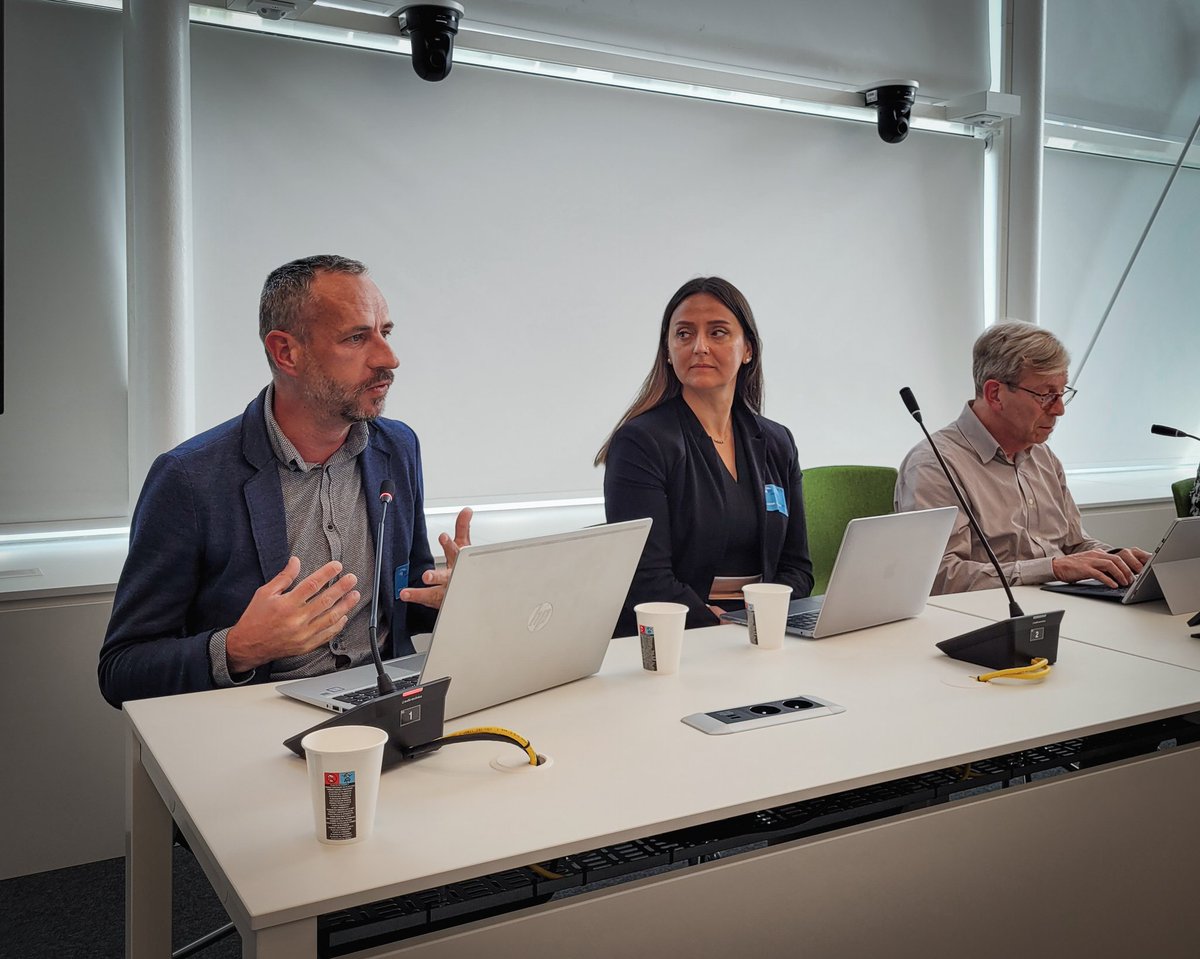
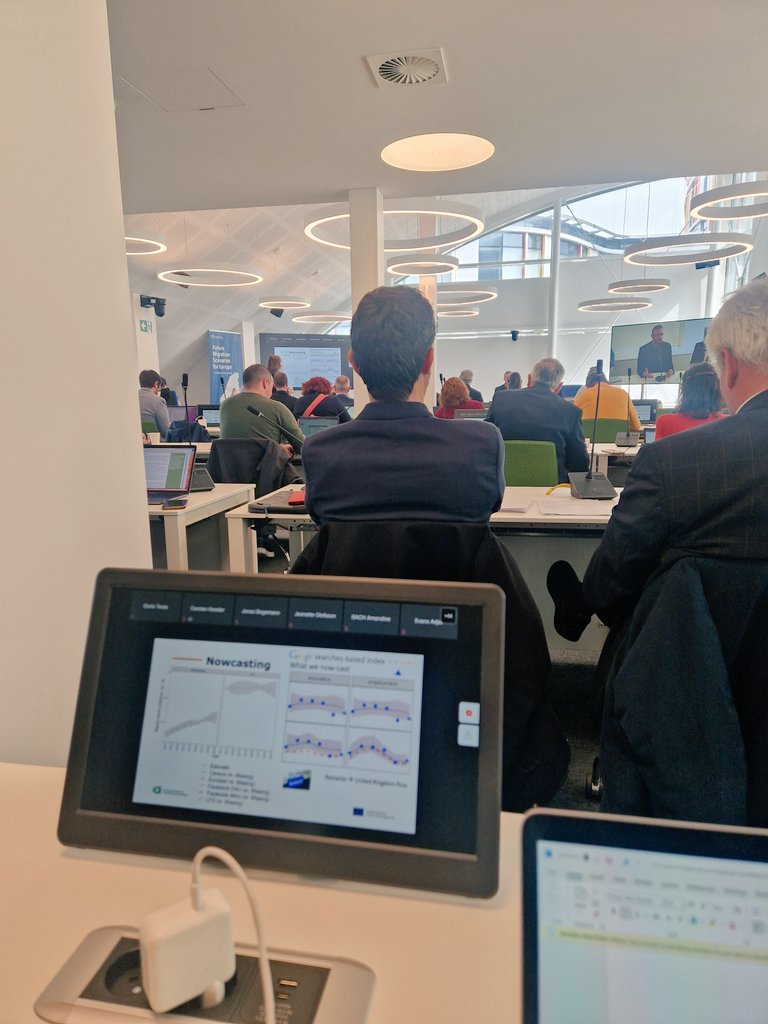
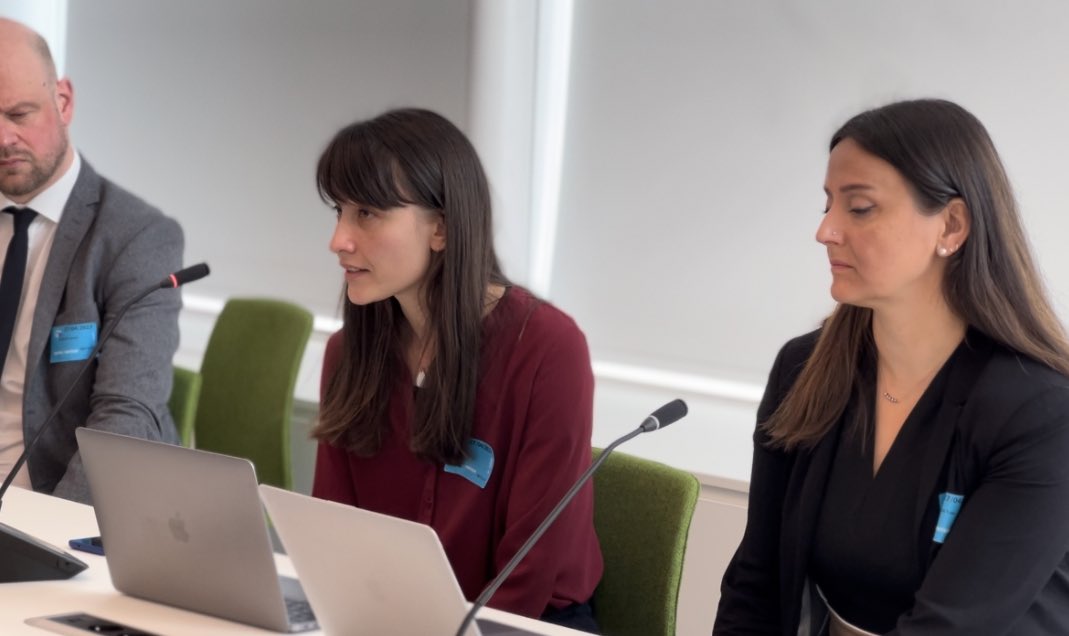
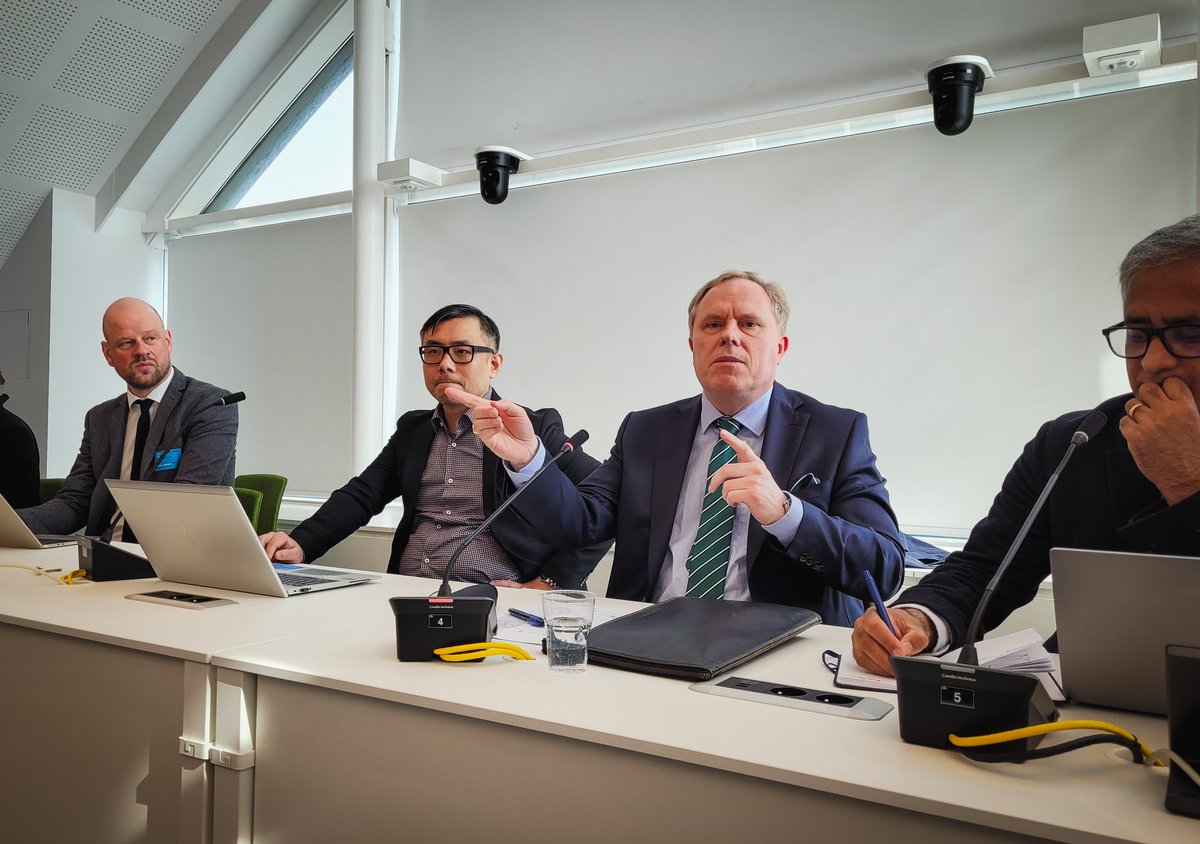
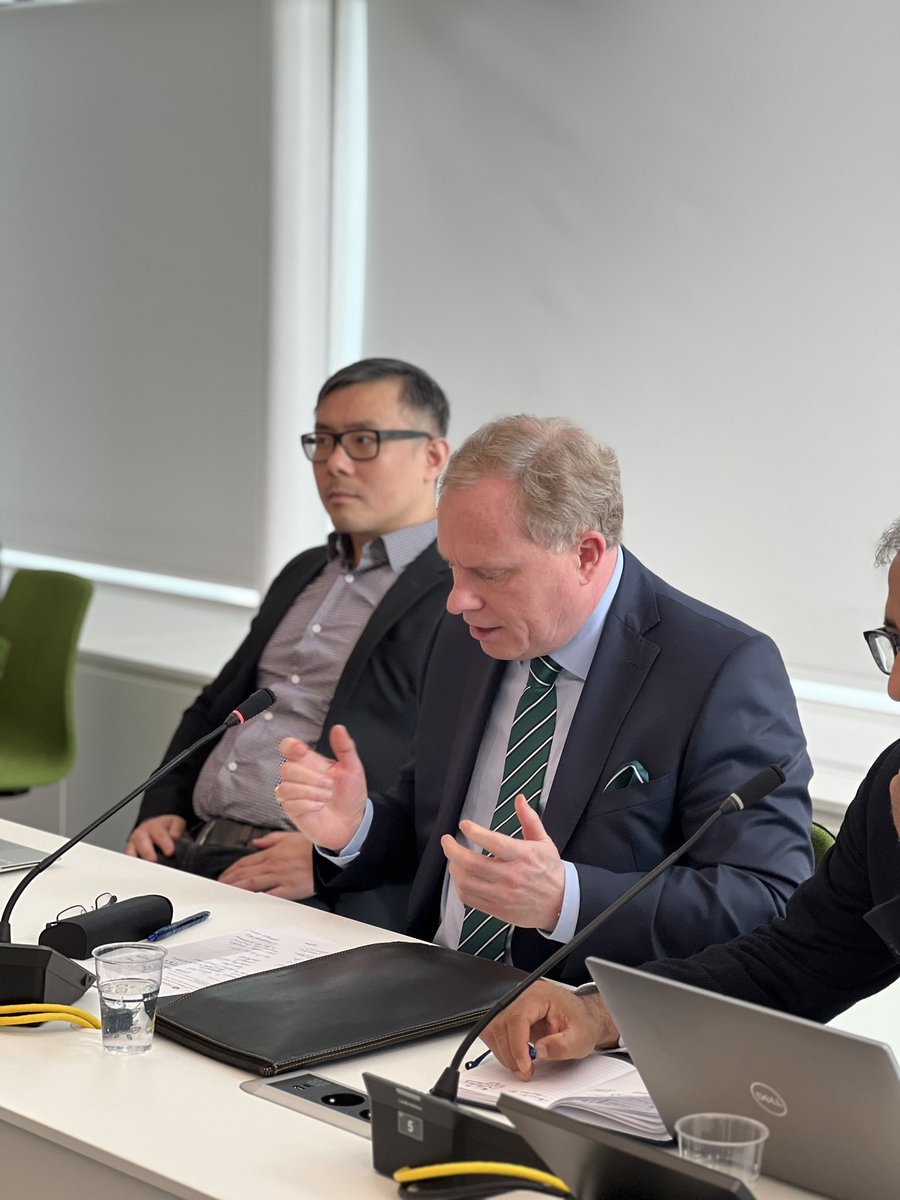
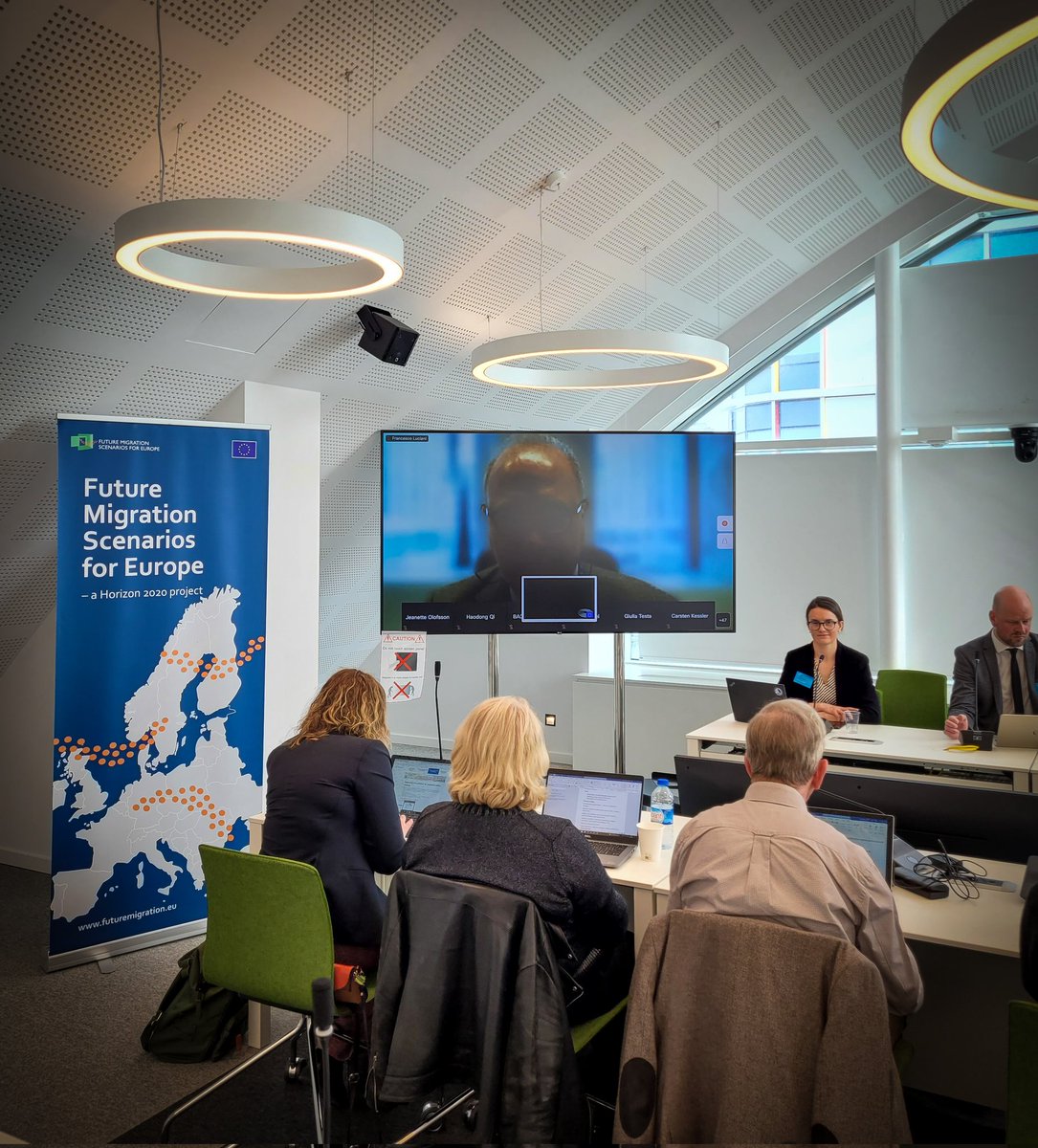
Last week, our final conference gathered academics, practitioners and policymakers to address pressing questions about migration projections and their impact on evidence-based policy development. Thanks for joining! @Nordregio@H20_HumMingBird@QuantMig@PIK_Climate@IIASAVienna
@bircantub: We have been talking about migration as a basic human right during this conference. There are many questions that still need to be answered – enough for the next decade. We look forward to more research and insight in the near future. Thank you for contributing!
Nora Sanchez Gassen: We can see the mismatch - what society needs versus what migrants can provide - and how to bridge the gap. As researchers we need to focus on what actually works and spread knowledge that is usable for the people working on-the-ground with migration.
Timothy Heleniak: Politicians need more short-term predictions. While we can’t predict the next war, we can help show them the unintended consequences of different migration policies as they are developing right now. Read the FUME policy brief here: https://t.co/glsznQkOAe
@BasakYavcan, @migpolgroup &
@H20_HumMingBird: While research shows us that restrictive migration policies do decrease migration flows, it comes with a lot of unintended consequences. E.g. much needed seasonal labour migrants – the ones that pick fruit in the summer - stop coming
Tom Devriendt: How long do we associate the arrival of migrants as a crisis? Major decisions by migration policy makers are being made while feeling the breath of far-right politicians on their necks. Being in constant crisis-mode does not create the solidarity needed.
@IdesNicaise: “Crisis” needs to be redefined in a broader way to reflect a growing migration reality. An EU crisis-directive is designed to address war conflicts and thus Ukrainian migrants are given protections, but what about victims of earthquakes or climate disasters?
🔹Round Table 2: From migration models & scenarios to policy decisions
🗣️Stefano Iacus: Academia is battling with data scarcity & disorganization. A framework is crucial to provide researchers with data & indicators, allowing for the production of relevant & timely information
Damien Jusselme @UNmigration: Data we got on Ukraine was made available quickly and made it easier for us to respond - programming and budgeting in real time. So we’re very interested in the nowcasting @fume_eu is doing.
🗣️Integrating social media can aid our research across diverse populations
However, we must be mindful of accessibility changes & privacy concerns
⚖️Balancing on individual & group #privacy while gathering meaningful #data is challenging but crucial for understanding #migration
Magnus Ovilius: Who is looking into how many migrants Europe can actually sustain? We are extremely interested in tools that bring all the research bits and pieces together and connect core indicators to today’s context - that’s forecasting. @EUHomeAffairs
🌍Drought is one of the most fundamental issues that affects migration
📊We can't afford to wait 30, 40, or 50 years to find solutions 🔍
📈To address this issue, we must take into account the global food index for modelling & make decisions that will impact the next few years
Francesco Luciani: Policy implementers are often too late. We need to capture scenarios in real time, and we need more than quantitative numbers. Migrants act rationally but can be hindered by biased information. We should understand the reasoning behind migration.