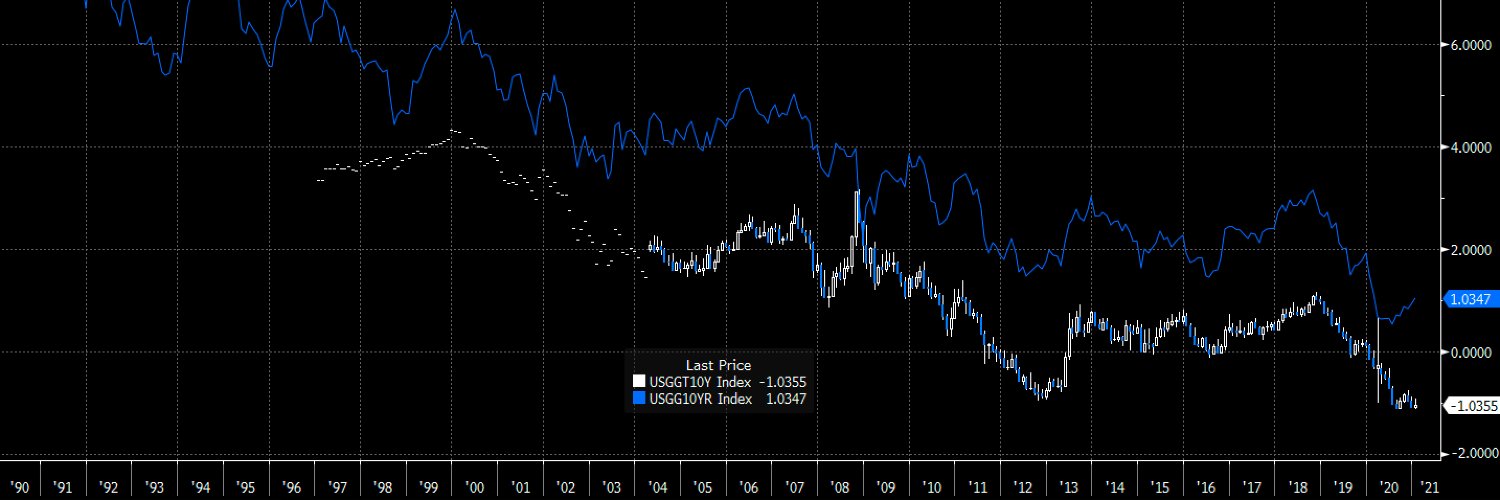
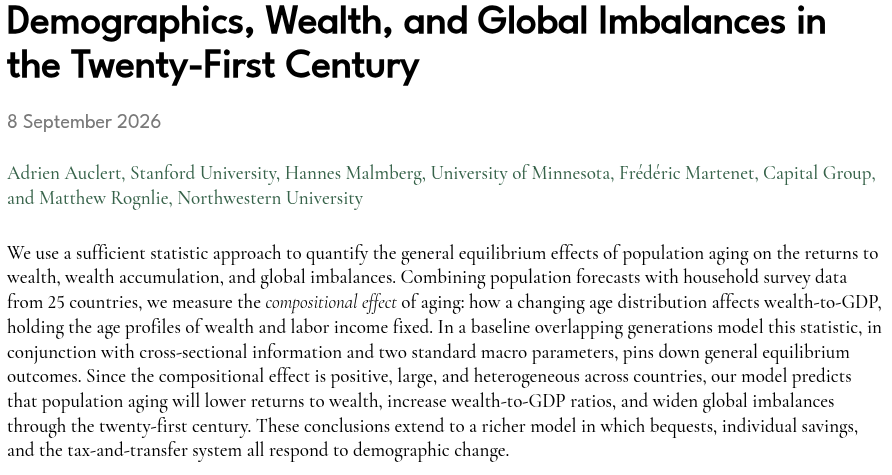
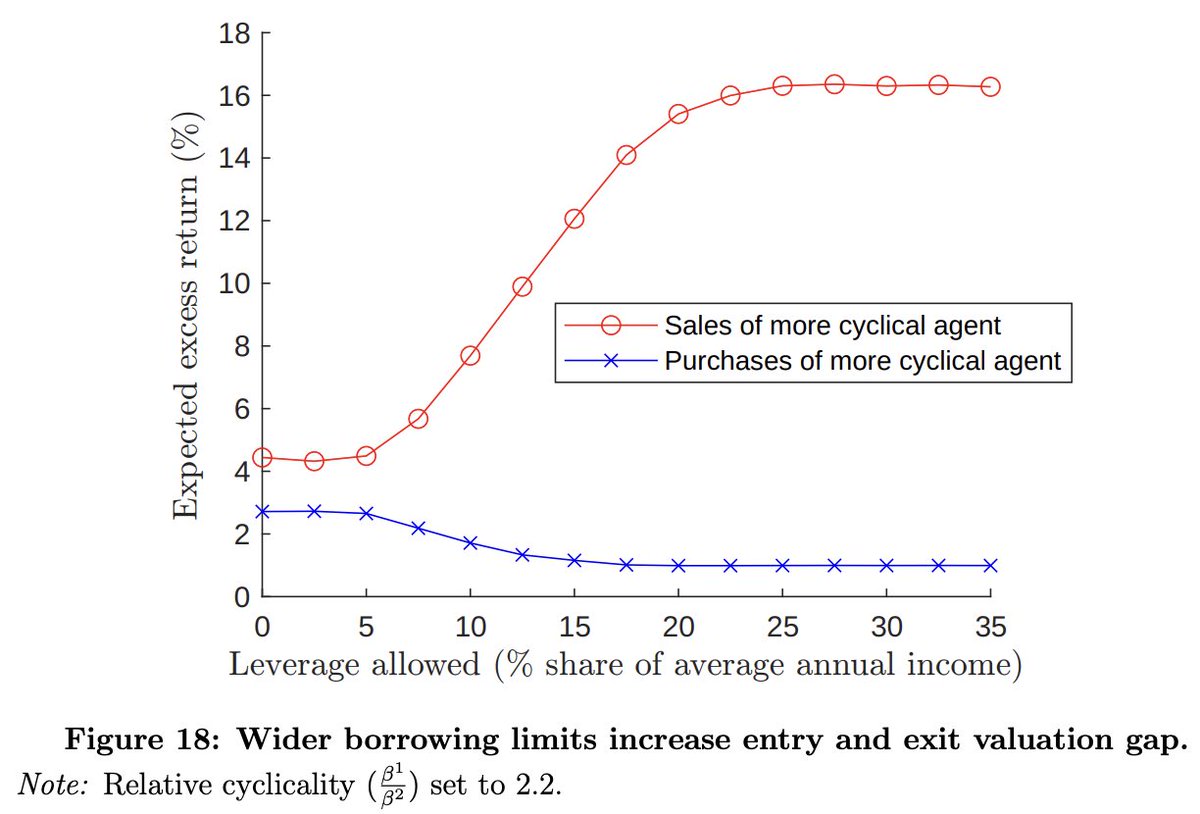
Labor market disparities spill into cyclical timing of home purchases and lead to lower returns on wealth for lower-income households:
Unequal Wealth Accumulation over the Business Cycle
https://t.co/1wFfj3WHkL
🚨New JPMorganChase Institute research: How are U.S. midsize firms adapting to 2025’s surge in tariffs and trade policy uncertainty? We analyzed proprietary payments data to find out. #TradePolicy#Tariffs
Oxford Economics report finds employment for 22-27 y.o. college grads in computer science and mathematical occupations is down 8% since 2022: "Recent and experienced college graduate unemployment rates have always been lower than the national average, until now"
We released a note today exploring how these patterns relate to broader wealth inequality. Thanks to @chrisowheat for prompting the conversations that led to this piece! Read here: https://t.co/8SM9BBoQxv
As context for understanding how recent stock market declines are affecting household finances, it’s worth noting the substantial rise in U.S. households’ exposure to equities in recent years. Notably, investing growth has been strongest among lower-income individuals.
Yesterday, the #JPMCInstitute released two reports that provide new insights into retail investing trends. We explore risk-taking in retail investor portfolios and the behavioral patterns driving investment decisions.
https://t.co/lxApKRYGkc
I was just the Under Secretary for Economic Affairs at the U.S. Commerce Department. Here's the economic research that was really helpful to us.
(Thank you @mattyglesias for the opportunity to guest-post!)
https://t.co/u3qbrTpM2O
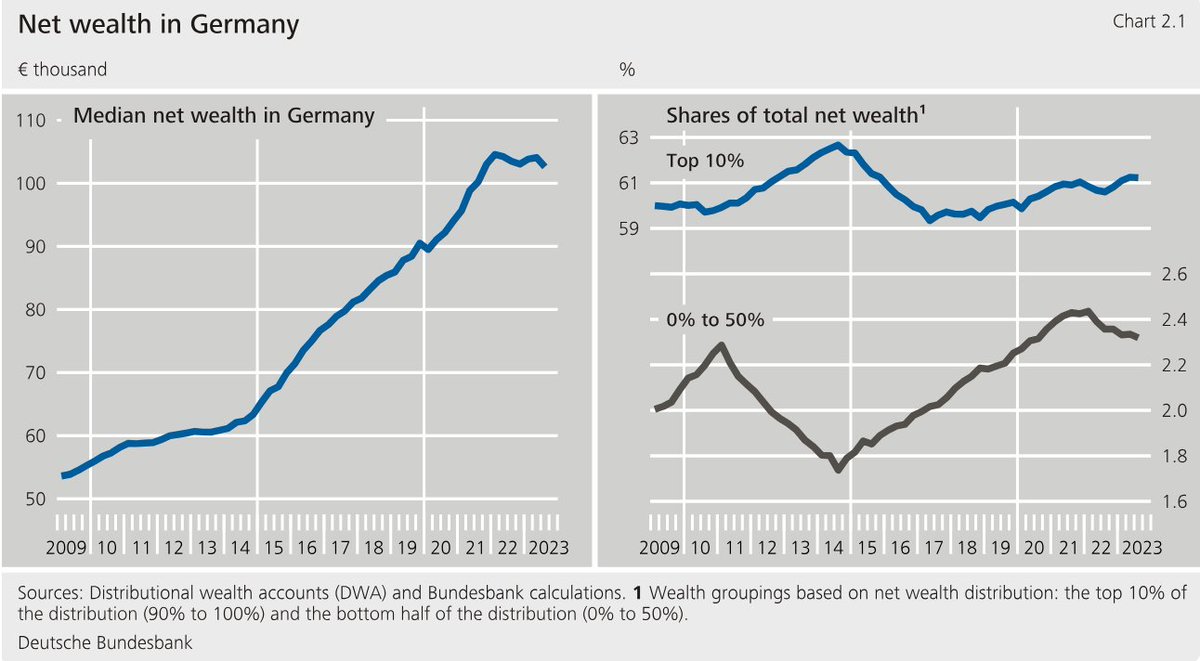
Timely data for Distributional Wealth Accounts (DWA) of German households?
➡️here you go with the new QUARTERLY dataset provided by @bundesbank
➡️combines household survey with macro balance sheet data augmented by rich lists
➡️highly valuable for macro analysis
🧵\1👇
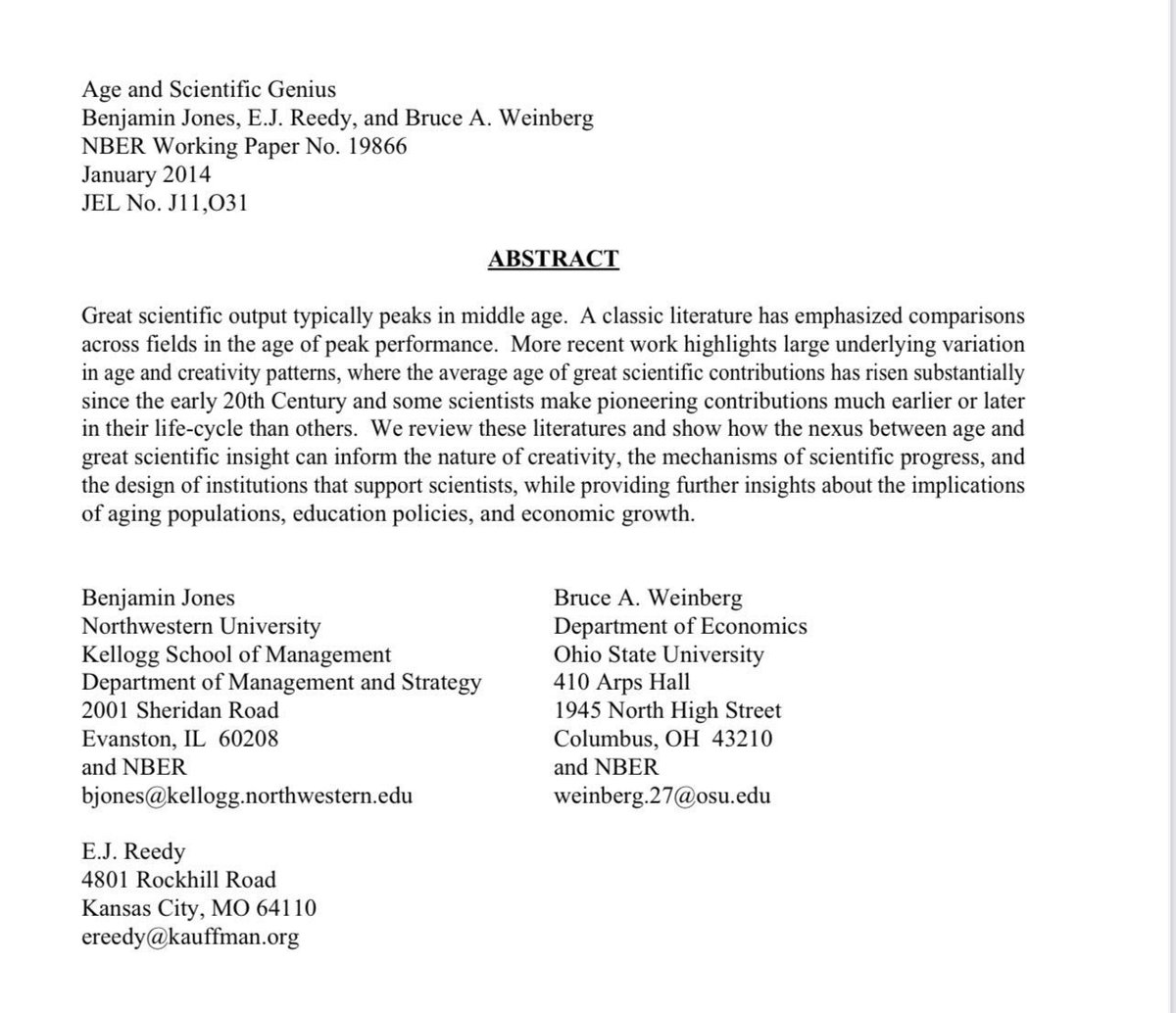
The age at which scientists or inventors achieve their moment of genius increasing: Half of all pioneering contributions in science now happen after age 40, it used to be younger.
Why? There is much more to master before making a contribution to a field. https://t.co/xOxUhNr3nQ
Countercyclical monetary policy helps, but an overall implication of the model is the tradeoff between tight labor markets (good for redistribution of income) and elevated asset prices during booms (worse returns on wealth for those with more cyclical income).
Labor market disparities spill into cyclical timing of home purchases and lead to lower returns on wealth for lower-income households:
Unequal Wealth Accumulation over the Business Cycle
https://t.co/1wFfj3WHkL
Adding leverage to the model (a nonlinear global two agent DSGE) enables faster wealth accumulation in early stages of recoveries but leads to fire sales in downturns when access to borrowing dissipates.