It was great joining Njideka Akunyili Crosby — a gifted Nigerian-born, Los Angeles-based artist — to unveil our first portrait together. This piece reflects so many chapters of Michelle and my story, and we’re thrilled that it will be on display in the Hope and Change lobby at the Obama Presidential Center starting this Juneteenth.
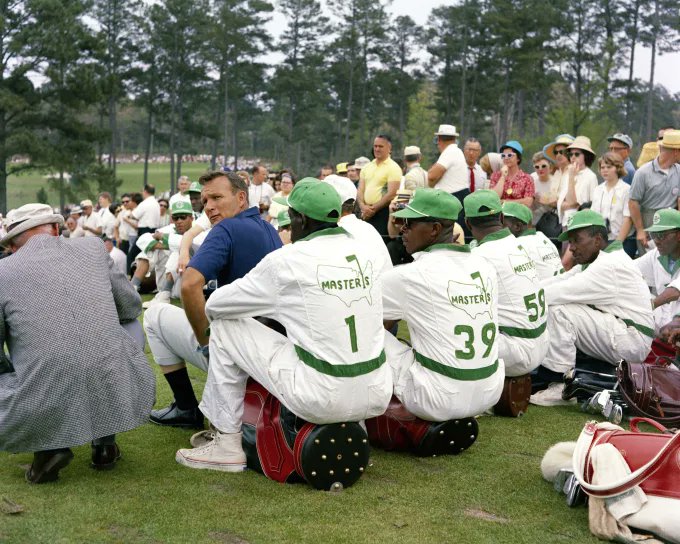
Picked such an iconic photo for a historical subject we don't talk enough about! The history of the Black caddies at the Masters is a deep one; for almost 50 years, only Black men caddied at the Masters. The hat you created deserves to be seen and is a cool piece to own, for those who love the sport.
The folks over at Lucy Craft Laney Museum in Augusta, should see this one.
Today is 5 HEARTBEATS 35th ANNIVERSARY
Thanks to my friend co-writer @KeenenIvoryWayans CAST, CREW,FANS for making this a classic.If you haven’t seen the doc “MAKING the FIVE HEARTBEATS” it’s available on all platforms. As we say in the film “Got nothin but love for ya Baby!“
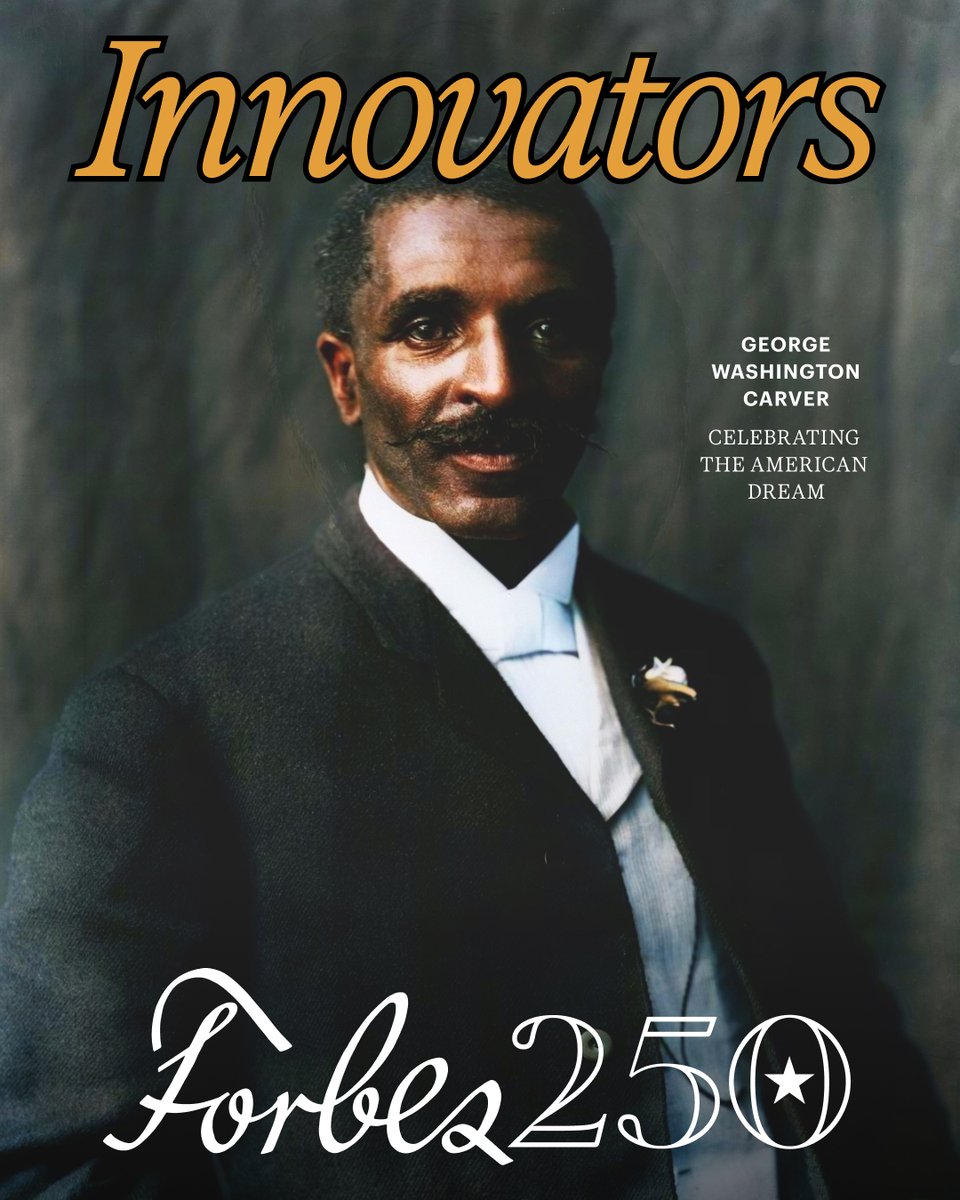
George Washington Carver pioneered agriculture with concepts of crop rotations. He taught farmers to plant nitrogen-fixing crops such as peanuts and soybeans.
However, he was making history years before when he became the first Black student at Iowa State University, where he earned his bachelor's and master's degrees. After, he became the first Black faculty member.
His contributions to agriculture planted him on the #Forbes250 list honoring historic innovators: https://t.co/YMzxi4ftVm
Photo: Heritage Images via Getty Images
Good morning. The President of the United States was in the middle of the most serious child sex trafficking ring of the last quarter century.
He is referenced not a dozen times in the case files. Not 100 times. Not 1,000 times. He’s referenced 38,000 times.
This week, I learned that I was uninvited to this year’s National Governors Association dinner — a decades-long annual tradition meant to bring governors from both parties together to build bonds and celebrate a shared service to our citizens with the President of the United States. My peers, both Democrats and Republicans, selected me to serve as the Vice Chair of the NGA, another reason why it’s hard not to see this decision as another example of blatant disrespect and a snub to the spirit of bipartisan federal-state partnership.
As the nation’s only Black governor, I can’t ignore that being singled out for exclusion from this bipartisan tradition carries an added weight — whether that was the intent or not.
What makes it especially confounding is that just weeks ago I was at the White House with a bipartisan group of governors, working with the administration on reforms to lower energy costs and strengthen grid reliability. We proved in that moment what’s possible when we stay focused on outcomes over politics.
As Governor of Maryland and Vice Chair of the NGA, my approach will never change: I’m ready to work with the administration anywhere we can deliver results. Yet, I promised the people of my state I will work with anybody but will bow down to nobody. And I guess the President doesn’t like that.
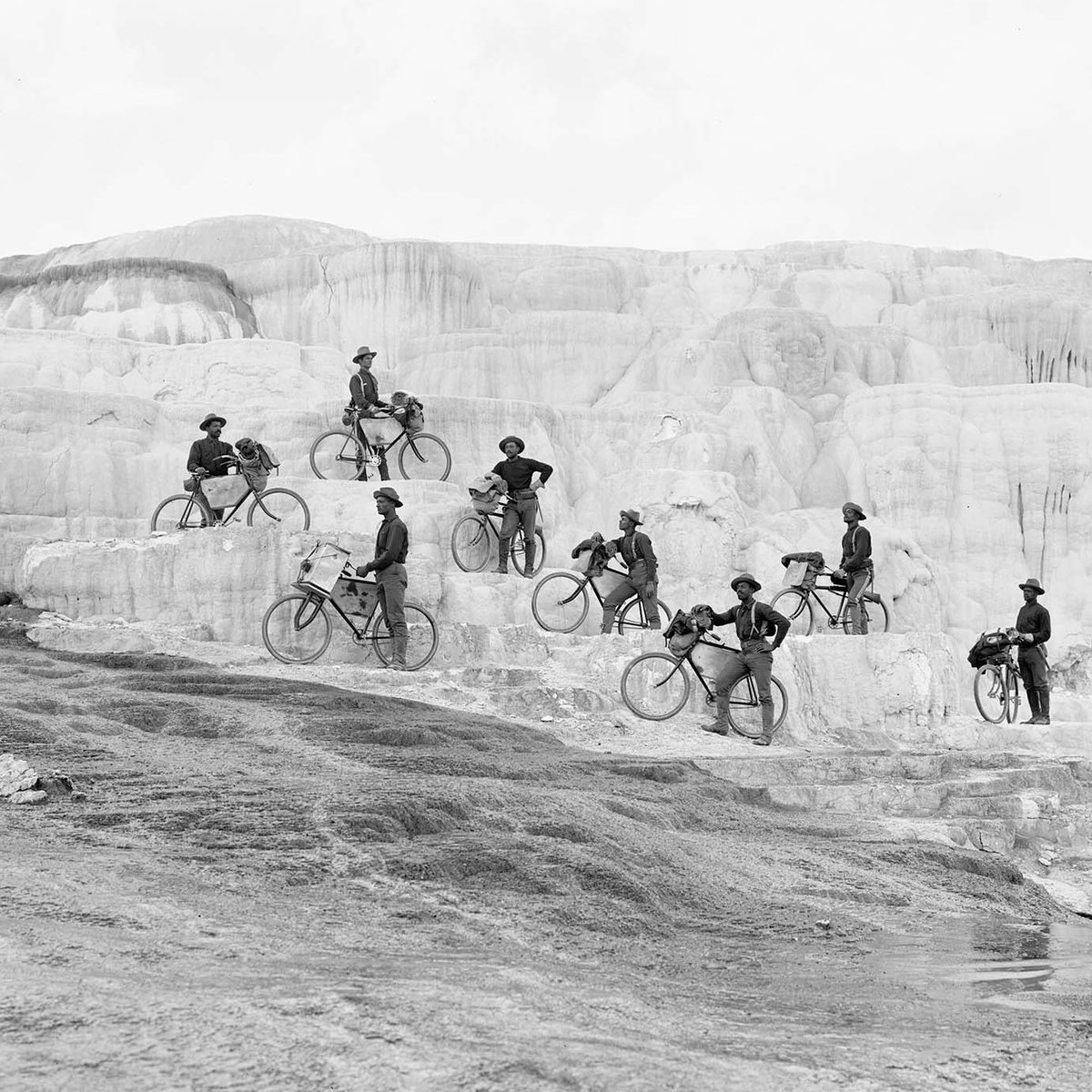
Some of the first park rangers in America weren’t rangers at all. They were Buffalo Soldiers — Black Americans who served in the U.S. Army after the Civil War. These dedicated men protected wildlife from poachers, built trails, and forged a proud legacy in our nation’s history.
Kunle Olukotun, a Nigerian, is a Stanford professor often called the “father of the multi-core processor.” His Stanford Hydra project led to the first general-purpose multi-core CPU, enabling the parallel processing required to train large AI models like ChatGPT. He is currently chief technologist at SambaNova Systems, which builds hardware optimized for AI workloads.
David Blackwell was a pioneering mathematician and the first African American inducted into the National Academy of Sciences. His foundational work in game theory, Bayesian statistics, and dynamic programming remains central to modern machine learning and decision-making systems. NVIDIA honored him by naming its latest AI-focused GPU architecture “Blackwell.”
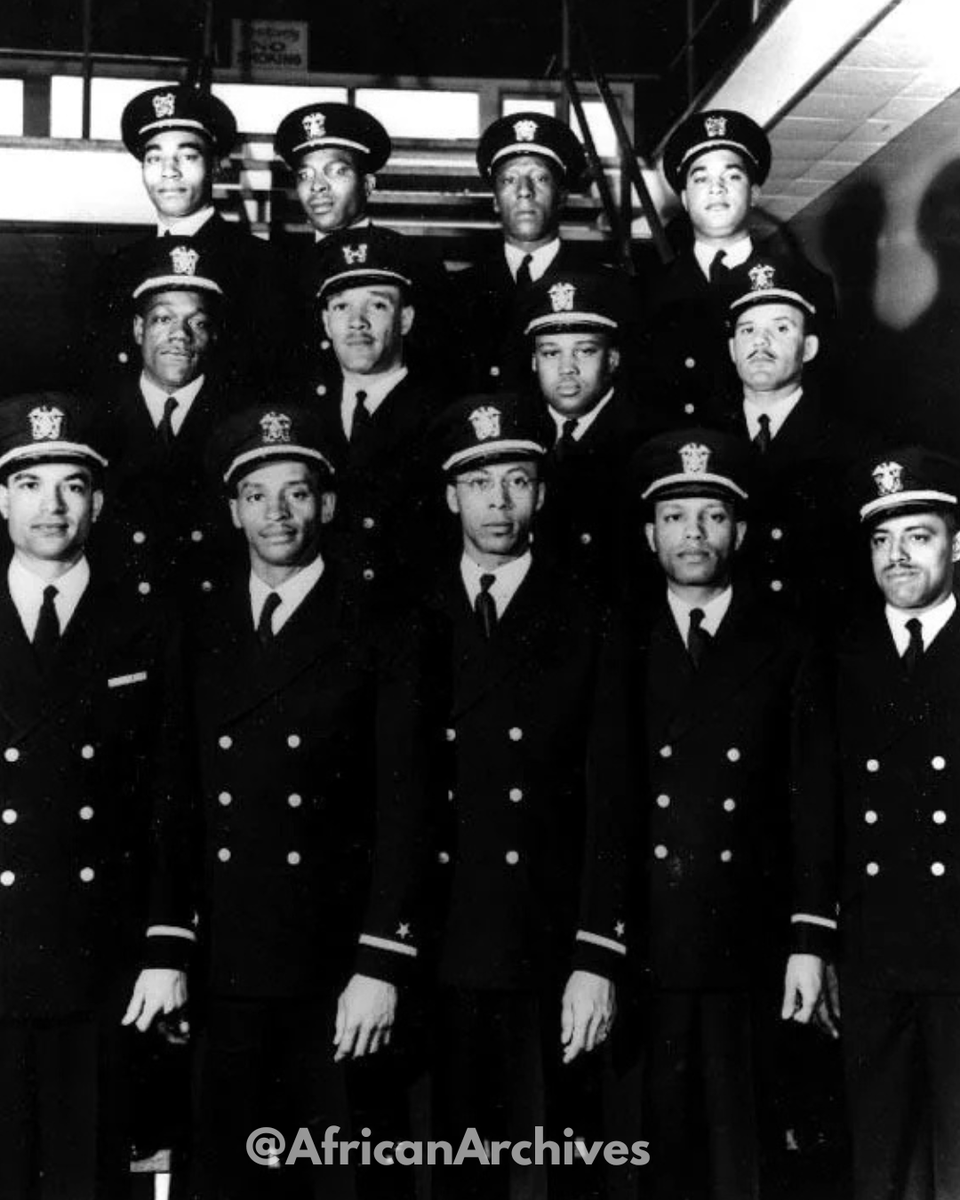
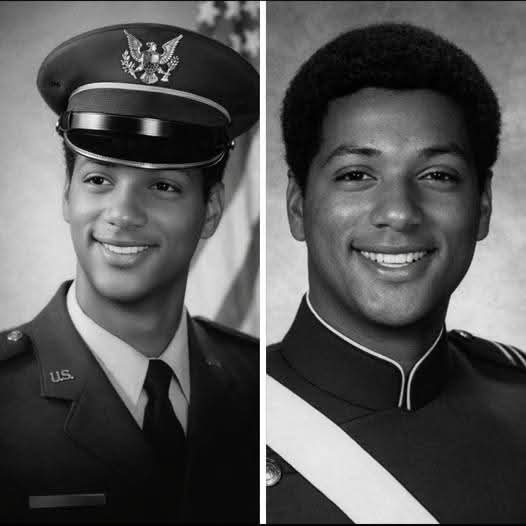
THE GOLDEN THIRTEEN
In 1944, the Navy gave 16 Black men 8 weeks to complete 16 weeks of training. All 16 passed with some of the highest scores recorded in Navy training. The Navy commissioned only 13. Three men who passed were denied commissions—no reason given. This is their story.
In 1944, as World War II raged across the globe, the United States Navy remained strictly segregated. Black sailors were largely confined to menial roles—cooks, stewards, and laborers—regardless of their intelligence or leadership ability. Against this backdrop of institutional racism, a quiet but historic challenge unfolded at Great Lakes Naval Training Station in Illinois. It would produce a group later known as the Golden Thirteen.
That year, the Navy selected 16 highly qualified Black enlisted men for an experimental officer training program. From the start, the odds were stacked against them. While white officer candidates received 16 weeks of instruction, these men were ordered to complete the same curriculum in just 8 weeks. They were given no textbooks, little formal instruction, and no assurance that passing would lead to commissions. Instead, they were expected to teach themselves navigation, seamanship, naval law, engineering, and leadership—under intense scrutiny.
Despite these conditions, all 16 men passed. Their scores were not merely adequate; they were exceptionally high, surpassing many other officer classes. Their performance left no doubt about their capability or readiness to lead. Yet when results were announced, the Navy commissioned only 13 of them, making them the first Black commissioned officers in U.S. Navy history.
The remaining three men, who had also passed, were denied commissions without explanation. No deficiencies were cited. Their exclusion underscored a harsh reality: even excellence could not fully overcome racism.
The Golden Thirteen went on to serve with distinction, though often in segregated units and without authority over white sailors. Still, their very presence as officers shattered a barrier that had existed since the Navy’s founding. Their achievement helped expose the lie of racial inferiority and helped pave the way for the Navy’s desegregation in 1948.
For decades, their story was largely ignored. There were no parades, no immediate honors. Yet their legacy endures. The Golden Thirteen proved that leadership, intelligence, and courage are not bound by race—and that progress is often forced into existence by undeniable excellence.
They were given half the time, fewer resources, and no guarantees.
They passed anyway.
And in doing so, they changed the U.S. Navy forever.
If you love our content and would like to support the page, you can buy us a coffee here: https://t.co/K1AhtZuOFs
In 1934, Dr.Kwame Nkrumah applied to the Lincoln University for an admission to study. One year past and he had not received an offer or a response.
He then wrote an emergency letter to the Dean of Students at the University in 1935 reminding him of his request for an admission to study at the university.
Kwame Nkrumah arrived in Philadelphia in 1935 to begin undergraduate study at Lincoln University. After completing a bachelor’s degree in Sociology magna cum laude, Lincoln admitted him to its Theological Seminary in 1939 for an additional degree in Sacred Theology.
It was at this time, however, that Nkrumah began concurrent enrollment at the University of Pennsylvania in the hopes of acquiring multiple degrees simultaneously. Supporting himself through a precarious combination of scholarships and seasonal work in the segregated shipyards of Philadelphia, Nkrumah regularly visited Harlem and Washington to speak on anti-imperial themes in churches, on street corners, at political rallies, and in classrooms. In so doing, he managed to meet such prominent intellectuals of the African diaspora as C.L.R. James, Nnamdi Azikiwe, and Marcus Garvey. As he later recalled in his autobiography, “Life would have been so much easier if I could have devoted all my time to study. As things were, however, I was always in need of money.”
After receiving his Master’s degree from Penn’s Graduate School of Education in 1941, Nkrumah began another program of study with the Department of Philosophy on a University Scholarship. His advisor Glen Morrow noted that he satisfied the requirements for a Master’s degree in Philosophy in 1943, and by 1944 it appears that he had passed his preliminary exams for a doctorate. He then began working as a Twi instructor for Zelig Harris in a new African Studies graduate group, and in 1945 he left the United States for London and Manchester. He finally returned to the Gold Coast in 1947.
If you love our content and would like to support the page, you can buy us a coffee here: https://t.co/K1AhtZuOFs
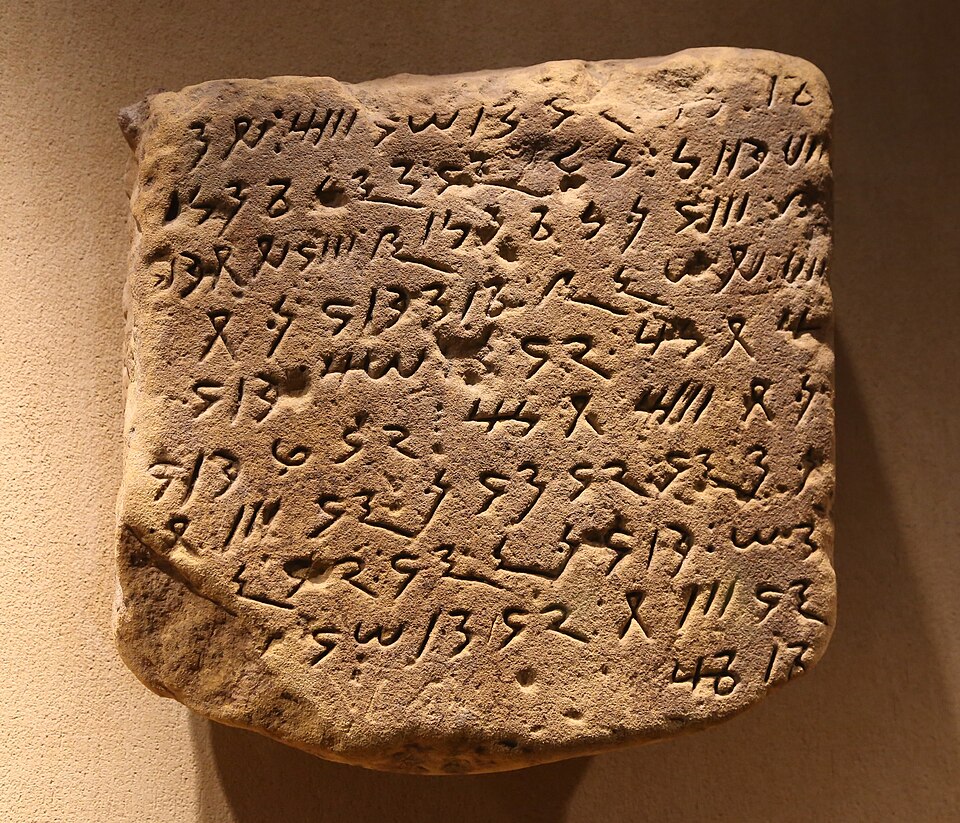
In 300 BC, while Rome was still a regional power, the Kingdom of Kush created the Meroitic script.
British Egyptologist Francis Llewellyn Griffith deciphered the script in 1909.
But 115 years later, Western scholars still claim it's "mysterious" and "poorly understood."
Because an African language destroys the lie that Africa had no written history before European contact.
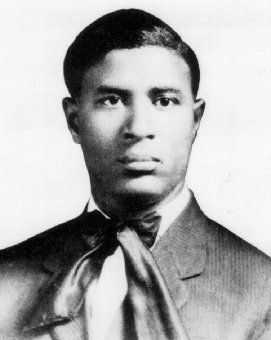
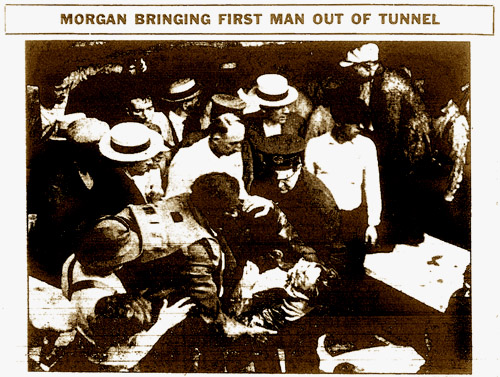
Garrett Morgan invented Breathing Apparatus for Firefighters, when workers were trapped in a tunnel fire in Cleveland in 1916, Garrett was the only one brave enough to enter with his invention. He saved the lives of every man.
He also invented Traffic Lights.
He was a Black Man.
On the morning of September 11, 2001, LeRoy Wilton Homer Jr. reported for work like he had countless times before.
He was a pilot. A husband. A son. A Black man who had earned his place in a cockpit that had never been designed with him in mind.
When United Flight 93 was hijacked, LeRoy didn’t disappear into fear. From inside the plane, a calm but urgent voice reached the ground. He relayed what was happening. He fought for time. He fought for lives. And when passengers rose up against terror, he was already standing in resistance.
The plane never reached its intended target.
It crashed into a field in Pennsylvania instead—because the people onboard, including the pilots, refused to surrender quietly. Because courage lived in that cabin.
LeRoy Wilton Homer Jr. died that day at just 36 years old.
His name is rarely spoken when 9/11 is remembered. His face is often missing from the narratives. And yet, his sacrifice is inseparable from the lives he helped save. Even in a moment of national mourning, his story reminds us of a painful truth: Black heroism is too often overlooked, even when it costs everything.
But history does not forget forever.
LeRoy Homer was a Black pilot who faced terror with resolve, who helped prevent even greater loss, and who gave his life in the fight. He deserves to be remembered—not as a footnote, but as a hero.
Honor LeRoy Homer Jr.'s legacy by sharing his story and keeping his heroism alive. His courage deserves to be remembered.
#OnThisDay in 1872, P.B.S. Pinchback became governor in Louisiana — the first Black officeholder to do so in the U.S. He was appointed to the position during impeachment proceedings against the elected governor.
His father was a white Mississippi plantation owner, and his mother had been freed from slavery before her son was born. When his father died, he and his family moved to Ohio, and by age 12 he was supporting his family, eventually working on Mississippi River steamboats.
He was so light-skinned he could have “passed” for white, but when the Civil War came, he eventually served as a captain for the 74th U.S. Colored Infantry.
During Reconstruction, the Republican politician helped establish Louisiana’s new constitution and was elected state senator before serving as lieutenant governor and then governor.
In “Redemption: The Last Battle of the Civil War,” Nicholas Lemann described Pinchback as a larger than life figure — “newspaper publisher, gambler, orator, speculator, dandy, mountebank (who) served for a few months as the state’s governor and claimed seats in both houses of (Democratically controlled) Congress following disputed elections but could not persuade the members of either party to seat him.”
Pinchback helped establish Southern University for Black students and aided Homer Plessy’s challenge of segregation in public transportation.
https://t.co/EhnE3UQLOd