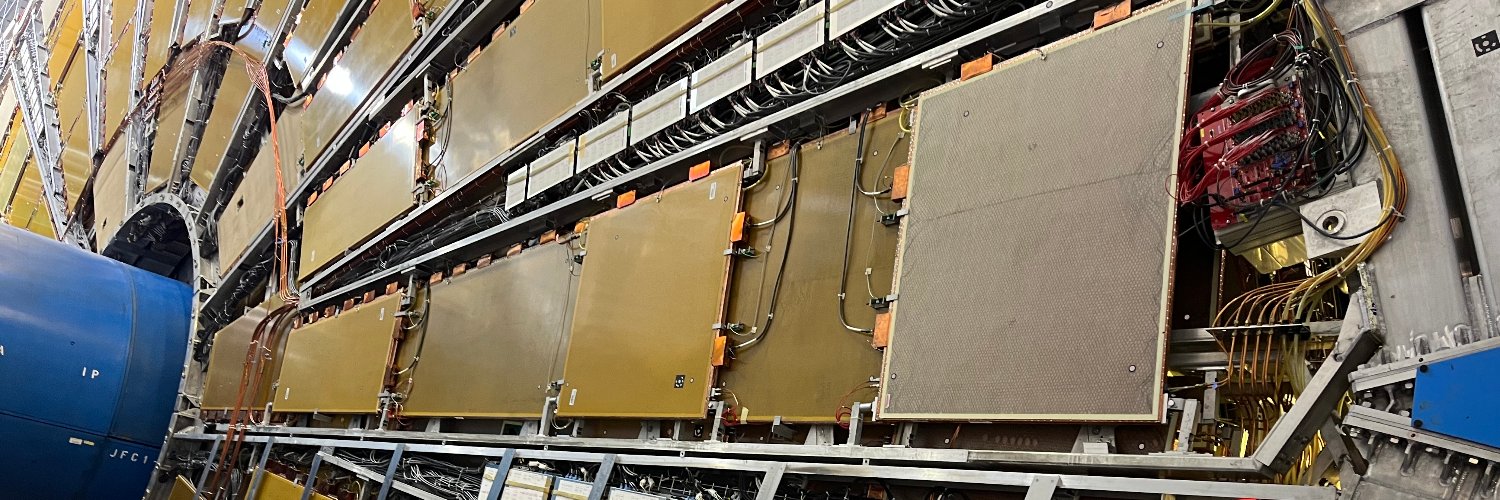
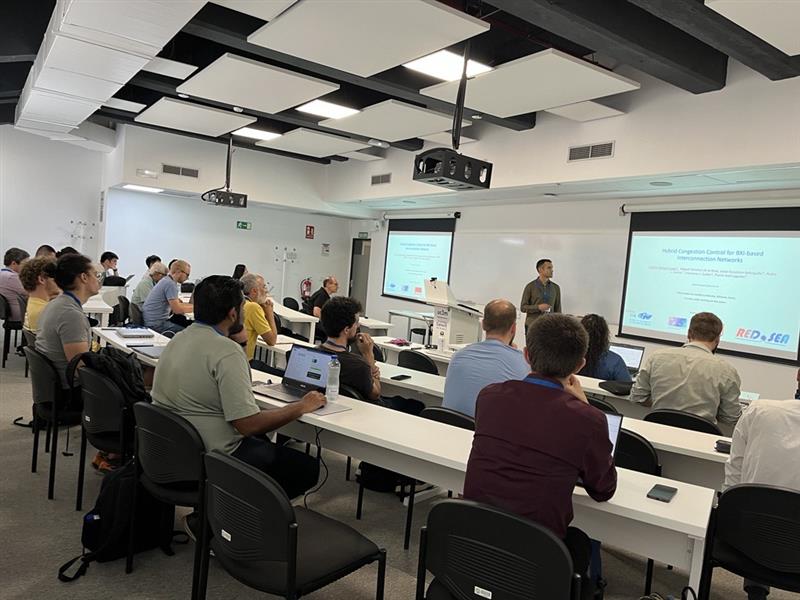
Los días 15 al 17 de julio, participamos en Ginebra (Suiza) en la #CERNSteamAcademy, impartiendo el curso “Redes de Interconexión de Altas Prestaciones” (High-Performance Interconnection Networks). Fueron tres días apasionantes @gabrielgl8, @carlos_mn25
y Alberto Merino #CERN
Muy contentos por el premio en JENUI 2026 (BCN), otorgado por la RITSI , a nuestro artículo, donde 14 profesores describen cómo adaptar sus asignaturas a RISC-V, muy necesario para afrontar retos de soberanía tecnológica en 🇪🇸🇪🇺 @DSI_UCLM@I3aUclm@esiiab@uclm_es@jenuiconf
El director del #I3A de Albacete participa en la XXXV Escuela de Verano del Dpto. de Sistemas Informáticos @DSI_UCLM de la @uclm_es.
Una edición centrada en un objetivo estratégico: "Hacia la independencia europea en el diseño e implementación de chips". 🇪🇺💻
En la inauguración del XXXV curso de verano del @DSI_UCLM que este año lleva por titulo "Hacia la Independencia Europea en el Diseño y Fabricación de Chips" @I3aUclm@esiiab@uclm_es
📍 Curso de Verano UCLM
“Hacia la independencia europea en el diseño y fabricación de chips”
📅 6 y 7 de julio · Albacete
🎓 Gratis para estudiantes
✅ 1 crédito ECTS
Programa: https://t.co/S5CzaRBuYb
Inscripcion: https://t.co/q3YP72izH2
This isn’t a random scientist who got lucky.
Mariano Barbacid discovered the first human oncogene in 1982. He isolated H-RAS from bladder cancer cells and proved a single point mutation could trigger cancer. That finding launched the entire field of molecular oncology.
KRAS mutations cause 90% of pancreatic cancers. For 43 years, oncologists called KRAS “undruggable” because the protein had no obvious binding pocket. Barbacid spent the last decade using genetically engineered mice to systematically test every node in the KRAS signaling pathway, looking for combinations that would work without killing the patient.
The triple therapy blocks KRAS three ways at once: the main growth signal, the escape routes through EGFR and HER2, and the stress-response backup through STAT3. Cut the engine, seal the exits, disable the emergency system. Tumors vanished in mice and didn’t return for 200+ days after treatment stopped.
Pancreatic cancer has a 13% five-year survival rate. 8% for the ductal adenocarcinoma type this therapy targets. Most patients live one year after diagnosis.
The catch: this is preclinical. Human trials are 3+ years away. One of the drugs, RMC-6236, might get approved this year, but the full triple combination has regulatory hurdles.
Still. The man who discovered human oncogenes in 1982 may have just figured out how to eliminate the cancer those genes cause. That’s a 43-year arc from first principles to potential cure. Science rarely works this clean.
Se ha publicado el artículo "Distributed fast and accurate simulation platform for advanced ARM- and RISC-V-based HPC systems" de nuestros investigadores Gabriel Gomez, Miguel Sánchez De la Rosa, @jescuderos y @PedroJGarcia70 . Enhorabuena. https://t.co/KXP6YD0N6r
Se ha publicado el artículo "ECP: Improving the Accuracy of Congesting-Packets Identification in High-Performance Interconnection Networks" https://t.co/E1wgTv9Wby de nuestros investigadores @almendrasonica@jescuderos@PedroJGarcia70 y @FJQuiles . Enhorabuena.
🔉 COMUNICADO ESPECIAL AMETSE ⚠️
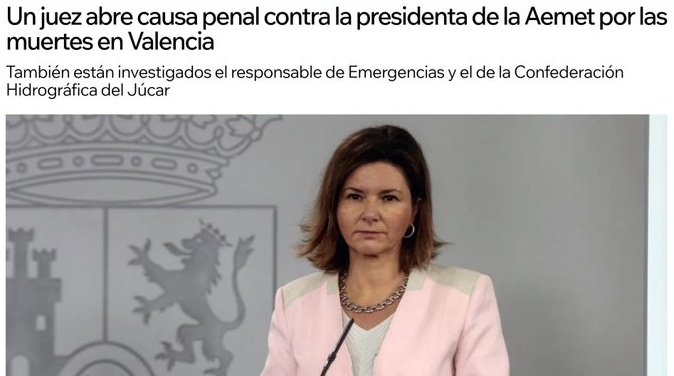
Ante la noticia que hemos conocido hoy relativa a la apertura de un proceso penal contra la presidenta de AEMET por lo sucedido en Valencia el pasado 29-O, desde la asociación meteorológica del Sureste-AMETSE queremos manifestar lo siguiente:
The article written by @gabrielgl8, Miguel Sanchez de la Rosa, @jescuderos, @PedroJGarcia70, @FJQuiles and Pierre-Axel Lagadec is now available for reading in the conference proceedings https://t.co/Da8lrK4lbT
On August 26th, our PhD student @gabrielgl8 presented the paper “Hybrid Congestion Control for BXI-Based Interconnection Networks” at the Euro-PAR congress. This work derives from the participation in the @Redsea_EU project.
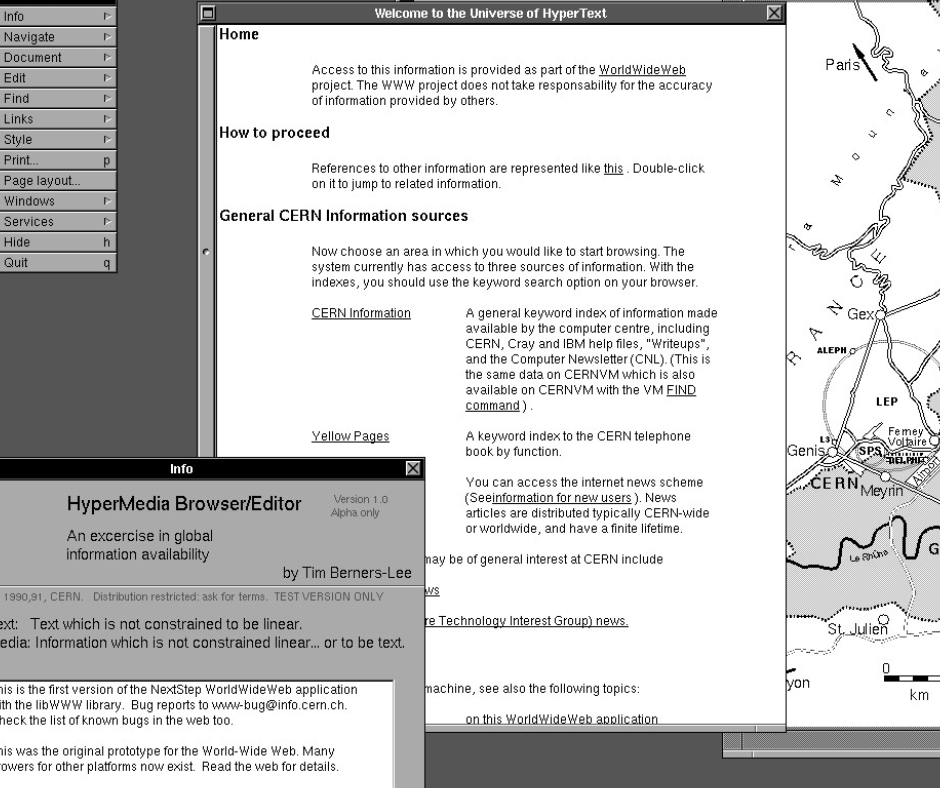
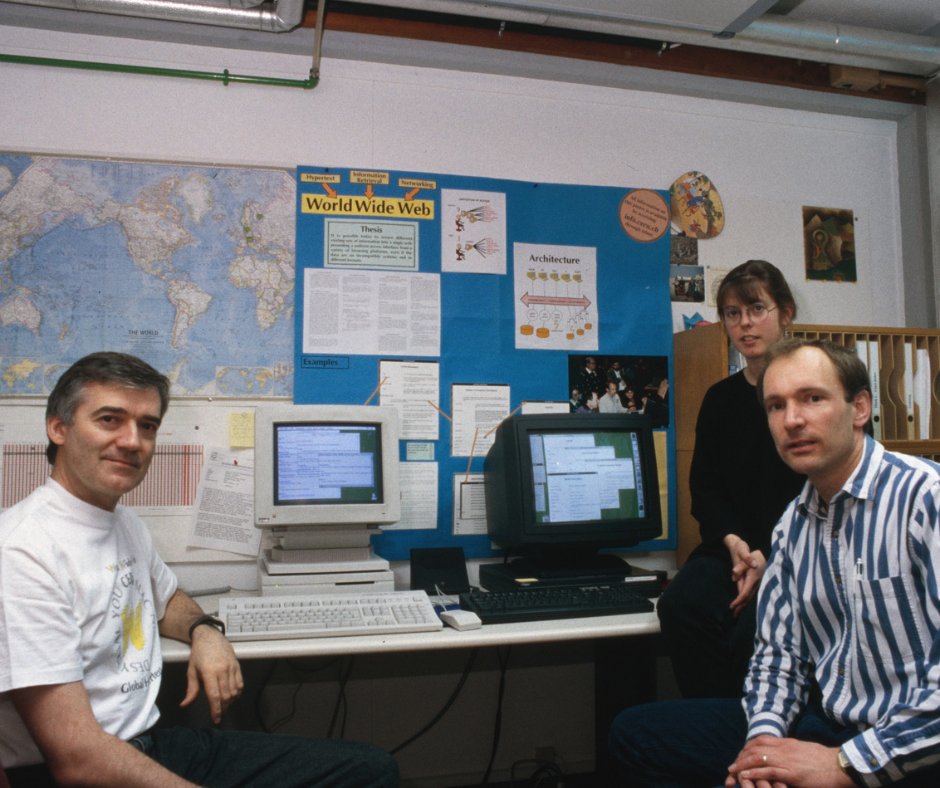
Where the Web was born…
#CERN70 – Part 15
#ThrowbackThursday to 1989, when Tim Berners-Lee, a young scientist working #atCERN, wrote a proposal for an information management system based on the Internet.
At the time, few people really understood the significance of his seemingly abstract idea. Luckily, his supervisor and a few colleagues had the foresight to let him work on an invention that would change the world.
Here we see:
1) Tim Berners-Lee (right), Robert Cailliau (left) and Nicola Pellow (top right), internet pioneers at the birth of the WWW (1993)
2) A screenshot of the first Web browser (1990)
3) The first page of Tim Berners-Lee's proposal for the World Wide Web in March (1989)
Find out more: https://t.co/RzJlyofokO
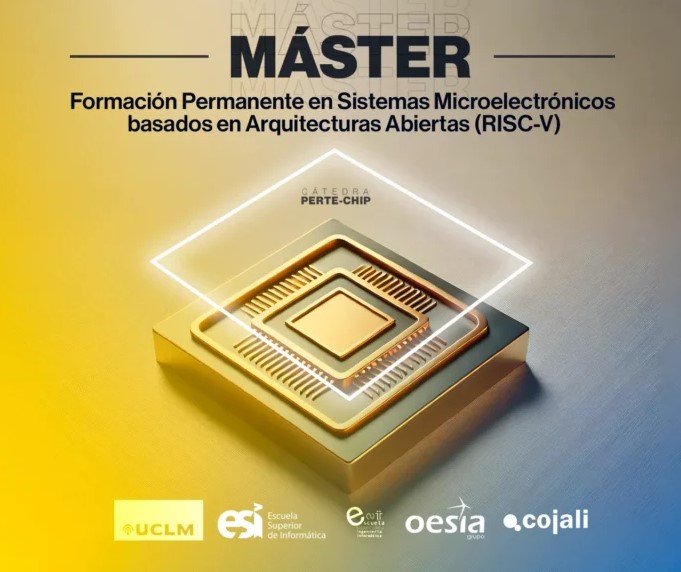
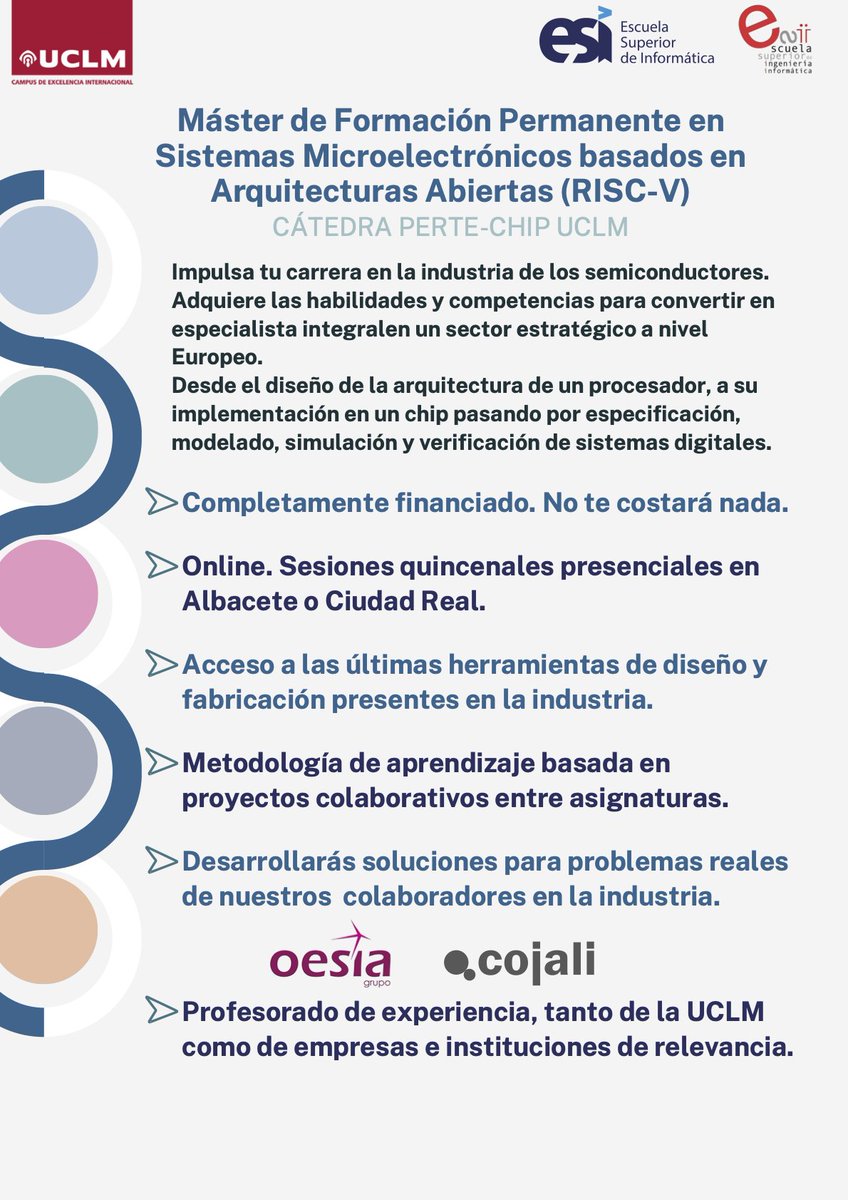
Máster en Sistemas Microelectrónicos Basados en Arquitecturas Abiertas (RISC V). Actividad de la cátedra #PERTEChip de la @uclm_es, completamente financiado.
@esiiab@esiuclm
🌐https://t.co/PRk81mWnm3
El profesor de la UCLM Francisco José Quiles Flor es elegido presidente de la Sociedad Científica Informática de España (SCIE), que aglutina a más de mil seiscientos profesores/as e investigadores/as del país.
https://t.co/WN5Wha7YCQ
Se ha publicado el artículo "Implementation and testing of a KNS topology in an InfiniBand cluster" en Journal of Supercomputing https://t.co/IApthkXR5P. Enhorabuena a @gabrielgl8, @jescuderos, @PedroJGarcia70 y @FJQuiles .