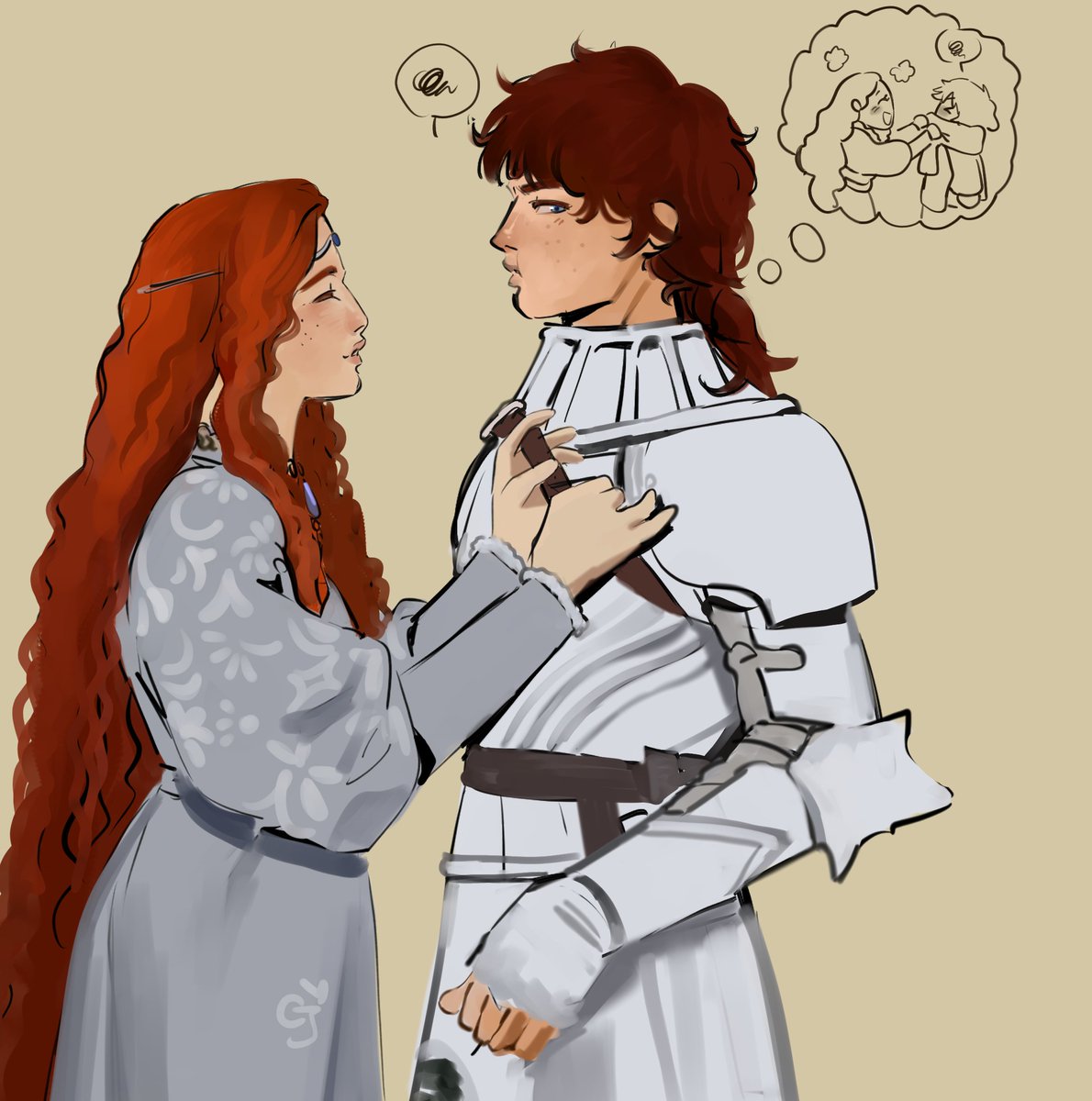
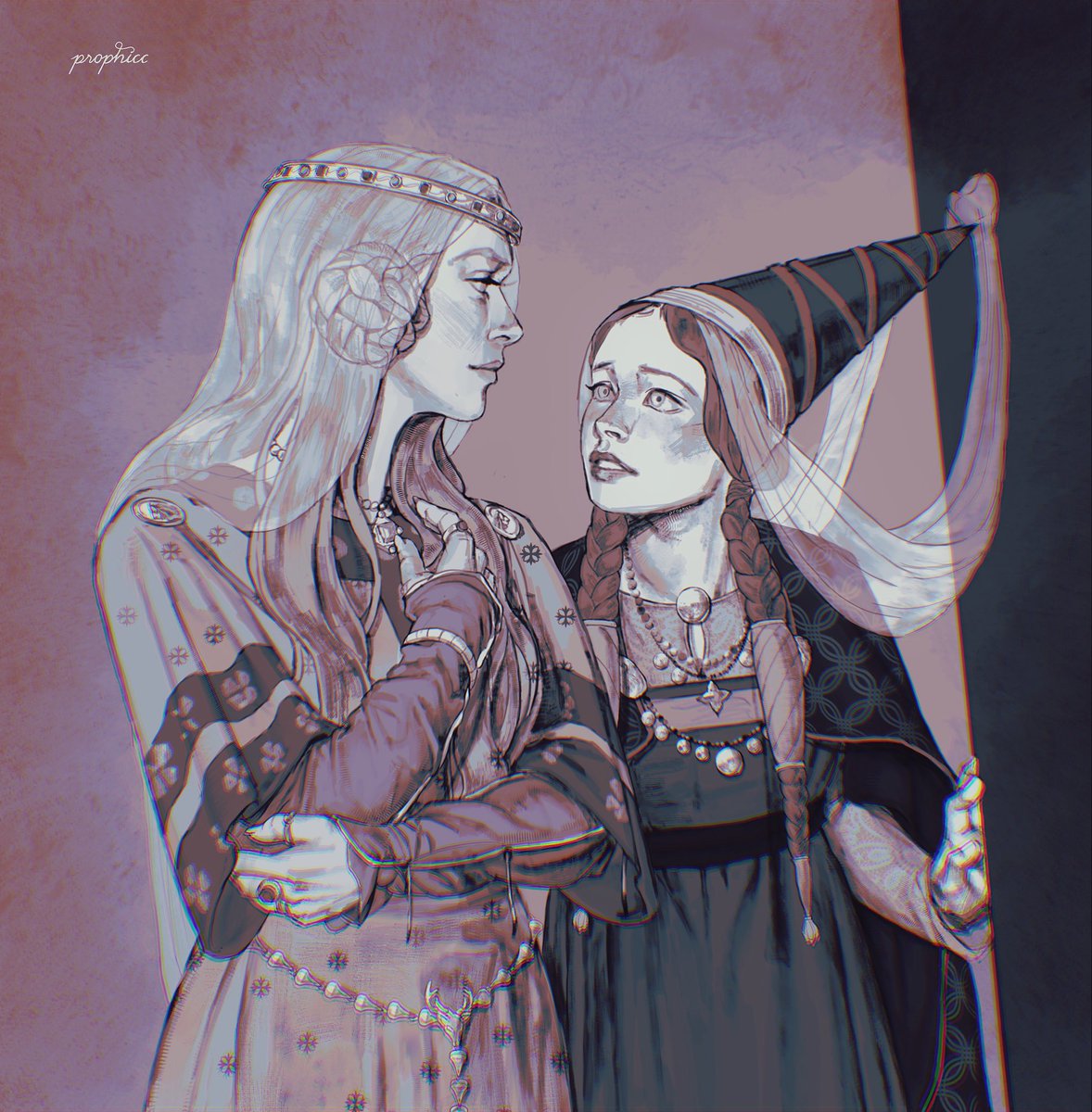
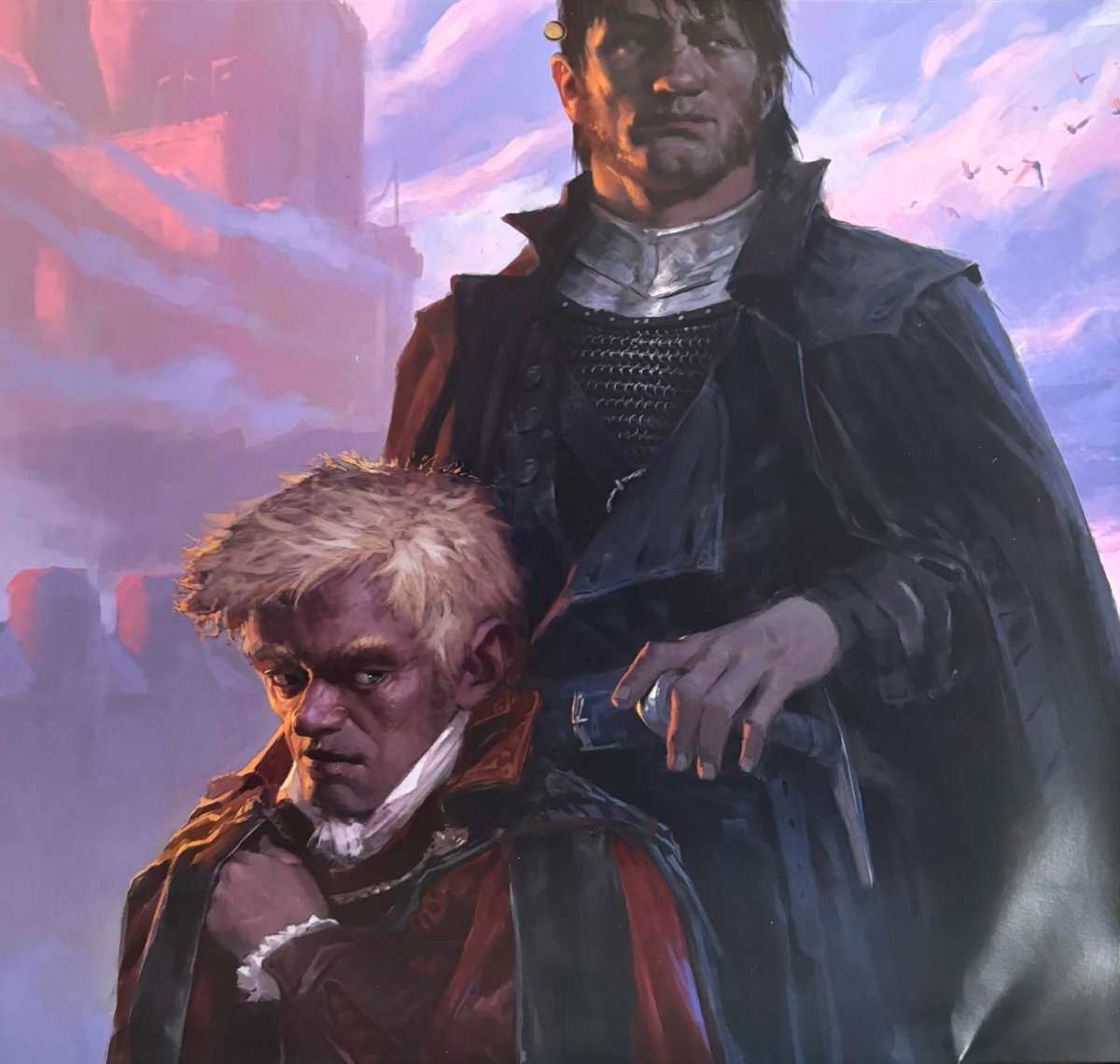
‘“He has a song,” [Rhaegar] replied. “He is the prince that was promised, and his is the song of ice and fire.”

‘He looked up when he said it and his eyes met Dany’s, and it seemed as if he saw her standing there beyond the door.’
- A Clash of Kings (George R. R. Martin)
nenhuma caracterização de targaryen jamais vai conseguir superar a da daenerys na primeira temporada de got, completamente etérea e fazia parecer com que os targaryens eram realmente diferentes de todos os outros
every asoiaf fan i knew before hotd was already unequivocally on rhaenyra's side because everyone understood fire & blood exists to give context to daenerys in the main story. because it isn't just rhaenyra, it's visenya,rhaena, rhaenys that were denied the throne for being women
O fato de house of the dragon ter escolhido botar o cabelo da rhaenys de loiro valiriano e não preto como é no livro custou a credibilidade de nascimento, pq agora todo mundo acha que um targaryen com cabelo escuro é bastardo
People love to criticize Syrax for not being a “battle dragon,” but they overlook how valuable she truly was.
Syrax helped expand the Targaryen dragon population through her eggs, arguably one of the greatest contributions any dragon could make.
Yet she’s mocked simply because she wasn’t sent to slaughter her own kind.
Free my girl. 😭😂
#hotd
The premise is completely wrong because the Vale isn't breaking Westerosi tradition, they are following Andal law to the exact letter. Andal succession explicitly states that a trueborn daughter inherits a castle before an uncle or a male cousin can touch it.
The reality is that holding onto that power was a constant bloody battle. Jeyne Arryn had to throw her own male cousin into a dungeon after he launched multiple armed rebellions to usurp her, proving the Vale lords still fought tooth and nail against female rule.
Aerys II broke that oath first.
The Mad King burned Rickard Stark alive, executed Brandon Stark, and then demanded the heads of Ned Stark and Robert Baratheon. At that point, Ned wasn't betraying his king, he was fighting a tyrant who had murdered his family and was coming for him next.
In Westeros, loyalty goes both ways. When a king abandons justice and turns on his own loyal lords, many believed he had forfeited the right to their allegiance.


![prophicc's tweet photo. ‘“He has a song,” [Rhaegar] replied. “He is the prince that was promised, and his is the song of ice and fire.”

‘He looked up when he said it and his eyes met Dany’s, and it seemed as if he saw her standing there beyond the door.’
- A Clash of Kings (George R. R. Martin) https://t.co/oHQXimJm4e](https://pbs.twimg.com/media/HMuZqOxWMAAz17k.jpg)






![prophicc's tweet photo. ‘“He has a song,” [Rhaegar] replied. “He is the prince that was promised, and his is the song of ice and fire.”

‘He looked up when he said it and his eyes met Dany’s, and it seemed as if he saw her standing there beyond the door.’
- A Clash of Kings (George R. R. Martin) https://t.co/oHQXimJm4e](https://pbs.twimg.com/media/HMuZqOyXkAAbevK.jpg)