Interested in glomerular diseases in children? Please join our virtual symposium on 9/15/2026. Registration is fast and easy! Presentations will be available after the symposium.
https://t.co/SpelhpIyja
#PediatricNephrology#Glomerulardiseases
Job alert! We are looking for a postdoc candidate to study the interplay between immune cells and the kidney in Idiopathic Nephrotic Syndrome. Click below for more details. https://t.co/u5a3iTtVBL
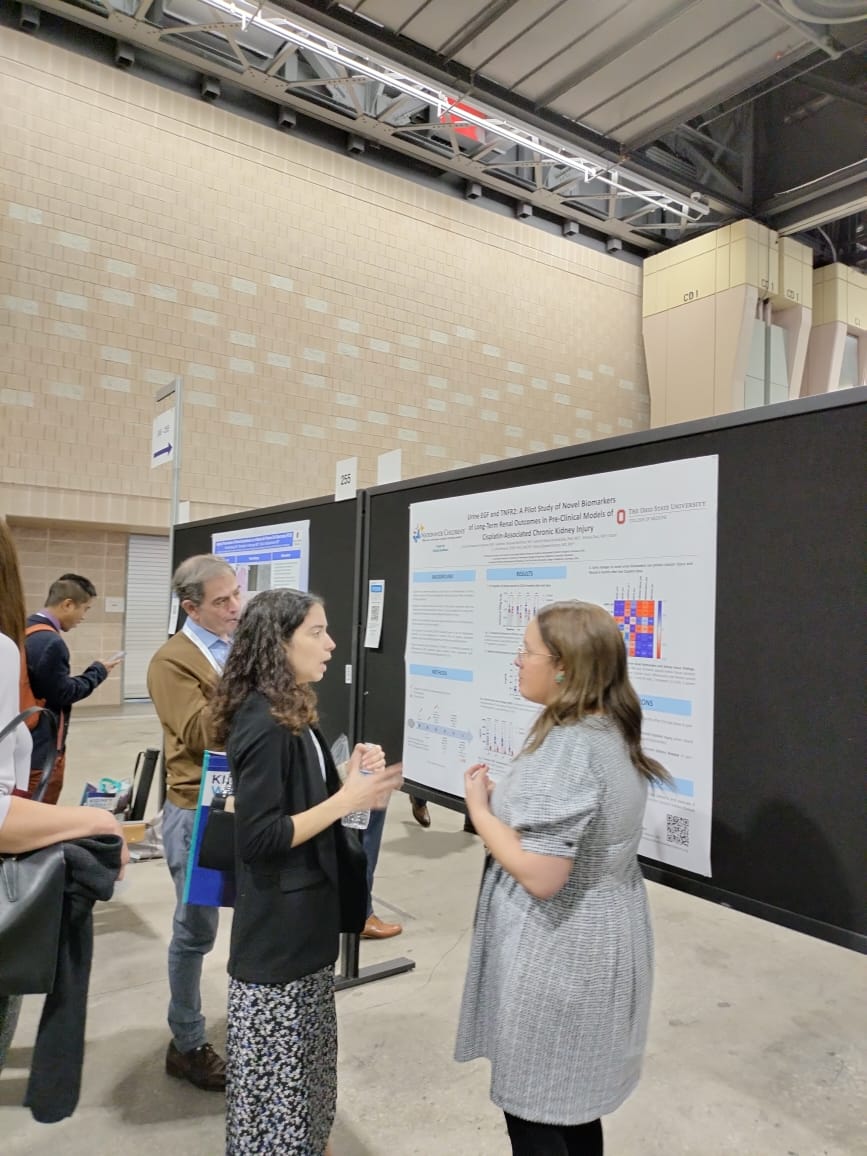
Let’s talk about biomarkers for kidney injury in patients that received Cisplatin chemotherapy this afternoon at poster 095 from 2:30p-4:30p! See you soon! 🌺💁🏽♀️ @pFeNa_fellows@ASPNeph
Super proud of one of my awesome mentors Dr. Mohamed and her fantastic work on Neonatal AKI, let’s use AI to predict AKI in one of our more vulnerable populations. So lucky to work and learn from her @PedsNephroDoc@nationwidekids 🩵
@nationwidekids in the house with Dr. Cara-Fuentes’s outstanding presentation linking endothelial release of CD93 with poor outcomes in Nephrotic Syndrome! Super proud of our mentors! #ASNKids24@ASPNeph#KidneyWk@carafuentes_g
.@Dra_DZO, clinical assistant professor of Pediatrics at #OSUCOM, and her team focus on understanding the role of mitochondrial dysfunction and oxidative stress in progressive kidney injury. She was recently awarded two R01 grants from @NIH:
https://t.co/RNfMA4pOu1
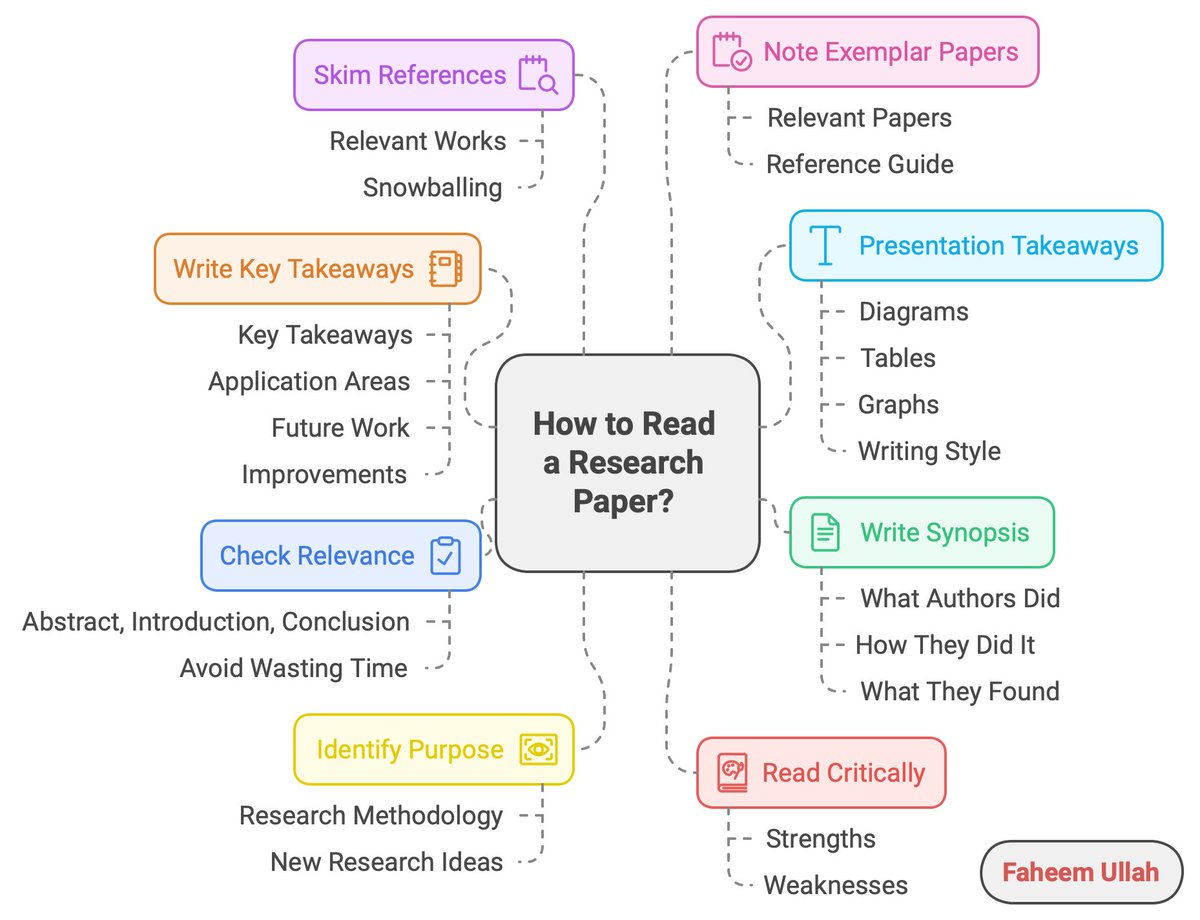
PhD students — How to read a research paper?
Here is how you can get 10x more out of reading a research paper.
𝟏. 𝐂𝐡𝐞𝐜𝐤 𝐫𝐞𝐥𝐞𝐯𝐚𝐧𝐜𝐞: Before diving deep into a paper, skim through the abstract, introduction, and conclusion of the paper to make sure that the paper is relevant. You don't want to spend 2-3 hours ending up with nothing.
𝟐. 𝐖𝐫𝐢𝐭𝐞 𝐬𝐲𝐧𝐨𝐩𝐬𝐢𝐬: If you found the paper to be relevant, write the synopsis of the paper within concrete 3 bullet points - (i) what the authors did (ii) How they did it (iii) What they found. It will establish the broader picture of the paper within your mind. Once you are certain what is it about, you can easily navigate through the paper.
𝟑. 𝐈𝐝𝐞𝐧𝐭𝐢𝐟𝐲 𝐭𝐡𝐞 𝐩𝐮𝐫𝐩𝐨𝐬𝐞: Why do you want to read this paper? Do you want to understand the research methodology? Are you looking for a new research idea to take from this paper? Be clear about the purpose. It will save your time and help you to focus on the specific part.
𝟒. 𝐑𝐞𝐚𝐝 𝐜𝐫𝐢𝐭𝐢𝐜𝐚𝐥𝐥𝐲: Read the paper critically. This means that once you have read the paper, you should be able to answer - what are the strengths and weaknesses of this paper. This is important so that you get the capability to assess the quality of a research piece.
𝟓. 𝐖𝐫𝐢𝐭𝐞 𝐤𝐞𝐲 𝐭𝐚𝐤𝐞𝐚𝐰𝐚𝐲𝐬: As you go through the paper or after finishing reading, write about points like (i) what are the key takeaways for me from this paper (ii) where I can use these takeaways (iii) what can be done on the top of the existing work (iv) Can something be improved. You don't need to write long stories. All of this you can write within 5-10 min. Knowledge not put in writing evaporates.
𝟔. 𝐒𝐤𝐢𝐦 𝐭𝐡𝐫𝐨𝐮𝐠𝐡 𝐫𝐞𝐟𝐞𝐫𝐞𝐧𝐜𝐞𝐬: After finishing the main body, check the references. You may find some very relevant works there too. If such is the case, you can snowball depending upon the time you have for reading.
𝟕. 𝐏𝐫𝐞𝐬𝐞𝐧𝐭𝐚𝐭𝐢𝐨𝐧 𝐭𝐚𝐤𝐞𝐚𝐰𝐚𝐲𝐬: Look at the diagrams, tables, graphs, and writing style of the paper. Ask yourself whether such style of diagrams or graphs, etc would be good for my paper. If the answer is yes, note it down in your takeaways.
𝟖. 𝐍𝐨𝐭𝐞 𝐞𝐱𝐞𝐦𝐩𝐥𝐚𝐫 𝐩𝐚𝐩𝐞𝐫𝐬: Some papers you read might be very relevant to the paper you want to write next. Note 2-3 such papers and put them in front of yourself while writing your next paper. It will serve as a reference guide for your paper writing.
𝟗. 𝐑𝐞𝐚𝐝 𝐚𝐧𝐲𝐰𝐡𝐞𝐫𝐞: As a researcher, the more you read, the better for you. A paper is not to be read only in the lab or office. Sometimes, you get more out of a paper - reading it while sitting in a park or traveling on a train or bus. Try reading in different places and see what works the best for you.
Anything you'd like to add?
#research #phd
#PublicationAnnouncement @llschwartzphd lead an investigation with @Sarah_Linn16, @kidneytweets to determine the role of insulin receptor in bladder immunity to #UTIs. For more information, visit our blog https://t.co/kkj2AI1LUE
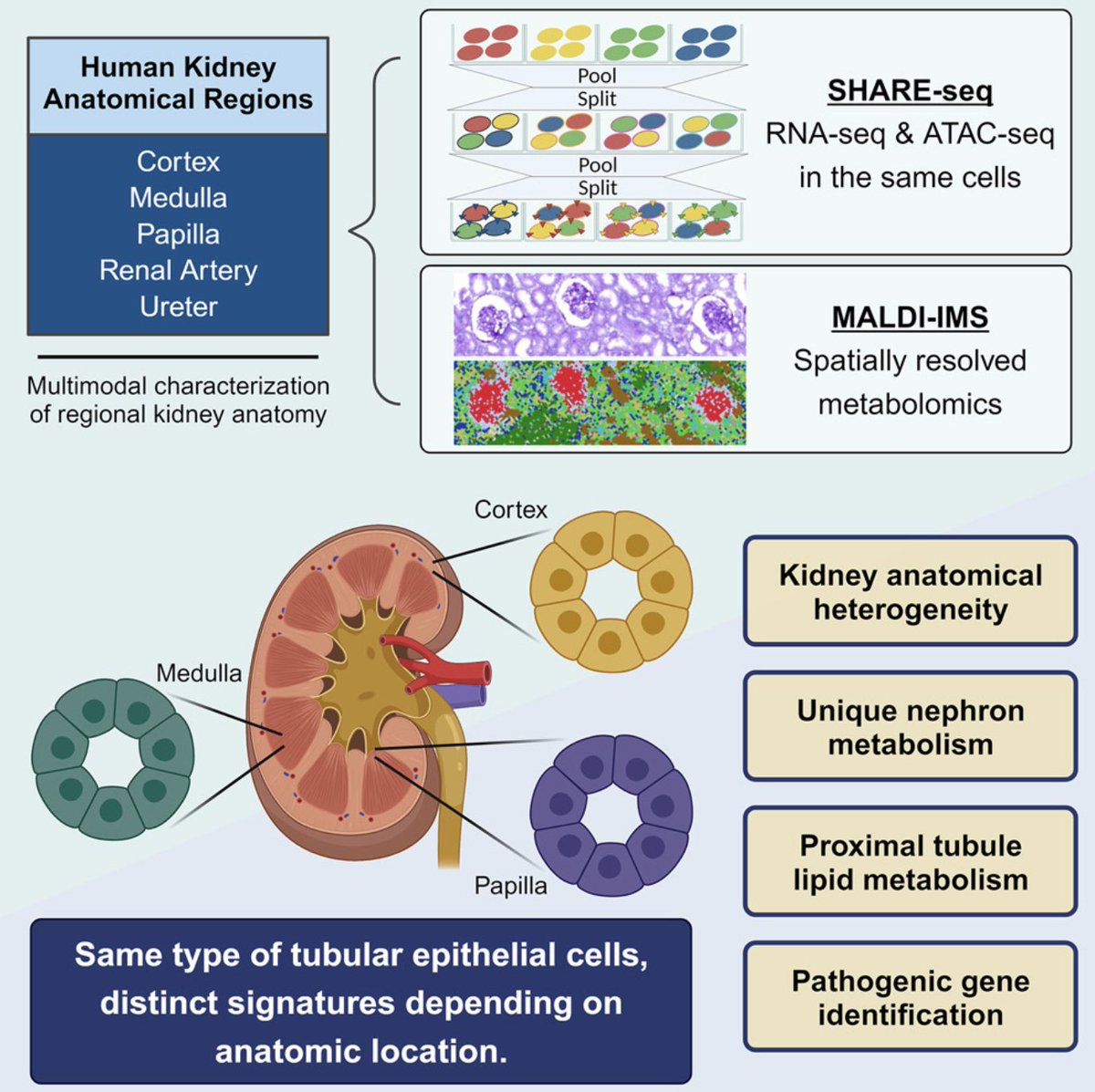
Excited to share our latest single cell multi-omic & spatial metabolomic work using SHARE-seq split-pool barcoding to profile regional kidney anatomy led by @HaikuoLi!
https://t.co/iBdA4nJyWf
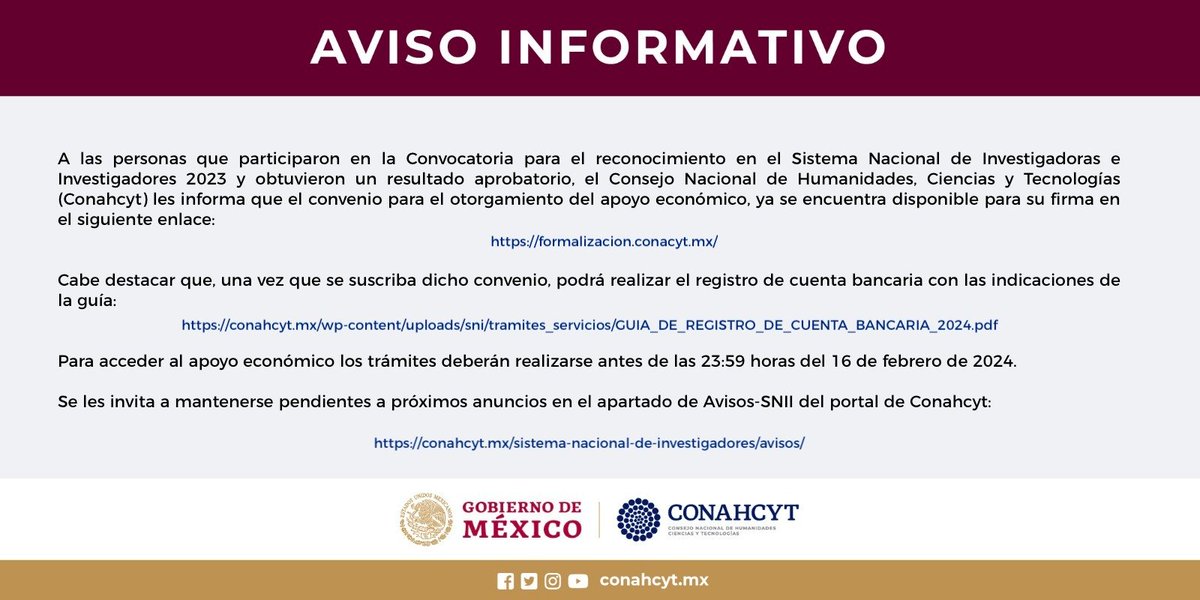
#Aviso SNII | Sobre la Convocatoria para el reconocimiento en el Sistema Nacional de Investigadoras e Investigadores 2023 del Conahcyt.
Ingresa ➡️ https://t.co/ei397oTrxK
Great honor to present our Spatial pyelonephritis ATLAS work at @ASNKidney#KidneyWk I am so grateful for the insightful presentations, inspiring discussions, and innovative opportunities. Keep working harder for the pediatric nephrology research!!!
Hanginf out with the Oncologists at ASCO Quality Care Symposium in Boston, MA today. Come and check out our amazing work with the BMT and ID-HDP team to reduce Nephrotoxic AKIs 🦋 @nationwidekids#ASCOQLTY23
✅ Las #BecasConahcyt de manutención son de las y los estudiantes, no para cubrir las necesidades financieras de las #IES públicas, que mediante cuotas de inscripción y colegiaturas onerosas las capturaban.
La educación es un derecho, no un privilegio
➡️ https://t.co/E8gpYXGmLd