It's estimated about 35,000 people in the United States are living with ALS, also known as Lou Gehrig's Disease.
There is no cure. but there might be real progress in preventing it. CBS News Chief Medical Correspondent @DrLaPook has that story.
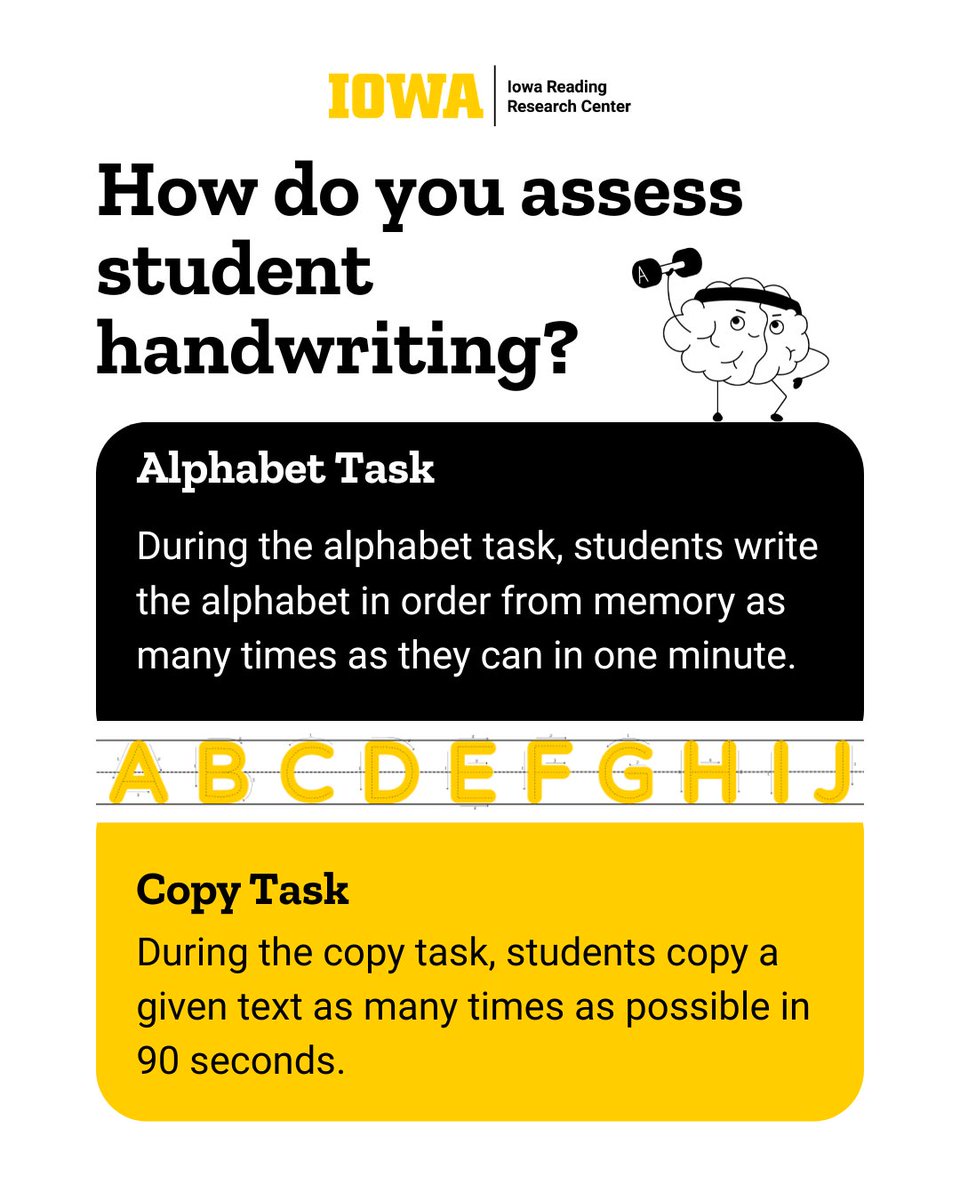
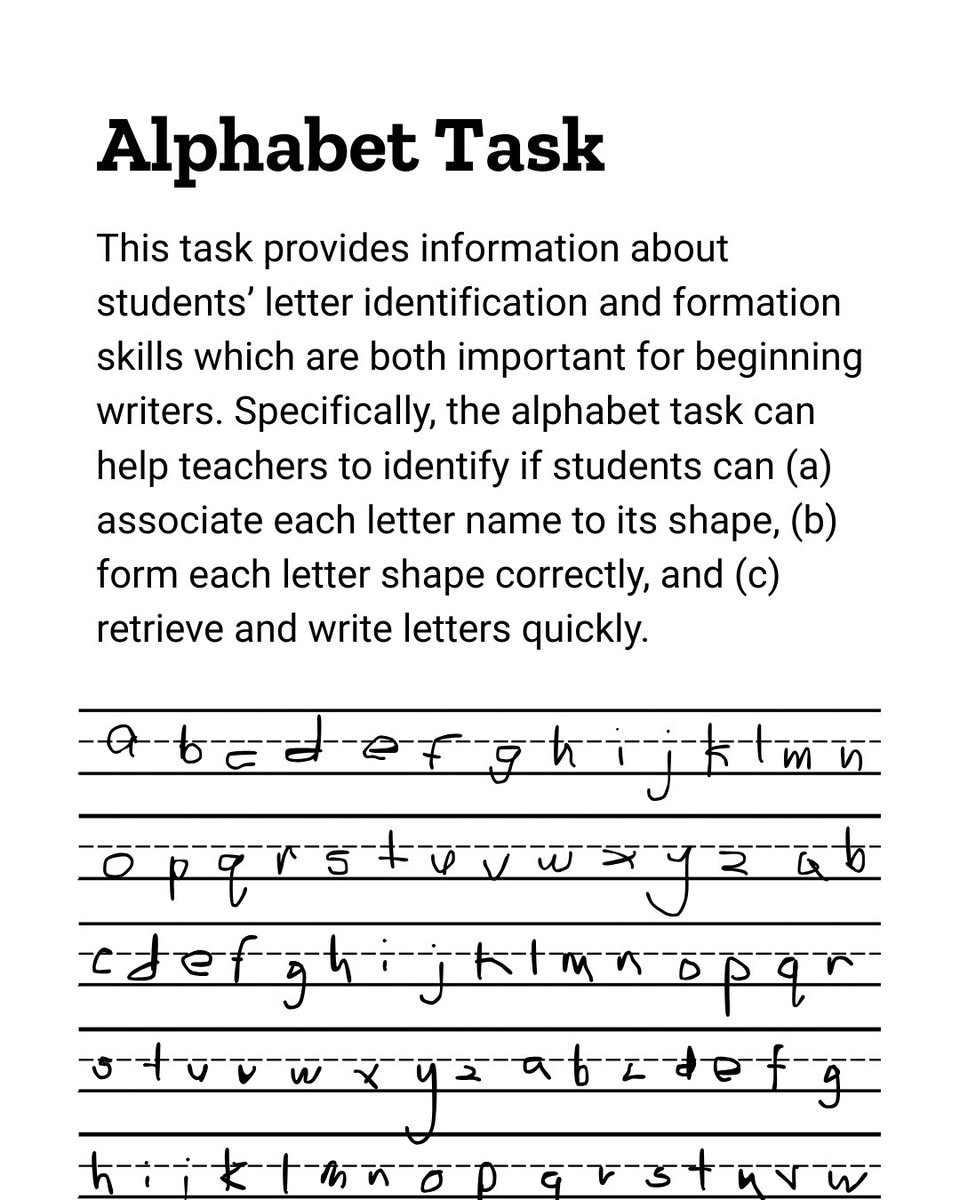
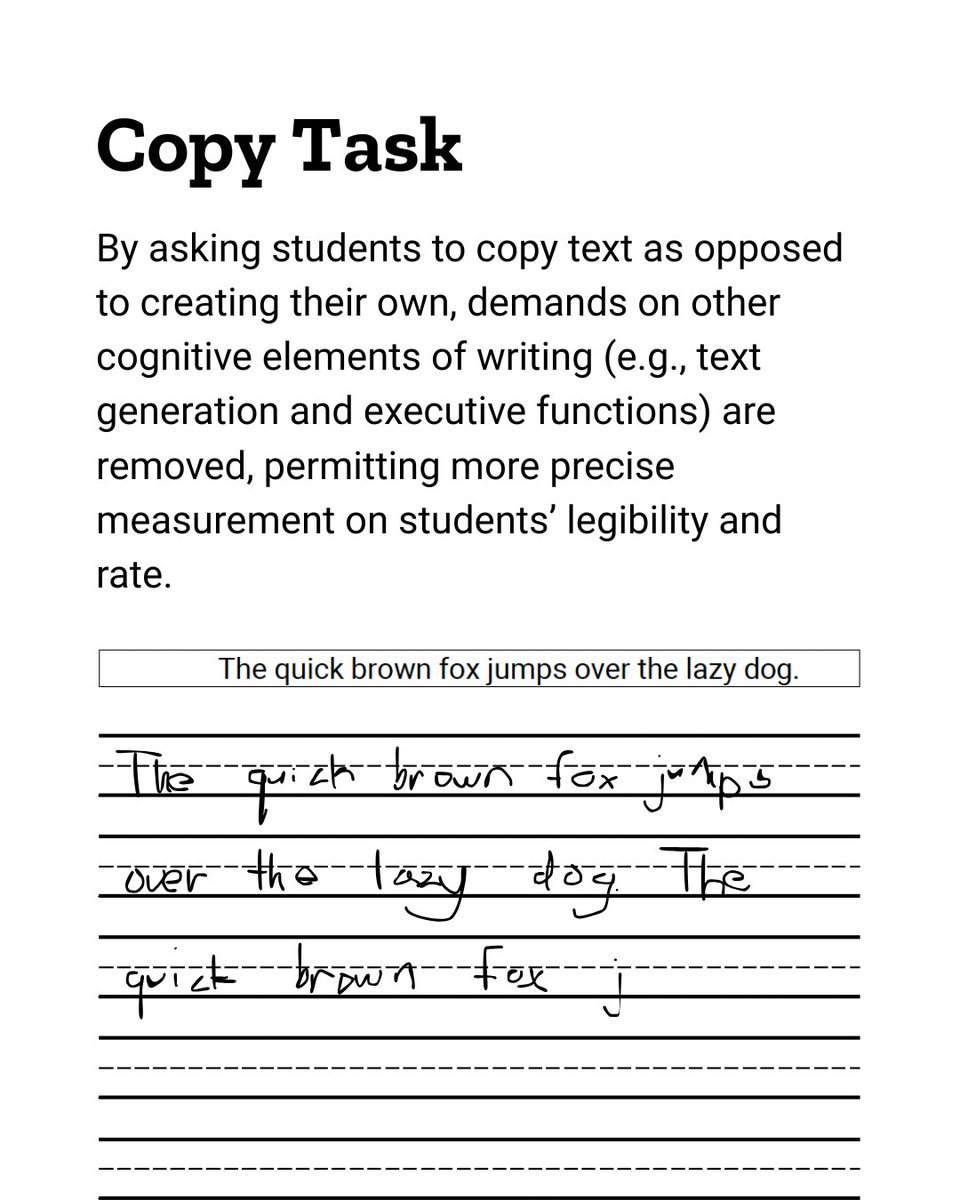
How do you know if your students have developed handwriting fluency? Take our free eLearning module to learn about two assessments designed to determine if your students can quickly retrieve letters from memory and write them legibly: https://t.co/8XdRcqkCBB
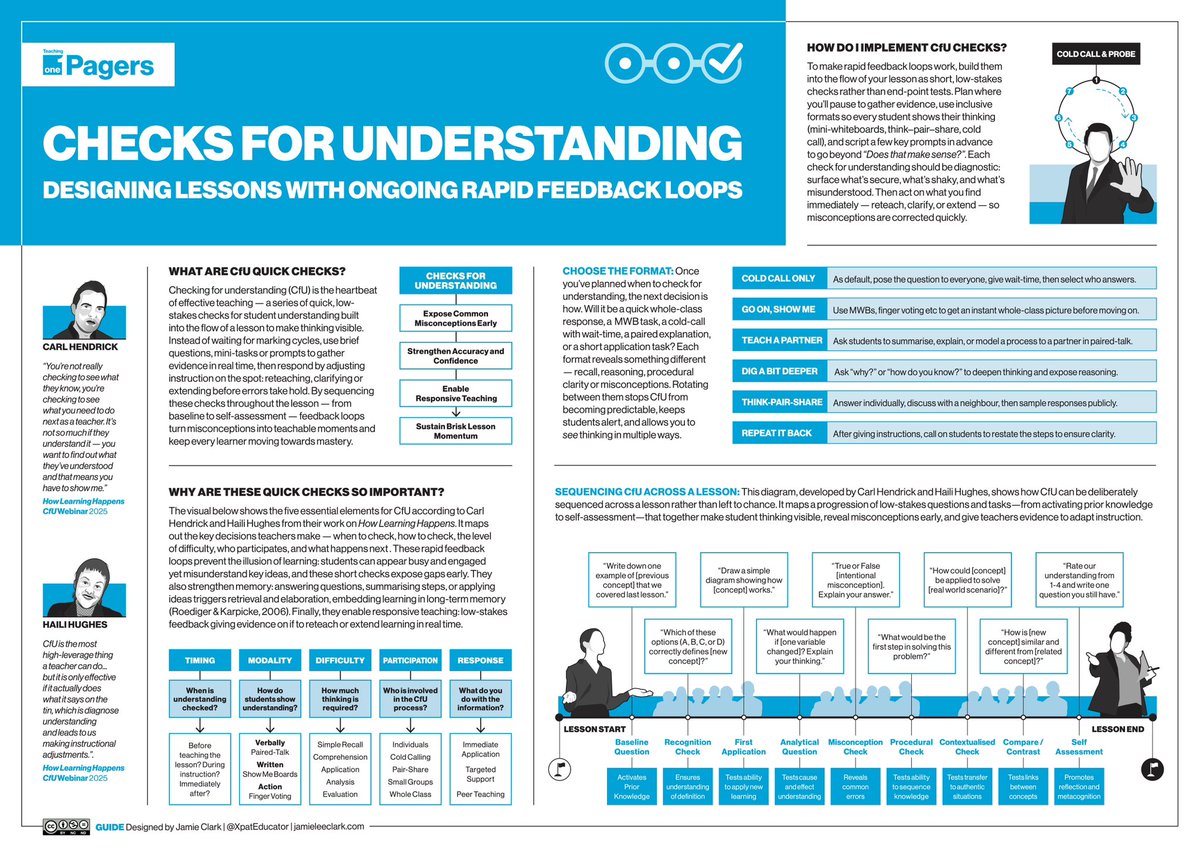
📣 CHECKING FOR UNDERSTANDING! “If there’s one thing to get right in teaching, it’s Checking for Understanding.” This one-page guide breaks down how to thread CfU checks into every lesson — inspired by the ‘How Learning Happens’ work by @C_Hendrick and @HughesHaili
https://t.co/7NvPGRbkyi
Reading is taught, not born & educators play a transformative role in shaping the brain’s ability to do it.
In an article for #TRLJournal, the authors examine how the brain builds the circuitry for reading and what that means for instruction.
🔗: https://t.co/EpxJXOTpBY
Handwriting is not a motor skill. It is a reading skill.
We treat them as separate subjects, but neuroscience says they are the same circuit.
Last week I discussed Orthographic Mapping (OM). Many focus on the "sound" part, but miss the "motor" bridge. Here is why the hand teaches the brain to decode:
1. A common assumption is that writing is output (encoding) and reading is input (decoding). It turns out, they are physically linked in the brain. When literate adults read, their motor cortex (Exner’s Area) activates. You decode faster because your brain is secretly "writing" along with your eyes. It subconsciously simulates the strokes to recognize the letter instantly.
2. If a child has never physically written a letter, they lack this "motor file." They are forced to rely solely on visual memory to recognize the shape. Visual memory is notoriously weak for text because it is ambiguous. To a young kid's eye, 'b' and 'd' are the same object, just flipped (like a chair facing left vs. right). But to the hand? They are totally different. The distinct motor plan overrides the visual confusion.
3. When comparing handwriting with typing, the difference is stark. Hitting 'A' or 'B' feels exactly the same (a button press). It creates a weak map. Handwriting is constructive. You have to pull the geometry of the letter from memory. This "active construction" burns the neural pathway that makes decoding instantaneous later on. You can't easily read what you haven't physically mapped.
@JamieClass5@BenisonMrs Agreed, struggling readers can’t manipulate letters later, if they can’t manipulate the sounds first. This skill is not only in WJIV, it is also in the Test of Dylsexia by WPS. After many years working with dyslexics, I use the PAST & Kilpatrick drills to fill the holes.
Do you worry about whether your students will really work independently in a station rotation while you're at the teacher-led station?
Now on The Balance, I give you routines & structures that not only build trust & accountability but also make it possible for teachers to focus fully on their small groups, where the real magic of differentiation happens!
Listen now ⤵️
Spotify: https://t.co/2bo4JNPmr8
Apple Podcasts: https://t.co/6vWWGm8GVf
Tip of the Day:
When using Google Slides in the classroom, the ease with which students can understand the goal should always come before decoration. Anything on the slide that distracts students from the lesson goal should be removed.
WHY?
Heavily ornamented slides with moving GIFs, flashing elements, or excessive colors make it harder for students, especially those who struggle, to figure out what really matters. Overcrowded and visually busy slides become barriers to learning rather than supports.
Keep slides simple, clean, and purposeful. Doing so helps students focus, improves understanding, and saves valuable instructional time.
Remember that what looks engaging to us as expert learners often overwhelms novice learners.
📚 Are you studying or working in preschool education? Check out this fascinating article which summarises 10 major child development theorists & their key contributions
🔗 Read the article here: https://t.co/vCipMhMsvl
#ChildDevelopment#Education
Yesterday, I published a piece about the risks that states fail to replicate Mississippi and Louisiana’s successes because of implementation issues.
Ohio was my first example. I wrote about its terrible curriculum list last year.
Today, @PatrickONews reports:
We have a new episode of Sold a Story coming next week. We're looking at the Trump administration's cuts to education research - and what they mean for the science of reading. You can follow the show and sign up for alerts at our website. https://t.co/F6Nd8mkeGV
Same classroom. Different journeys.
Many students who struggle to read, including those with dyslexia, are still not being taught using methods grounded in research. When instruction is not aligned with how the brain learns to read, these students have a different journey...
FULL INTERVIEW: Former "Grey's Anatomy" star Eric Dane speaks out for the first time in a television interview about his battle with ALS, a degenerative neurological disorder. "I don't think this is the end of my story." @ABC News' @DianeSawyer reports. https://t.co/NM3oCKiozO