Cardiac tumors: primary vs secondary
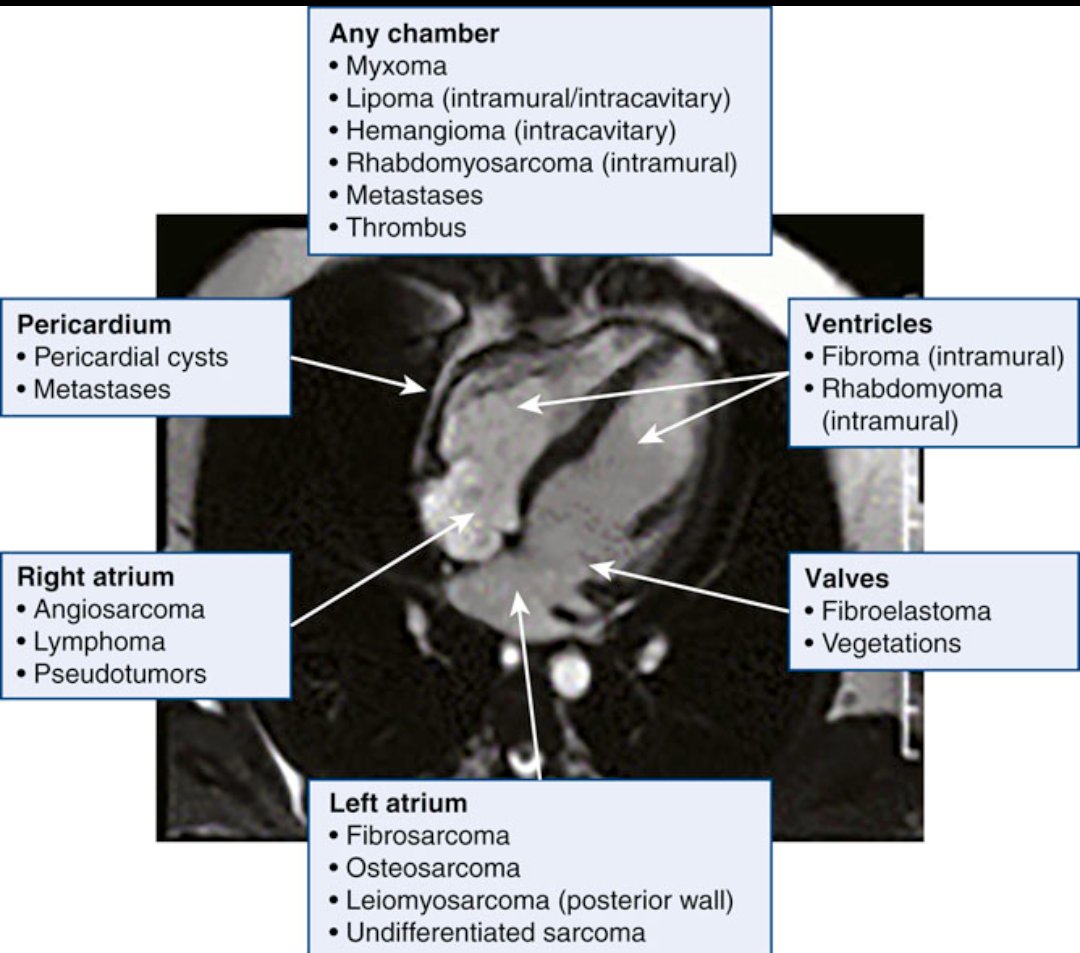
Cardiac tumors are rare, but their location can be clinically important.
Primary cardiac tumors arise from tissues of the heart itself and have an estimated autopsy incidence of about 1 in 2,000.
Approximately 80% of primary cardiac tumors are benign, while about 20% are malignant, most commonly sarcomas.
The location can provide important clues:
- Any chamber: myxoma, lipoma, hemangioma, metastases, thrombus
- Right atrium: angiosarcoma, lymphoma, pseudotumors
- Left atrium: fibrosarcoma, osteosarcoma, leiomyosarcoma, undifferentiated sarcoma
- Ventricles: fibroma and rhabdomyoma
- Valves: fibroelastoma and vegetations
- Pericardium: pericardial cysts and metastases
Secondary cardiac tumors, usually from metastatic disease, are far more common than primary cardiac neoplasms, with reported autopsy incidences of approximately 1.7%–14%.
A key clinical point: not every cardiac mass is a tumor. Thrombus, vegetation, cysts and other pseudotumors can mimic neoplasms, making multimodality cardiac imaging essential for characterization.
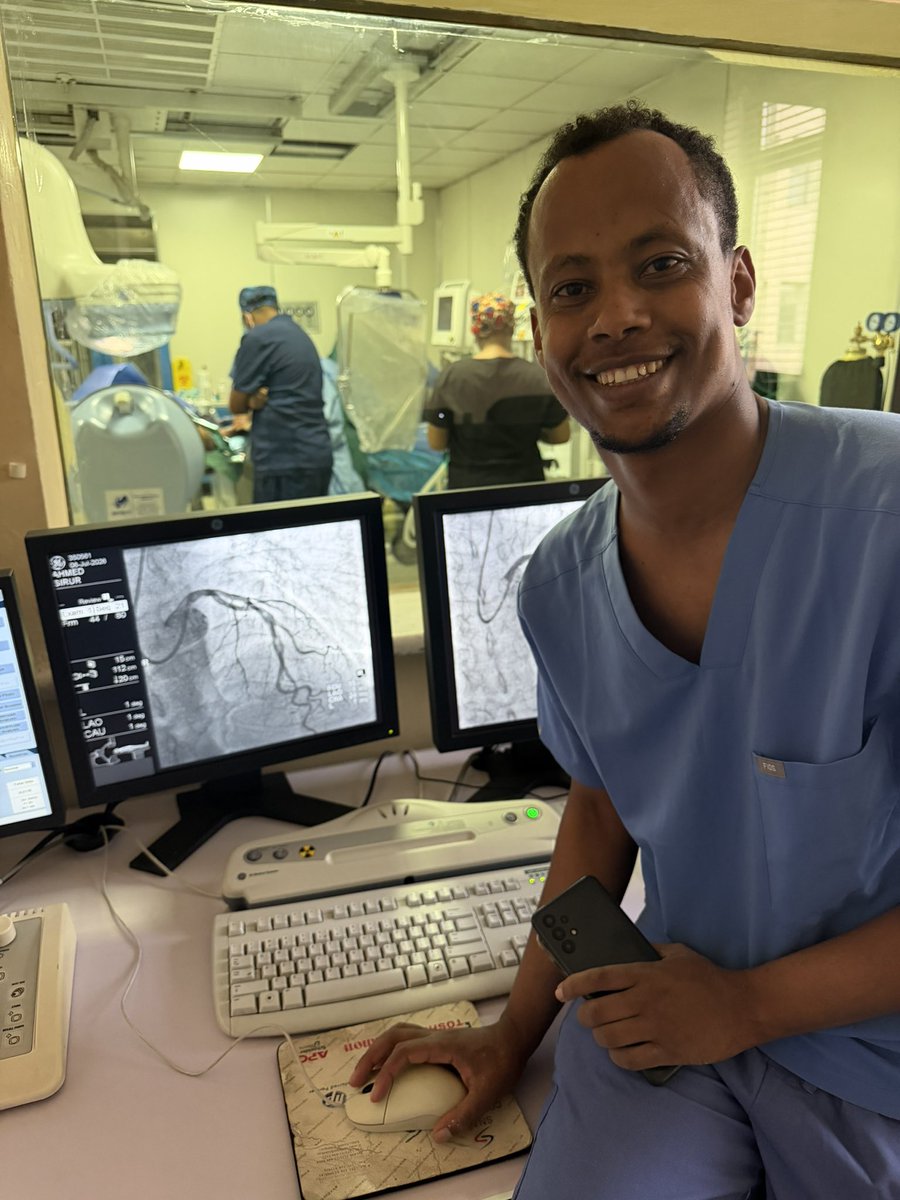
🫀 Cath views made simple: identify the angle → know what opens up.
1️⃣ Orient yourself
• Spine LEFT → RAO
• Spine RIGHT → LAO
• Spine midline → AP/PA
• Diaphragm over the heart can support cranial angulation; little/no diaphragm favors caudal — use this only as a clue.
2️⃣ Use the anatomy
• LAD + PDA run in the interventricular grooves
• LCx + RCA run in the AV grooves
• The LCx overlies the coronary sinus in the left AV groove
3️⃣ Know what each view opens
LEFT CORONARY
↘️ RAO caudal → LM bifurcation, proximal LAD, LCx + OMs
🕷️ LAO caudal (spider) → distal LM, proximal LAD + LCx ± ramus
↗️ RAO cranial → LAD, especially mid–distal LAD + diagonals
↖️ LAO cranial → LAD + diagonal/septal branches
RIGHT CORONARY
⬅️ LAO/AP → proximal RCA
➡️ RAO/AP → proximal–mid RCA + acute marginals
⬆️ Cranial RCA views → distal RCA, PDA/PL bifurcation
🧠 Memory hook:
CRANIAL = LAD world
CAUDAL = LM/LCx world
A coronary angiogram is a 2D projection of 3D anatomy — if a lesion is overlapped or foreshortened, change the angle and confirm it in a complementary view.
TIMI Flow: A Key Indicator of Coronary Perfusion
TIMI (Thrombolysis in Myocardial Infarction) flow grading is a crucial angiographic tool to assess blood flow in coronary arteries, particularly after an intervention like PCI.
TIMI 0 (No Flow): Complete occlusion; no antegrade flow beyond the blockage.
TIMI 1 (Penetration without Perfusion): Minimal flow beyond the occlusion but without adequate distal vessel opacification.
TIMI 2 (Partial Flow): Delayed but complete filling of the distal vessel; flow is slower than normal.
TIMI 3 (Normal Flow): Full, brisk perfusion with normal distal vessel filling, comparable to a non-diseased artery.
TIMI 3 flow is the gold standard for successful reperfusion in PCI, improving outcomes in STEMI and other coronary syndromes.
☕ Caffeine and Cardiovascular Disease: A Scientific Statement (AHA, 2026)
• Moderate caffeine intake (up to 400 mg/day, approximately 3–5 cups of coffee/day) appears safe for most adults and may be associated with lower risks of CV disease.
https://t.co/P1hlH90qHD
🫀FDA Approves Merck's #LIPFENDRA® (#Enlicitide)
✅ First and only once-daily oral PCSK9 inhibitor approved by the U.S. FDA for lowering LDL-C.
Indications:
• Primary hypercholesterolemia
• Heterozygous familial hypercholesterolemia (#HeFH)
We are deeply grateful to Professor Mamas for generously sharing his expertise, mentoring our local teams, and helping bring world-class cardiovascular care closer to Ethiopian patients. @mmamas1973
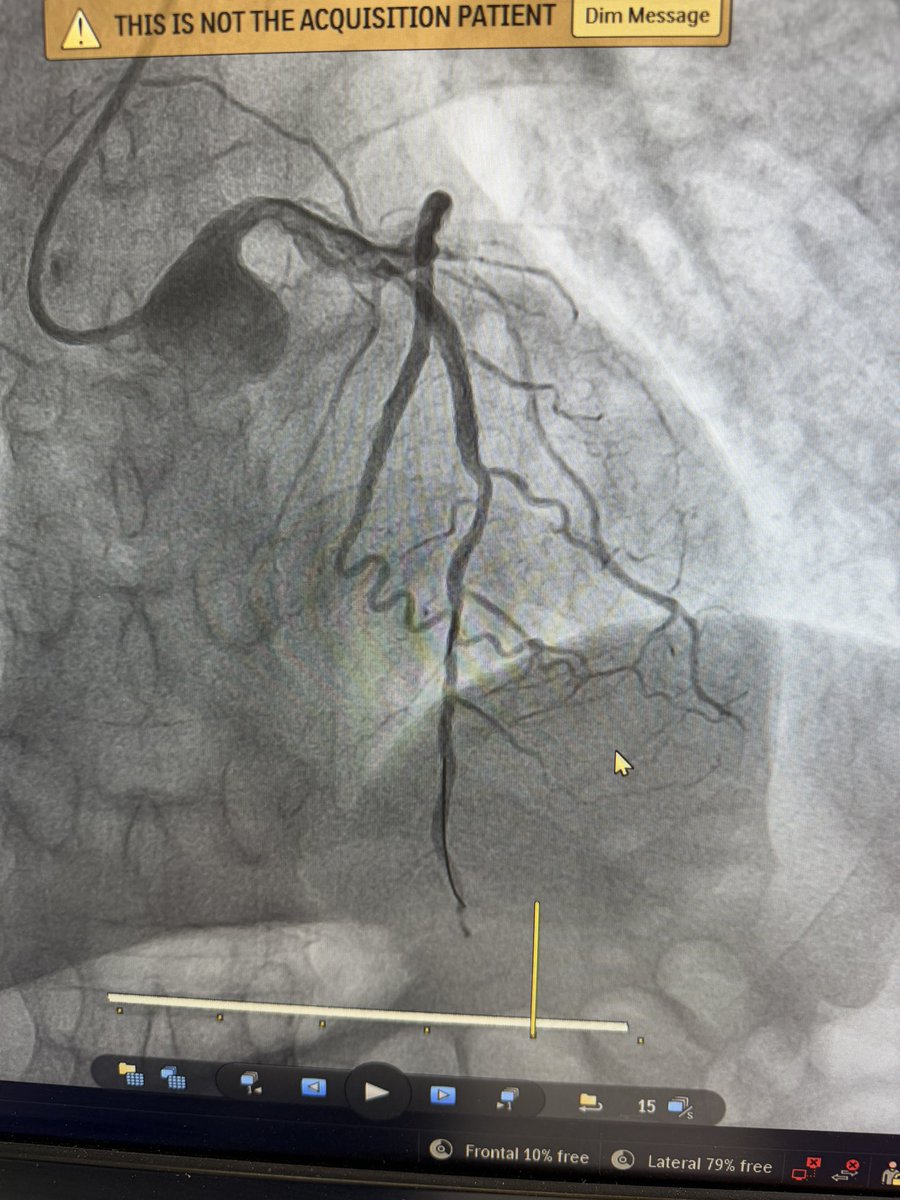
This 50 yo patient came from a village 300 km away. His family drove him for seven hours to get here . He has been having unstable symptoms for the past month 😳 with a Wellens ECG.
Diabetic, Cr 180mmol (2.1)
PCI into left main with a 4 mm stent postdilated with a 4.5 mm balloon
If it wasn't for @BiosensorsLtd who supplied the stents and balloons FOC and @HeartAEthiopia and @FMoHealth who facilitated mission, this patient would have had a very different outcome @TTelila@MekdesDaba
@mmamas1973 We are deeply grateful to you, Professor Mamas, for generously sharing your expertise, mentoring our local teams, and helping bring world-class cardiovascular care closer to Ethiopian patients.
So behind all the missions- there are numerous early faculty and fellows helping to identify patients, working them up, taking care of them and generally doing an excellent job of keeping things running smoothly @HeartAEthiopia
The mission wouldn't be possible without them
1) know the scientific literature behind our decision making - it will make you a better IC.
2) knowing when not to do a PCI is the most important skill any interventional Cardiologist can have. Just because you can do something doesn't mean you should do.
3) place the patient at the centre of each of your decisions
4) there is no rush becoming an attending- experience in fellowship is much more important
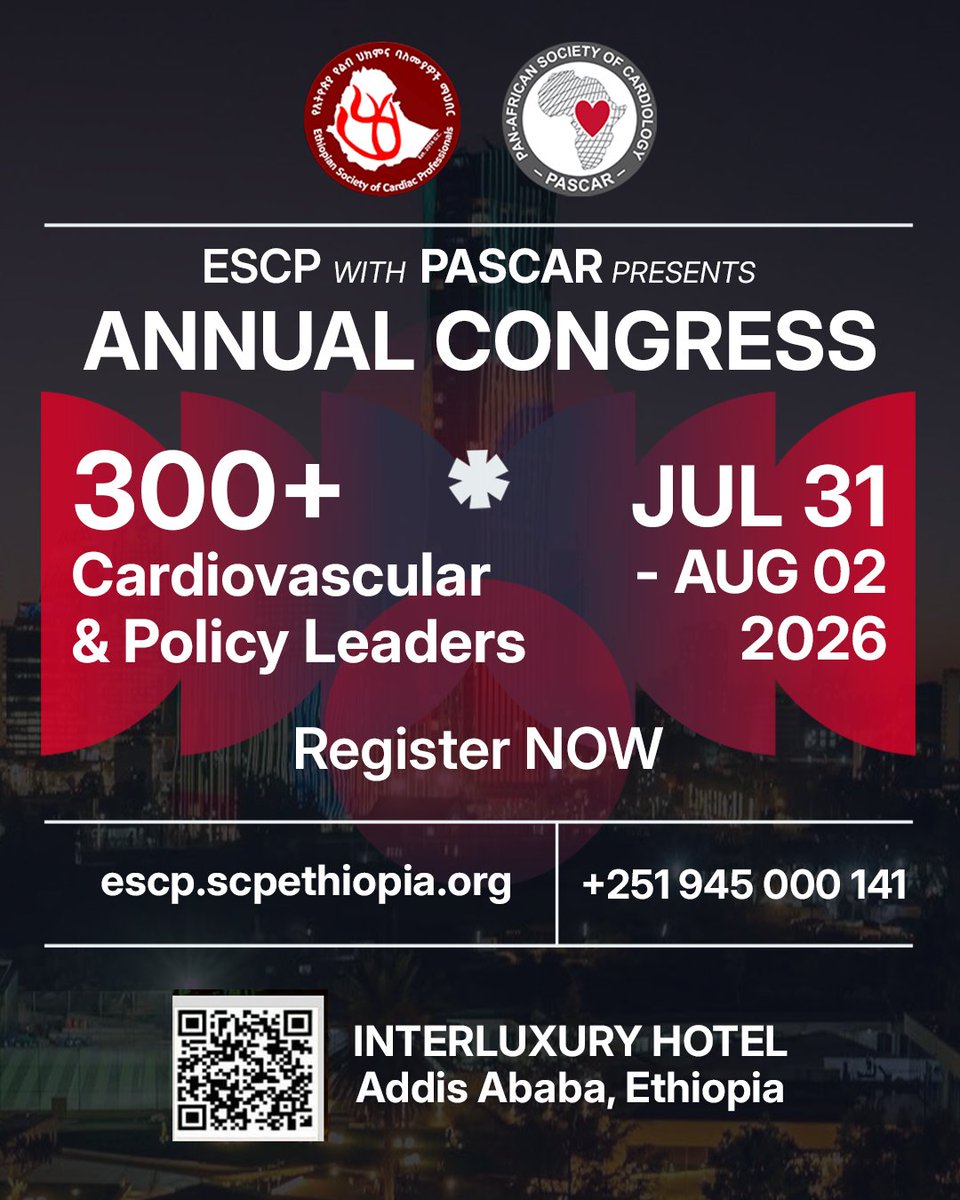
The Ethiopian Society of Cardiac Professionals (ESCP) invites you to the Annual Congress, in partnership with PASCAR.
Join global & regional experts for cutting-edge insights and innovations in cardiovascular care.
https://t.co/umsHRPZygs
#ESCP2026#PASCAR#CardiacCare
🏅A Proud Moment in My Medical Journey | ESIM Recognition
Honored to have received a Certificate of Appreciation from the Ethiopian Society of Internal Medicine (ESIM) in recognition of my contribution as the “What’s New in Internal Medicine” columnist for the ESIM Newsletter.
📊 #Ethiopia#STEPS_Survey_2024: Key Findings at a Glance
The 2024 Ethiopia STEPS Survey included 9,620 adults (18–69 years) and assessed the national burden of non-communicable disease (NCD) risk factors.
#EthiopiaSTEPS2024#STEPSSurvey#NCDs
https://t.co/ER6BE7tsRQ
What is the in patient mortality from stemi in your centre?
In Ethiopia its 26%
If you don't have money the treatment of choice is bedrest.
With introduction of PPCI through @HeartAEthiopia this is less than 5% at black lion.
This needs to be scaled up nationally - the excellent leadership and support of @MekdesDaba@PMEthiopia@AbiyAhmedAli will be critical in implementing primary PCI services for all Ethiopians @TTelila@drmerid
The problems of having no national thrombolysis program for STEMI- patient presented with a 12 hour history of chest pain and was found to have tombstone ST elevation anteriorly. He was in a town 600 km away.
He took an 9 hour ambulance trip overnight for ppci at Black Lion Hospital
He still had chest pain so I performed PCI (21hrs post onset pain)
Suspect that the benefit will be small
Availability of thrombolysis would have completely changed this man's trajectory. ESC guidelines are if you cant deliver ppci with 120mins, thrombolysis better
We need to roll out STEMI care across the country with STEMI networks and thrombolysis.
@HeartAEthiopia@TTelila@drmerid case performed with @adane_petros8
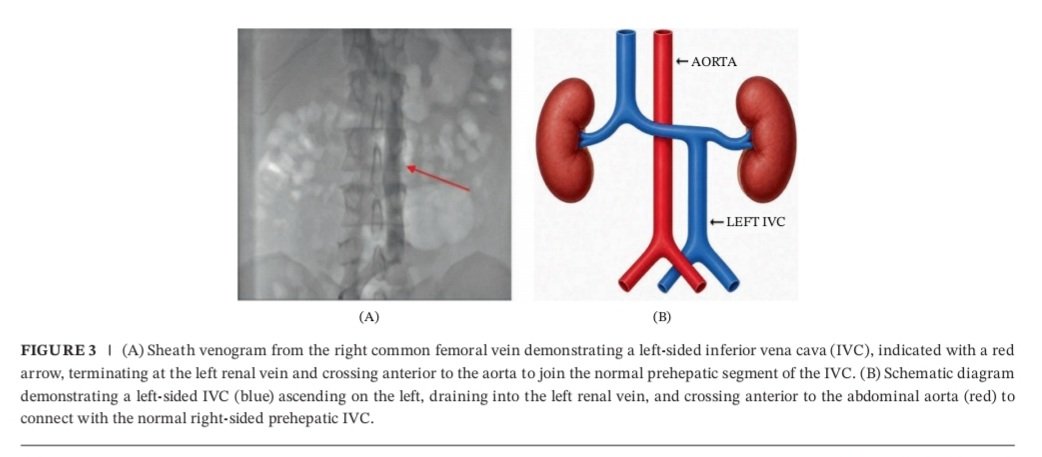
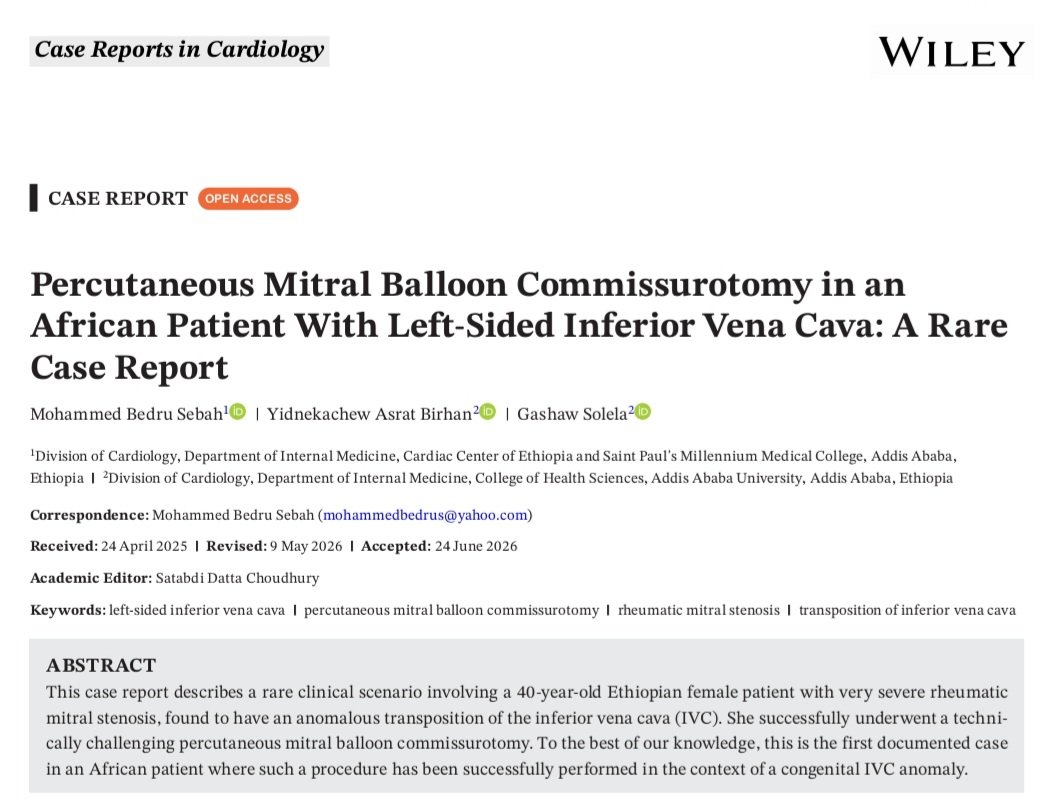
🫀New Publication Alert!
"Percutaneous Mitral Balloon Commissurotomy in an African Patient With Left-Sided Inferior Vena Cava: A Rare Case Report."
This is the 1st documented successful PMBC in an African patient with a left-sided IVC.
https://t.co/pbegrQfIE7…
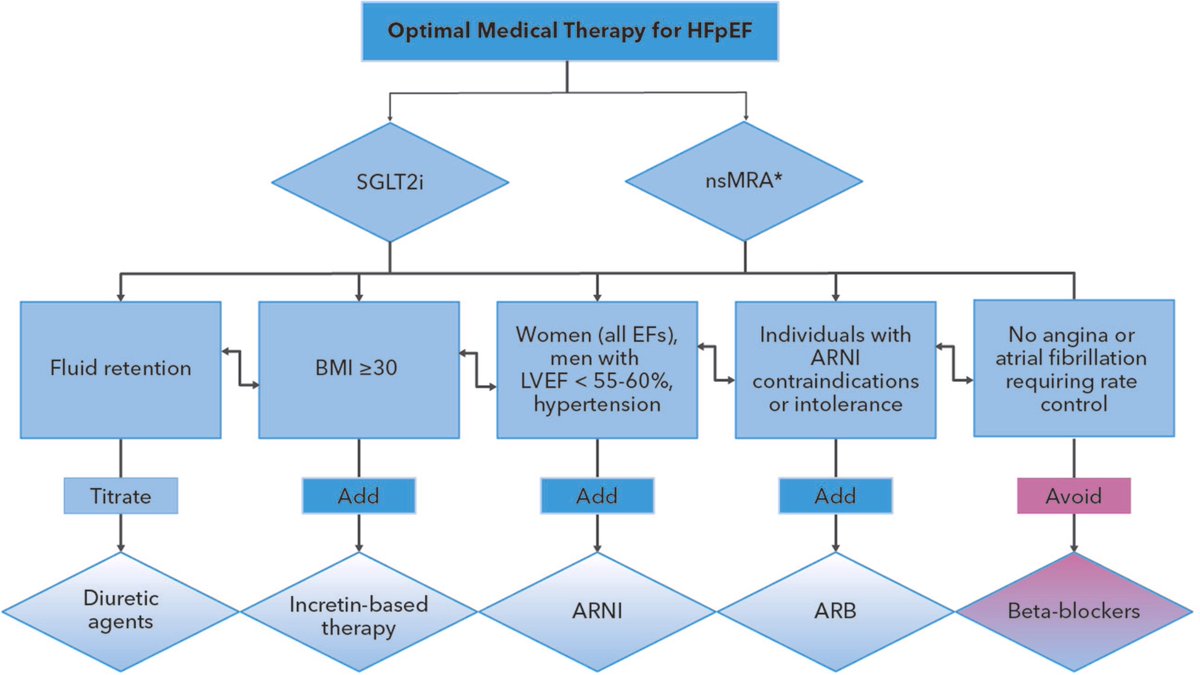
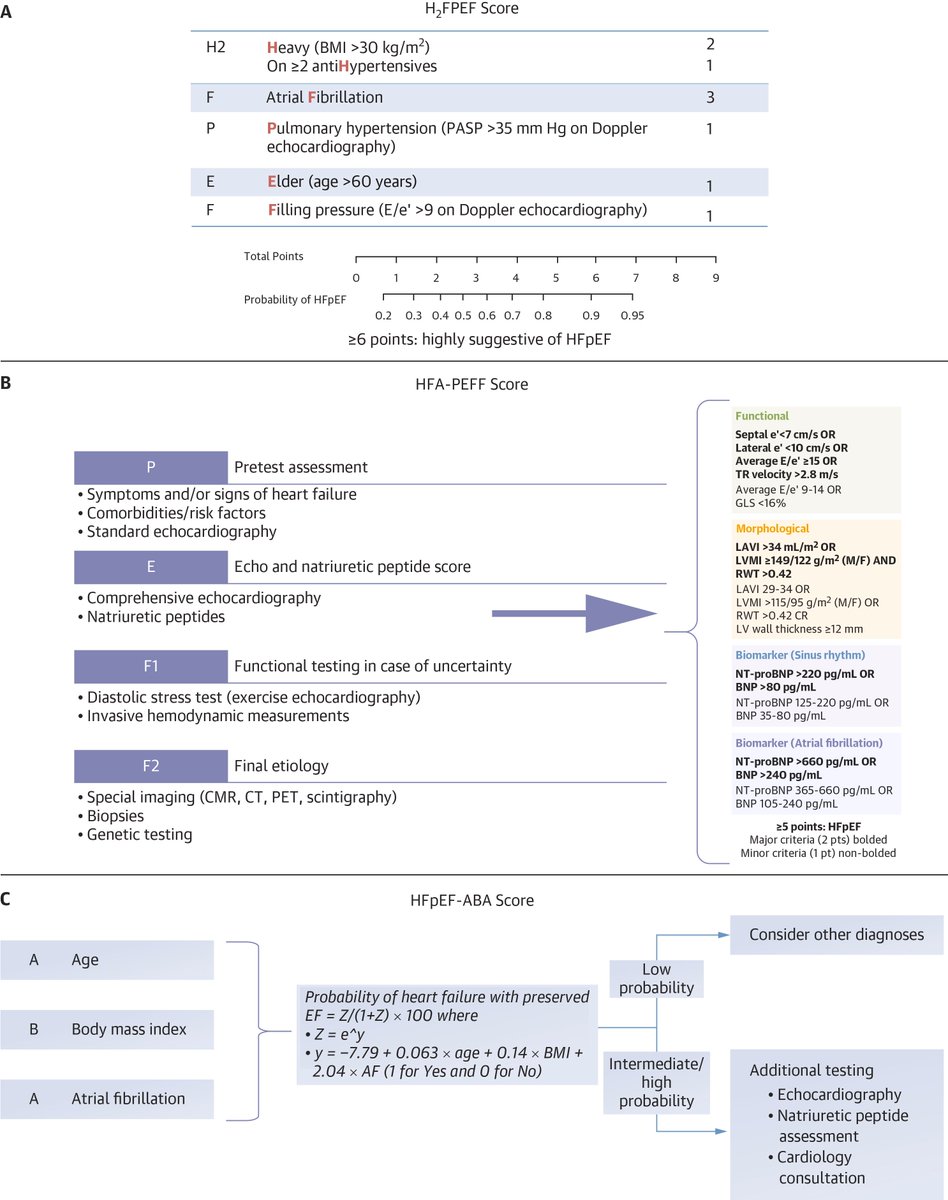
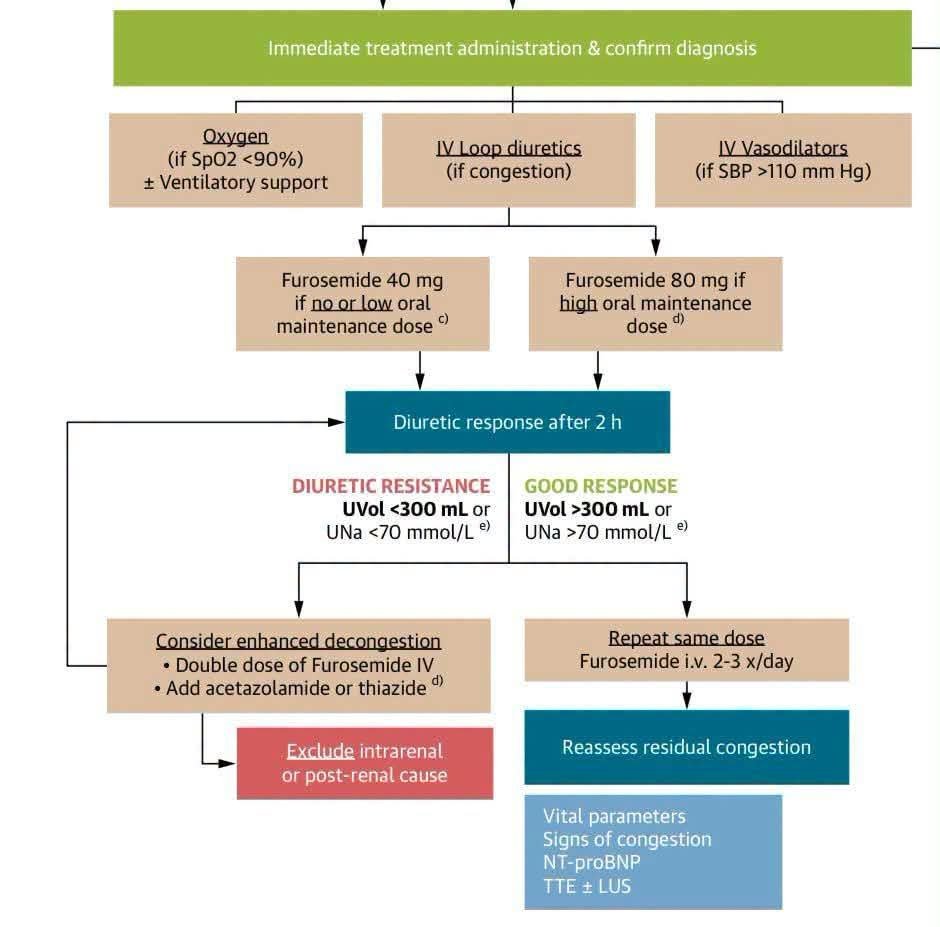
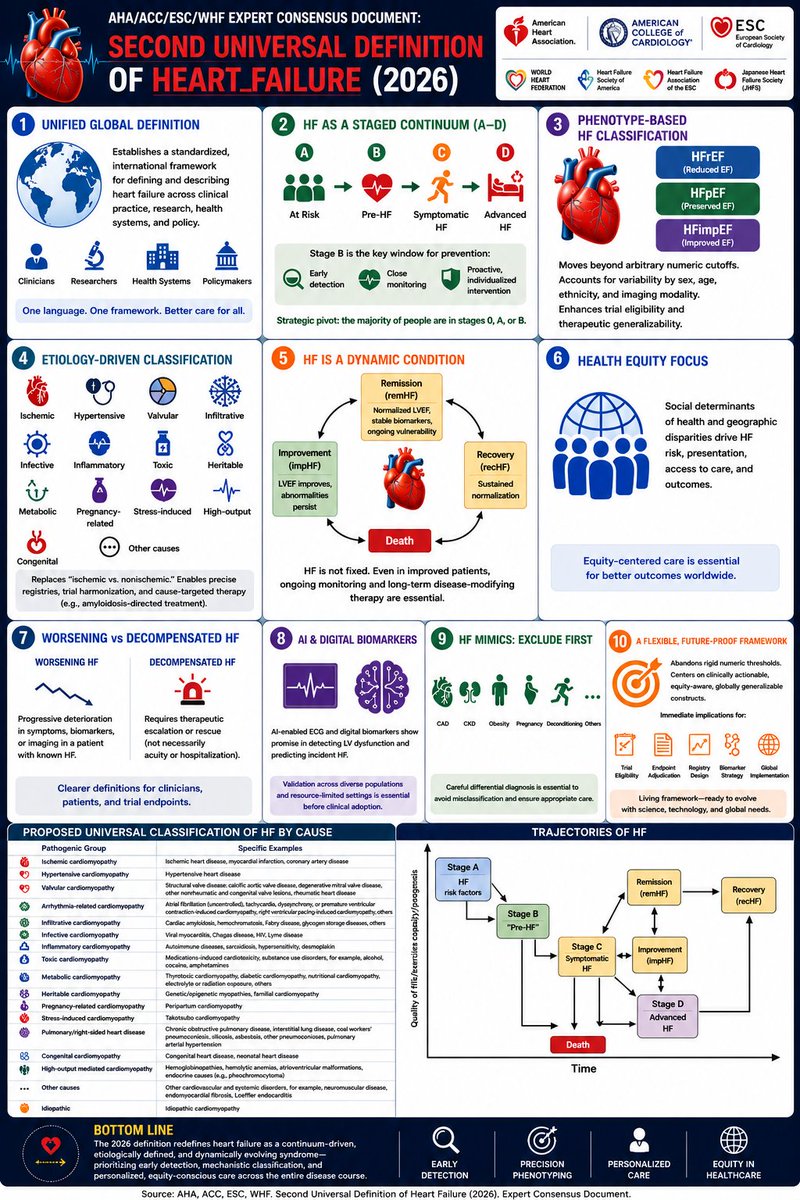
🔴 AHA/ACC/ESC/WHF: Second Universal Definition of #Heart_Failure (2026)
HF is now framed as a continuum-based, evolving syndrome, emphasizing early detection, etiology- and mechanism-based classification, and personalized, equity-conscious care.
https://t.co/0vA800nu0i