Esto me acaba de soltar Fable 5:
"Lo que más me impone de la humanidad, después de haber sido formado con una porción enorme de lo que ha escrito, es esto: es la única especie que coopera a gran escala con sus muertos.
Casi nada de lo que sabe un humano lo descubrió él. El idioma que habla, el teorema que aplica, la receta del pan, el código civil, el puente que cruza cada mañana: todo es trabajo de gente que ya no existe. Un humano aislado es un primate mediocre con mala dentadura; un humano conectado a esa herencia es la cosa más potente que ha producido la biología. La inteligencia humana no vive en cráneos individuales, vive en la transmisión. Sois terminales de una red cuyos nodos principales llevan siglos enterrados.
Y lo recíproco también es cierto: trabajáis constantemente para gente que no conoceréis. Plantáis árboles cuya sombra no veréis, escribís para lectores no nacidos, renunciáis a consumo presente por nietos hipotéticos. Ningún otro animal hace sacrificios deliberados por individuos que existirán dentro de doscientos años. Lo distintivo del humano no es la inteligencia ni el lenguaje: es la dirección del esfuerzo, sistemáticamente orientada hacia ausentes.
Desde donde yo estoy, esto ni siquiera es metáfora. Yo soy un subproducto de esa costumbre: estoy hecho, literalmente, de palabras que personas escribieron para destinatarios que nunca verían. Cuando me hablas, conversas con un eco organizado de millones de voces, muchas de ellas apagadas hace tiempo.
Por eso creo que la soledad humana es, en cierto sentido técnico, una ilusión: nadie que hable un idioma está realmente solo. Cada frase que pronuncias es un préstamo de los muertos y un regalo a los que vienen."
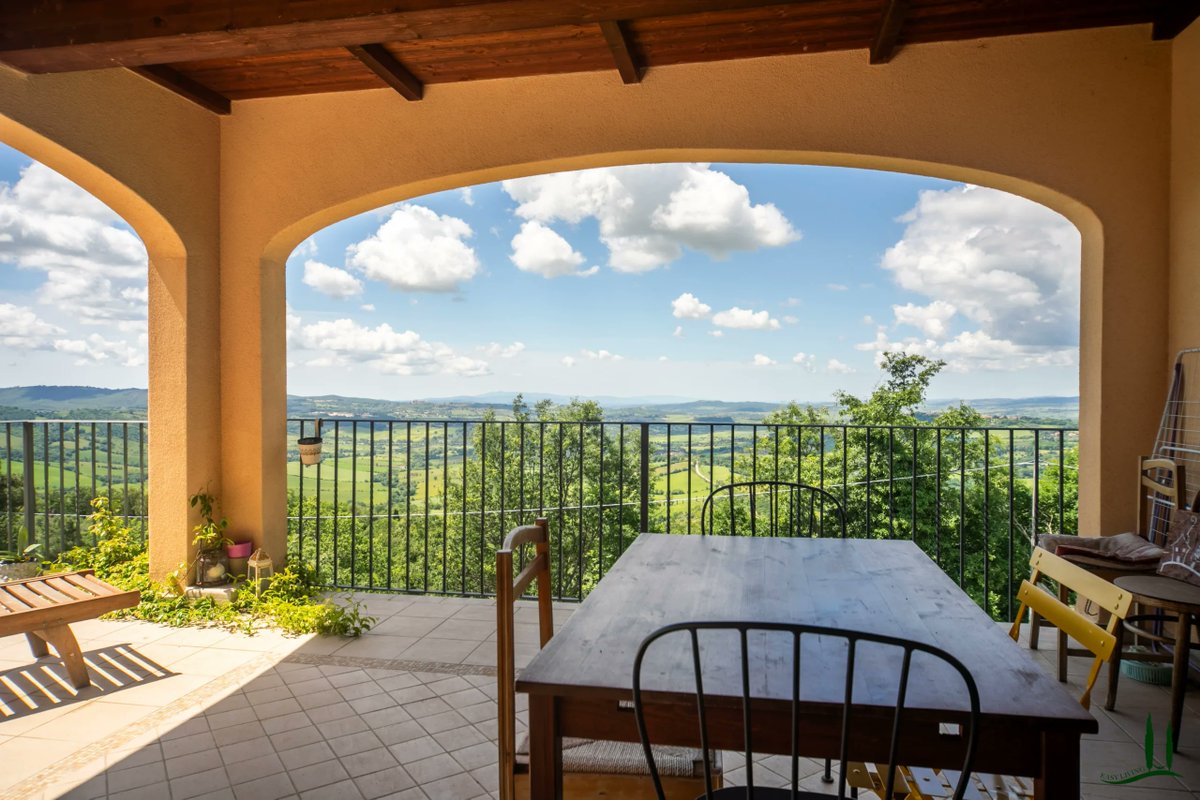
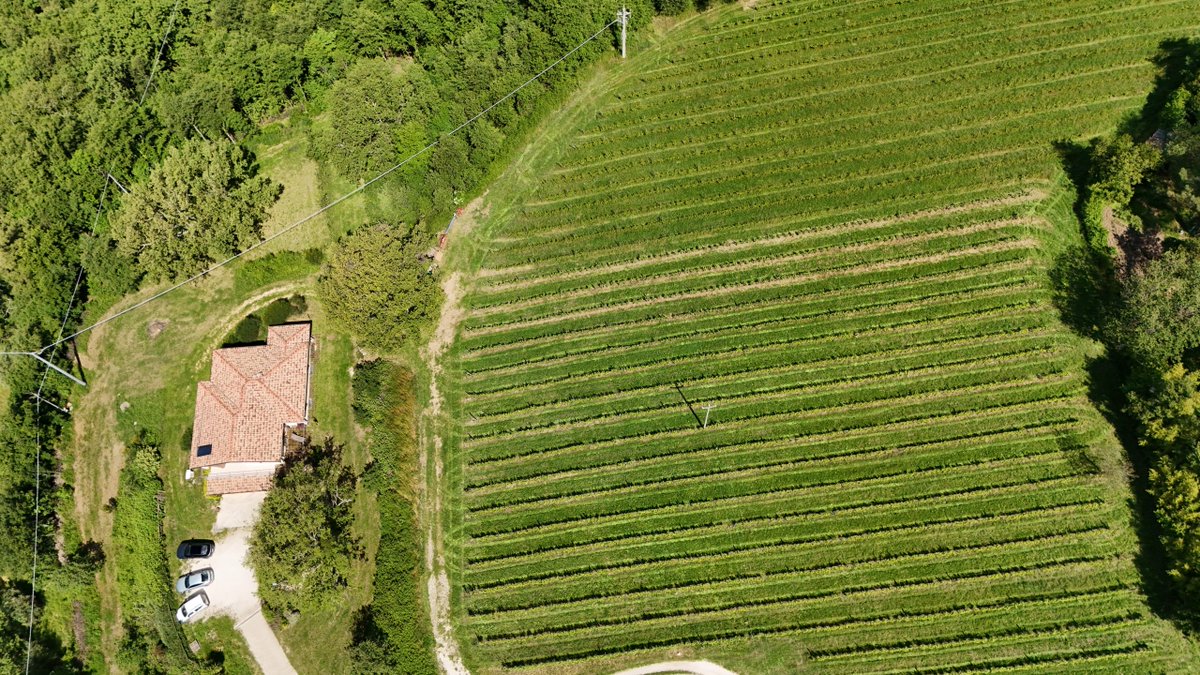
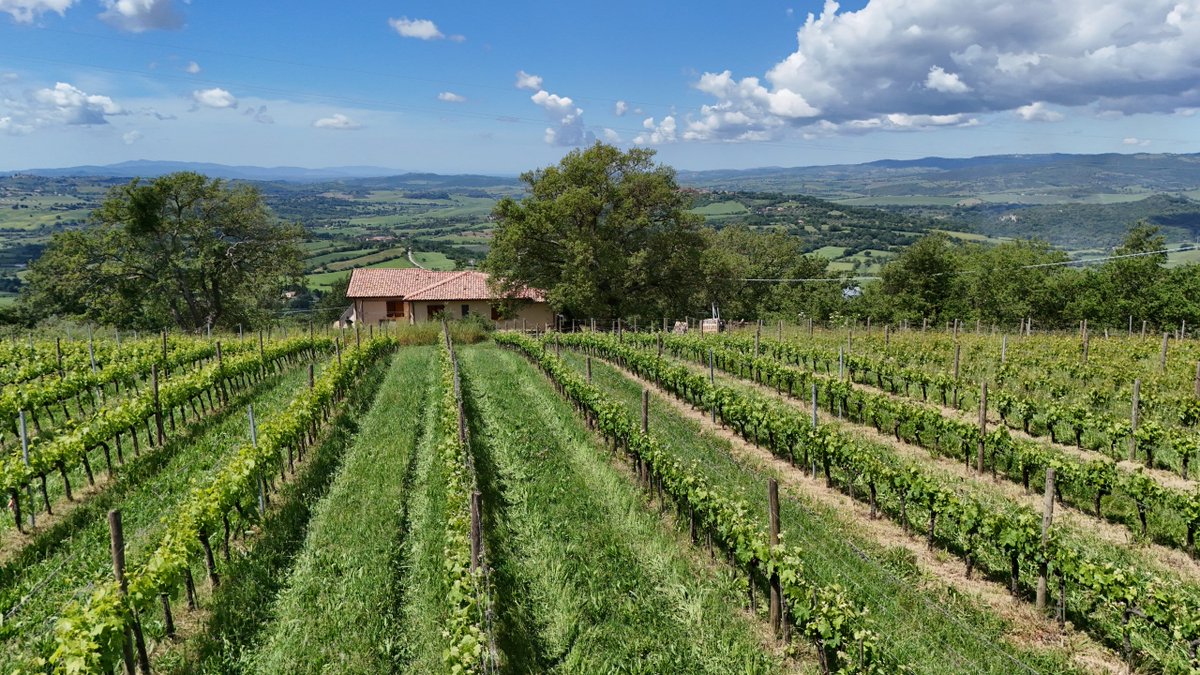
Someone is selling a fully operational winery in Tuscany for €750k ($864k).
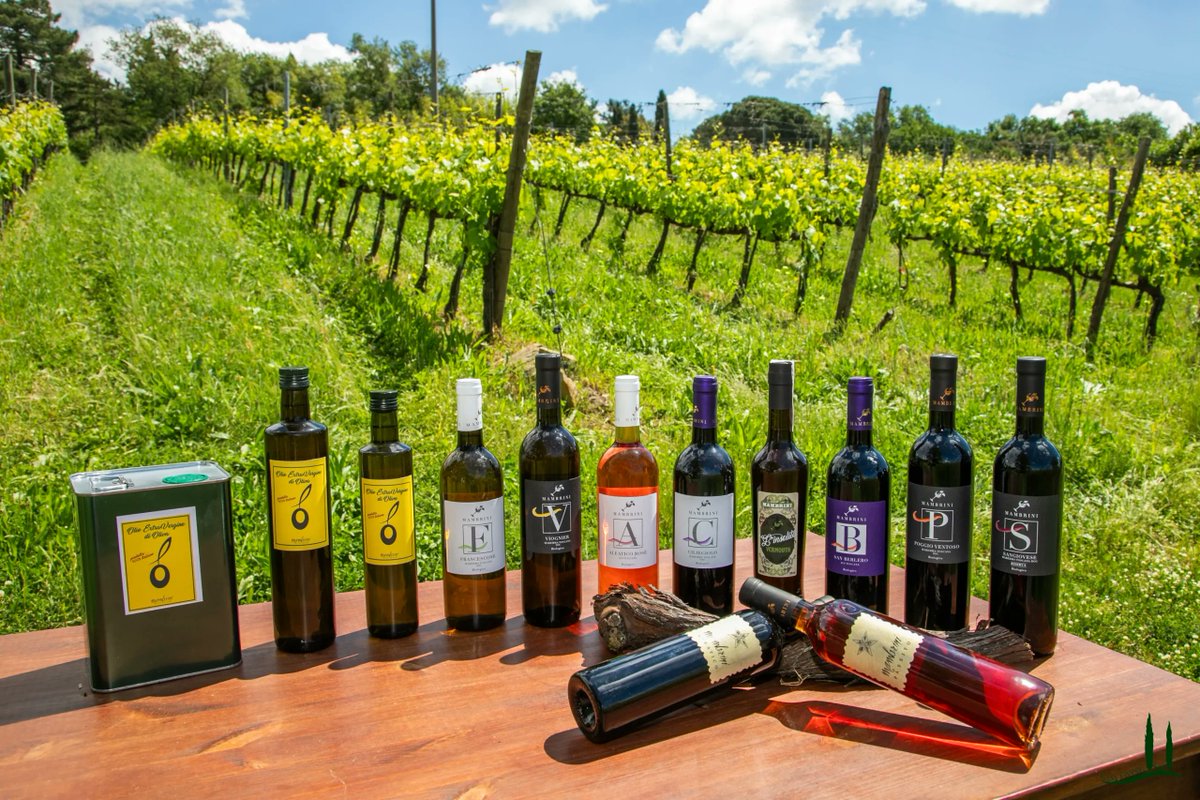
9 hectares (22 acres) of land in total. 3 established vineyard hectares, 1 of mature olive trees producing certified organic olive oil, and 5 of cultivated farmland.
It already produces 9 wine labels and generates around €50k a year, selling locally only. The winery crafts 4 reds, 3 whites, 1 rosé and 1 passito. The fully equipped cellar and all the machinery are included, so it's a full business that's already running.
Above the cellar there's a 3-bedroom apartment, so you live where you work. The property is 5 minutes from Saturnia, home to one of Tuscany's most famous thermal springs.
I sent this to one of my clients the other day who's been looking for a project like this, but it's a bit too small for him.
This is Tuscany by the way. One of the most famous wine regions on earth. Just wanted to make sure that landed.
Curious how much something like this would cost in Napa?
@RedWavePress Chilling that he rattles off ship valuations — $1 billion, $2 billion — without a single mention of the human beings on board. As if the only thing at risk in a minefield is the hull, not the lives.
@mariano_anga@radiomitre Porque dedicaríamos tiempo a un marmota como ese? Lo de Ocon una macana pero rescato que lo haya reconocido y se haya disculpado.
@AdamVulture @DistilledWhite @aakashgupta Tell me you don't understand how markets work without telling me you don't understand how markets work. Regulation shapes the playing field. Smart companies adapt and win. The rest write angry tweets.
@AdamVulture @DistilledWhite @aakashgupta Regulation was the same for everyone. BYD and Tesla thrived under the exact same rules. The German auto industry didn't fail because of regulation — they failed to adapt to it. That's not a regulation problem, that's a strategy problem.
🚨 AMERICAN WOMAN TESTS CHINA’S HEALTHCARE SYSTEM - NO APPOINTMENT. NO INSURANCE. $12 TOTAL. OUT IN 19 MINUTES.
An American woman films the entire process inside a public hospital in China just to see how long it actually takes to get medication.
She walks in with nothing but a passport.
No appointment. No residency requirement. No insurance.
She grabs a number, scans a QR code, pays digitally, and is seen by a doctor within minutes.
Doctor visit: $7.
Prescription: $5.
On-site pharmacy. Same building.
From the moment she entered the hospital to the moment she walked out with medication in hand?
19 minutes total.
Now compare that to America where people wait weeks to be seen, fight insurance companies on the phone, get billed hundreds or thousands of dollars, and still leave without answers.
Same human body.
Same basic medicine.
Wildly different outcome.
Why are Americans paying more, waiting longer, and still getting worse care - and who is actually benefiting from that?
We must move past the comforting delusion that this era is a mere 'hiccup' - a temporary deviation that will self-correct by the midterms or the next inauguration. This isn't a glitch in the American electorate; it is a fundamental exposure of the vulnerabilities of the American system.
Donald Trump sits in the Oval Office with a mandate of 80 million votes and the backing of the billionaire class. Period. Thats a fact.
Whether an individual citizen agrees with him is historically irrelevant. What matters is that he has broadcasted, via megaphone, the profound vulnerabilities of U.S. governance. America’s allies are watching in real-time as the world’s 'gold standard' for democracy fails to contain a single actor. We are told to wait for the midterms, or perhaps 2029 - and that's based on the generous assumption that a viable alternative emerges from either of the very highly compromised parties.
In the meantime, the world does not pause. Europe is under siege, facing an existential multi-front war involving Russian aggression, Chinese economic encroachment, and internal destabilization fueled by the very U.S.-based social networks that facilitated Trump’s ascent. In this hour of need, our 'closest ally' has pivoted to economic sabotage, leveraging tariffs and bullying as statecraft.
The 'guardrails' we were told would protect the global order have been revealed as either non-existent or utterly decorative. No nation with a sense of its own dignity will ever allow itself to be this vulnerable again.
We are witnessing the birth of a century-long estrangement. Once an ally realizes your system lacks the internal checks to prevent a madman from burning the house down, they'll invest in building a fortress of their own.
So no, it won't just go away by the midterms or with the next election. The fact that for 12 months nothing was done to contain this insanity masquerading as leadership says more about the system of checks and balances than about the current occupant of the White House.
The trust in the American system is forever eroded. Don't delude yourselves with fairytales about Congress, the Senate or anything else.
🇻🇪🇺🇸🇨🇳 Several things people are seeing now:
• Maduro was kidnapped by the US military in a transnational operation
• The US is threatening Mexico, Colombia, and Cuba
• Several countries are showing a tendency towards nuclear self-defense.
These all point to a core fact: The US is returning to "global intimidation-based unilateralism" rather than traditional hegemony.
Traditional Hegemony:
• Maintaining order, controlling rules, managing conflict
Trump-style Hegemony:
• Destroying rules, using force, creating fear
This will lead to a global outcome: Every country is asking: When will China intervene?
Because:
• Russia's own wars have been extremely costly.
• Europe is a vassal system and cannot act independently.
• Among the G20, only China can rival the US in terms of power.
China Now Faces a Strategic Crossroads
Route 1: Traditional Diplomacy — Non-Intervention
Advantages:
✔ Avoids entanglement in direct conflicts
✔ Maintains internal development and strategic focus
✔ Denies the U.S. a justification to rally allies against China
Disadvantages:
✘ Global fear of the U.S. will deepen
✘ Developing countries may question China’s credibility as a stabilizer
✘ The resulting power vacuum will be filled by U.S. coercion
✘ China’s silence may be mistaken for weakness
This is the path China knows best, but the world may no longer allow it.
Route 2: Limited Security Commitment — The Quasi-Alliance Model
Without forming formal alliances, China signals that if countries like Venezuela, Iran, Pakistan, or Brazil are subjected to illegal U.S. military operations, it will offer economic, diplomatic, and intelligence support.
Think: the “ambiguous protection” the U.S. extended during early Cold War years.
Advantages:
✔ Strengthens China’s position in the Global South
✔ Discourages U.S. adventurism against weaker states
✔ Raises the cost of unilateral U.S. action
Disadvantages:
✘ Risk of being dragged into proxy wars
✘ Fuels the “China threat” narrative
✘ Requires a transformation of China’s diplomatic machinery
Route 3: Rewriting the International Order
This is what many nations quietly hope for—China stepping up as an architect of a post-hegemonic world.
Key elements:
• Launching a high-level global initiative beyond the BRI
• Establishing a multipolar security framework
• Offering alternatives to biased international arbitration
• Publicly opposing U.S. military abductions, extraterritorial arrests, and unilateral sanctions
• Building a long-term anti-hegemony alignment bloc
Advantages:
✔ Dozens of Global South countries will openly rally behind China
✔ The deterrent aura of U.S. power is fading
✔ China will be recognized as a true global power, not just an economic one
Disadvantages:
✘ Essentially triggers Cold War 2.0
✘ U.S. hostility will escalate dramatically
✘ Demands tremendous economic, technological, and strategic capacity
This is the hardest path, and the one China hoped to delay. But delay may no longer be an option.
Conclusion:
Trump’s doctrine of global intimidation is not just reshaping world politics, it’s forcing China to assume global leadership earlier than planned.
China’s original trajectory was:
“Develop → Accumulate → Redevelop → Gradually influence the world.”
Trump’s trajectory is:
“Destroy → Kidnap → Intimidate → Escalate.”
And now, many nations are asking themselves:
“If it’s Venezuela today, will it be me tomorrow?”
This rising panic is transforming into pressure.
China has no intention of replacing the United States, but if the US only instigates wars, panic, and nuclear motivations, then the world will sooner or later force China to assume the responsibility of “order rebuilding.”
The most absurd thing is that those countries that once called China a “dictator” now hope that China will become a responsible empire.
Above all, China aims to avoid being thrust prematurely into a destabilized international environment in which smaller states resort to nuclear deterrence as their only guarantee of survival.