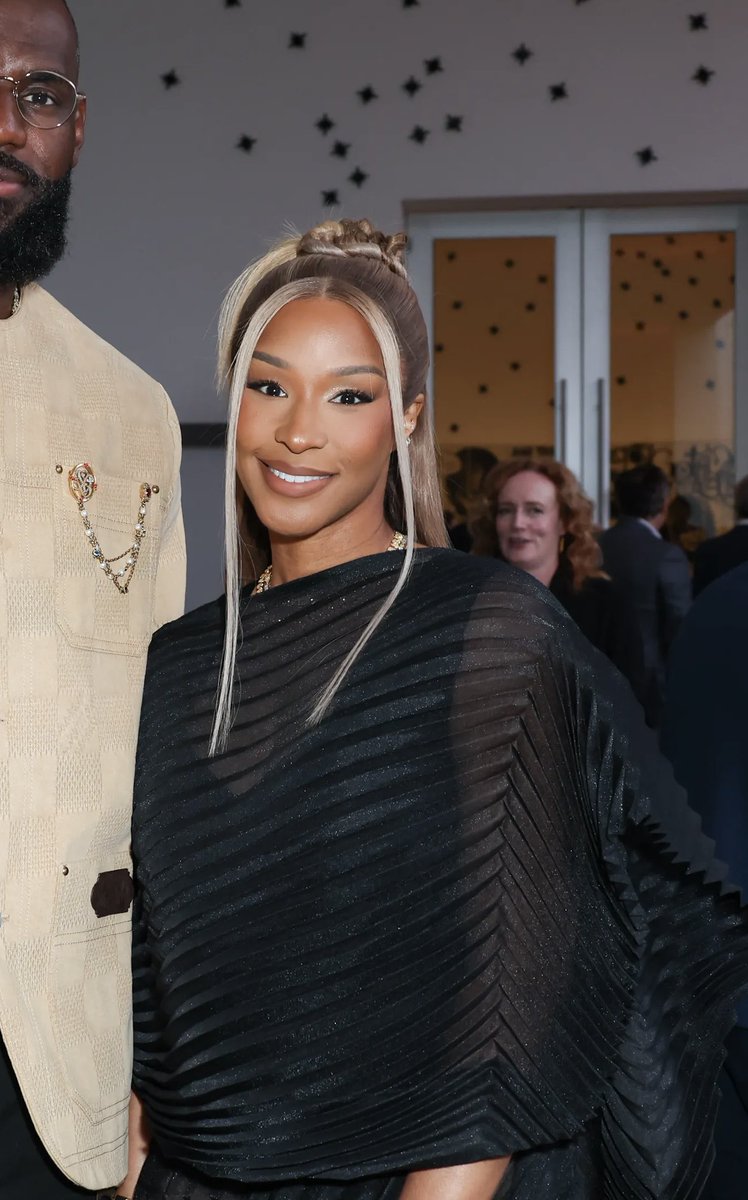
🔥 Rep. Joyce Beatty just shut it down.
She refused to let Trump’s Treasury Secretary Scott Bessent waste her time with filibustering.
“No, no, no we’re not doing that with me.”
Straight answers or move on. No games. No evasion.
When politicians actually use their time to demand accountability instead of theater… that’s how oversight is supposed to work.
Power move. 💪
Who else is tired of the scripted dodges in these hearings?
Zeus network has fucked yall minds up. I’m reading the comments and I’m utterly in disbelief how weak minded and ignorant a lot of you are.
Baddies, Bad Boys, NTTV is not real life. Yall gonna get hurt, killed or jailed for no good reason at all. Simply just dumb
For generations, Black Americans were told that freedom and equality were fundamental American values while living under laws and institutions that repeatedly denied them both. That contradiction is one of the most important threads running through American history, from slavery and Reconstruction to Jim Crow, the Civil Rights Movement and the continuing debates over racial inequality today.
When slavery ended in 1865, nearly four million formerly enslaved people entered freedom without the land, wealth or resources that generations of forced labor had created for others. Reconstruction briefly opened new possibilities. Black men voted, held public office and helped establish public education across the South. But those gains were met with organized resistance, racial violence and eventually new laws designed to restrict Black political and economic power.
By the late 19th century, Jim Crow had transformed racial inequality into an elaborate legal structure. Black Americans could be forced into separate schools, neighborhoods and public facilities. Poll taxes, literacy tests and intimidation stripped many Black citizens of the vote. Even outside the South, discrimination in employment and housing restricted opportunities. During the 20th century, practices such as redlining and discriminatory lending made homeownership and wealth building considerably harder for many Black families.
None of these barriers disappeared simply because Americans gradually recognized them as unjust. Black communities spent generations challenging them. People organized voter-registration drives, created businesses and institutions, filed lawsuits, staged boycotts and sit-ins, marched through hostile streets and sometimes risked their lives simply to exercise rights that already existed on paper.
Those struggles changed the country. Brown v. Board of Education challenged legally segregated public schools, while the Civil Rights Act of 1964 outlawed major forms of discrimination. The Voting Rights Act of 1965 attacked barriers that had kept Black citizens from the ballot, and the Fair Housing Act of 1968 prohibited discrimination in housing.