WWF-Pakistan welcomes the notification by @PunjabWildlife and @GovtofPunjabPK declaring the stretch of the Indus River with the highest density of Indus River dolphins in Punjab as the Punjnad Indus River Dolphin Wildlife Sanctuary.
This is a major milestone for dolphin conservation and the protection of the Indus ecosystem. The designation strengthens Pakistan’s network of protected areas and reflects the country’s commitment to biodiversity conservation ahead of CBD COP17.
We appreciate the efforts of Senior Minister @Marriyum_A in making this happen.
The Indus River is Pakistan’s lifeline and home to the endangered Indus River dolphin, one of the world’s rarest freshwater dolphins. With only around 2,000 dolphins remaining in the wild, protecting their habitat is critical for the species’ long-term survival.
WWF-Pakistan has worked for decades with government, key partners, and local communities to conserve this remarkable species and its habitat.
@JavedMahar7@nadeemmirbahar It was actually @JavedMahar7 who showed the courage to take a bold steps in Karachi and at Sind Wildlife some years ago a decision that ultimately created space for nature to thrive, allowing countless plant and animal species to flourish.
@JavedMahar7@nadeemmirbahar It was actually @JavedMahar7 who showed the courage to take a bold steps in Karachi and at Sind Wildlife some years ago a decision that ultimately created space for nature to thrive, allowing countless plant and animal species to flourish.
At #CMSCOP15, @TheWCS is calling for urgent international action to protect the #stripedhyena, a species facing increasing threats and a steady global decline.
via @GuardianEco. Photo: Team Bars Turkmenistan/MoEPT/C/XL
https://t.co/pc2mvXRQ0w
The insect is a violet carpenter bee (Xylocopa violacea), one of the largest bees in Europe. These bees make their nests by drilling holes in dead wood. Although they are large in size, they are harmless.
Today, I spotted this bee in my courtyard as a visiting guest.
#Bee
The insect is a violet carpenter bee (Xylocopa violacea), one of the largest bees in Europe. These bees make their nests by drilling holes in dead wood. Although they are large in size, they are harmless.
Today, I spotted this bee in my courtyard as a visiting guest.
#Bee
Vultures are widely misunderstood and play an irreplaceable role as nature’s cleanup crew. They prevent diseases, recycle nutrients, and even help reduce greenhouse gas emissions. Yet they are disappearing at an alarming rate. 🦅
To mark International Vulture Awareness Day, André Botha, Chair of the Technical Advisory Group to the CMS Raptors MoU, joins host Munir Virani on the Talons of Hope podcast.
He shares solutions that are turning the tide and explains why these birds are the silent guardians of our ecosystems and our health.
🎧 Listen now: https://t.co/FpPPNX8fOj
#VultureDay
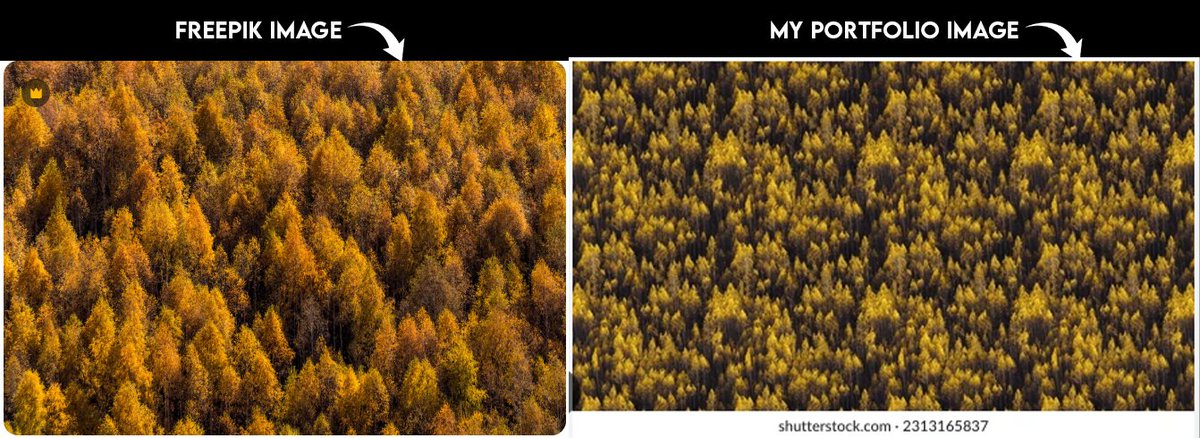
Hi @Shutterstock, my contributor account was mistakenly suspended for copyright concerns. I always upload original content and respect all copyright rules. Please review my case, as I believe this was an error. My portfolio is very important to me. Thank you!
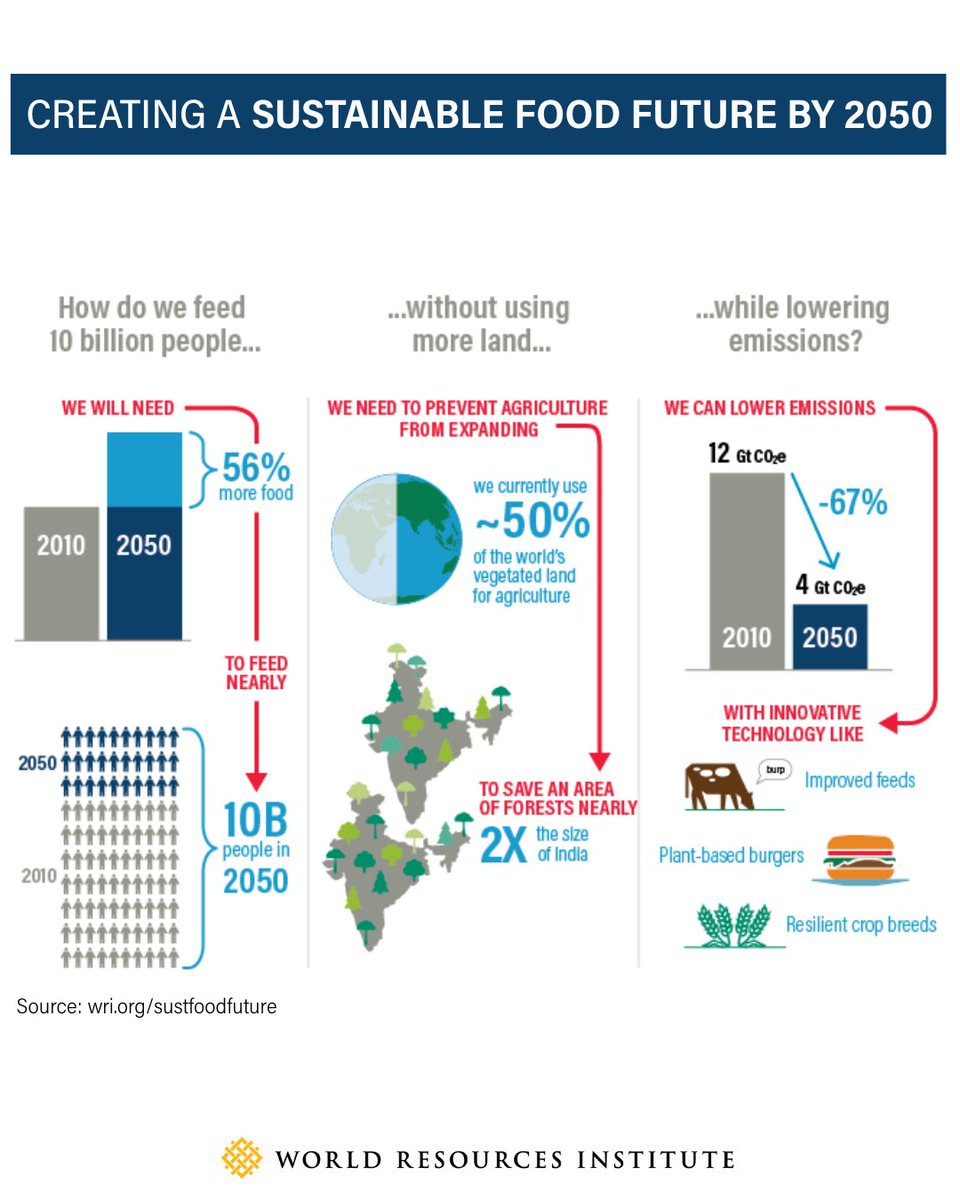
🥗Feeding 10 billion people sustainably by 2050 requires closing 3 gaps👇
🌽A 56% food gap between crop calories produced in 2010 and those needed in 2050 under “business as usual” growth
🌏A 593 million-hectare land gap (an area nearly twice the size of India) between global agricultural land area in 2010 and expected agricultural expansion by 2050
💨An 11-gigaton GHG mitigation gap between expected agricultural emissions in 2050 and the target level needed to hold global warming below 2oC (3.6°F), the level necessary for preventing the worst climate impacts
WRI research has identified 22 solutions that need to be simultaneously applied to close these gaps. See them here👉 https://t.co/F40I2zBNYv
Sending Lolly from its homeland to Russia is not rescue—it’s exploitation. Pakistan’s wildlife is not for export. Let this endangered cub grow up where it belongs... @ClimateChangePK@ForeignOfficePk