We’re a group of neuroscientists and patient advocates dedicated to accelerating brain research through increased fundraising, awareness, and connection.
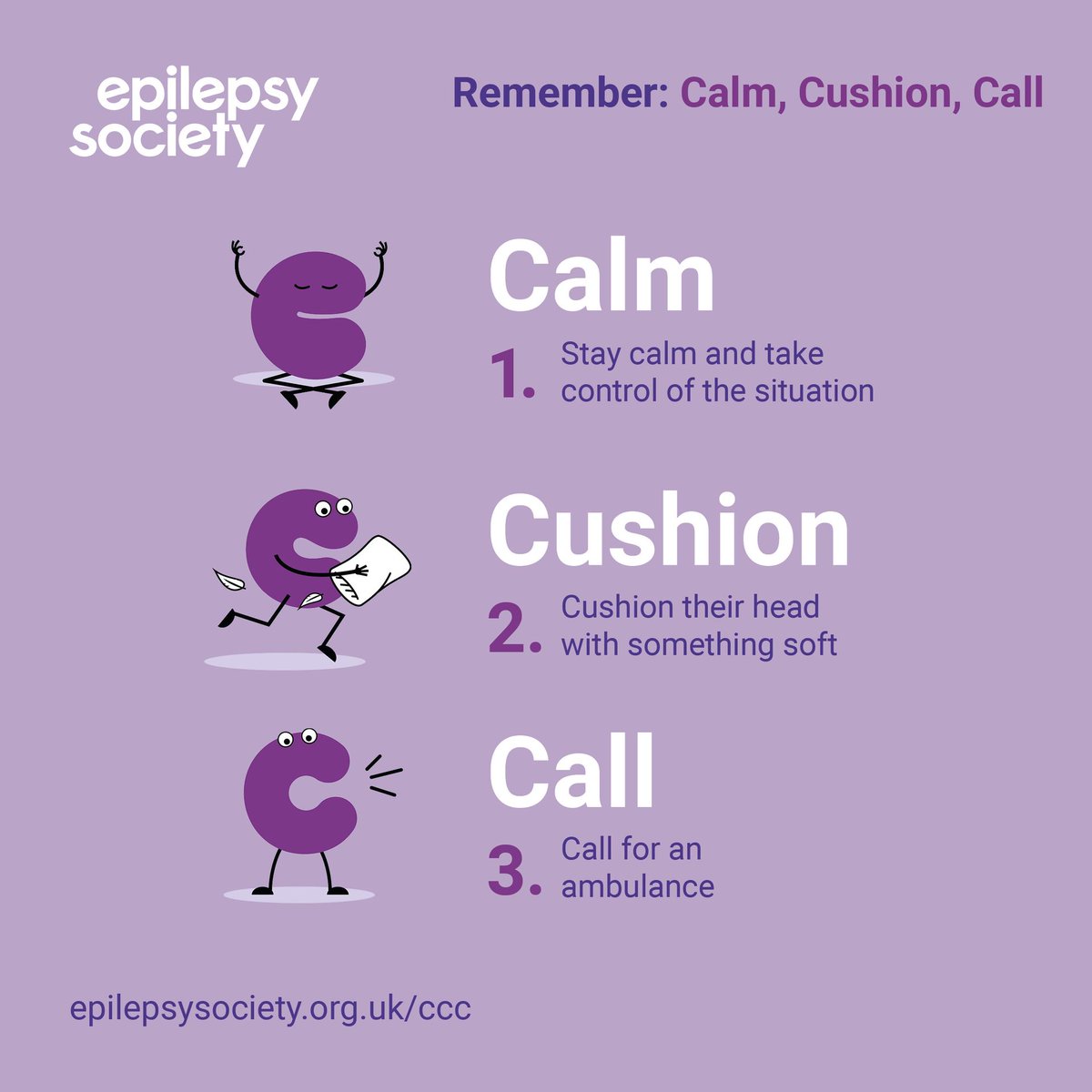
If you see someone having a seizure, remember:
Stay CALM
CUSHION their head
CALL for help
Our aim is to make sure everyone is #seizuresavvy and knows how to support someone with #epilepsy 💜
Seizure first aid is so important and yet, as those of us in the epilepsy community know, not enough people would know what to do if they saw someone having a seizure.
That’s why Jodie, a third-year journalism student, wanted to raise awareness for seizure first aid at her uni.
Molecular dynamics simulations in mixed reality!
With @labriataphd and @lucien_krapp we’re scaling our multi-user WebXR platform to enable immersive molecular simulations, fully based on web technologies.
Stay tuned, lots of cool stuff coming soon!
@threejs#WebXR#Quest3
Two new postdoc positions available at UCL's Institute of Behavioural Neuroscience, with job adverts to be posted shortly. Feel free to DM if interested...
Interesting. A small difference in amygdala size. There’s obviously much more to the story, but interesting that multiple studies have now identified measurable differences in brain structure between conservatives and liberals.
Brain Structure Linked to Political Ideology
A recent study has shown a small but notable link between brain structure and political ideology.
Researchers found that conservatives have a slightly larger amygdala, a brain region involved in processing emotions, compared to progressives.
The size difference, comparable to a sesame seed, suggests that while there is a connection, it is not as strong as previously believed.
The study also found no significant link between political ideology and the anterior cingulate cortex, which was highlighted in earlier research.
These findings suggest that brain structure may play a subtle, indirect role in shaping political beliefs, but the connection is more nuanced than a simple left-right dichotomy.
The study also underscores the complexity of ideology, which cannot be fully explained by brain anatomy alone.
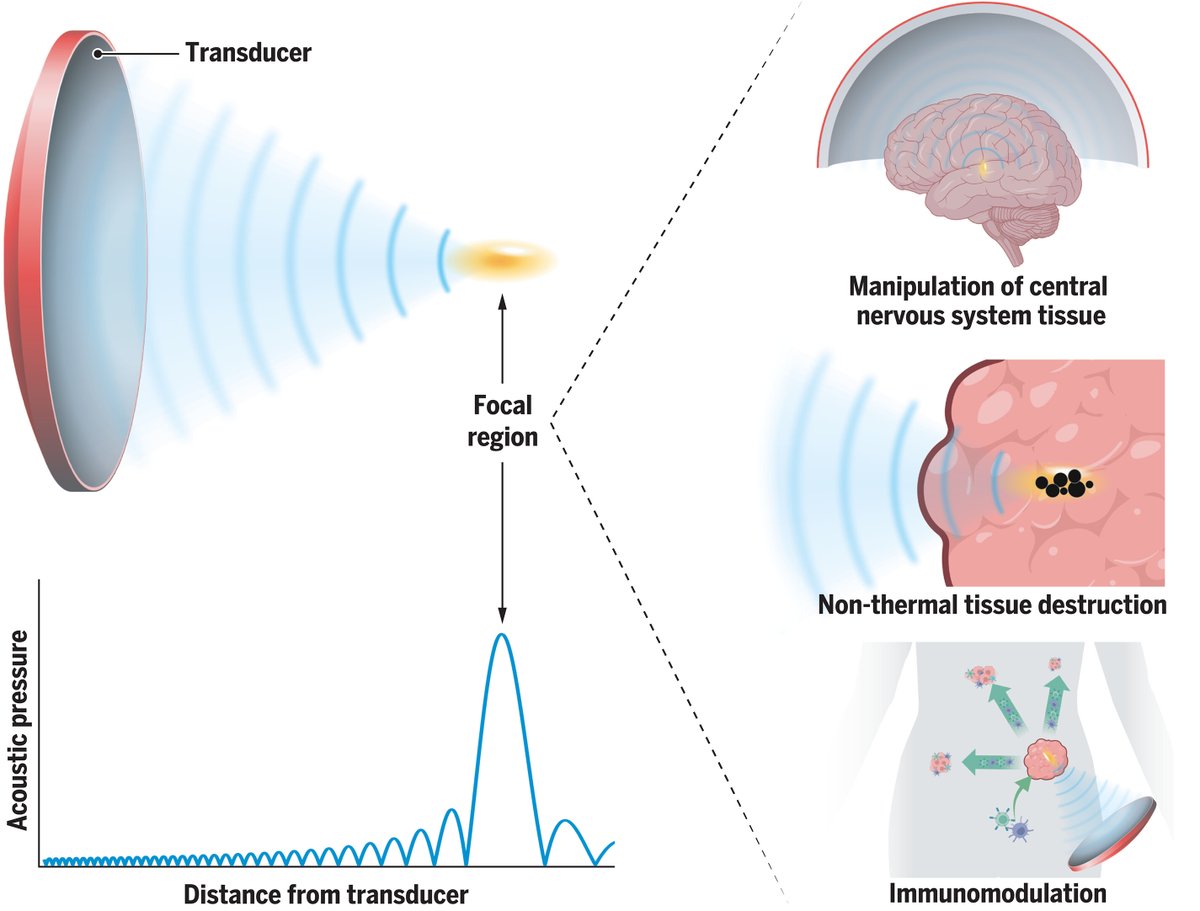
The most widely known application of ultrasound is for diagnosis, such as in prenatal care, but that is far from the only possible use for this versatile technology.
A new #ScienceReview takes a look at recent advances in the clinical applications of focused ultrasound for purposes such as as drug delivery, immune activation, neuromodulation, and more. https://t.co/2ocGhLXf1f
A few years ago I was in a position to do something unique in neuroscience. I had been working with the phenomenal @emilyjacobs on menopause and inspired by @laura_pritschet's menstrual study, and I was planning a pregnancy. What if we scanned my brain??
https://t.co/mTLfToPhru
Small differences between APOE2, APOE3, and APOE4 can have big effects. Affected families and leading neuroscientists reflect on our understanding of the burden of APOE4 and the path to intervention. #Alzheimers#APOE4
https://t.co/XdCd8LUbgU
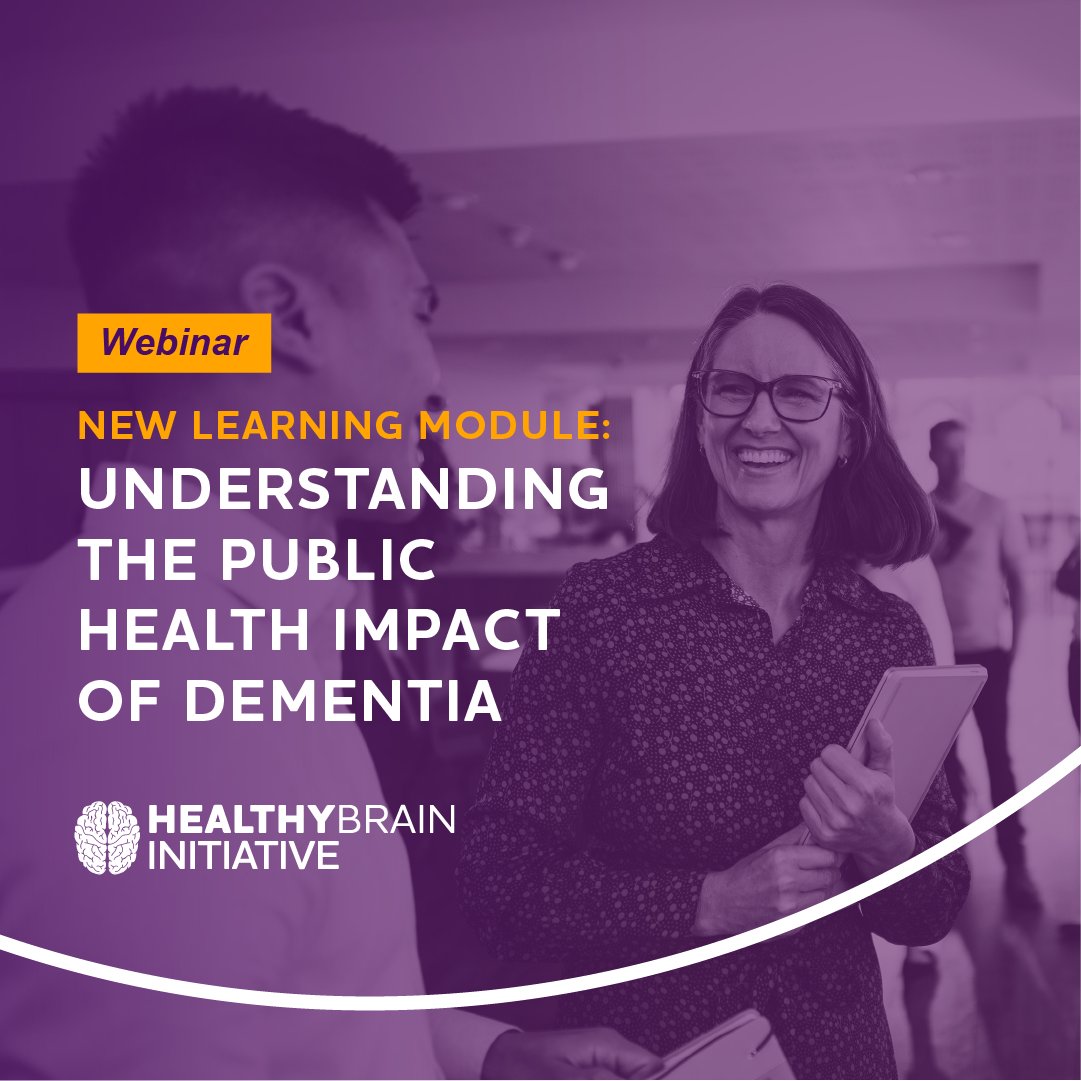
Join the Alzheimer’s Association’s Healthy Brain Initiative for a webinar launching the new, free, interactive learning module, "Public Health and Dementia — Part 1: Understanding the Public Health Impact of Dementia."
📅 September 5, 2024
⏲️ 3-4 p.m ET
🔗 Register today: https://t.co/mLOwrWEMLP
It’s never too late to take charge of your brain health. By starting these 10 Healthy Habits for Your Brain today, you can lower the risk of developing cognitive decline and dementia: https://t.co/7vvu63aEDs. #NationalSeniorCitizenDay
Brain Blood Vessels Key to Combating Cognitive Decline
New research highlights the critical role of healthy blood vessels in maintaining brain health and combating age-related cognitive decline.
The study found that vascular degradation in the brain can lead to neurodegenerative disorders like Alzheimer's disease.
Advanced imaging of mice brains revealed significant vascular changes with aging, especially in areas crucial for memory and cognitive function.
These findings suggest that preserving vascular health is essential for preventing cognitive decline and neurodegenerative diseases.
1/3
Stress leads to disarray of the gut microbiome, which in turn causes inflammation and a drop in the body’s ability to fend off infection https://t.co/qR2KCbHQ85
What Is the Role of Glucagon-Like Peptide 1 Signaling in the Nervous System and Its Potential Neuroprotective Effects? https://t.co/Vpps0Nnz4p
#NeuroTwitter
Beneficial effects of physical exercise on cognitive-behavioral impairments and brain-derived neurotrophic factor alteration in the limbic system induced by neurodegeneration…
https://t.co/7OvkfreAaN
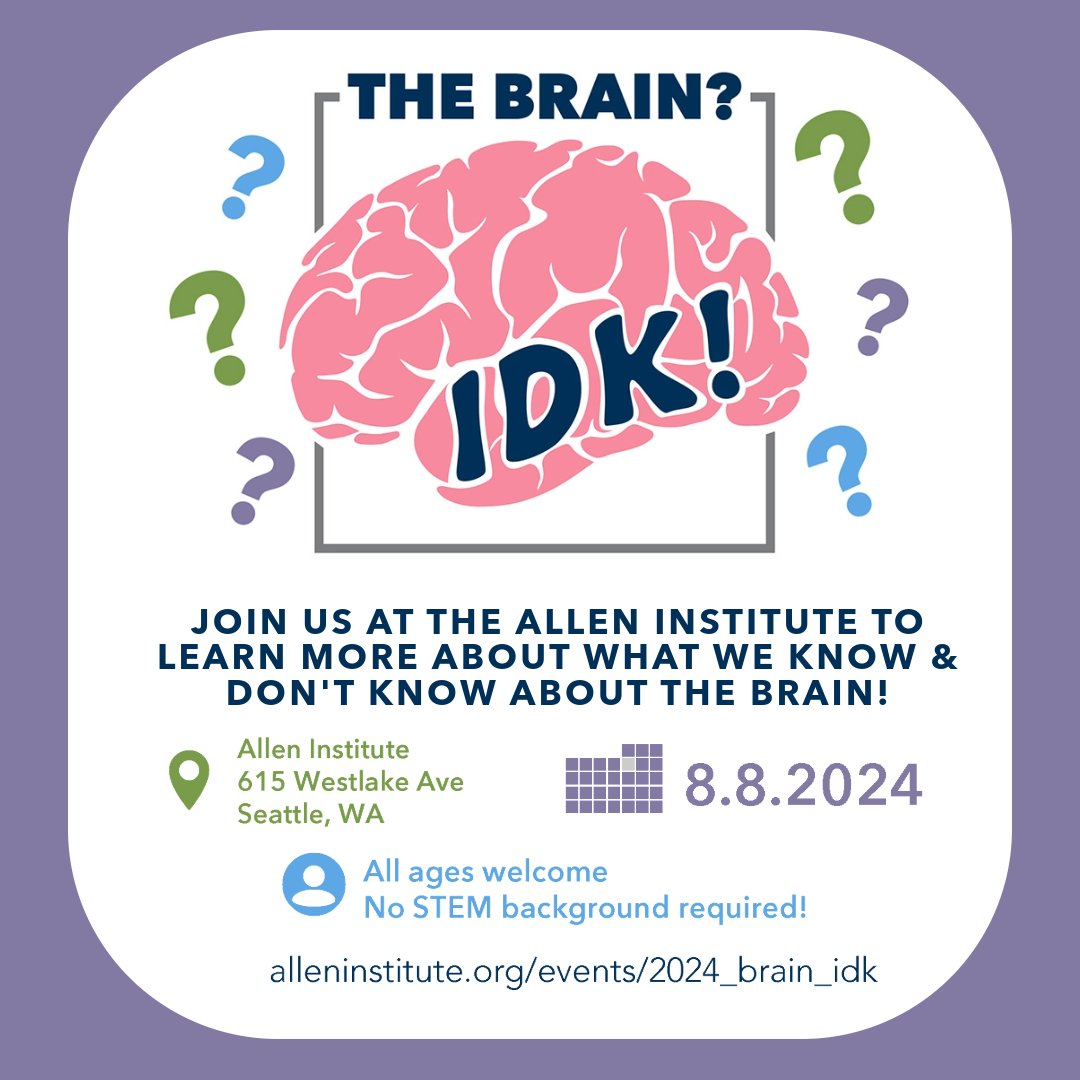
Celebrate the mysteries of the brain with us! 🔎🧠
At #TheBrainIDK, you'll get to do hands-on activities, get up close with real brain tissues, and chat with scientists investigating some of the toughest questions in neuroscience.
🎟️ RSVP for free: https://t.co/ZUf8OC2T6i
Treat or Train? Orexin Helps Brain Decide
Researchers have discovered that the brain chemical orexin plays a crucial role in deciding between physical activity and indulgence in tasty treats.
In a study with mice, those with a functional orexin system were more likely to choose exercise over consuming high-calorie milkshakes.
This discovery suggests that orexin could be a target for developing strategies to encourage exercise and combat obesity.
Understanding how orexin influences decision-making between activity and indulgence may help address the global obesity epidemic.
1/3