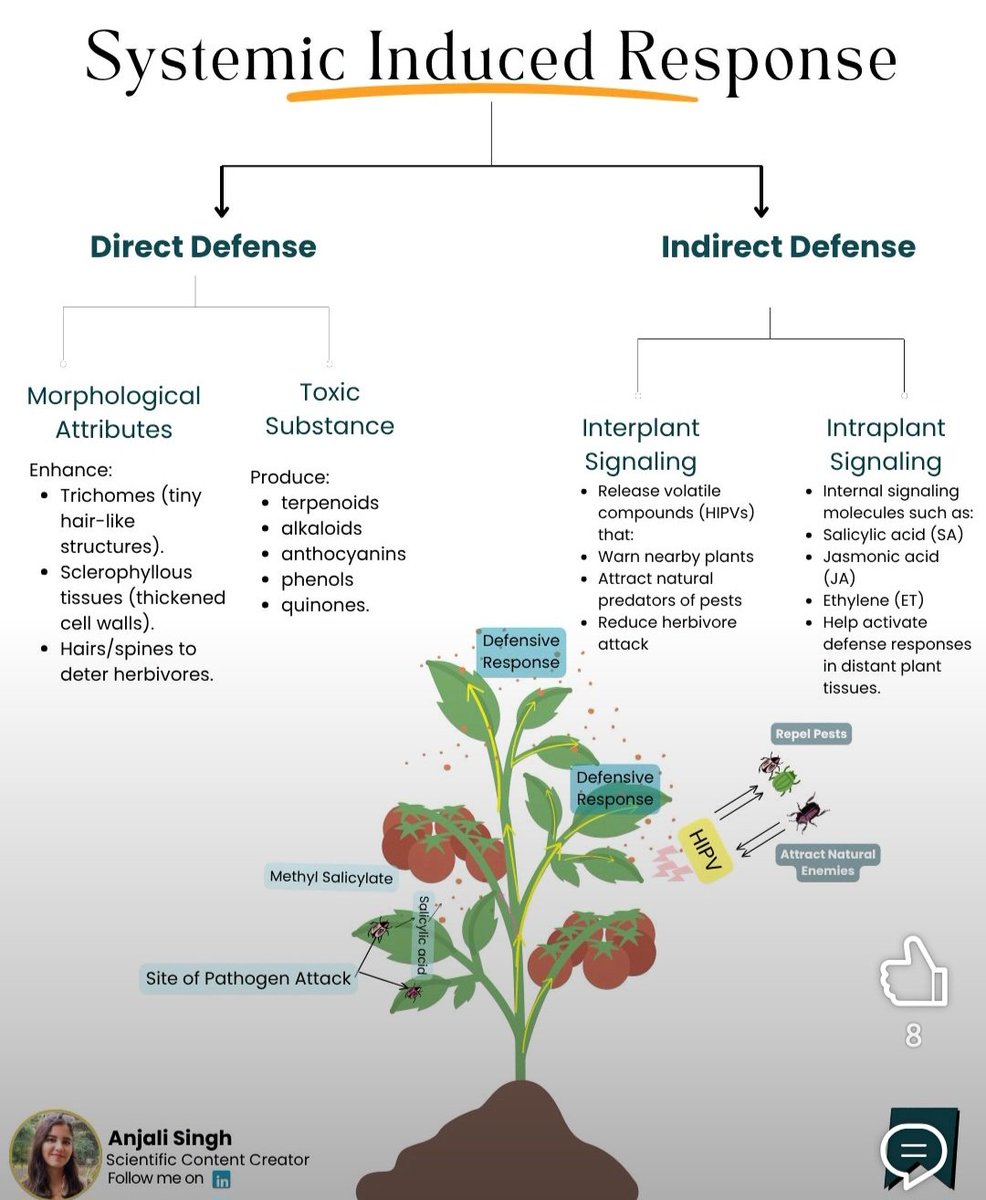
Happy to share our worth reading article published in @TrendsPlantSci, a collaborative effort of researchers from platform of @COST_PlantEd towards science.
Thank you all
https://t.co/x0H9fVjiS1
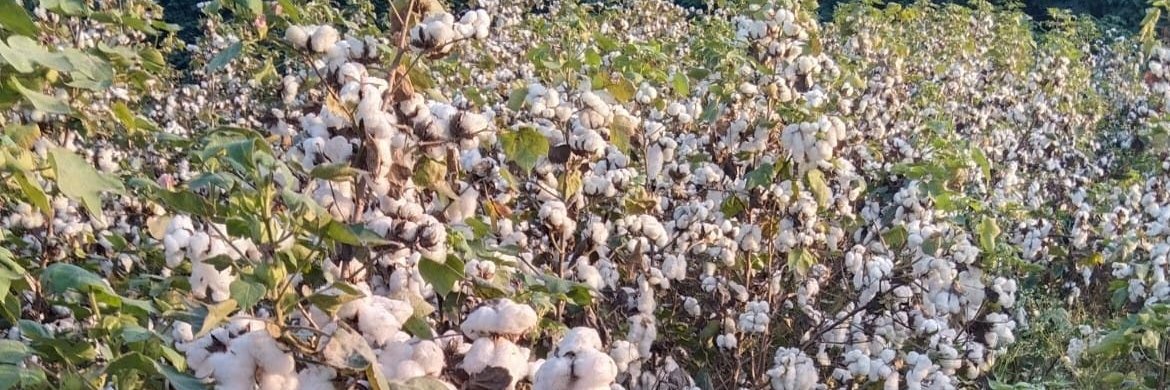
Translating lab research into commercialized product gives immense pleasure to developers. Great to visit our insect and herbicide resistant cotton varieties, a valuable addition to agriculture landscape of Pak
@EUAgri@AgriGoI@GovtofPunjabPK@GovtofPakistan@ClimateChangePK
Had the privilege of serving as the opponent (External Examiner) for a PhD defense at @UniversityofAg2, my lovely alma mater.
The student’s work on using genome editing to target the _hyb_ gene in citrus to enhance carotenoid contents.
Congrats to candidate and mentor @IqrarAKhan
I am excited to share our research is now published! 📚
Molecular screening of Septoria tritici blotch resistance genes in European bread wheat cultivars using validated gene-specific SSR markers
https://t.co/eZGZ0SgKMD
@SN and #SNAuthor.
@NadraPak Can you plz help to fix the problem of a couple (Noor Muhammad family) whose IDs are discontinued, pension of Noor is suspended, couple is going through bad time, they r in this area since generations,performed even Umra, help them to fix issues,details can be provided
@NadraPak Okay but Zonal office unfortunately is not responding this old couple, denying them IDs and declaring wife of Noor Muhammad as Alian. They have lodged an application to chairman NADRA to address the issue. Plz help them
@NadraPak plz fix problem of couple (Noor Muhammad Family) whose IDs are discontinued, pension is suspended, bad time for family, living here since generations, even performed Umra, details can be provided, plz help them
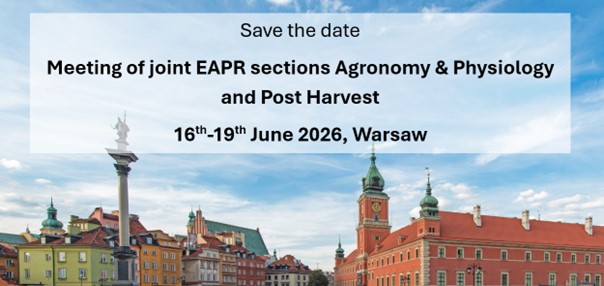
📣 Registration is OPEN!
Join us in Warsaw, 16–19 June 2026 for the Joint EAPR Meeting.
💡 Cutting-edge potato research
🎓 PhD fee waivers available
🌍 Experts from across Europe
Early Bird until 16 March → Don’t wait!
https://t.co/Qbn8juyuBd
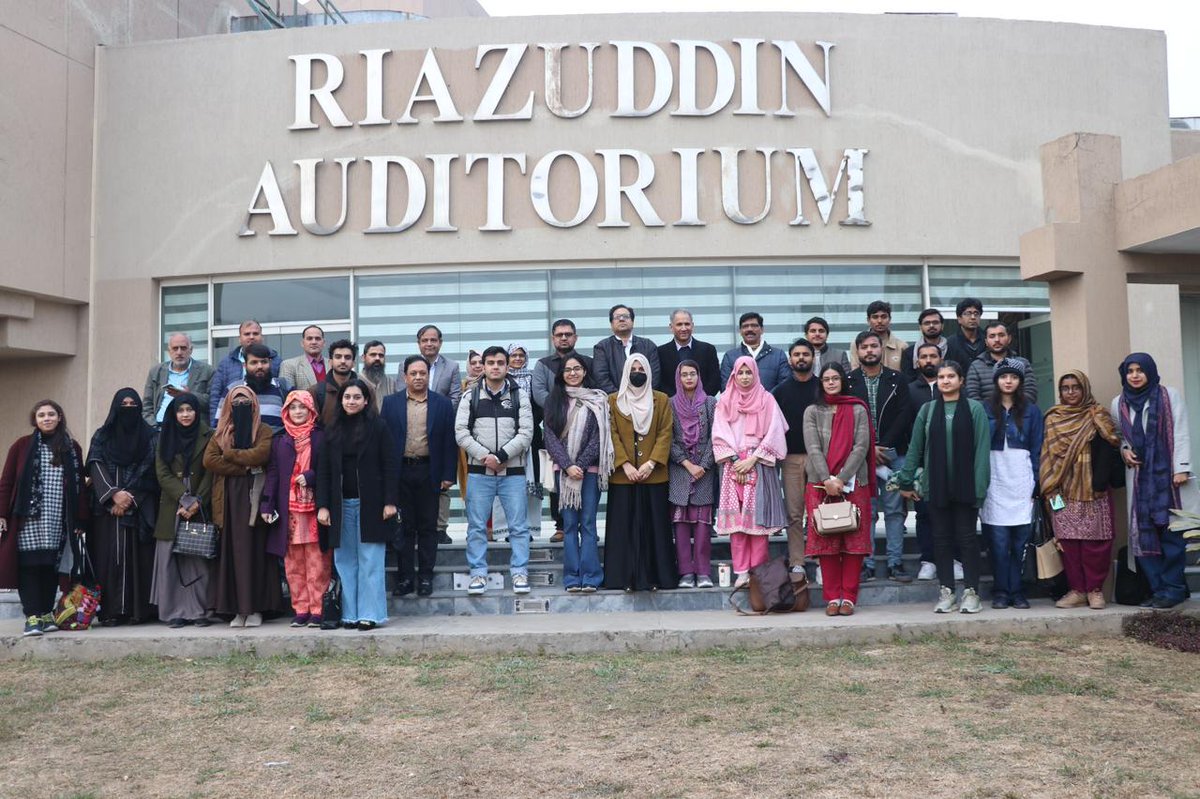
CEMB @PU_OfficialPK is hosting seminar on "Biotechnology Driven Agricultural Opportunities in Pakistan and Sri Lanka under the scope of Pak-Sri Lanka Programme by @hecpkofficial. Scientist from @ColomboUni@UOR_SL and @Centrecemb would deliver insightful talks.
Glyphosate isn’t controversial because it’s understudied.
It’s controversial because the evidence is ignored.
Fact 1. This chemical is exhaustively studied:
•40+ years of data.
•Thousands of studies.
•Reviewed repeatedly across continents.
Fact 2. Global regulators agree:
Every major regulatory authority that assesses real-world exposure reaches the same conclusion:
•US EPA
•EFSA
•ECHA
•Health Canada
👉 Not carcinogenic at human exposure levels.
👉 Not genotoxic.
👉 No unacceptable health risk when used as directed.
This is not one agency.
This is not a global conspiracy.
Fact 3: The largest human study says no.
•54,000+ pesticide applicators.
•Followed since 1993.
•No link to overall cancer.
•No consistent link to non-Hodgkin lymphoma.
If glyphosate caused cancer, this study should have found it.
It didn’t.
Fact 4: Food residues are not the issue.
•Residues are far below safety limits.
•Dietary exposure does not pose a cancer risk.
•Drinking water exposure is not a health hazard.
“Toxic” without dose is not toxicology.
Fact 5: Worker exposure is also low.
•Measured exposures are far below NOAELs.
•Regulators repeatedly conclude: not of concern.
So where does the scare come from?
One outlier → IARC
IARC did a hazard classification, not a risk assessment.
They put glyphosate in the same category as:
•Red meat.
•Hot beverages.
•Being a barber.
IARC explicitly ignores exposure.
Regulators do not.
This is the entire conflict:
Hazard-only classification
vs
Risk-based regulation.
Confuse the two - and fear wins.
Bottom line:
No pesticide regulator on Earth currently considers glyphosate a cancer risk at real-world exposure levels.
The science is boring.
It’s to put a stop to the misinformation.
Dr. Awais @awaicekhan, Associate Professor at @Cornell visited @CentreCemb@PU_OfficialPK. In an interactive session with students and faculty, he shared his research entitled “Genetic improvement of disease resistance in apples through modern genomics and breeding innovations”.
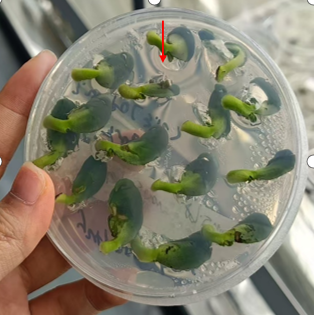
🍷Transformation experiment of soybean
☂️☂️☂️forth step
When the apical bud and cotyledons of the soybean sprout reach uniform height, the elongated hypocotyl is cut off by two-thirds and then inserted into an medium (the medium contains selective agents and antibiotics).
🌱First step,
Better beans were selected and placed on a special medium and incubated in the dark at 24-28 °C for 16-36 h
Second step🍀🍀
remove the seed coat, in the growing point of soybean row 3-4 knife, cut good soybean can be put into the pre-prepared infection of infection.
#soybeans #Genetics #Agriculture
Third step
🍄Co-culture for 3-5 days (growth point up, empty dish, dark culture at 23 °C for 3-5 Days)