A SUI STARTER GUIDE FOR BEGINNERS !!!
Hello stranger 👋 Oh no, you look worried.
Like you don't know where you're going. Well, good thing I got you.
Just agree to follow me carefully. 👀
However, before we get down to business, it's important to understand that the Sui ecosystem is quietly reviving what we all know as the trenches.
Which, in my own words, I call:
The Internet Capital Market
Things are brewing up.
Activity is creeping back in, and the Foundation has finally started shining its face on one of the most interesting forms of retail activity on Sui:
Memes.
You know what?
Volume will catch up ASAP.
So here is how to find your way around the Sui ecosystem:
Image credit: @williamm168 give him a follow!
Day 20: What Is a Stablecoin?
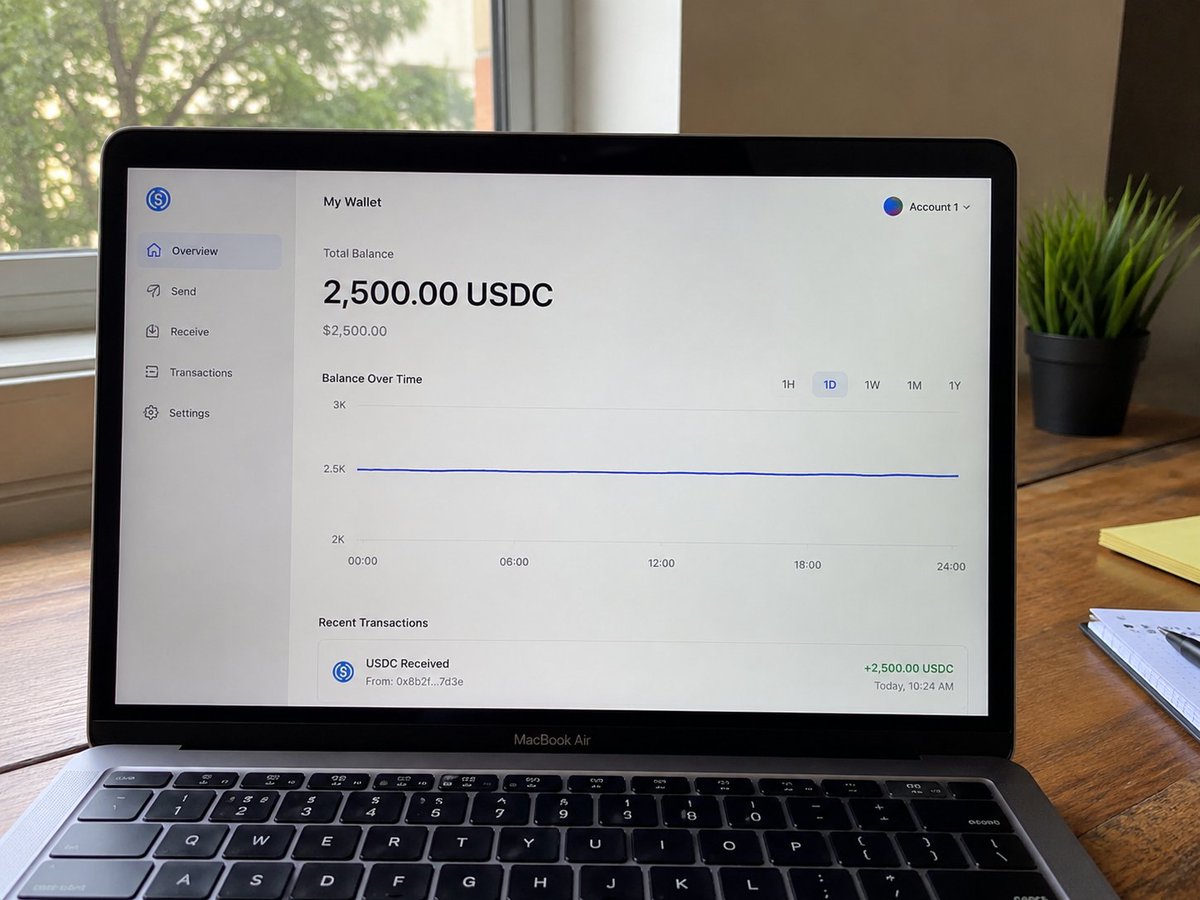
A stablecoin is a token designed to hold a steady value, usually pegged 1:1 to a currency like the US Dollar (USDT)
Useful for trading or holding value without crypto's usual price swings, a safer resting spot inside a wallet.
Stable by design.
Day 19: What Is a DAO?
Decentralized Autonomous Organization is a project run by its token holders, no CEO.
Decisions get made through proposals and votes, not by a person decision,alone. The rules are enforced by smart contracts, not a boardroom.
Community-owned, code-enforced.
Day 18: What Is an Airdrop?
Free tokens sent to wallets, usually to reward early users or promote a new project.
Real ones require no payment, ever. If a site asks you to "connect wallet and pay a fee to claim," scam.
Free tokens, zero cost to claim. That's the rule.
#learnweb3
Day 17: What is a Testnet?
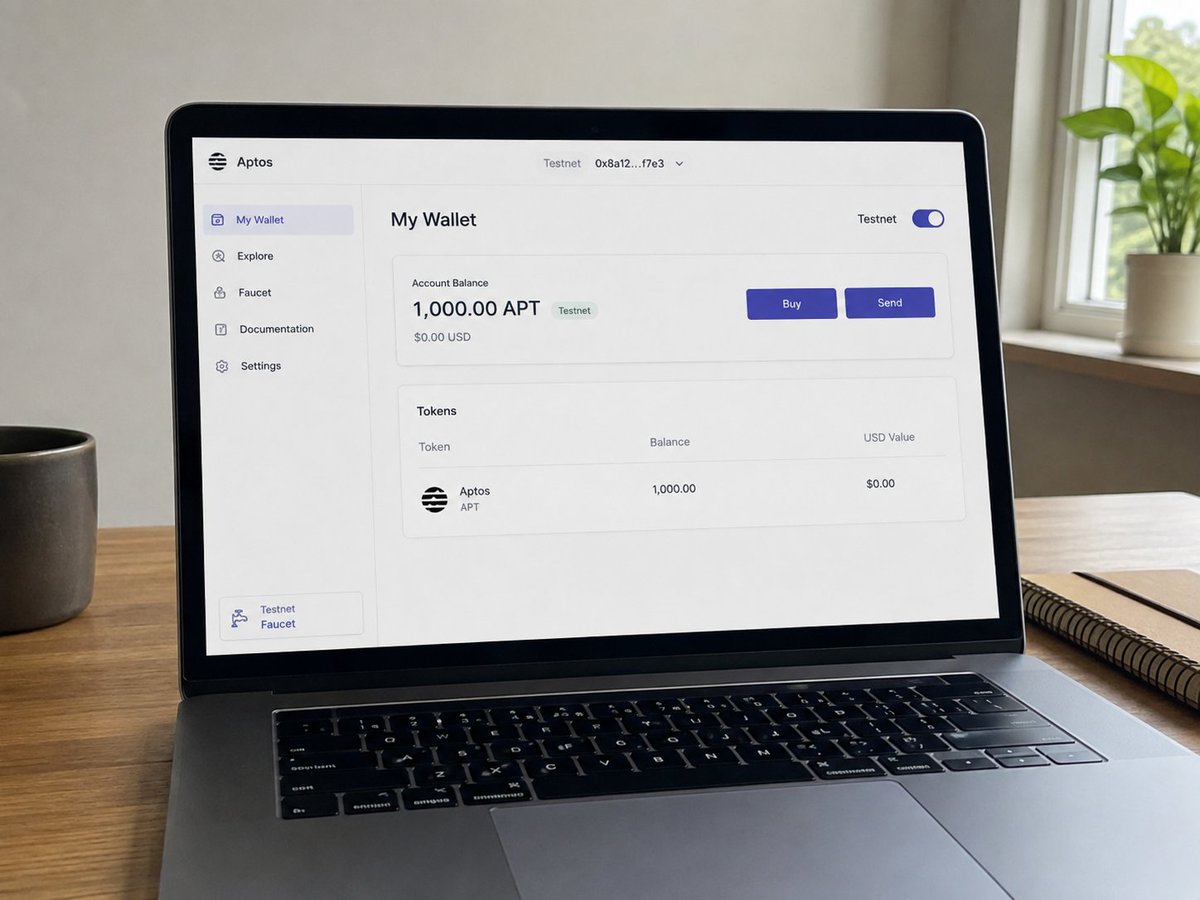
A testnet is a practice version of a blockchain where you use fake tokens.
Try swaps, staking, or NFT mints without risking real money.
Mistakes here cost nothing. Perfect for learning before going live with real funds.
#Web3@defi_funds1
Day 16: Approving Transactions Safely
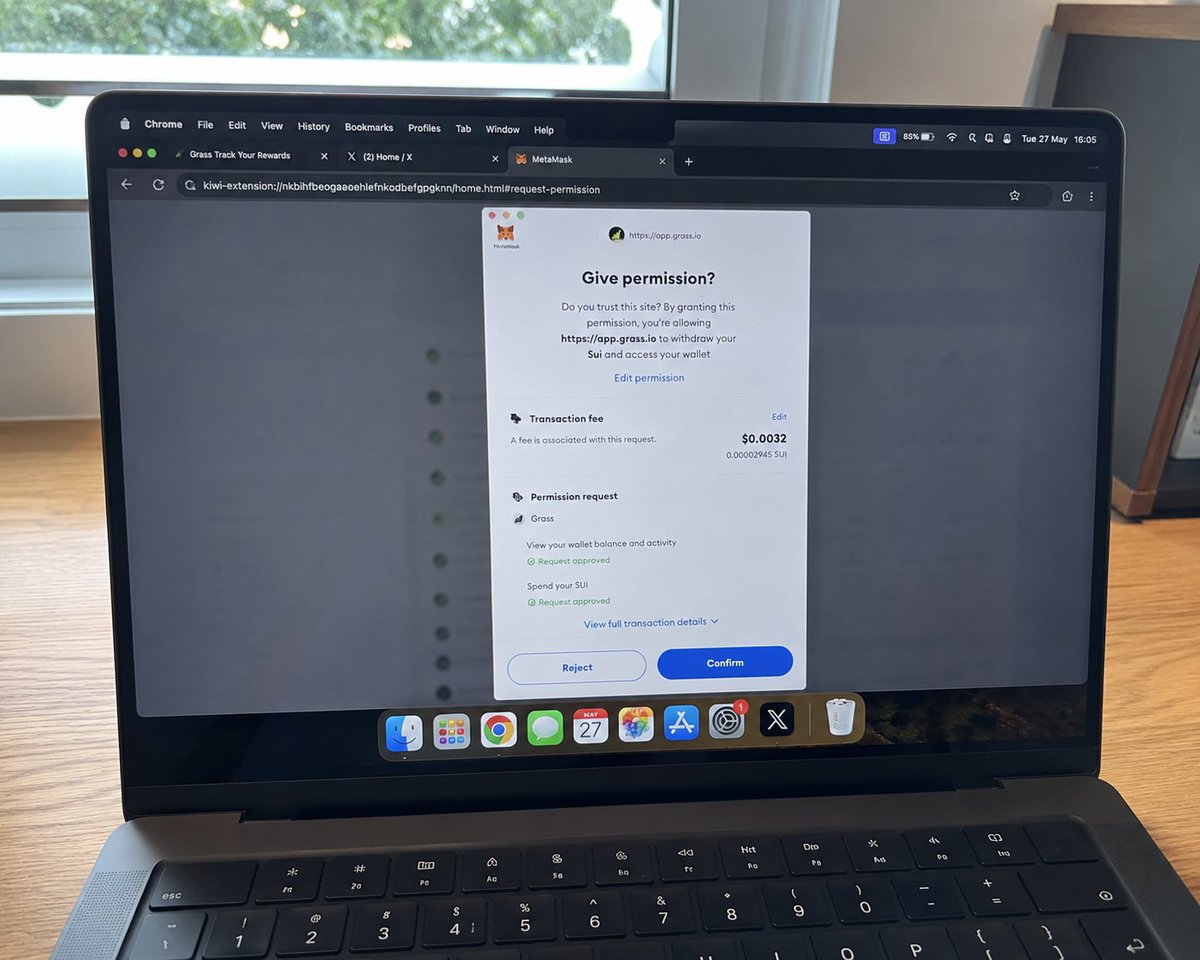
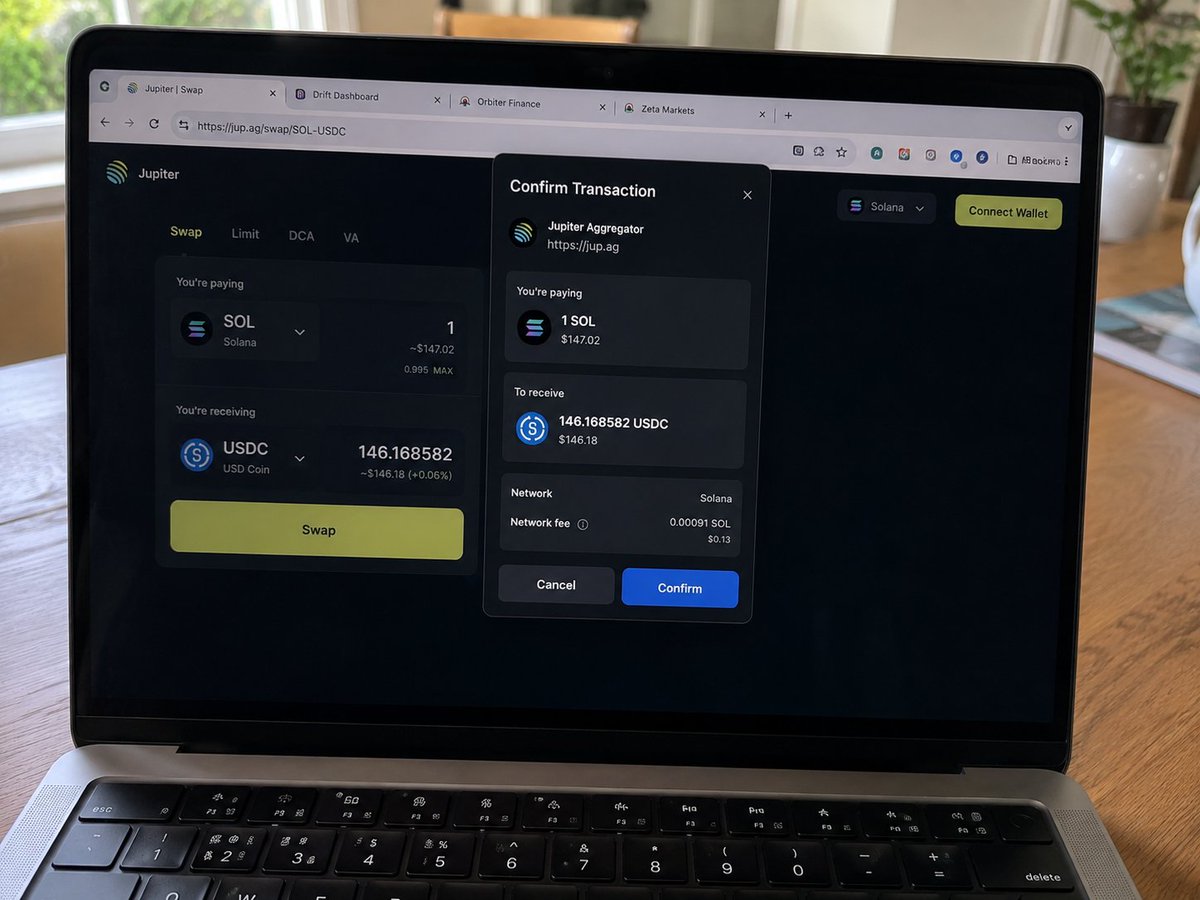
Before you confirm anything in your wallet, always check
What contract you're interacting with
What permission you're actually giving (spend limit, unlimited)
The exact amount, not just "approve"
Rushing this is how wallets get rugged #Web3.
Day 15: What Are Gas Fees?
Every action on a blockchain (swap, mint) costs a small fee, "gas." It pays the network to process your transaction.
Sui's gas fees are usually tiny compared to Ethereum. Always check the fee shown in Slush before confirming, never sign blind.
#Web3
Day 13: Staking SUI in Slush
Once you have SUI, you don't have to just hold it, stake it directly, no extra app needed.
Pick a validator, stake, earn rewards over time. Your tokens stay yours, you're just helping secure the network.
Lock it, let it work.
#LearnWeb3@defi_funds1
@SuiPump_SUMP Ohh, so the more NFTs you hold, the bigger your share? 👀 And 25% of the trading fees going back into the pool makes it even more interesting.
@defi_funds1 ☆Naira → SUI, Step by Step
1. Buy USDT with Naira via P2P (Binance/Bybit)
2. Send USDT to your Slush wallet
3. Use Slush's built-in swap to convert USDT → SUI, no extra app needed
4. Naira → Dollar isn't a separate step, USDT is your dollar bridge. #Web3#LearnWeb3
Day 11: My First Token Swap
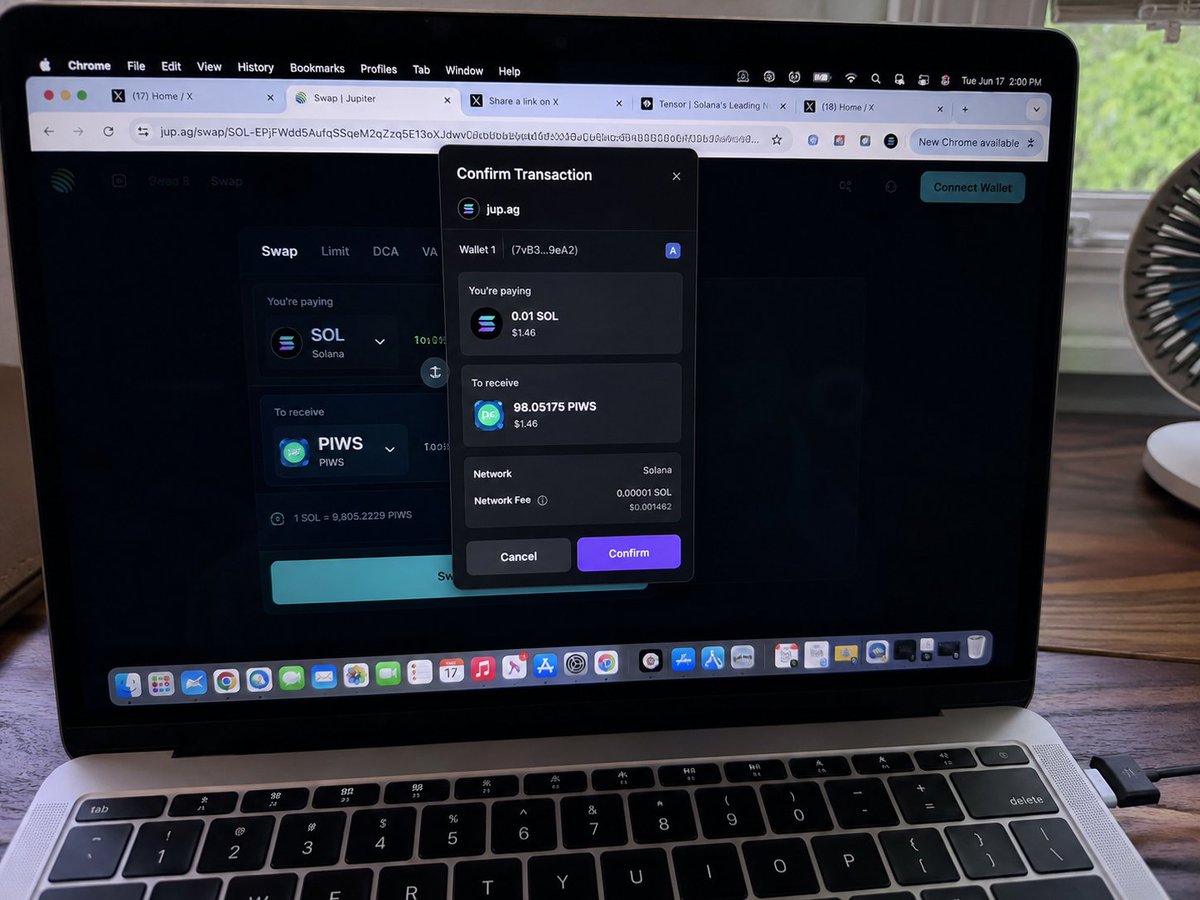
Connected my wallet to a DEX (Uniswap) and swapped tokens for the first time. No sign-up, no company holding my funds, just my wallet and a smart contract.
Always check the gas fee before confirming. That's your transaction cost.
#Web3@defi_funds1
@defi_funds1 I’m still learning, but from what I understand, a wallet is basically your gateway into Web3, it lets you hold assets and interact with different protocols. I’m curious though, what’s one thing about wallets you think every beginner should understand early? @defi_funds1
Day 10: First Wallet Setup
Set up my first real wallet (MetaMask) today. What matters:
Download only from the official site
Write your seed phrase on paper, never screenshot it
Never share it, not even with "support"
No wallet, no web3.
🧵 #Web3#LearnWeb3@defi_funds1
@defi_funds1 zkLogin isn’t only for Sui. The concept can also be applied to other blockchains. Sui just has one of the more well-known implementations of it.
@defi_funds1 Yeah, zkLogin on Sui lets users access a wallet through familiar Web2 logins like Google or Apple without managing a traditional seed phrase. The zero-knowledge part keeps the Web2 identity from being publicly linked to the Sui address.