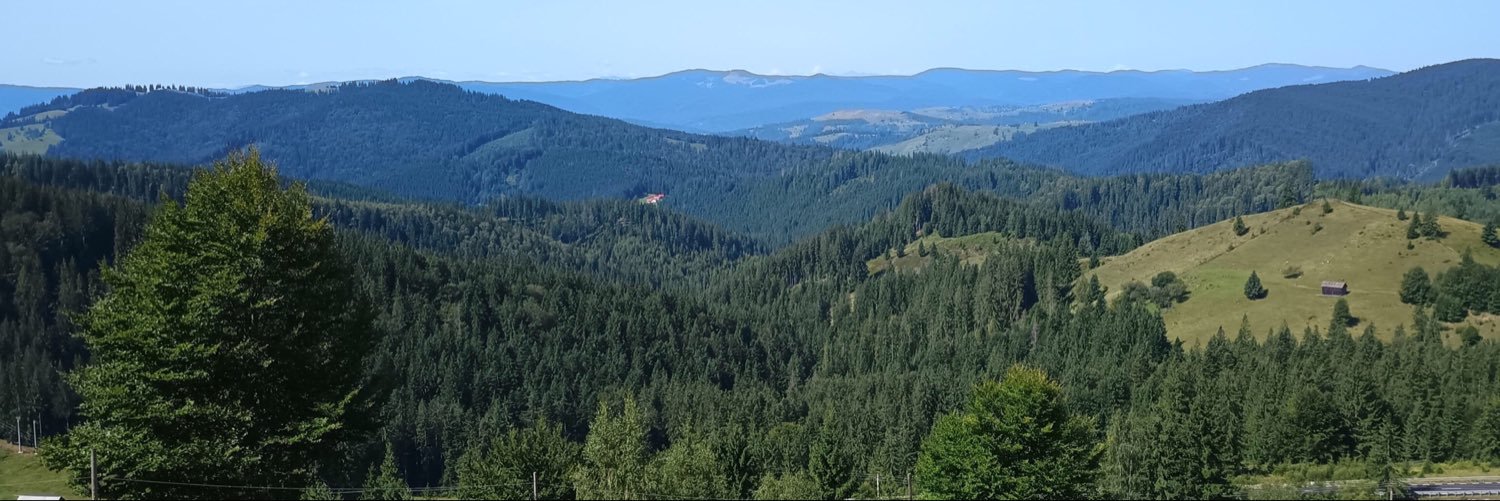
A new species Scorpiops walteri sp. n. (Scorpiopidae) is described from Myanmar, fully illustrated with color photos showing its morphology and habitus. Scorpiops walteri sp. n. is the only species of the genus with a combination of the following five characters: chelal trichobothrium Eb3 located in middle of manus between trichobothria Dt and Est; patella of pedipalp with 11–12 ventral and 19 external trichobothria; fingers of pedipalps strongly undulate in male; pedipalp movable finger with ca. 47 IAD; and chela length to width ratio 2.8 in male.
https://t.co/nqrDhHQGqX
„Dacă un făt ar putea vorbi”, un desen animat american din 2019, pro-avort, realizat de Barry, care parodiază desenele animate pro-viață, prezentând un făt care ține un discurs din interiorul uterului.
Découvrez le destin de l'une des plus grandes pianistes de notre temps. De sa naissance en Argentine au concours de Varsovie qui la révéla au public en 1965 jusqu'à l'immense carrière qui suivit, libre, hors norme... Anne-Charlotte Rémond vous raconte toute cette semaine Martha Argerich, dans une saga musicale à découvrir en sept épisodes.
➡️ https://t.co/7EnGp7wNiZ
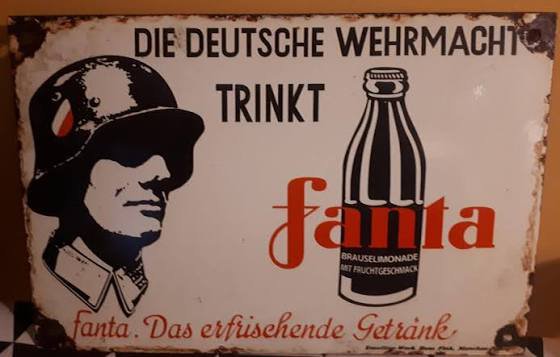
La création de Fanta n'a rien de festif ou d'innocent.
C'est le pur produit du cynisme de Coca-Cola, prêt à tout pour sécuriser ses profits sous le Troisième Reich.
Parce que même au milieu de la pire guerre de l'Histoire, le business ne fait pas de pause.
Oubliez la morale. Oubliez les valeurs d'entreprise. Tout commence par un vulgaire problème d'approvisionnement.
Allemagne, 1940. La filiale allemande de Coca-Cola est un empire florissant.
Puis le blocus allié paralyse le pays. Impossible d'importer la fameuse boisson d'Atlanta.
Les usines allemandes doivent s'arrêter. La faillite est assurée.
Max Keith, le patron de la filiale locale, n'a aucune intention de fermer boutique. L'effondrement de l'Europe n'est pas une excuse acceptable pour cesser de faire du profit.
Il ne peut plus vendre de Coca-Cola. Alors il va inventer une nouvelle boisson. Avec les seuls ingrédients encore disponibles dans une économie de guerre rationnée.
C'est-à-dire les poubelles de l'industrie alimentaire.
Il mélange du petit-lait, un résidu de fromagerie, et de la fibre de pomme récupérée des pressoirs à cidre.
Il demande à son équipe d'utiliser son imagination pour trouver un nom commercial. Imagination se dit Fantasie en allemand.
Le Fanta est né.
Le succès est foudroyant. Non pas pour ses qualités gustatives, mais parce qu'il n'y a littéralement plus rien d'autre de sucré à boire dans le pays.
Le Fanta sert même de base de cuisson pour les ménagères privées de sucre.
En 1943, la filiale écoule 3 millions de caisses. L'entreprise survit, s'adapte à la dictature, et prospère.
Mais le vrai chef-d'œuvre de cynisme intervient en 1945.
À la fin de la guerre, le siège de Coca-Cola à Atlanta ne pose aucune question embarrassante sur la façon dont sa branche a collaboré avec l'économie nazie.
La maison mère récupère tranquillement ses usines allemandes intactes, ses bénéfices accumulés pendant le conflit, et s'approprie la marque Fanta pour l'exporter dans le monde entier.
Le capital n'a pas d'idéologie. Il ne fait pas de politique.
Il s'adapte aux pires régimes, survit aux guerres, et à la fin, il encaisse toujours les profits.
🎹 Pourquoi Martha Argerich est-elle considérée comme l'une des plus grandes pianistes de tous les temps ? Retour sur le parcours hors norme d'une légende vivante du piano.
🎧 À écouter : https://t.co/ezbkTXErQF
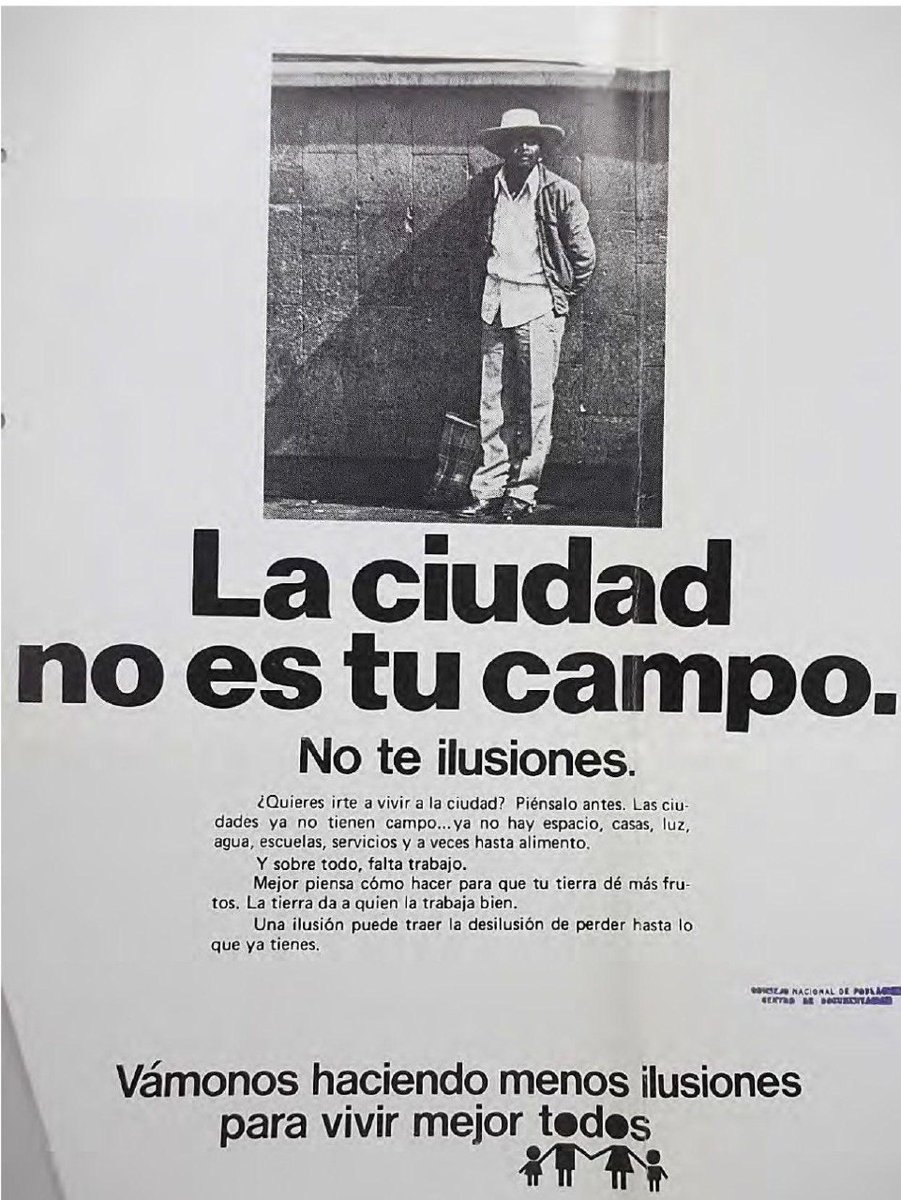
„Orașul nu este domeniul tău”: una dintre o serie de postere publicate de Consiliul Național Mexican pentru Populație (CONAPO), care descuraja migrația din mediul rural către cel urban. Aproximativ 1975.
My Darling Clementine (1946): When a Man Learns to Belong to a Community
A town does not become a community simply because its streets grow busier or more buildings are erected.
The real transformation begins when people willingly choose to treat one another differently than they did before.
The dance between Wyatt Earp and Clementine Carter in My Darling Clementine is built upon precisely that principle.
This is neither a gunfight nor a moment of high dramatic confrontation. For most of the sequence, Wyatt Earp simply escorts Clementine on a stroll through the town before inviting her onto a simple wooden dance floor beneath the open sky, accompanied by the folk music of the local community band.
Yet it is precisely this quiet simplicity that has made the scene one of the film's most enduring moments.
The dance is memorable not because of graceful choreography.
What remains in the audience's memory is the sight of a man quietly beginning to change.
Wyatt Earp belongs to the rugged world of the American frontier.
He is accustomed to horses, firearms and resolving difficulties through firmness and self-reliance. No one asks him to step onto the dance floor. No one expects him to learn the courtesies of communal life.
Yet he chooses to invite Clementine.
The decision is a small one.
Even so, it marks the moment when Wyatt willingly begins to embrace a different way of living from the one he has always known.
Henry Fonda expresses that transformation through a dance of remarkable honesty.
Each lifted knee, each turn and each hesitant change of rhythm reveals the awkwardness of a man unfamiliar with the manners of a country dance. He makes no effort to appear accomplished, nor does he attempt to conceal his uncertainty.
For that reason, the audience does not see a gunslinger putting on a performance.
They see a man sincerely learning something new because he wishes to become part of the world that Clementine represents.
The setting chosen by John Ford continues the same story.
The dance does not take place in a finished hall.
It unfolds upon a simple wooden platform, still incomplete, standing beneath the vast skies of the frontier without a roof or enclosing walls.
That unfinished structure reflects the town of Tombstone itself.
Everything is still in the process of taking shape.
Its people are still learning how to live alongside one another.
Within that immense landscape, neighbours gather together, the community band plays familiar melodies, applause rises naturally, and Wyatt and Clementine share an unassuming dance. No imposing buildings are needed, for the spirit of community begins to emerge through the simple presence of people choosing to come together.
John Ford is equally restrained in his storytelling.
He never asks a character to declare that the frontier is changing.
There are no grand speeches.
Instead, he allows a single dance to express everything.
Every uncertain step Wyatt takes reveals an inner transformation. Through that quiet change, the audience begins to sense that a new way of life is gradually taking root.
What is especially striking is that every detail within the sequence serves the same central idea.
The dance is not merely a moment of romance.
The unfinished platform is not merely part of the setting.
The folk music does not simply lend warmth to the afternoon.
Each element contributes to the same story: a community is not created by the structures people build, but by the willingness of its people to change the way they live with one another.
Seen in this light, the sequence is about far more than a dance between Wyatt Earp and Clementine.
It also explains why John Ford devotes so much time to what appears, at first glance, to be such an ordinary moment. Had Wyatt remained nothing more than a frontier lawman, the audience would understand who he was. Yet when he willingly learns those hesitant dance steps, they begin to understand who he is becoming. That quiet transformation signals that Tombstone is gradually becoming a true community rather than merely a place where people happen to live.
Perhaps this is also what John Ford wished to express through this remarkable sequence. He does not portray the transformation of the frontier through gunfights or newly erected buildings. Instead, he simply allows a man accustomed to firearms to step onto an unfinished wooden platform and earnestly learn the steps of a dance. By the end of the scene, the audience no longer remembers Wyatt Earp's awkwardness as something amusing. They remember the moment when he willingly chose to change. From that small yet deeply significant gesture, John Ford shows that the journey from the untamed frontier to an ordered community has truly begun.