Supply Chain/ Logistics guru passionate about digital logistics, retail, e-commerce, off-grid solar & last-mile distribution. Music Addict. Alzheimer's soldier
Nike spent ten years trying to break the 2-hour marathon. They named a project after it. They built special shoes. They paid the greatest marathoner alive to chase it. Yesterday, a Kenyan runner finally did it in 1:59:30, wearing Adidas.
Sabastian Sawe used to be a pacemaker. A pacemaker is the kind of runner you hire to set the speed for the first few miles of a race and then drop out before the finish. In January 2022, Sawe got booked to do exactly that at a half-marathon in Spain. He'd never raced more than three miles in his life. He stayed in for the full 13 and won the whole thing. Adidas signed him not long after. Four years later, he became the first human ever to run an official marathon under 2 hours.
Nike, meanwhile, started this whole project in 2016 with a public goal called "Breaking2." They paid for the shoes, the pacemakers, the science labs, and Eliud Kipchoge himself. Kipchoge ran 1:59:40 in Vienna in 2019, but the event was a closed-course exhibition with rotating pacemakers and a pace car projecting a green laser line onto the road. The sport's governing body never recognized it as a real race. It didn't count.
Then Nike's running business cratered. Digital sales fell 26% in one quarter. Their share of footwear sold at Dick's Sporting Goods went from 39% to 32% in five months. On Running grew from $330 million to $1.8 billion between 2020 and 2025. Hoka nearly quadrupled. Roger Federer left Nike for On. Nike's board fired the CEO in October 2024.
Adidas spent the same period building a better shoe. The new Adizero Adios Pro Evo 3 took three years to develop. It weighs 97 grams, about 3.4 ounces, lighter than a deck of cards. A Wall Street Journal-cited study found that wearing a shoe 3.5 ounces lighter saves a runner around 57 seconds across a marathon. Sawe beat the third-place finisher by 58 seconds.
Adidas also did something Nike never did for Kipchoge. They wrote a $50,000 check to the official anti-doping body for track and field, asking it to test Sawe more aggressively than any other runner alive. He got tested 25 times in the two months before last year's Berlin Marathon, and Adidas signed up to fund this for the length of his contract. The logic: the moment Sawe ran a marathon this fast, the world was going to ask if he cheated, especially after his countrywoman Ruth Chepngetich got a 3-year doping ban in 2025. Adidas got out ahead of it.
The shoe retails at $500 and is barely available. Adidas's Adizero shoes won half of all major marathon races in 2024. Yesterday in London, four of the top five finishers wore the same Adidas shoe. Yomif Kejelcha crossed the line 11 seconds after Sawe and also broke 2 hours. The top three runners all beat the previous world record.
Nike's only response was an Instagram post. Three sentences long: "The clock has been reset. There is no finish line." That was their entire public reaction to losing a 10-year moonshot to their biggest rival.
Part 3. A man named Kelvin Kiptum was supposed to be the one. Two years ago this month, on April 14, 2024, he was scheduled to run an official marathon in under two hours in Rotterdam. The shoe company paying him was Nike. Five days before he could attempt it, he was dead.
Kiptum grew up in a village called Chepsamo in the Rift Valley of Kenya, the only child of a peasant farmer. As a kid he herded his family’s cattle and goats barefoot through the hills. The first time he won a major race in Kenya, in 2018, he was a teenager wearing borrowed running shoes because he couldn’t afford his own pair.
In December 2022, at 23 years old, Kiptum ran his first ever marathon. He won. His time, 2:01:53, was the fastest marathon debut anyone had ever run. Five months later he ran London and won that too, by a full minute, in 2:01:25. Five months after that he ran Chicago and broke the world record. 2:00:35. He had run three marathons in his life and won all three. Of the seven fastest marathon times in history, three were his.
His training was the kind of thing that makes coaches nervous. Kelvin’s coach Gervais Hakizimana told a French reporter that Eliud Kipchoge, the previous world record holder, ran 180 to 220 km per week. Kelvin was running 250 to 300 km. In the buildup to London 2023 he hit over 300 km a week for three straight weeks. That’s about 186 miles. For comparison, marathon training plans for amateurs top out around 60 to 80 km a week. “There’s no weekly rest,” Hakizimana told the AFP. “All he does is run, eat, sleep.” His coach repeatedly begged him to slow down. Kelvin refused.
After Chicago, Kiptum told reporters his next goal was breaking 2 hours. Nike had signed him. Rotterdam, April 14, 2024, was the date. The course is flat, the city is at sea level, and three other men’s world records had been set there. World Athletics ratified his Chicago record on February 6, 2024. He posted a one-line social media message a few weeks before: “Currently my days consist of eat, sleep, train and repeat.”
Then on Sunday, February 11, 2024, around 11pm, Kiptum was driving on a road in the Rift Valley with his coach in the passenger seat and a third person in the back. Police said he lost control of the car. It went off the road, slid 60 meters into a ditch, and hit a tree. Kiptum and Hakizimana were killed at the scene. He left behind a wife and two young children. He had become the world record holder five days earlier.
His funeral was attended by Sebastian Coe (the head of World Athletics) and the President of Kenya. The Kenyan government finished building Kiptum’s family the house he had promised his parents. He was buried on his farm in Naiberi.
Two years and two months later, on April 26, 2026, Sabastian Sawe ran the London Marathon in 1:59:30, wearing Adidas. He covered the same distance Kelvin was supposed to cover in Rotterdam, at a pace 65 seconds faster than Kelvin’s record. The man whose company was supposed to be there for the moment was 24 when he died on a country road in Kenya, two years before anyone else got close. The shoes that crossed the line first under 2 hours had three stripes.
"She saved a stranger’s child with $15. Decades later, she discovered why he had been searching for her.
In 1982, a Kenyan boy named Chris Mburu stood on the brink of losing everything. He was the brightest student in his rural district, studying by lamplight inside an earthen house without electricity. But his family could not afford his school fees. Without help, his education would end — along with any chance of escaping a life spent picking coffee in the fields.
Meanwhile, across the world in Sweden, an 80-year-old kindergarten teacher named Hilde Back came across a notice for a child sponsorship program. She chose a name from a list: Chris Mburu, Kenya. She began sending $15 every school term. There was no recognition, no expectation of gratitude — just a quiet decision to help a child she believed she would never meet.
That small amount changed everything.
Chris stayed in school. Over time, he and Hilde exchanged letters. She asked about his teachers, his studies, and his dreams. Through her words, he realized she wasn’t just part of an organization. She was a real person who believed in him. And he never forgot her.
Chris eventually graduated at the top of his law class at the University of Nairobi. He later earned a Fulbright scholarship to Harvard. He went on to become a United Nations human rights lawyer, helping prosecute genocide and crimes against humanity around the world.
Yet one thing always weighed on his heart. He had never properly thanked the woman who made his journey possible. In truth, he barely knew who she was.
In 2001, Chris founded a scholarship program for children like himself — talented students from poor families whose potential might otherwise be lost. He asked the Swedish Ambassador in Kenya to help him locate his mysterious sponsor so he could name the foundation after her.
They found her. Hilde Back. Still alive. Still living quietly in Sweden.
Chris traveled to meet her for the first time. He expected to meet a wealthy philanthropist. Instead, he found a humble, warm woman living simply — genuinely surprised that anyone considered her actions remarkable.
Then filmmaker Jennifer Arnold began documenting their reunion. During her research, she uncovered something Hilde had never told Chris.
Hilde Back had not been born in Sweden. She was born in Nazi Germany in 1922 to a Jewish family. At sixteen, when Hitler’s Nuremberg Laws banned Jewish children from attending school, strangers helped smuggle her to Sweden. Her parents stayed behind because Sweden’s refugee policies did not allow older Jews to enter. Both were later sent to concentration camps. Her father died there. Her mother disappeared, never to be heard from again.
Hilde survived the Holocaust because strangers helped her escape. She lost her own education because of who she was.
Fifty years later, she quietly paid for the education of a child across the world — a child who would grow up to fight the same hatred that destroyed her family.
When Chris learned her story, he wept. Hilde, meanwhile, had no idea that the boy she sponsored had devoted his life to prosecuting genocide.
In 2003, Hilde traveled to Kenya for the inauguration of the Hilde Back Education Fund. The entire village welcomed her as an honorary elder. In 2012, she returned again to celebrate her 90th birthday, surrounded by hundreds of children whose futures had been transformed through her generosity.
Hilde Back passed away on January 13, 2021, at the age of 98.
Today, the Hilde Back Education Fund has supported nearly 1,000 Kenyan children in continuing their education. Many have graduated from universities around the world. Many now give back — mentoring younger students and contributing monthly donations to support the next generation.
One woman. Fifteen dollars. One child.
That child created a foundation. That foundation changed hundreds of lives. And those lives continue to change others.
This 47-Year-Old Woman With Early-Onset Alzheimer's Disease Is Sharing How She Got Diagnosed, What Her Symptoms Are, And What Her Life Is Like https://t.co/JHv5mcZx1P by @BuzzFeed#Alzheimers#dementia#health
Coffee stopped working?
You crash by 3 PM and wake up more tired than before?
Your adrenals are likely fried.
Here’s how to recover your energy, focus, and drive — without relying on caffeine or willpower: 🧵
Caregivers benefit immensely from practising self-care, which is vital for both their well-being and the quality of care they provide.
Prioritising self-care helps individuals stay physically and mentally strong, thereby preventing illness and fatigue.
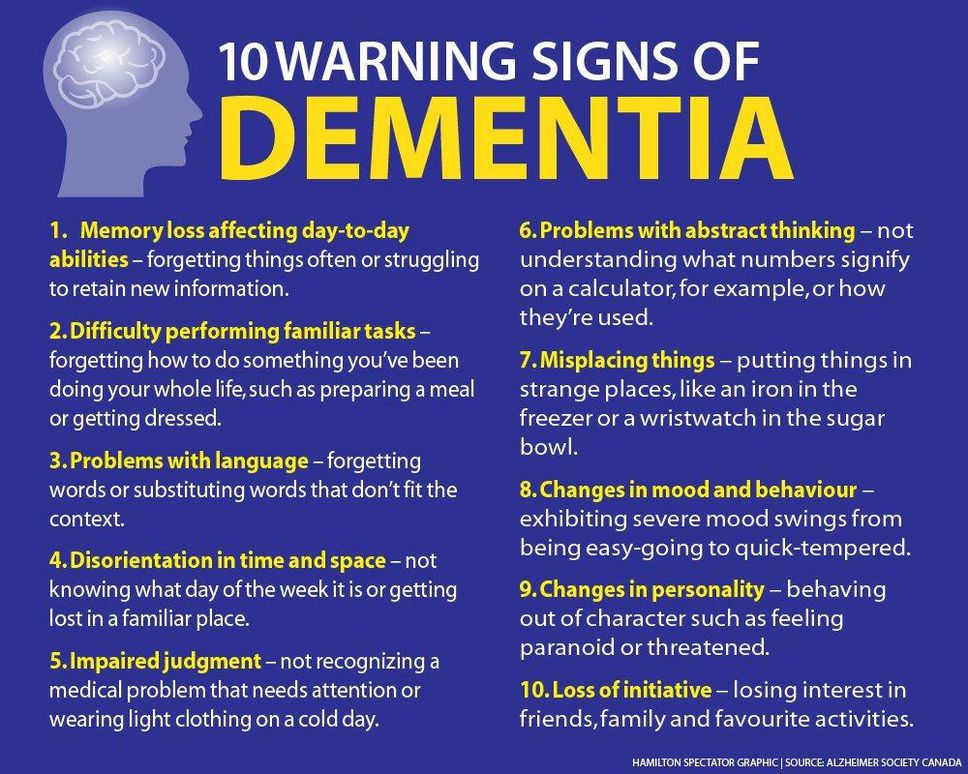
#starinfographics
No matter how many hours you sleep or cups of coffee you drink...
You still can't focus at all.
It's called "Cognitive Dysfunction" & millions of Americans struggle with it daily.
Since your doctor just blames aging...
Here's what's causing it & how to fix it naturally: 🧵
The most underrated brain supplement in the world:
Vitamin B6.
It sharpens your memory, enhances your mood, and protects against cognitive decline.
I've been researching it's benefits & how to actually get results for years.
What I found will blow your mind... (thread) 🧵
This small startup fooled the smartest VCs in Silicon Valley.
• Investors ignored red flags
• Tech events begged them to speak
• Devs feared their careers would end
But $2BILLION vanished when one engineer asked a simple question.
Here's how it all shattered:
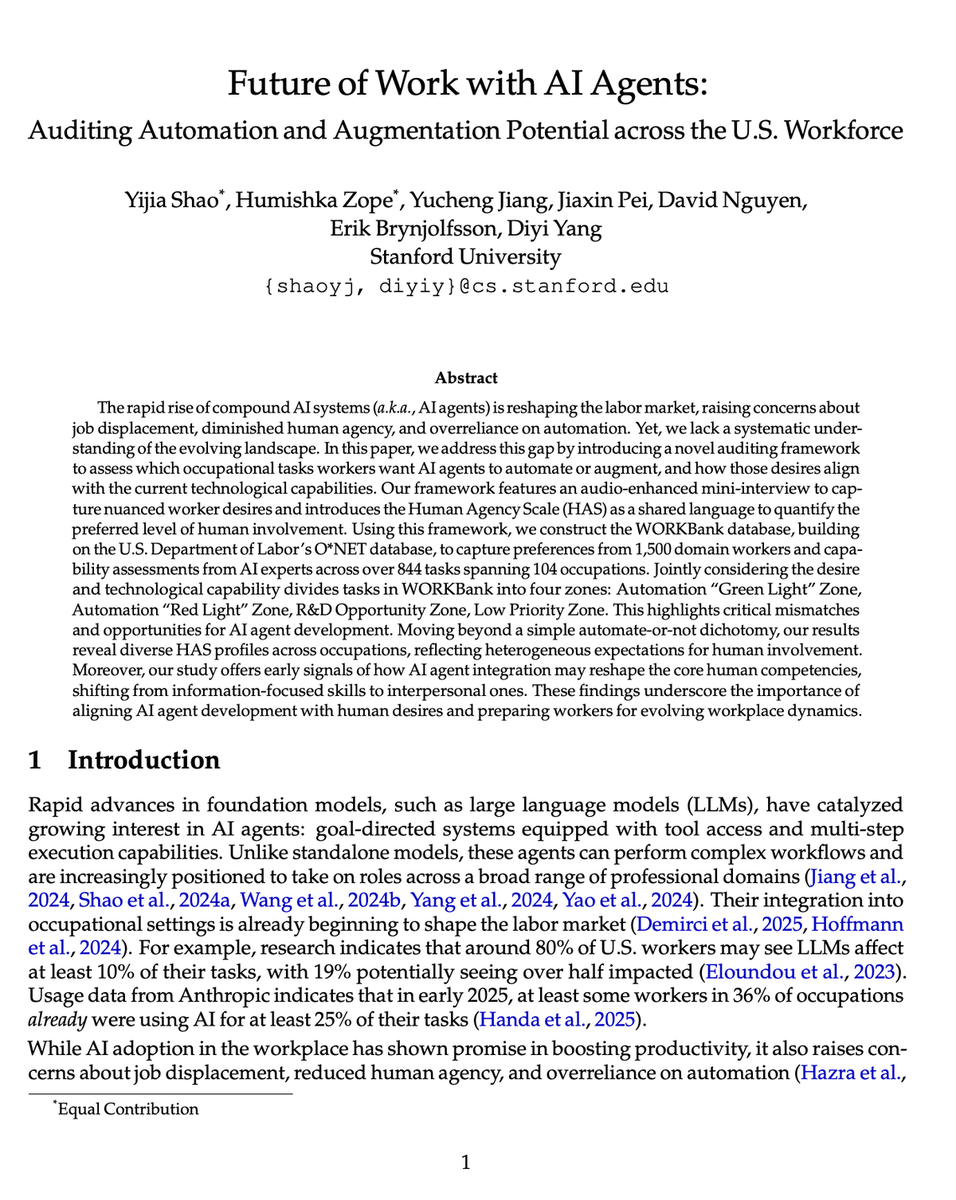
BREAKING: Stanford just surveyed 1,500 workers and AI experts about which jobs AI will actually replace and automate.
Turns out, we've been building AI for all the WRONG jobs.
Here's what they discovered:
(hint: the "AI takeover" is happening backwards)
Brain Surgeon Names 3 Substances That Fight EVERY Mechanism of Alzheimer's Without the Side Effects
1. Curcumin - “It increases mitochondrial function, it reduces the amyloid, reduces hyperphosphorylated tau, and it reduces all the inflammatory chemicals that trigger it.”
2. DHA (from omega-3 fats) - “DHA removes almost all the amyloid from brains.”
3. EGCG (from green tea) - “EGCG also reduces [amyloid].”
Dr. Blaylock says these substances are ignored by mainstream medicine—not because they don’t work, but because pharmaceutical companies “couldn’t make a profit off it.”
So, research and promotion are abandoned.
There is a part of your brain that is sabotaging your entire life. It's called the amygdala.
It can't distinguish between a work deadline and a charging lion.
Here's how YOU can reprogram this evolutionary glitch and break free: 🧵
These are the best natural foods to include in your diet this week!
-Ginger
-Tumeric
-Garlic
-Beets
-Cabbage
- Carrots
-Watermelon
-Cucumber
-Eggs
-Pomegranate
-Tomoato
-Beans
-Beef
-Fish
-Apple
-Avacado
-Carrots
-Cloves
-Onions
-Banana
-Scent leaves
-Thyme
-Nuts
If you're in; Repost for other!!
1. Your spine isn’t fragile... your habits are
Most back pain isn’t a “disk issue.”
It’s a dysfunction.
• Weak glutes
• Locked hips
• No core stability
• Sloppy movement patterns
Pain is feedback.
Not fate.