Generations & Gender Programme Česká Republika │ Projekt Současná česká rodina │ Součást @ggp_i │
Generations & Gender Programme Czech Republic │ Part of @ggp_i
How has #cohabitation changed?
Using @GGP_i data, @LMurinko creates an empirical typology using family trajectories, relationship commitment and attitudes towards marriage as grouping criteria.
New paper in Demográfia:
https://t.co/3LHh3ojJpE
👶 Už je to prakticky jasné. Letos se narodí v Česku nejméně dětí v historii. Pokud nedojde k nečekané změně, míříme k asi 84 tisícům dětí za celý rok 2024. To je o propastných 30 tisíc dětí méně než před pěti lety.
https://t.co/m9A496PTqY
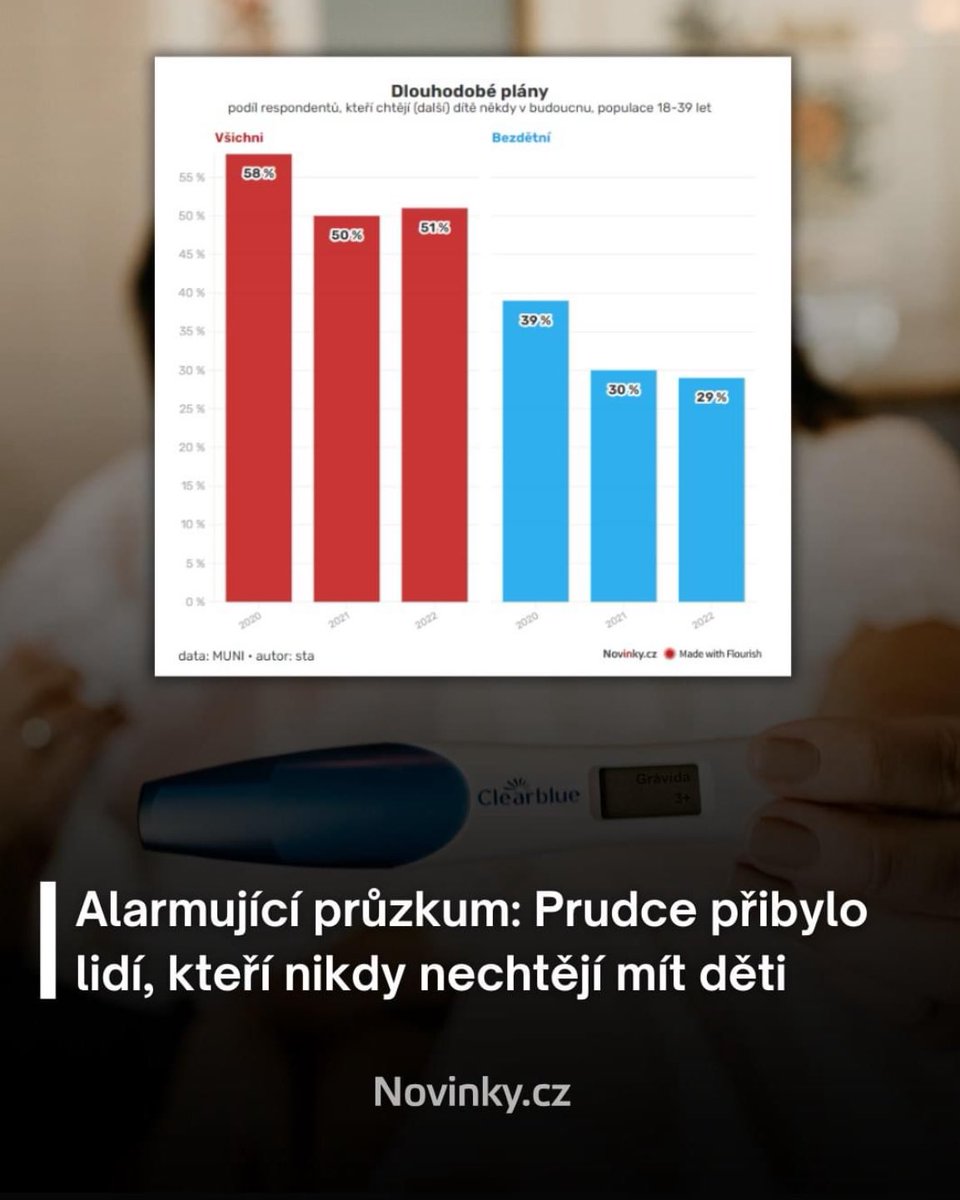
Research reveals significant drop in young Czechs planning to have children
These findings are part of the ongoing ‘Contemporary Czech Family’ research project. We spoke to Martin Kreidl, head of the research team, about the findings:
https://t.co/1AIBycl8uj
Podíl mladých lidí, kteří mají v úmyslu mít v příštích třech letech dítě, v Česku klesá. Pokles je nejvýraznější u lidí v horší ekonomické situaci.
https://t.co/r5aVKl0ZSd
🤱 Podíl mladých lidí, kteří plánují mít děti, v posledních letech výrazně poklesl. Jak ukázala data výzkumu vědců z brněnské Masarykovy univerzity a Univerzity Karlovy v Praze, nejvýrazněji se do plánovaného rodičovství promítá ekonomická situace, ale i vzdělání.
👉 https://t.co/8XDaPdSnHD
Based on two rounds of GGS Dominika Sladka shows how the attitudes towards marriage and cohabitation are changing.
(Highlights from Austria 🇦🇹)
@GGP_i & @ggp_cz
Dávno pryč je rok 2008, kdy se narodilo skoro 120 tisíc dětí. Pokud vytrvá pokles v letošním roce, přivítají na svět rodiče v Česku jen 82 tisíc potomků. To bude nejméně v historii statistických záznamů, tedy od roku 1785.
https://t.co/3mFp5cl97W
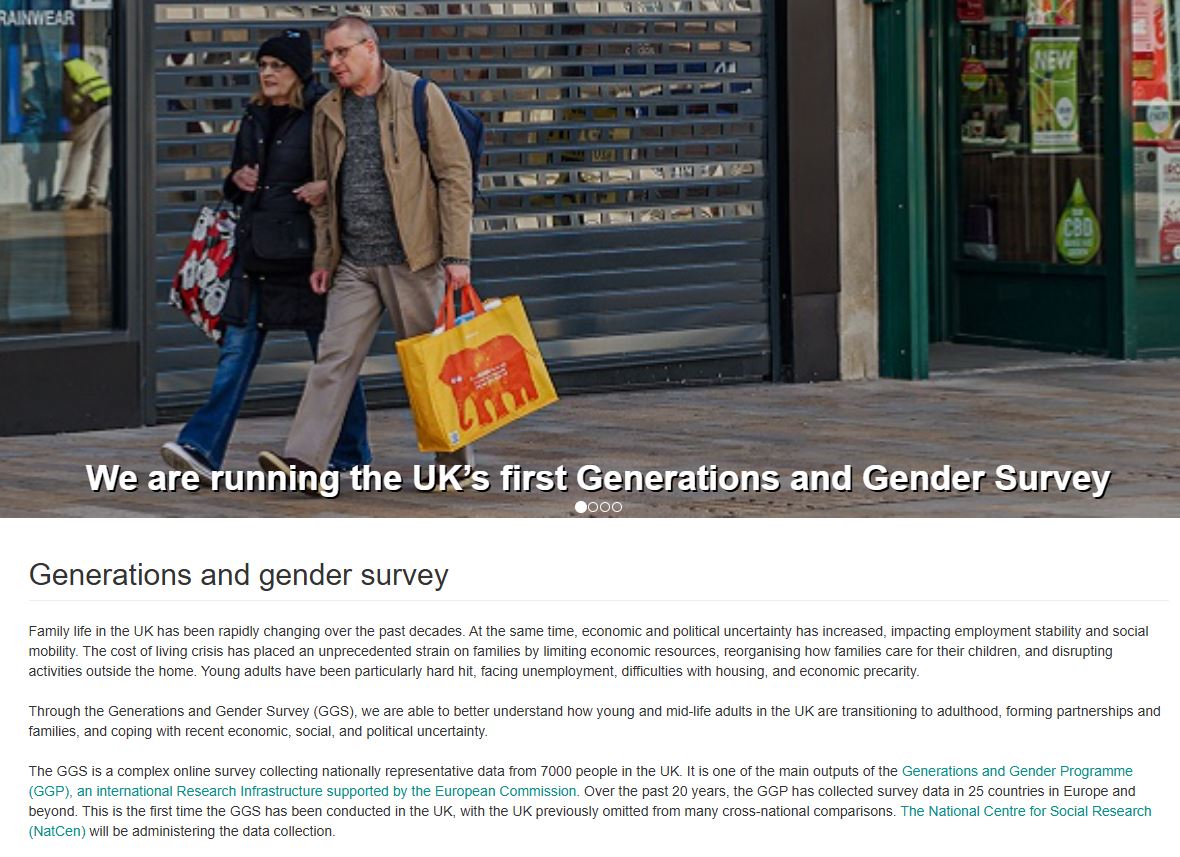
In the @BBCNews article, @PerelliHarris discusses the @ESRC-funded UK Generations and Gender Survey findings which suggest that childless adults today are far less confident they will have children.
Find out more about the research and access the data: https://t.co/dsFLzI8t0Z
Excited to announce the RC06 @SocioFamilyISA Early Career Researcher Virtual Workshop on November 28-29, 2024! 📅💻
Join us for two days of insightful sessions, showcasing work from emerging scholars in family sociology🌟👩🎓
Don’t miss this enriching experience! 🌍
📢 Job Alert!
Join us in #GGP at @NIDI_KNAW as Postdoc in Data & Green Transition.
🤝Work w/ colleagues from @SHARE_MEA, @ESS_Survey & @GuideCohort
💼Co-lead 2 work packages
☂️Support social science & #GreenTransition
Apply by 18th October 2024: https://t.co/69e6NefK9t
📊 Are you teaching or learning data analysis? You can now use the Generations and Gender Survey teaching datasets to practice on real-world survey data. More info: https://t.co/srlyiYLWyr
New #OA paper by Zsolt Spéder & Lajos Bálint in Population Research and Policy Review!
They looked at how macro-level factors contribute to the realization of fertility intentions in Europe, using @GGP_i comparative panel data.
https://t.co/jVllJ46Kmu
GGP Newsletter || July-August 2024 - https://t.co/0eO6vntdnw
100 newsletters 🎉, #Uruguay🇺🇾 #HarmonizedHistories released, collection completed in #France 🇫🇷, fieldwork update in #Taiwan🇹🇼, preparatory work in Europe and Asia, call for applications for @coordinate_eu visits.
GGP-CZ has been added to the list of infrastructures participating in the EDUC-WIDE call (@EDUCUniverCity)!
Find information about how to apply for access to the infrastructures and propose your research here: https://t.co/5uJXbelSIK
@GGP_i@muni_cz @soc_muni @MUNI_FSS
📣Call for Papers‼️
Gender Inequalities, Fertility, and the Future of Family Demography: Intersectionality in an Era of Family Complexity
🗺️ @MPIDRnews
📅 March 19–21, 2025
Submission Deadline: October 18, 2024
https://t.co/jjnhEbgUVU
#CallForPapers#poptwitter#socialscience