الى الحكومة والدولة يلي عم تحتفل انو ال MEA شركة ممتازة وناجحة . التيكيت تحت هي شركة flynas على دمشق حدنا وطياراتهم Airbus جداد . حوالي ٣٠٠ دولار . وفي ب ٢٤٠ دولار اذا مسافر بس مع hand bag .
بنفس فترة الاعياد ٢٠٢٦ ونفس ايام النزلة والرجعة انا دفعت حق تيكيت MEA , ١٠٧٠ دولار . ليش ؟؟؟؟؟؟؟؟؟؟؟؟؟؟؟؟؟ . افتحوا الأجواء على بيروت .
@grandserail@LBpresidency
يكثر الحديث مؤخراً حول الذهب المملوك من قبل مصرف لبنان وكيفيَّة استعماله، بين مؤيد ومعارض لاستخدامه في رد جزء من الودائع وصولاً لإعادة الإعمار…
في هذا الإطار لابُدَّ من إيضاح مفهوم أساسي هو أنَّ الذهب ليس ضمانة للدين؛ لأي دين كان، سواء المصارف التجارية (والمودعين ضمناً عبر هذه المصارف) أو أي مقرض/دائن آخر للمصرف المركزي.
الذهب هو أداة من أدوات المصرف المركزي ضمن صلاحيَّاته المتصلة حصراً بالسياسة النقديَّة ويستخدمه حصراً في الحفاظ على استقرار سعر الصرف (بغض النظر عن مدى فعاليَّة هذا الاستخدام من عدمه)، وقانون منع بيع هذا الذهب إلَّا بإقرار قانون آخر هو الترجمة الفعليَّة لوجهة الاستعمال هذه.
والمصرف المركزي يتمتَّع بأقصى درجات الاستقلاليَّة عندما يتعلَّق الأمر بممارسته لصلاحيَّاته المتصلة بالسياسة النقديَّة وذلك لابعاد السياسة والشعبويَّة عن قرارات تقنيَّة بحتة يجب أن تتسم بالسرعة ولها آثار اجتماعيَّة واقتصاديَّة وحتى ثقافيَّة على المديات القصيرة والمتوسطة والطويلة.
القول غير ذلك، كأن نقول بأنَّ الذهب هو من أصول مصرف لبنان، إذاً هو ضمانة لالتزاماته تجاه المصارف التجاريَّة وبالتالي المودعين، هو قول يُغيِّر وجهة استعمال هذا الذهب من آداة تقع ضمن السياسة النقديَّة إلى اعتباره ضمانة للدين.
تكمن خطورة تحويل وجهة استعمال الذهب من آداة تقع ضمن السياسة النقديَّة إلى ضمانة للدين بالتالي:
١. ما يُعادل ثلث الذهب المملوك لمصرف لبنان محفوظ في الولايات المتحدة، أي أنَّه يخضع للقانون الأمريكي، وتحديداً للمادة 1611(b)(1) من قانون الحصانات السياديَّة الأجنبيَّة (28 U.S.C. § 1611(b)(1) – FSIA)، ولاجتهاد محكمة الاستئناف الفدراليَّة للدائرة الثانية في نيويورك في الدعوى المقامة من صندوق NML Capital بوجه المصرف المركزي الأرجنتيني (NML Capital v. BCRA, 652 F.3d 172 (2d Cir. 2011)).
٢. تُحصِّن هذه المادة أموال المصرف المركزي "المحتفظ بها لحسابه الخاص" من الحجز والتنفيذ. ويُحدِّد اجتهاد المحكمة أنَّ الأموال المسجَّلة باسم المصرف المركزي يُفترض أنَّها محصَّنة، لكنَّ هذه القرينة قابلة لإثبات العكس إذا أثبت الدائن أنَّها لا تُستخدم في *وظائف المصرف المركزي* كما هي مفهومة عادةً، بغض النظر عن طابعها التجاري، وعندها تدخل ضمن دائرة ضمانة الدين ويُمكن للدائنين وضع اليد عليها وتسييلها.
وقد عدَّدت المحكمة ذاتها *الوظائف التقليديَّة للمصارف المركزيَّة* على أنَّها: إصدار العملة الوطنيَّة ومراقبة استقرارها، وضع السياسة النقديَّة وتنفيذها، استثمار الاحتياطات، العمل كوكيل مالي للدولة، وتنظيم القطاع المصرفي. واعتبرت أنَّ مراكمة احتياطات العملات الأجنبيَّة لضبط سعر صرف العملة الوطنيَّة وظيفة نموذجيَّة للمصرف المركزي، فحمت احتياطات المصرف المركزي الأرجنتيني المودعة لدى الاحتياطي الفدرالي في نيويورك. والمنطق ذاته ينطبق على احتياطي الذهب لدى مصرف لبنان: فطالما بقي أداةً ضمن السياسة النقديَّة متصلة بالحفاظ على استقرار سعر الصرف بقي محميَّاً، أمَّا إذا خرج استخدامه من هذه الخانة واعتُبر ضمانة لدين المصارف التجاريَّة لدى مصرف لبنان (الاحتياط الإلزامي)، خرج عندها من نطاق الحماية في القانون والاجتهاد الأمريكي، ما يُعرِّض احتياط الذهب الموجود في الولايات المتحدة - أقلَّه - لخطر وضع اليد عليه من حملة سندات اليوروبوندز.
للأسف، مسؤولين في الحكومة ومصرف لبنان، قد صرَّحوا في أكثر من موضع أنَّ الذهب هو ضمانة للدين ولرد الودائع…لو كنتُ من ضمن الفريق القانوني لحملة سندات اليوروبوندز لوثقت هذه التصاريح، واستفدت من قرار المحكمة العليا الأمريكيَّة (Republic of Argentina v. NML Capital, 573 U.S. 134 (2014)) الذي أكَّد أنَّ قانون الحصانات لا يمنع الدائنين من التحقيق في أصول الدولة المدينة حول العالم، لجمع كل ما يُثبت تغيير وجهة استعمال الذهب. ثمَّ ذهبت بها إلى المحكمة في نيويورك للمطالبة بوضع اليد على الذهب الموجود في الولايات المتحدة وتسييله كجزء من استرداد حقوق حملة هذه السندات، بحجة إصرار المسؤولين اللبنانيين على اعتبار الذهب ضمانة للدين، وهو ما يُخرجه من دائرة الحماية في القانون والاجتهاد الأمريكي.
القانون والاجتهاد الأمريكي ذي الصلة في الصور أدناه.
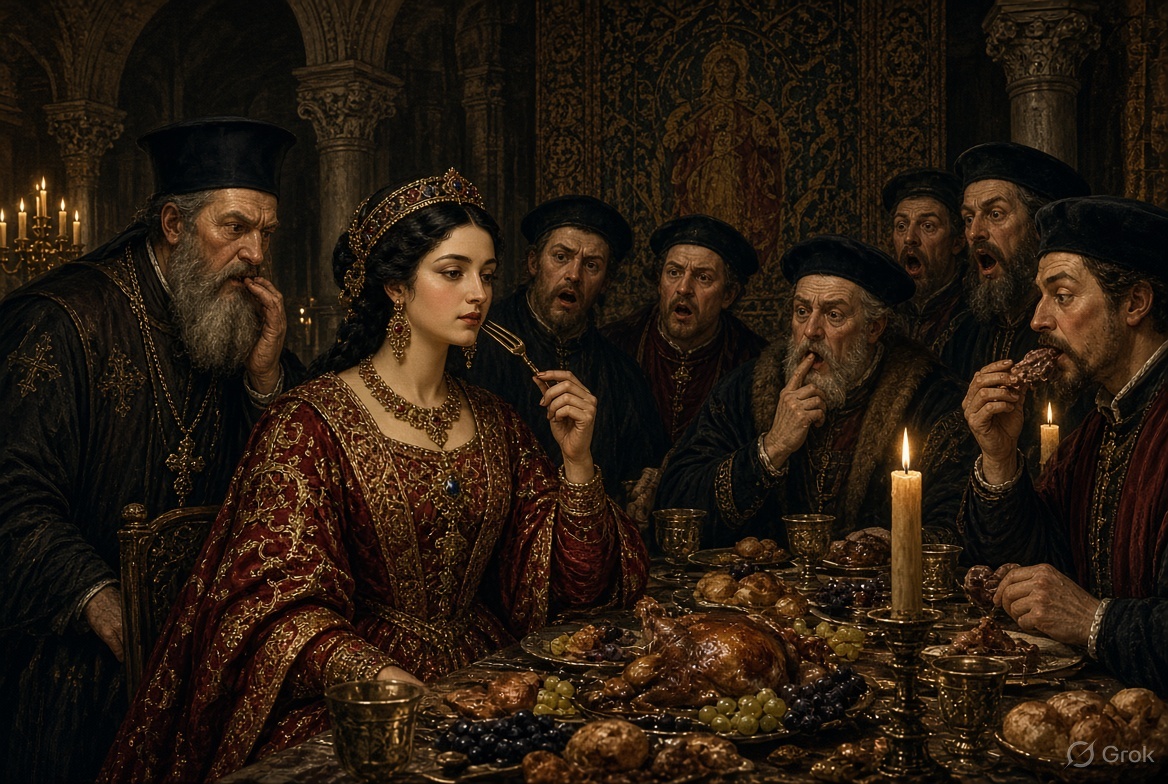
In 1004 AD, the Byzantine princess Maria Argyropoulina (niece of Byzantine Emperor Basil II) traveled to Venice to marry Giovanni Orseolo, the son of the Doge of Venice...
At the wedding banquet, instead of using her fingers like the rest of the Western European guests, Maria pulled out a small, two-pronged golden fork to lift food to her mouth. At the time, people across Western Europe ate primarily with their hands and a knife, viewing fingers as the natural utensils provided by God.
. . .
"She would touch nothing with her hands. Only after the eunuchs had carefully divided her food into the smallest pieces would she, with a quiet sense of ritual, raise a morsel to her lips using a small golden fork with only two tines. It was at a banquet in the Doge’s Palace in Venice that Maria Argyre was observed in this manner, newly arrived as a bride, her marriage to the Doge’s son having been solemnised in Constantinople in the year 1004.
The Byzantine princess, delicately eating with her golden fork, could not have known that this seemingly private gesture would, in time, alter Western habits of dining and introduce a new idea of refinement into European table culture.
In this way, the fork entered the world of the West.
Maria had been formed within the rarefied world of the Byzantine court — a sphere of enclosed splendour governed by ceremony, eunuchs, and women, far removed from the turbulence and political urgency of the imperial city beyond its walls. Within that world, life unfolded in measured harmony: gardens in perpetual bloom, fountains murmuring in shaded courtyards, and the steady cultivation of an almost liturgical sense of order.
When she arrived in Venice, her habits were regarded with a mixture of curiosity and unease. The Venetians, practical and maritime in temperament, perceived her refinement as excessive, even affected. She declined, for instance, to wash in the public baths customary to the city, preferring instead to have her attendants collect rainwater for her personal use. Her chambers, it was said, were scented with wild thyme, as though she sought to recreate within Venice something of the aromatic stillness of her eastern homeland.
Yet what appeared to the Venetians as foreign delicacy would, in time, reveal itself as a quiet cultural transformation. Through such exchanges — half diplomatic, half intimate — Venice became a threshold between worlds: East and West, austerity and ornament, necessity and refinement.
The fork, so modest in appearance, thus carries within it a longer history of encounter. In the hands of a Byzantine princess at a Venetian banquet, it marks not only a change in manners, but the beginning of a subtle reorientation of European sensibility — where eating itself begins to move from necessity towards ceremony, and from sustenance towards art."
Local Venetian clergy and traditionalists were deeply offended, viewing the artificial utensil as a sign of excessive pride, vanity, and an insult to divine creation. The strict church reformer Saint Peter Damian later wrote critically of the Doge's Greek-born family members and their decadent habits. Just a few years later, in 1007 AD, Maria, her husband, and their young child died during a severe outbreak of the plague in Venice. Conservative clergymen seized upon the tragedy, declaring her painful death to be a divine punishment from God for her unholy vanity.
Despite the immediate backlash and moral panic, the practice slowly trickled into Western high society. It would take several more centuries—well into the Renaissance and the 16th century—before the personal table fork became widely accepted across Europe.
#archaeohistories
حمّل اليوم، واحفظ للغد. النماذج المفتوحة مثل DeepSeek-V4-Flash وQwen3.8-27B وGLM-5.3-Flash وQwen3.8-Flash-Next أوزانها منشورة الآن، فاحفظ نسخة في تخزين بارد: • تعمل حين ينقطع الإنترنت • بياناتك لا تغادرك • لا أحد يغيّرها أو يوقفها معرفة لا يملك أحد إيقافها.
@alfredl3b@Abboud_Fady This is not the point. And how would the volume affect the price in an fmcg supermarket?Markup is a policy and not a curve. @rorysutherland
@faridtalih … from a recently completed restoration project by software engineer Andrew Badr and the archives of AUB’s Jaffet Library.
Enjoy: https://t.co/cemifzvHjp
@AUBMC_Official@NadimKoteich Dr Sawaya is a dedicated scientist at the forefront of innovative techniques and life saving procedures. God bless you and your knowledge. Congratulations @DrFadloKhuri@nntaleb
@AUBMC_Official@NadimKoteich Dr Sawaya is a dedicated scientist at the forefront of innovative techniques and life saving procedures. God bless you and your knowledge. Congratulations @DrFadloKhuri@nntaleb
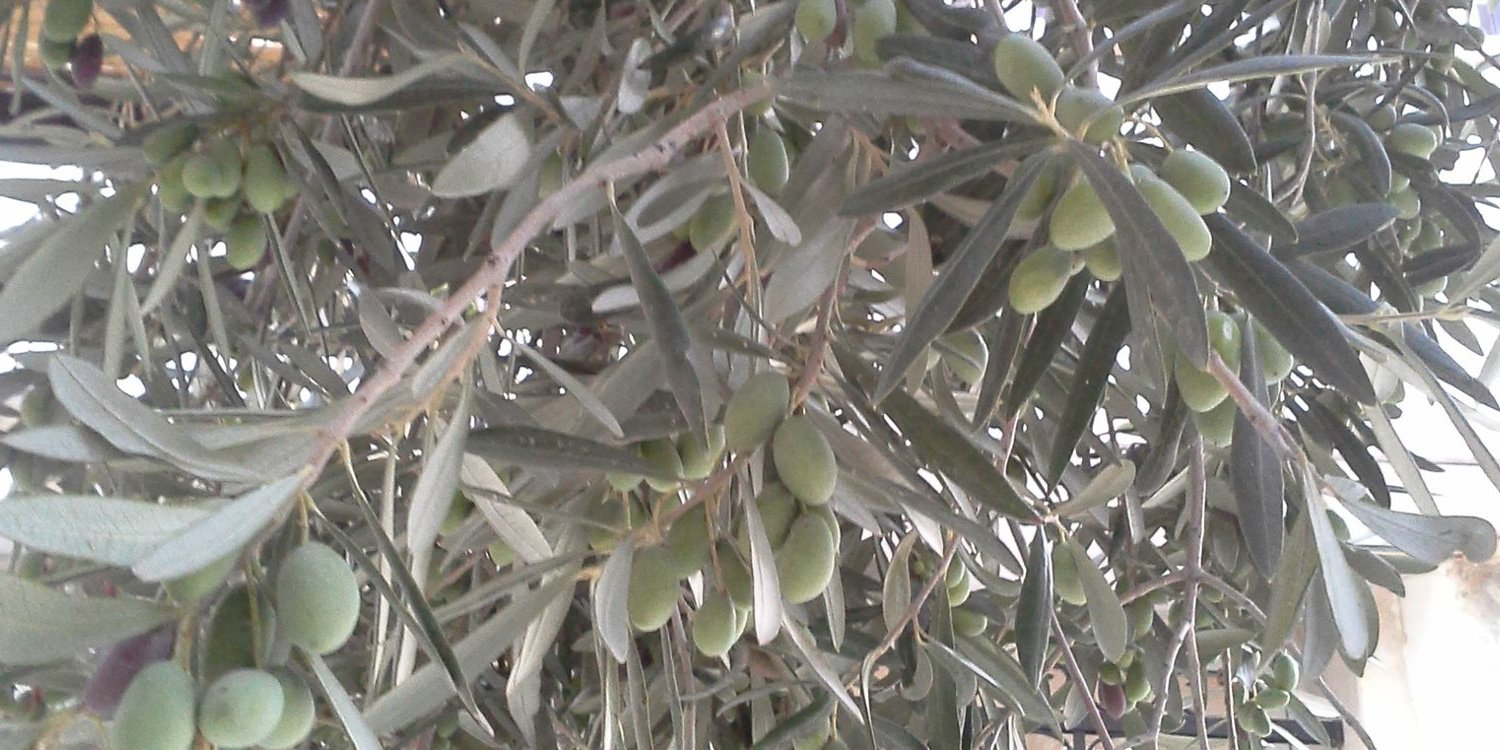
Fully dedicated to this year’s excellent olive oil quality crop. One more week to go. Extra extra virgin oil at 0.2% acidity level. Let me know (dm me) if interested!
Fully dedicated to this year’s excellent olive oil quality crop. One more week to go. Extra extra virgin oil at 0.2% acidity level. Let me know (dm me) if interested!
@FCollm My orchard is artisanal and not industrial level. But in my hometown Amioun we have a cooperative that exports to the whole worl. If interested dm me with your email and someone will contact you.
@nntaleb Still from sahhl. Tomorrow we start 7ewwarah ie white soil which is near your trees. Rendement exceptionel du sahl à 80kg cerise pour 20litres d huile
@jeff070@nntaleb Oh we do not have residue. After decanting we throw the residue. We produce soap from old olive oil from 3 or more years back. I personaly do not have old oil at all.