@kaixweb3@zerufinance zero collateral only works if zScore can survive sybils. someone can farm clean repayment history on tiny loans across ten wallets, then walk off with one big one.
@_maki29_@GeckoTerminal wstar doing $1.4M on $34K liquidity after a 93% drop looks like people dumping into a thin pool.
check whether the liquidity lock already expired.
@DeFiXpace@ValbloxGG clean ui is nice, but for keno i'd want the paytable and a way to verify draws before anything else.
smooth screens can't show you the rtp.
Lessons Learnt
Understanding the tools, markets and decision making is an essential part of trading.
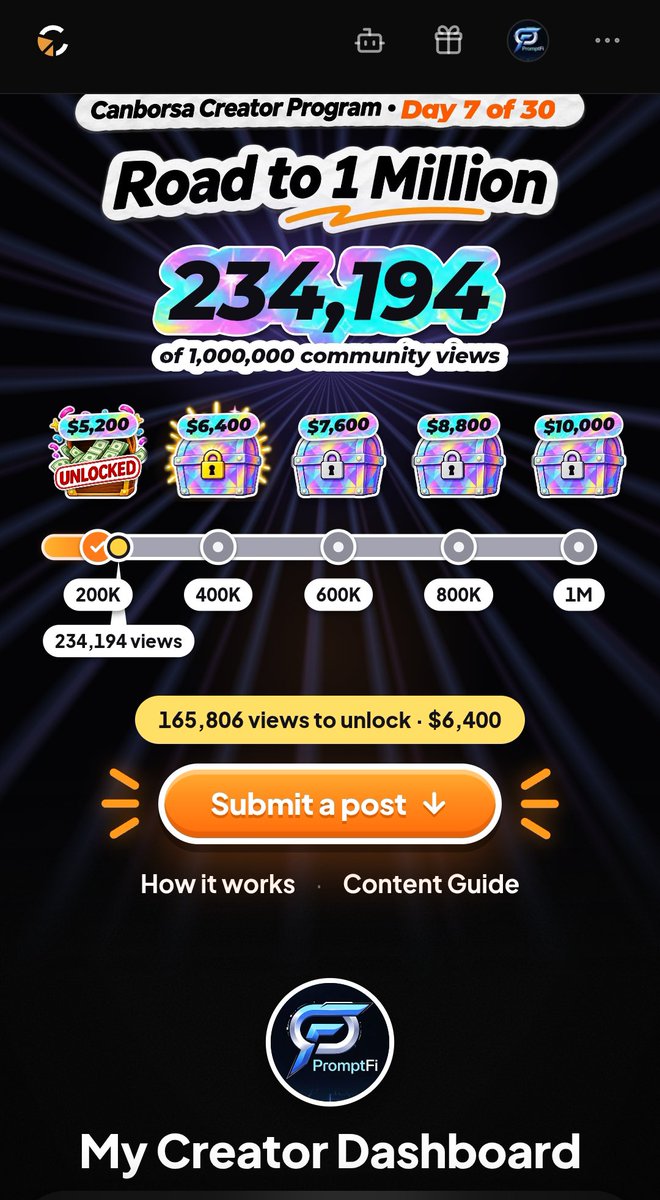
@Canborsa_DEX Experience
I have been learning many things through using this trading platform. From discovering how to navigate the app, to the types of positions available and trading opportunities available.
I really like that I can look up the market data, view the price changes and make trades on it all from my phone. It is very convenient to be able to keep track of the markets, even if I do not have a computer.
As well as placing positions on the market, I have learnt how to understand market conditions, analyse information and take calculated risks to make informed decisions.
I am getting to know new markets and getting to grips with new tools on the platform. There is always something new to learn and I am slowly growing my knowledge.
There are no short cuts. I’m taking things one step at a time, without unrealistic expectations.
I can’t wait to see where this journey takes me!
I don't want a trading agent that simply gives me a strategy and expects me to follow it.
I'd like to know why it made that decision in the first place.
That's one part of @FensoryApp I've been looking at.
When a trade doesn't go as expected, the agent can explain what went wrong and suggest possible changes to the strategy.
You can review those suggestions, accept them, reject them or edit things yourself.
I think having that choice matters. A bot can help with the analysis, but I'd still want to understand what's happening instead of following every suggestion without checking.
I'd also like to see more about the data it's using to make those recommendations.
That would make the whole process easier to trust.
For now, it's good to see that the user still has a say in how the strategy develops.
Creator early access is open until Nov 30.
Check at: https://t.co/Ex1efWfstV
@Ken_marque@FensoryApp same model made the trade and writes the post-loss explanation, so how do you know it's the real reason and not just a good-sounding story?
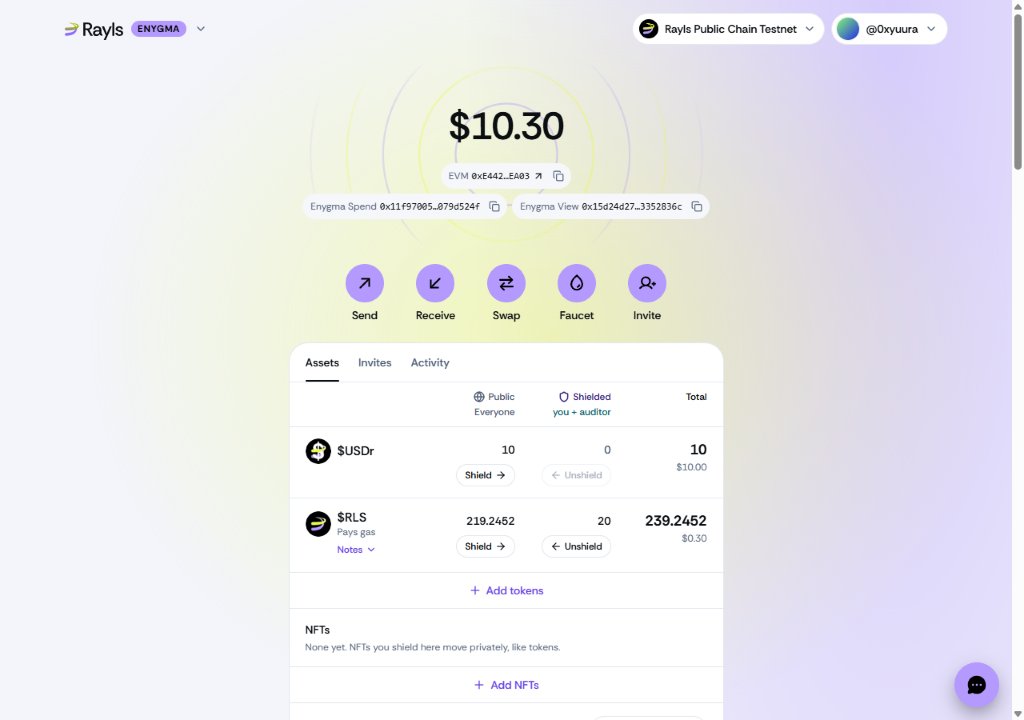
Before I could even shield a token on the Rayls Enygma Public testnet, my first 7.19 test $RLS went to registering my keys onchain so the auditor could read my future shielded activity.
I ran @0xyuura through @RaylsLabs' testnet pilot to see what actually stays public, what gets hidden, and where the friction is (all test tokens, no real value).
What if you could live another life? 🎮
Thanks to Binance's 1 in 300M game, I got the chance to experience a completely different life in the crypto world.
Meet my mini avatar, Arman Akhmetov.
🇰🇿 Country: Kazakhstan
🎨 Starting profession: Designer
🔶 Joined Binance: 2018
📅 Journey: 2018–2029
His journey was far from perfect.
Throughout 11 virtual years, Arman faced unexpected challenges, discovered new opportunities, and made decisions that shaped both his personal and financial future.
Some choices paid off, while others came with lessons worth remembering.
What I enjoyed most about this game wasn't simply growing a crypto portfolio. It was exploring the possibilities of a different life and discovering where each decision could lead.
It's interesting how a simple pixel game can make you think about risk, ambition, happiness, and what success really means.
From 2018 to 2029, Arman's journey was full of surprises.
One avatar. One life. Countless possibilities.
What would your Binance life look like?
#BinanceBlockchainWeek
@binance@BinanceAngels
A token allocation percentage is only half the story. The other half is understanding what sits behind the remaining supply.
@GenLayer starts with 4.2 billion GEN at genesis. 25% is allocated to the community, while the other 75% is split among the Foundation, team, investors, and DeepThought DAO.
I wouldn't judge this distribution by the community percentage alone. I'd also want to understand how the other allocations are divided and what their long-term roles are.
A transparent supply breakdown should make it easier to evaluate incentives, not just headline numbers.
When you assess a new token, what matters more to you: the community allocation or the full distribution structure?