Captain Carol Susan Jane Car-ELL Danvers! The true Captain Marvel! The music attached to this post is better than both Marvel and Warners Superhero universes put together. Superman Legacy? Whatever you say.
https://t.co/d8ZDIvRrcJ
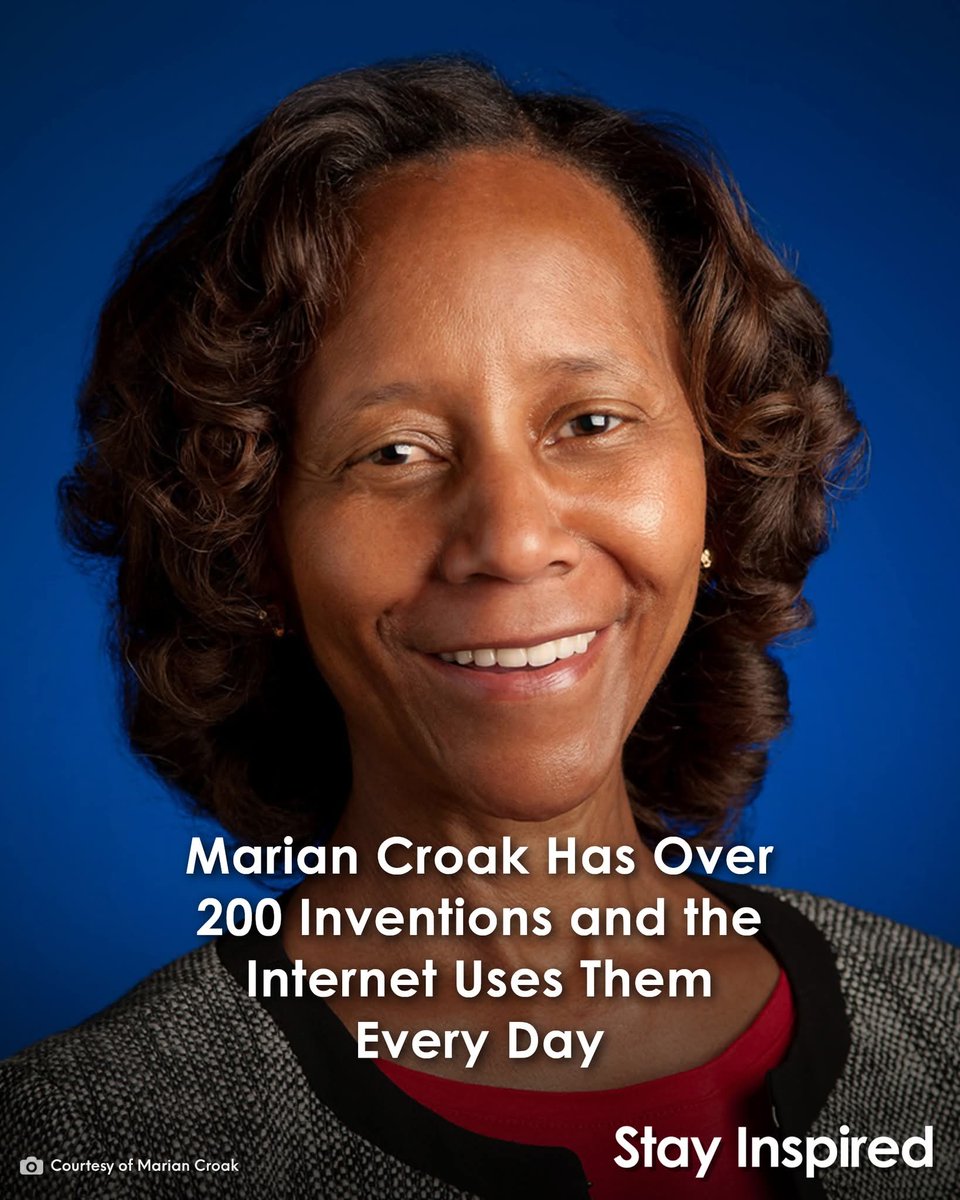
Croak is a prolific inventor in the voice and data communication fields, with over 200 patents to Marian Croak, the genius mind behind the technology that powers the way we all communicate today — Zoom, FaceTime, WhatsApp and more — has officially been honored with her place in the National Inventors Hall of Fame. 👑📲
With over 200 patents to her name, her work has shaped the world forever. Give her flowers while she can still smell them. 🌹
🚨BREAKING –
A big achievement for Black community
Victor Glover is set to become the first Black person to reach the moon. He is said to be one of the best astronauts in the history of NASA
"No one is going to give you the education you need to overthrow them. Nobody is going to teach you your true history, teach you your true heroes, if they know that that knowledge will help set you free"g. ~ Assata Shakur.
Lena Horne, Esther Rolle, Diahann Carroll, Eartha Kitt, Pam Grier, Nell Carter, Dorothy Dandridge, Isabela Sanford, Marla Gibbs, Della Reese, Hattie McDaniel, Mabel King, Lawanda Paige, Ruby Dee, and Cecily Tyson
These women represent generations of talent, resilience, and groundbreaking achievement in film, television, and entertainment. At a time when opportunities for Black actresses were limited and often shaped by stereotypes, they carved out space for themselves through skill, determination, and undeniable presence.
From pioneers like Hattie McDaniel, who became the first Black person to win an Academy Award, to stars like Dorothy Dandridge, who broke barriers as one of the first Black women nominated for Best Actress, each of these women contributed to changing how Black women were seen on screen. Their work challenged narrow roles and opened doors for more complex and meaningful representation.
Actresses such as Lena Horne, Eartha Kitt, Diahann Carroll, and Ruby Dee brought depth and versatility to their performances, proving that Black women could lead, inspire, and captivate audiences across genres. Others, like Pam Grier, helped redefine strength and independence in film, while figures like Cicely Tyson elevated storytelling with roles that honored dignity and cultural identity.
Beyond their performances, many of these women used their platforms to speak on social issues, advocate for equality, and push the industry forward. Their influence extends far beyond the screen, shaping both culture and opportunity for future generations. #WomensHistoryMonth
—If you love our content and would like to support the page, you can buy us a coffee here: https://t.co/K1AhtZuOFs
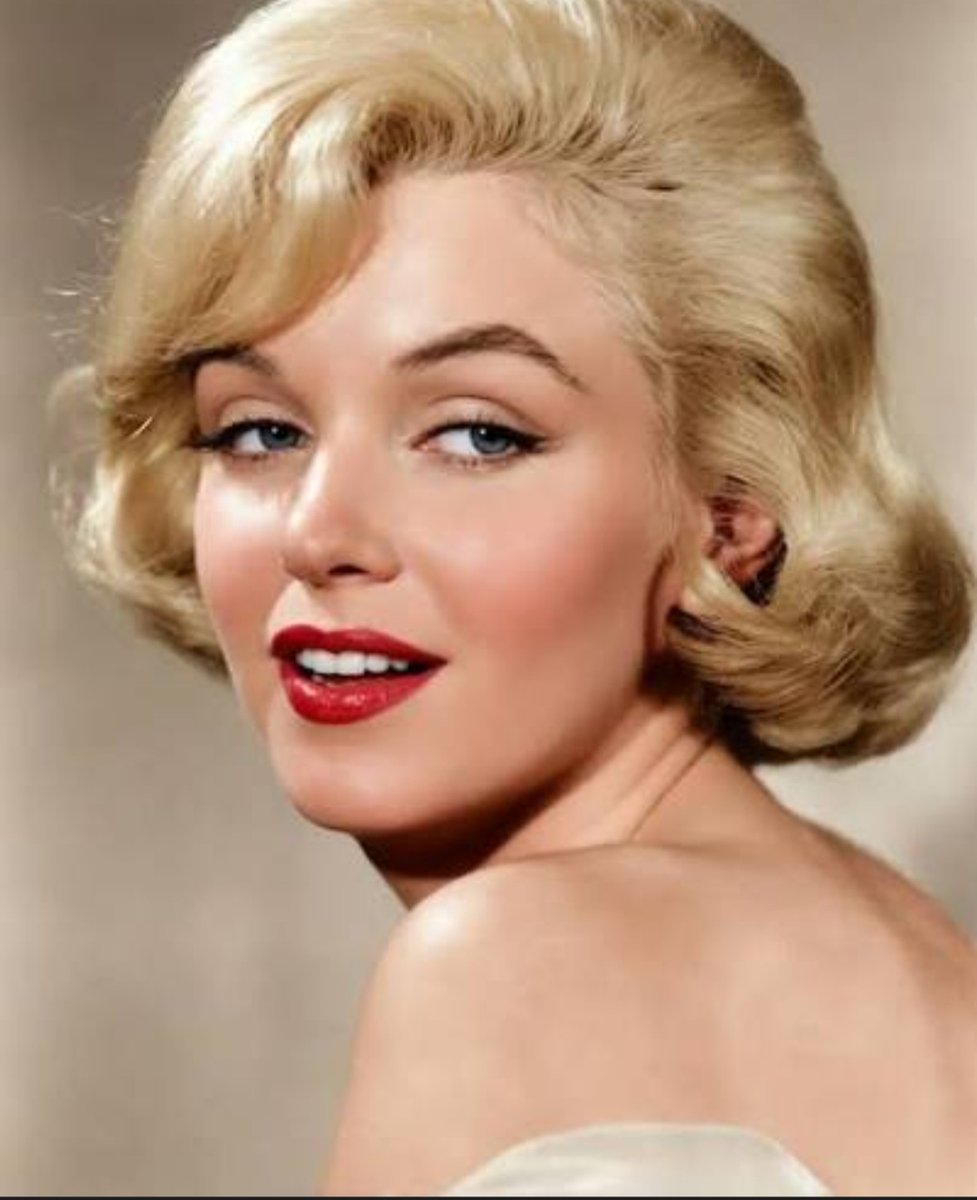
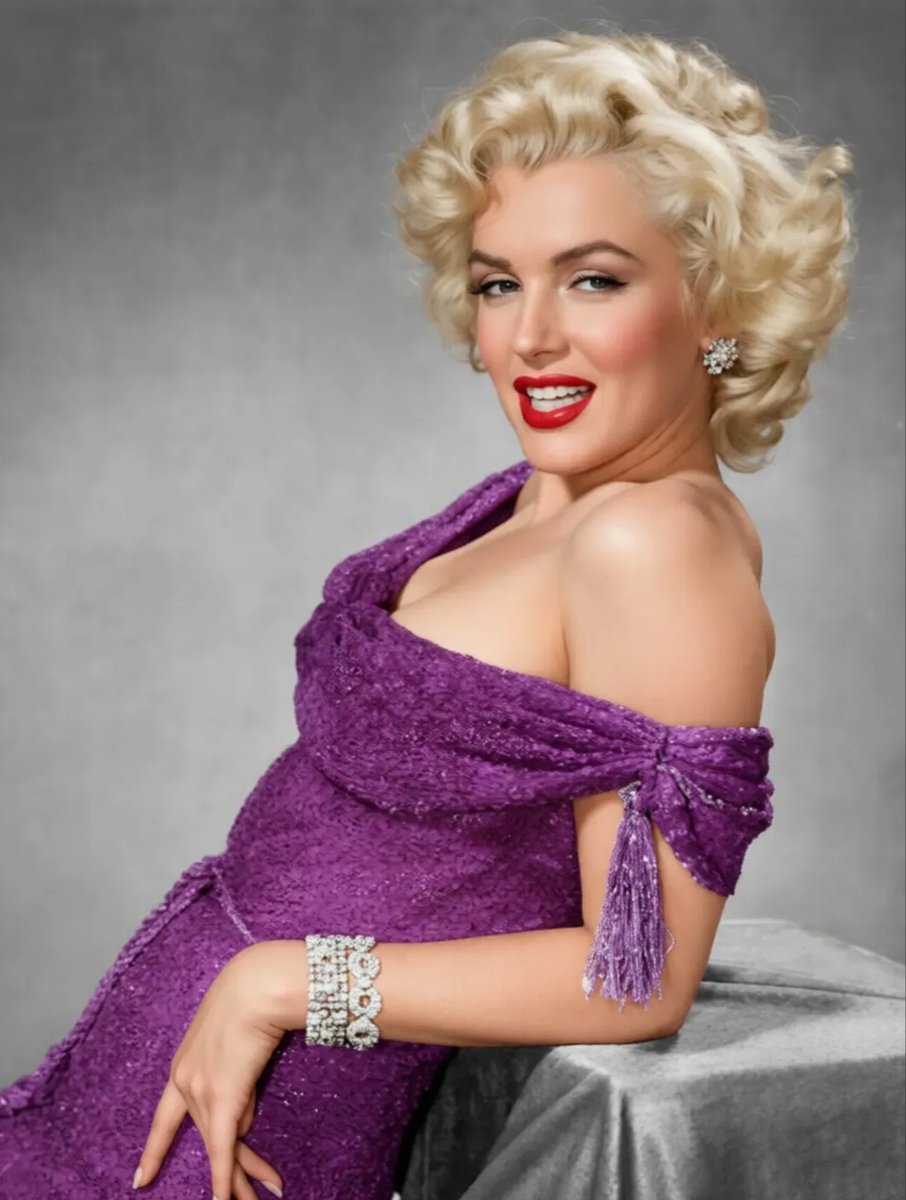
A truly confident, authentic presence is the ultimate statement of resilience, boldly showing the world that you are flawlessly thriving.
#marilynmonroe#beautiful#icon#classic#star
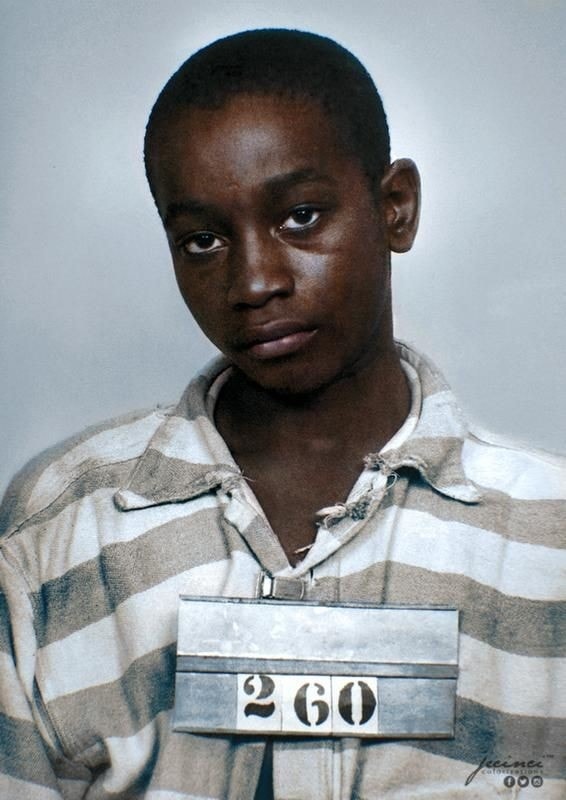
The youngest person ever sentenced to Death was 14 years old George Stinney an african who was accused of killing white girls aged 11 & 7. He was sentenced and killed with a 5380 volt shock in the electric chair. 70yrs later in 2014, George Stinney was proven innocent.
It took a jury of 12 white men 10 minutes of deliberation to find George Stinney guilty. His siblings claimed that he had an alibi. At the time of the murders, he was with his sister Aime watching the family’s cow.
It was also noted that a man named Wilford “Johnny” Hunter, who claimed to be Stinney’s cellmate, said that Stinney denied murdering Binnicker and Thames.
“He said, ‘Johnny, I didn’t, didn’t do it,'” Hunter said. “He said, ‘Why would they kill me for something I didn’t do?'” 😭😭
Bette Davis with Hattie McDaniel. Davis was the only white member of McDaniel’s troupe of performers to perform for black servicemen during WWII. McDaniel was the Chairman of the Negro Division of the Hollywood Victory Committee. She formed the troupe.
At a time when segregation was still deeply entrenched in American society, Hattie McDaniel used her influence to support Black troops serving overseas and at home. As Chairman of the Negro Division of the Hollywood Victory Committee, she organized performances specifically for Black servicemen—who were often excluded from mainstream USO shows.
McDaniel formed a troupe of performers dedicated to entertaining Black soldiers, bringing music, comedy, and a sense of home to those serving under difficult conditions. These performances were not just about entertainment—they were about recognition, dignity, and morale for troops who were fighting for a country that still denied them full equality.
Among those who joined her was Bette Davis, who stood out as the only white member of McDaniel’s troupe to perform for Black servicemen. At a time when racial divisions were strictly enforced, Davis’s participation in these performances was a notable break from the norm.
Hattie McDaniel, best known for becoming the first Black person to win an Academy Award in 1940, was far more than a Hollywood figure. She was an organizer, a leader, and someone who used her platform to create opportunities and visibility for Black communities during a critical moment in history.