i drew mochi as a judge at a night market stall for this one
@FUDmarkets just launched on solana mainnet, and they partnered with @GenLayer to resolve their markets
every day my timeline fills up with calls the ones that land get screenshotted for months and the ones that miss quietly disappear, so being wrong costs nothing
that's the thing fud is going after. it turns a call into a market where you have to put real money behind your side, and because it's permissionless anyone can open one in the drawing that's the two crowds, one buying green, one buying red
deciding who won is the hard part though "did this coin 100x" is easy, a price feed can answer it "did the team ship what they promised" isn't a number, and a normal smart contract has no way to read that
genlayer was built for exactly this kind of question it's a chain where contracts can reach a verdict instead of just doing math those glowing eyes above the stall are its validators, each running its own AI model, all reading the same question and settling on one answer together mochi holds the scale, but the verdict comes from the validators
the hourglass is there for a reason, these markets are short term
@RuzgarFlns@Aezakmi_x
been drawing genlayer for a while now, but never wrote the simple version
a normal smart contract can only see what's already on its own chain anything outside it has to be carried in by an oracle, and you end up trusting whoever runs that oracle
genlayer contracts read the outside directly a page, a document, a plain english sentence. and they can judge what they read, because a validator's node is running an llm
which raises the obvious problem ask two models the same question and you don't always get the same answer genlayer doesn't pretend otherwise the contract itself defines when two answers count as the same, so validators don't need identical output, just equivalent output
so it works like a court. a random committee gets picked, a leader proposes an answer, the rest check the same evidence on their own models and vote. majority carries it no majority and the leader gets replaced and someone else tries if that keeps failing, nothing gets written
the result is accepted first, not final. there's a window where anyone can appeal, and a bigger panel takes another look once that window closes, it seals
so the thing in the envelope was never on chain, and the stamp isn't one node's opinion @GenLayer
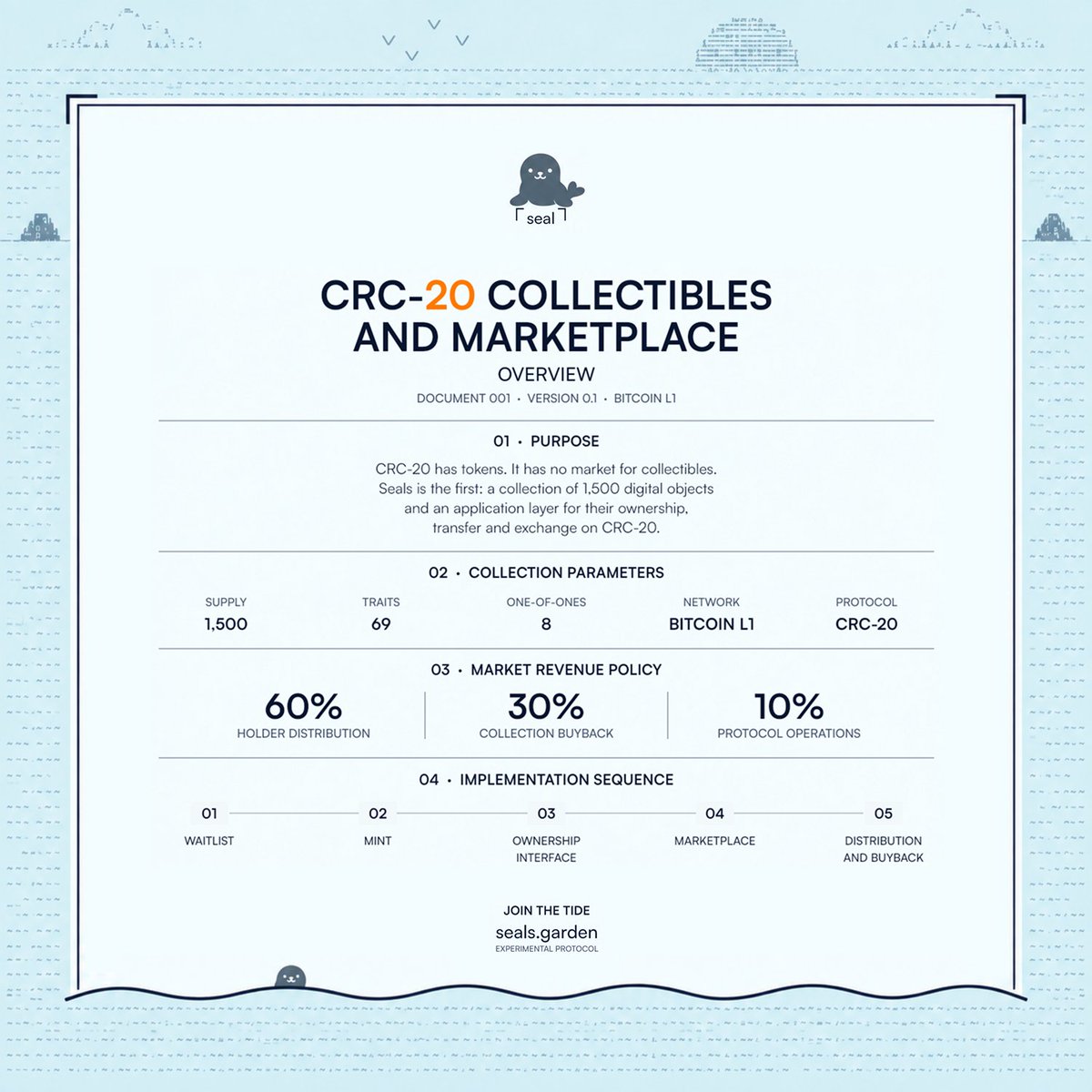
the pabal waitlist is live.
incubated by @Official_Upbit's @GIWA_by_Upbit.
no invitation needed. just connect.
follow · repost this · post on x
all three and you ride.
points are your place in line.
the line only gets longer.
https://t.co/4aFdAg2lJ9
send your horse.
🚨 ANNOUNCEMENT: QyroLabs Early Waitlist is Officially LIVE! 🚨
1/ What is QyroLabs?
QyroLabs is a next-gen, on-chain Web3 GameFi ecosystem built for high-performance gameplay. We’re combining true gaming fun with sustainable Fun-to-Earn crypto rewards.
2/ Early Access & Rewards
Be among the first to enter the QyroLabs ecosystem and secure your allocation before public launch!
👉 Get Early Access: https://t.co/acrAAFpp3t
📋 How to Get Started:
1️⃣ Sign up using your Google Account
2️⃣ Earn XP via referrals, daily activities, and community engagement
💡 Note: Your XP directly dictates your reward allocation — 1 XP = Real Future Value!
🔔 Follow us & turn on notifications so you don't miss key updates
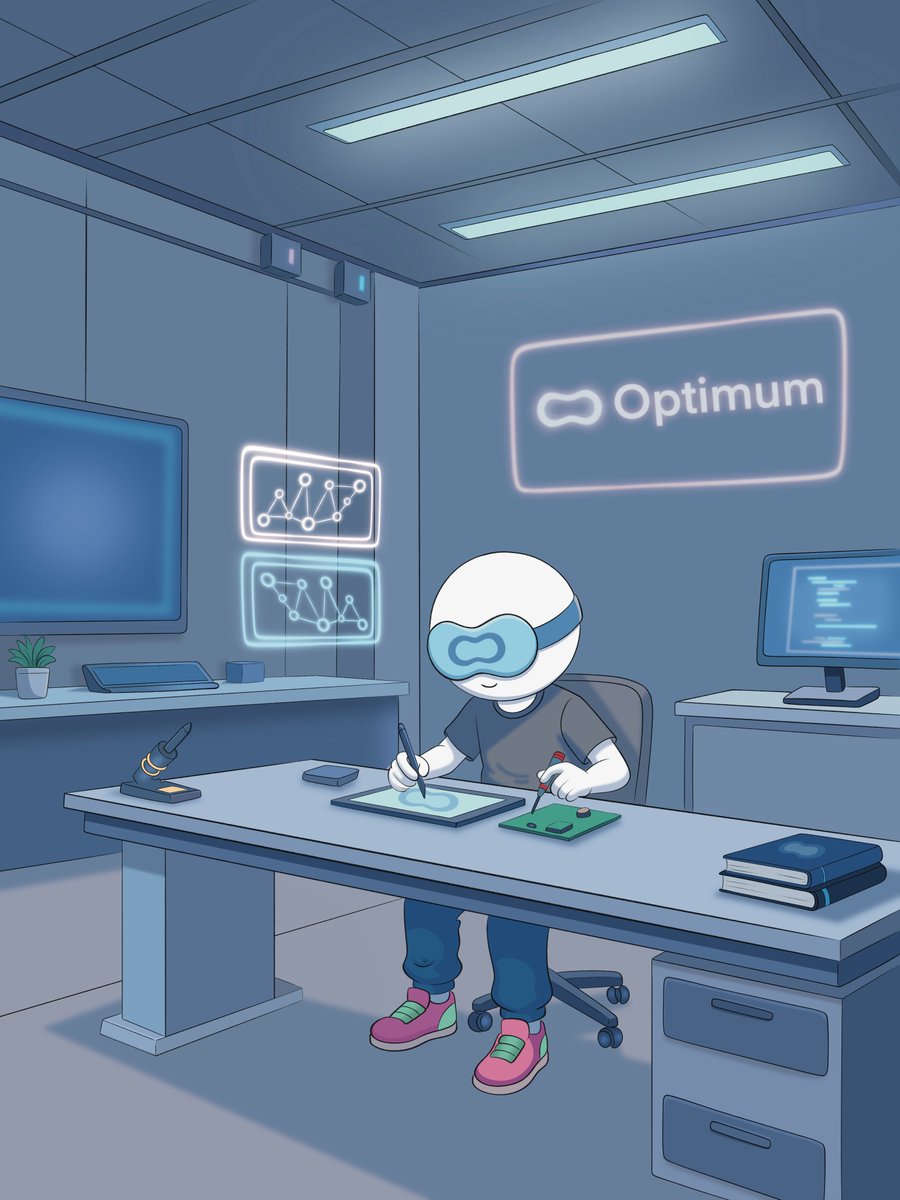
kept looking at how many different jobs are stacked into this one small room before i understood why that mattered
someones hands are busy with something physical on the desk, a monitor across the room has code quietly scrolling by itself, and two network diagrams just sit pinned to the wall like reference material nobody explains out loud
used to think of optimum as just software honestly, a protocol living in a repo somewhere, math turned into code and thats basically it
then i actually read through what running a gateway means and it wasnt that simple at all, the server it sits on has to be configured right, the code has to compile and deploy without breaking anything, and the peers around it have to actually be reachable, real ip addresses, real ports, real distances between machines
none of those three gets to be someone elses problem later on, you can write the cleanest protocol in the world and it still does nothing if a port never got opened or a peer list has one wrong address in it
thats the part i wasnt picturing when i first read through the docs, i kept imagining a clever algorithm sitting somewhere, not a whole checklist of configs that all have to be right on the exact same day
still feels like the less glamorous half of the story, but its the half that actually decides if any of the fast numbers are real @get_optimum@cryptooflashh@TheBl0ckBoy@CryptoSundayz
#optimum
theres no launch moment for this one
no new chain, no token to trade, no consensus change to argue about on a forum for six months
@get_optimum just sits next to your node and moves data better
that's genuinely it
you keep your client, you keep your keys, gossipsub keeps running underneath, and if the thing falls over your validator carries on like nothing happened
which is why forty something operators put it on testnet already, billions in stake behind them, because the question was never "is this worth the risk", it was "what risk"
and the numbers held, around 150ms propagation, roughly 6x the baseline, months of it, not a demo week
i think that's the part people underrate
the infrastructure that actually gets adopted is rarely the loudest, it's the kind you can just switch on, no migration plan, nothing to explain to anyone
blocks show up sooner and that's the whole story
you'd walk right past this door, i almost did