Some journeys are less about ticking boxes and more about how they are shared.
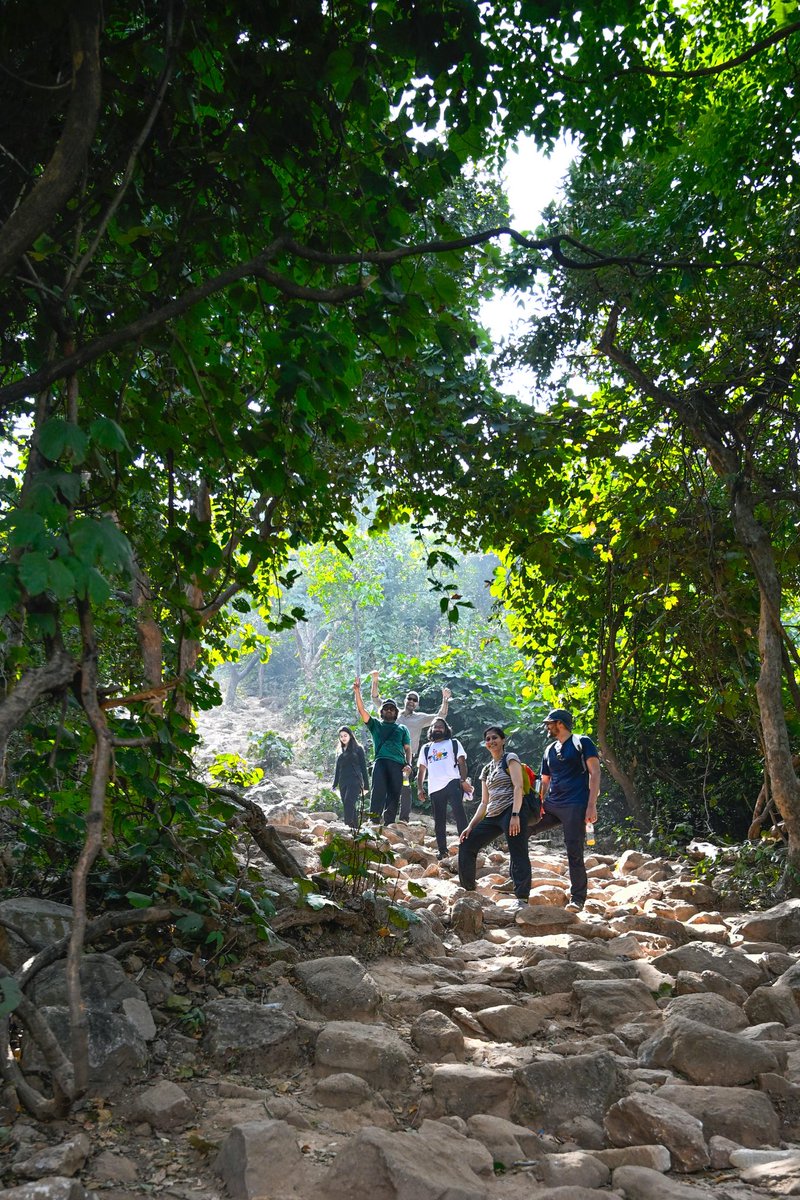
It was a pleasure hosting @YiRaipur in #Akaltara. We climbed #DalhaPahad and then had the perfect unwind at the ancestral home of our founders, a place that has seen over a hundred years go by.
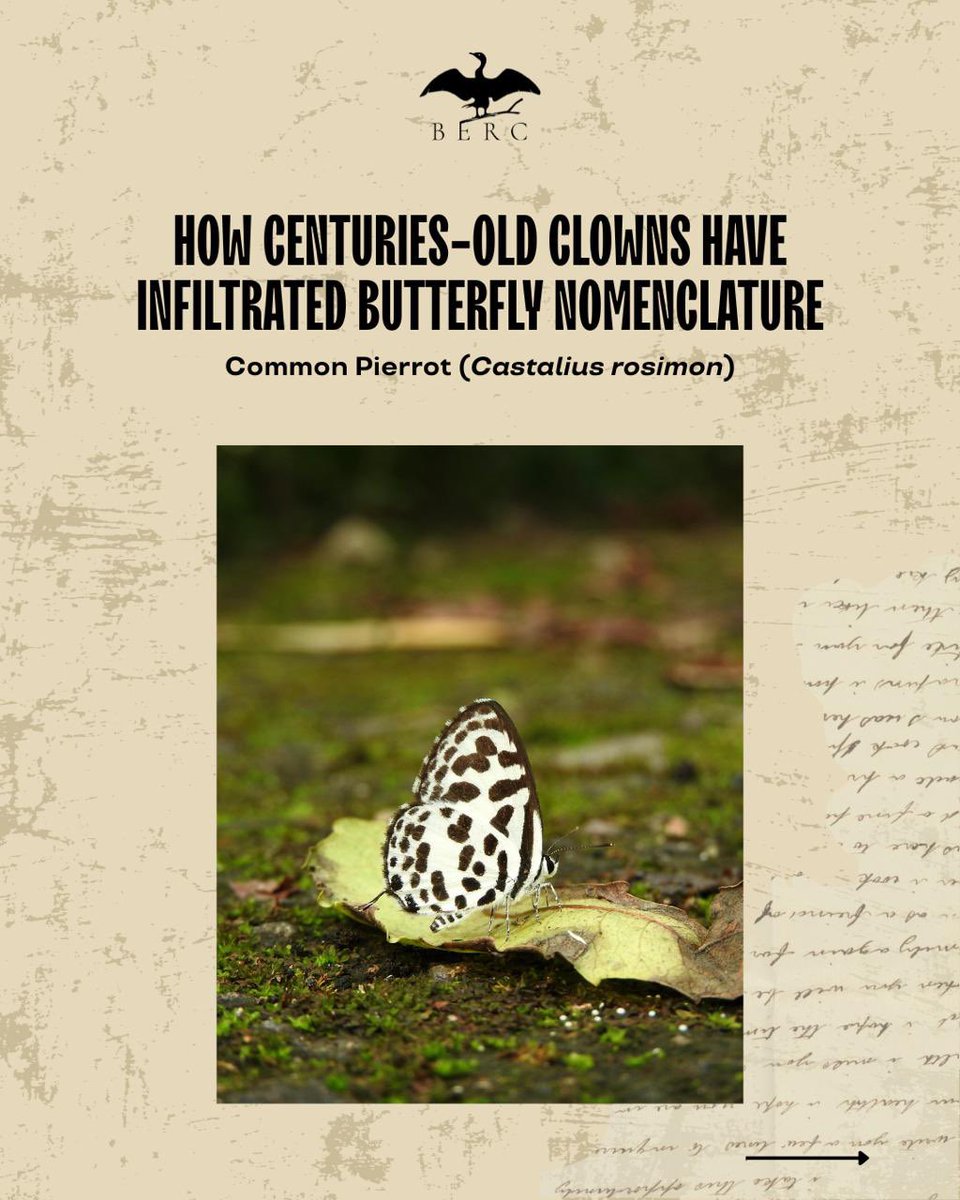
The second story in our series explores the Pierrot butterflies, whose patterns and name carry an artistic legacy of their own.
Follow @BERCtrails for more fascinating crossovers between art and the natural world.
The Red Avadavat, common across India, once seen stays seen in the mind.
On @berctrails, we often lean on the door of nomenclature; once opened, it reveals a whole new world. Which wildlife names have captured your attention? Let us know!
#BirdsofIndia#BirdStories#BERCTrails
The National Geographic cover and story, a first by an Indian, has brought international recognition to our commitment to tiger conservation. The century old tiger specimens preserved by Chhattisgarh’s Akaltara family have played a vital role in this pioneering study based around Simlipal tigers, covered by Prasenjeet Yadav.
Our researcher Anupam Singh Sisodia is co-investigator in the world’s first project on ancient DNA in wildlife, led by Prof. Uma Ramakrishnan at The National Centre for Biological Sciences (NCBS), comparing ancient and present day tiger DNA to guide future conservation strategies.
Chhattisgarh takes pride in contributing to a global milestone in wildlife science and remains committed to safeguarding our magnificent tigers.
@NatGeo@prasen_yadav@iAnupamSingh@uramakri@NCBS_Bangalore
So proud of @iAnupamSingh for being part of this important @NatGeo story by @prasen_yadav , which highlights both the problem and the incredible work underway, led by @uramakri , to secure a healthy future for our tigers.
As the tiger population has been on the rise, conversely, the corridor forests connecting the larger islands of protected areas have shrunk. This has led to a modern day, active threat of inbreeding amongst tigers isolated in the island forests.
The beauty of the Simlipal black tiger hides a deeper story about the future of tiger conservation. Read the full story to understand why protecting corridors and genetic diversity is so crucial for the survival of these magnificent creatures.
Pluck. Toss. Snack. Repeat.
An Indian Grey Hornbill puts on its evening show in a bustling urban setting. Accessing wildlife doesn’t always require remote jungles or expensive gear, mostly, all it takes is a keen pair of eyes and ears.
📸 : @iAnupamSingh
The Supreme Court issued a series of directions to the Central government, States and Union Territories to ensure the effective implementation of the Protection of Women from Domestic Violence Act, 2005 (DV Act).
To this end, the Bench has ordered government authorities to ensure the appointment of protection officers across India, as required under Section 9 of the DV Act.
Read the details: https://t.co/g9LiEQFDd4
#SupremeCourtofIndia #DomesticViolenceAct #BarandBench
Why do many academic meetings in India feel more like a wedding or a festival than a scientific gathering?
You walk into the hall and see the stage covered with flowers—on the podium, across the front, and even above the stage. It gives the appearance of a grand celebration rather than a conference. This is something uniquely Indian. In most international academic meetings, the focus remains on science and research. The stage is minimalistic, the energy is academic, and the purpose is clear.
But in India, often the inaugural ceremony becomes the highlight of the event. A stage full of VIPs and political leaders, a long queue of vehicles outside, and more importance given to who is lighting the lamp than to who is presenting groundbreaking research. It becomes a display of power, status, and celebration.
Isn’t it time we shift the focus back to science?
Let us respect the spirit of research, innovation, and academic exchange. Flowers are beautiful, yes, but not at the cost of overshadowing science.
Let’s celebrate ideas—not decorations.
Hon’ble CM and Dy. CM of Chhattisgarh reaffirmed their commitment to child safety by launching an online child protection course for Chhattisgarh police supported by UNICEF.
The initiative will strengthen the capacity-building of police personnel in the state regarding child protection.
#ForEveryChild, protection
Thank you,Gitanjali for the excellent moderation.The way we look interaction of Nutrition & mental health is not a biological but more of social,including adequecy& diversity of food during the crucial periods of life course and also related taboos of diet during mental illness.
@vijaydayaramk@EkjutIndia@PritiSridhar of @mariwalahealth on key considerations for supporting the mental health of tribal youth, and Manisha Nag, a BSc student on her personal journey growing up in Bastar. A valuable conversation in the scope of tribal mental health.
Pleasure to moderate a panel on youth mental health in tribal communities as part of #JanjatiyaGauravDivas, celebrating the legacy of Birsa Munda and India's tribal contributions.
Insightful discussions with @vijaydayaramk (NHM Director & former Bastar Collector) on #ManoBastar initiative, connecting mental health support with Tribal Residential Institutes. Sachin Barbade of @EkjutIndia on the nutrition-mental health link.