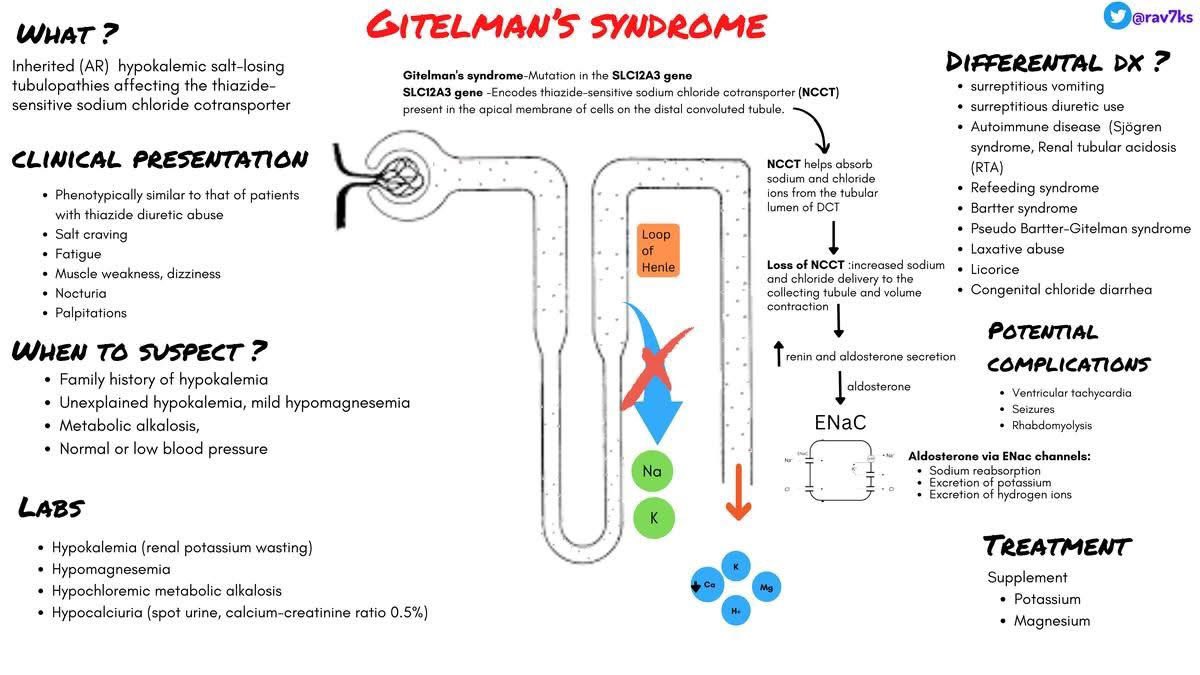
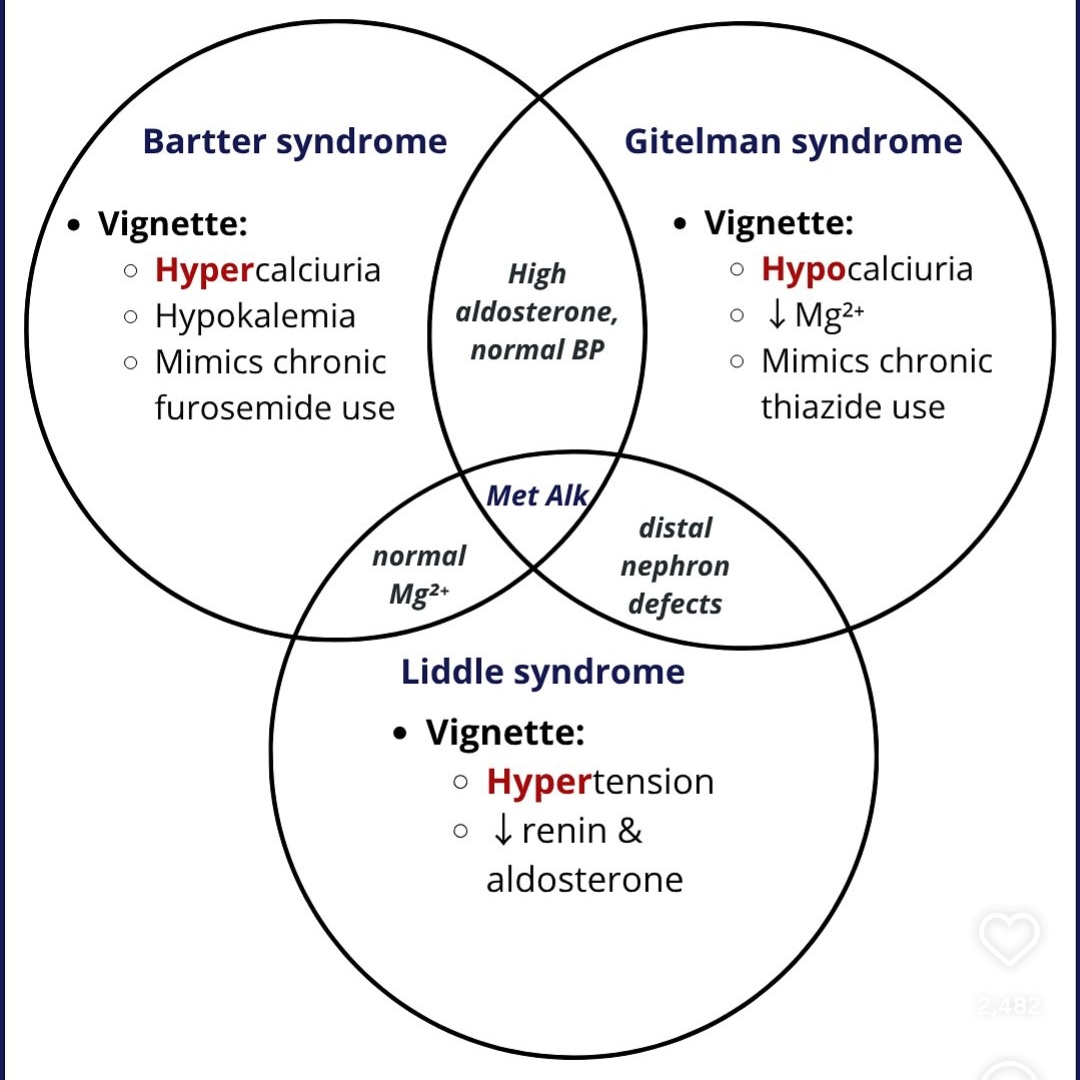
Raising awareness of the rare, potentially life-threatening, genetic tubular kidney disorder. A salt-wasting condition which presents with severe low K+ and Mg.
@kidneycareuk I’m finding so many patients reaching out for specific specialists in rare kidney diseases like Gitelman Syndrome and Bartters Syndrome, and we need to sign post to consultants who can head up treatment plans, and monitoring. #support
I literally never see articles written about my kidney condition, so always nice to see someone taking the time to find out more about it:
https://t.co/5DMyOAJh6G
Case Report: Gitelman syndrome with a suspected MEFV- associated autoinflammatory phenotype: diagnostic challenges in a complex case https://t.co/iNy9zPZzs2 #FrontImmunol
🧬 People living with a rare disease often wait years for answers.
💜 Equity means every person deserves the same chance to benefit from a treatment for their condition.
👉 Learn more: https://t.co/e2HX63E90A
#RareDiseaseDay #EquityForRare#TreatmentAccess
In a few days, for #RareDiseaseDay, NORD will speak to #Congress about how patient advocacy drives #RareDisease innovation.
Join our Congressional briefing:
📅 Feb 24, 10–11:30AM
📍 Capitol Visitor Center, #DC
🥪 Open to public, lunch provided
RSVP now: https://t.co/EFSKtMJUNG
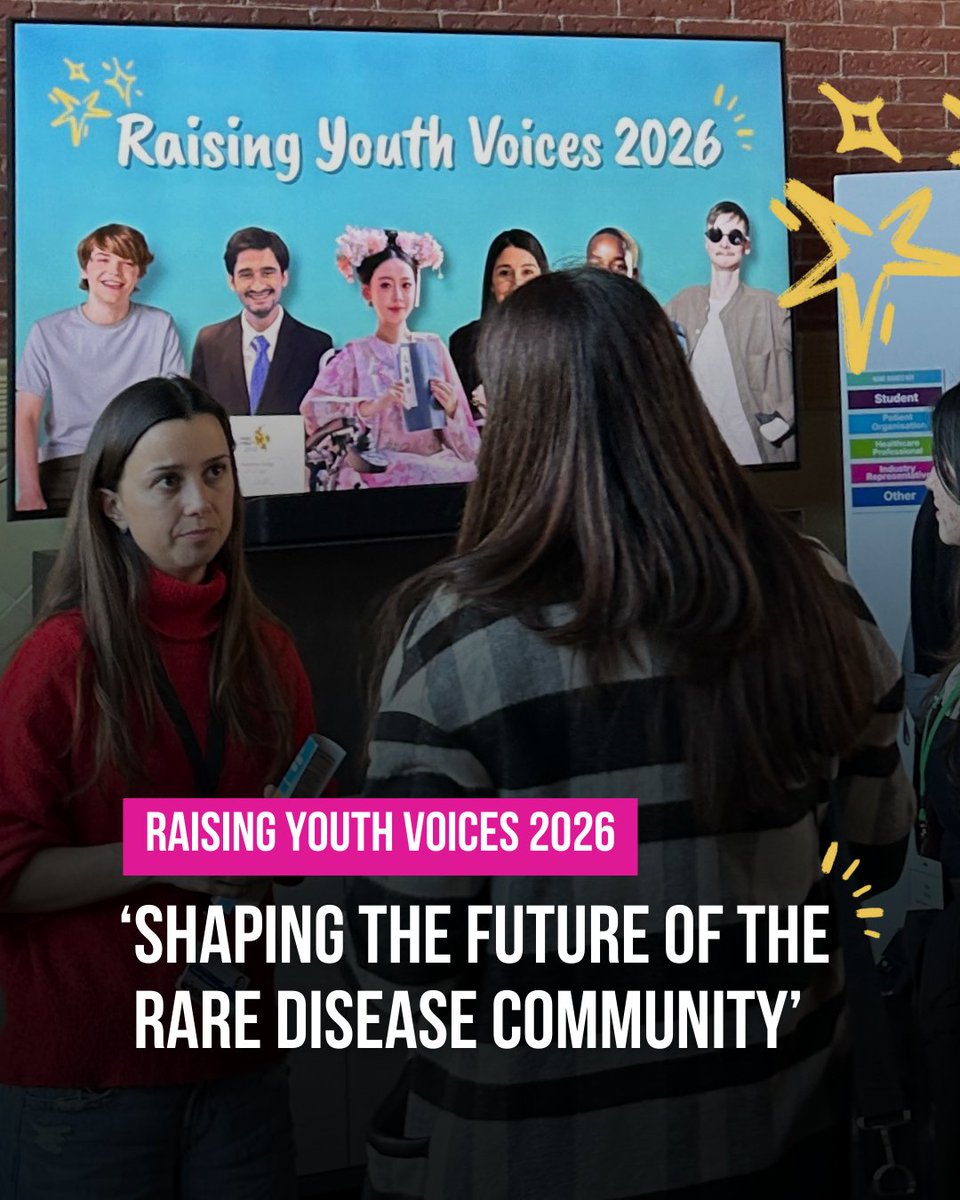
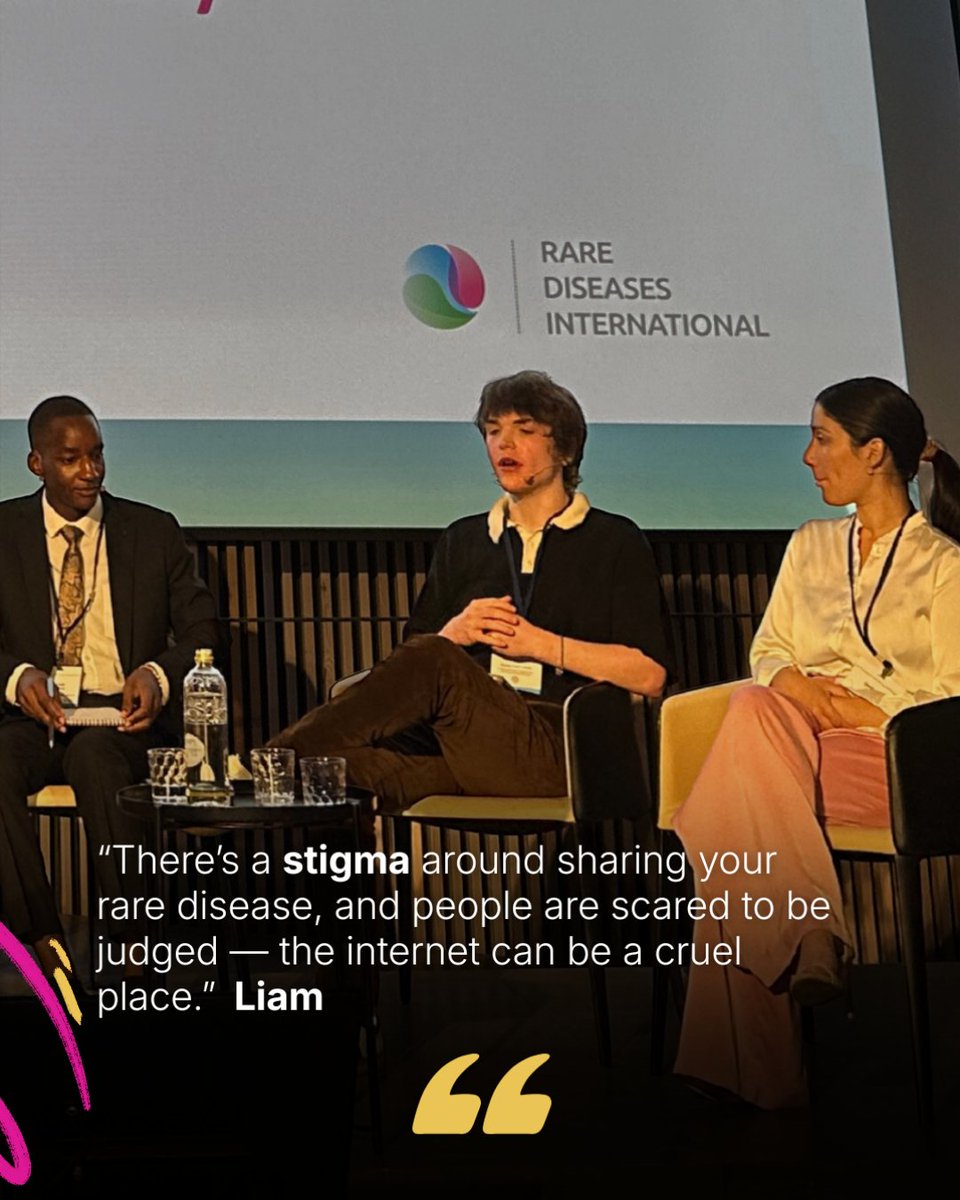
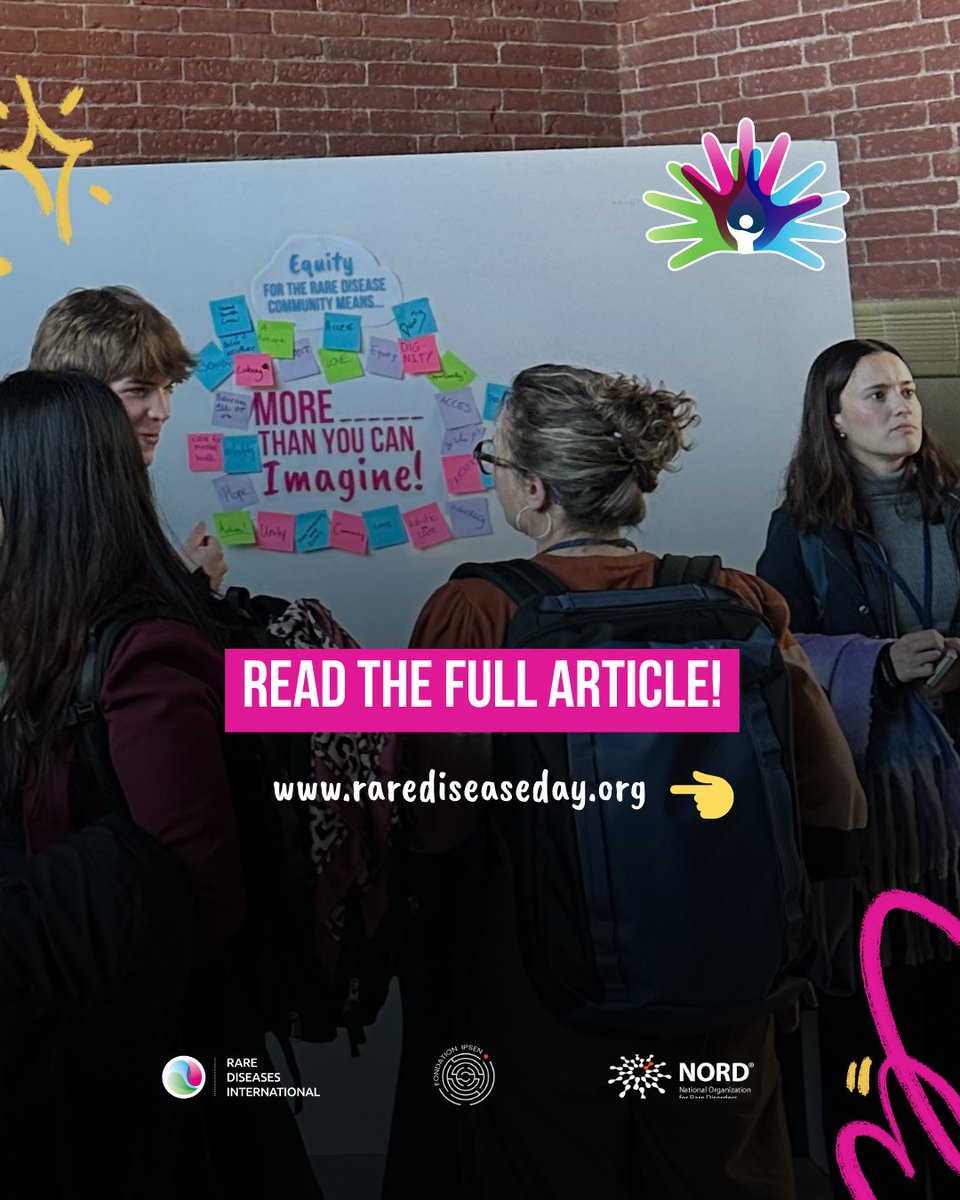
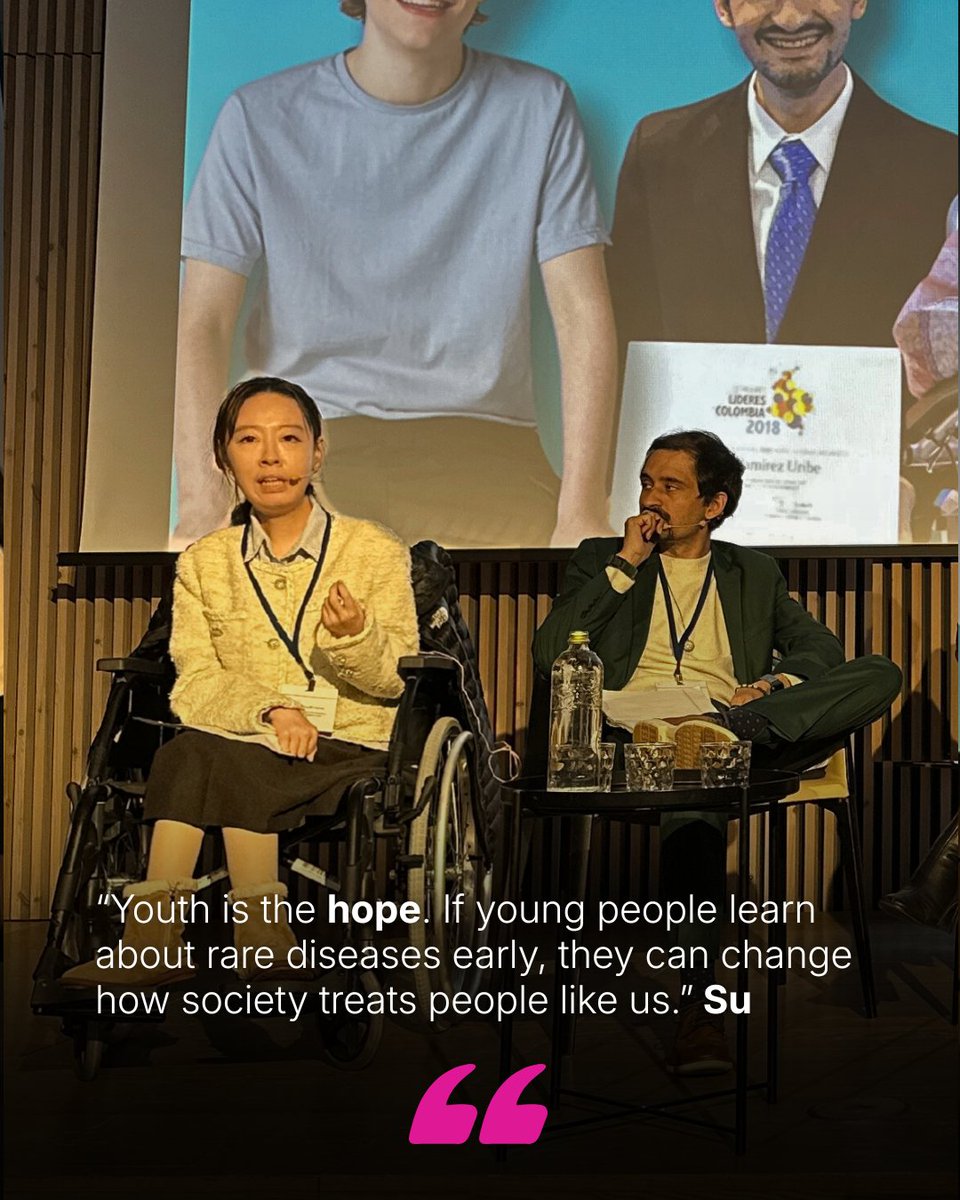
What happens when young rare disease advocates from across the world are given the space to speak, connect and lead?
👉 Read the #RaisingYouthVoices2026 article here: https://t.co/lGX8BjstAC
#RareDiseaseDay#PatientAdvocacy
This time next week it’s #RareDiseaseDay!
Let’s amplify the voices of the rare community and their experiences of inequity. Raise awareness NOW with our advocacy pack and use your voice to build an equitable future 👉 https://t.co/tuaH3ta2Ob #RareDiseaseDay2026#Rarequity#RDD
Introduction: Gitelman syndrome (GS) is a rare inherited salt-losing tubulopathy with limited clinical data. Methods: Surveys were conducted with GS physicians in Europe and patients with GS in the Netherlands to compare findings with the general population. Results: Data from 587 patients (25% pediatric) across 13 countries showed 93% were genotyped, with 94% having variants in SLC12A3. Children with GS were shorter and lighter than the general population, with lower bodyweight persisting into adulthood. The sex distribution was uneven, with more males in childhood and more females in adulthood. Patients with GS had the expected electrolyte disorders as well as significantly lower blood phosphate levels. Positive correlations were found between blood magnesium and potassium, and potassium and aldosterone. Physicians reported muscle cramps, salt craving, and muscle weakness as most common GS symptoms. Patients with GS scored worse than the general population in fatigue, physical, and cognitive function; and ranked salt craving and polydipsia-polyuria as the most severe symptoms. Symptom burden was higher in adult females and patients with lower blood magnesium. Treatment mainly consisted of potassium (94%) and magnesium (50%) supplementation. Potassium-sparing medication (used in 33%) slightly increased blood potassium levels (3.2 vs. 3.1 mmol/l). Adult patients with GS had a high prevalence of chondrocalcinosis (15%) and elevated blood cell counts (26%). Compared with the general population, adult patients with GS had lower rates of chronic kidney disease (CKD) and hypertension, a similar rate of diabetes, but a higher rate of albuminuria or proteinuria (28%). Conclusions: These findings provide new insights into GS, highlight disease burden, and suggest areas for future research. https://t.co/4zNl5Dtp6G