We are pleased to announce that the EPA has granted federal registration for low‑volatility dicamba herbicides in 34 states. State approvals and applicator training coming next. Full details at https://t.co/AG2KVVGsJC
Big news! 🌼🌱
We're investing $45M in a new canola innovation centre in Winnipeg to accelerate higher-yielding, better-performing hybrids, advance regenerative practices and keep Canadian growers competitive for the long term.
Read more: https://t.co/MtzSRINL9B
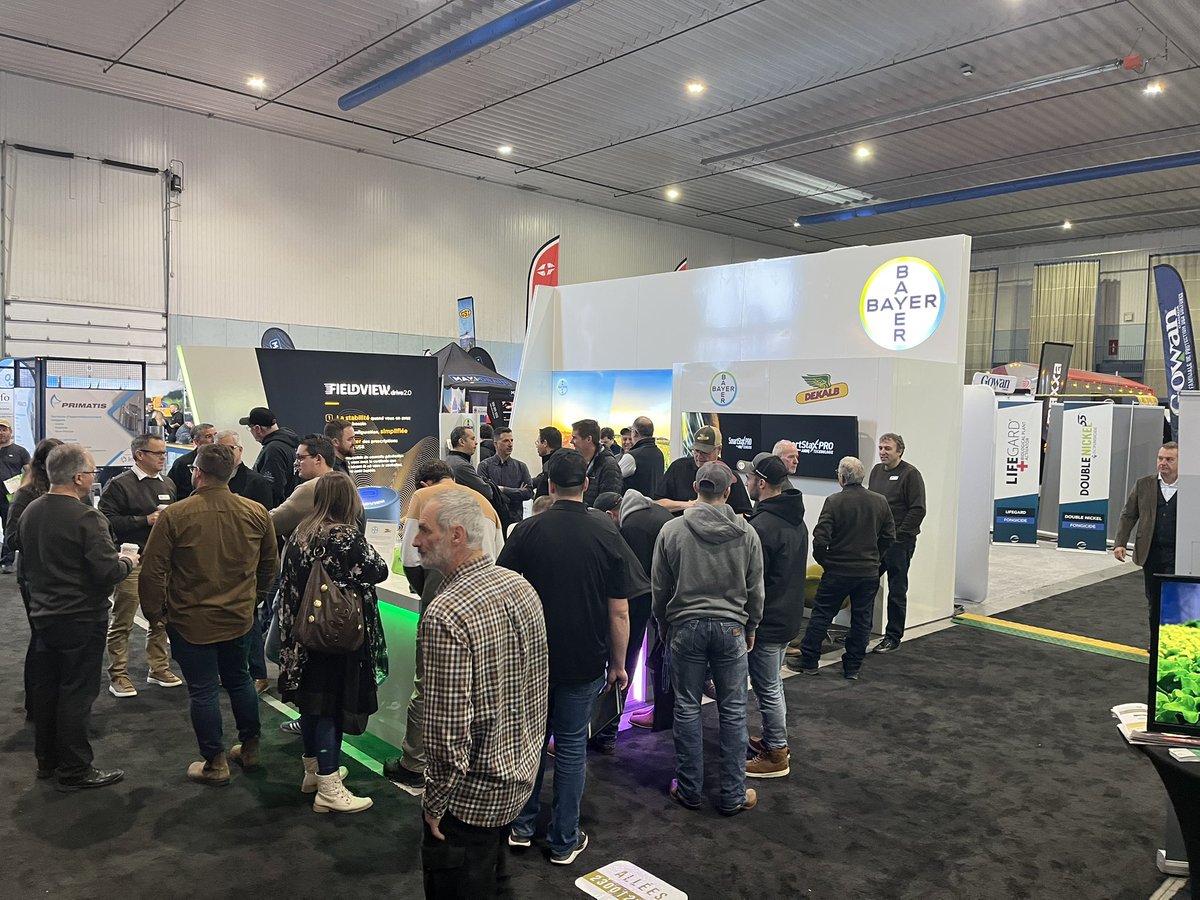
SO MUCH to see and do at the Bayer booth this week at @outdoorfarmshow! NM-131 😌
Come chat new @DEKALB_Canada, @BayerTraitsCA, crop protection and the latest on FieldView.
See ya today through Thursday! #COFS25
SO MUCH to see and do at the Bayer booth this week at @outdoorfarmshow! NM-131 😌
Come chat new @DEKALB_Canada, @BayerTraitsCA, crop protection and the latest on FieldView.
See ya today through Thursday! #COFS25
At Bayer, we tip our hats to Canadian farmers. The mighty 1.6% of Canada’s population. Thank you for all you do. @Bayer4CropsCA
Uncommon - The Mighty 1.6% https://t.co/ytDHlN2RMU via @YouTube
Big news on Delaro Complete fungicide for corn growers. We just received PMRA approval for our new 20 acre/jug rate for higher yields and crop quality protection. @Bayer4CropsCA
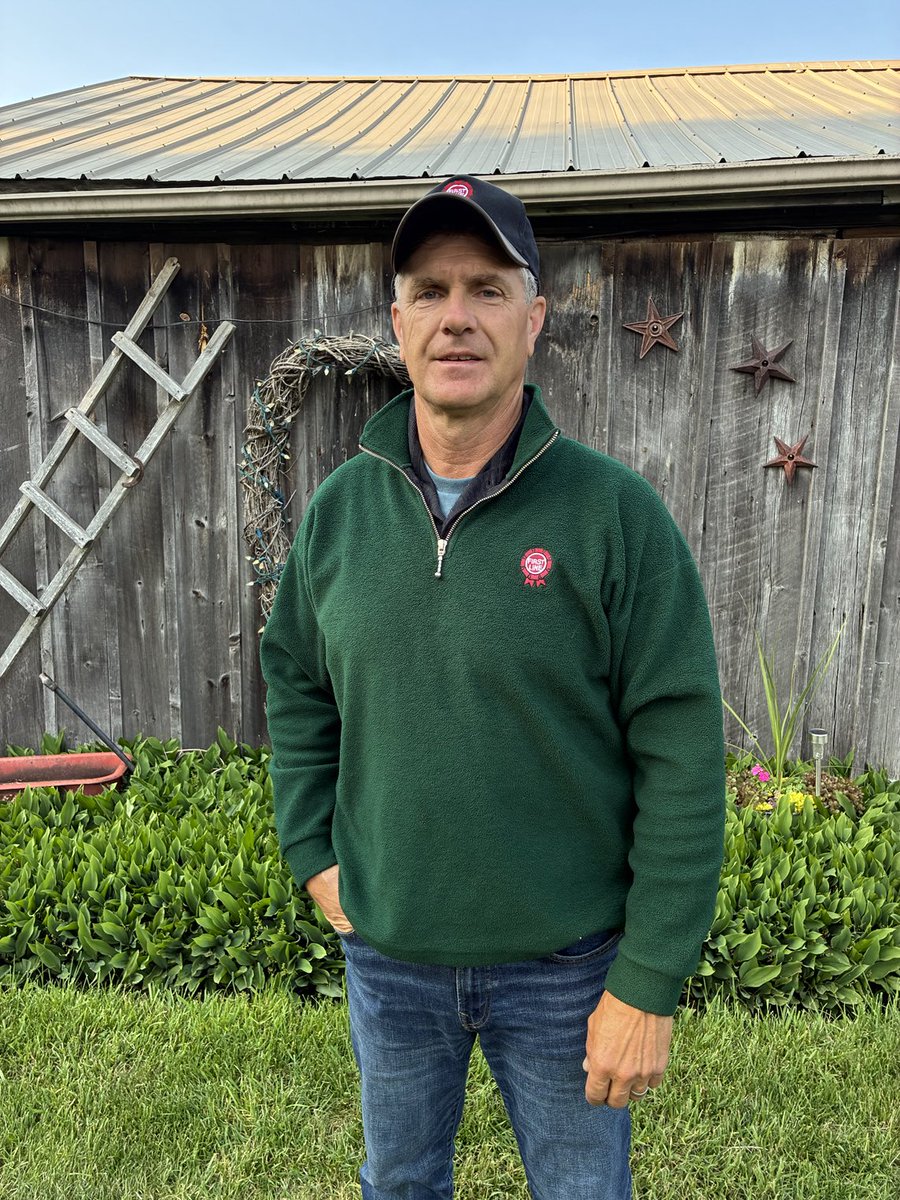
Today I wore some old First Line Seeds gear in honour of Peter Hannam. He introduced me to the seed industry. He was an innovator, a great leader, motivator and had a tremendous impact on Agriculture. He taught us change is good. RIP Peter. You will be missed and never forgotten
🐴 Today, we pause to remember...
On April 6, 2018, 29 lives were forever changed in the #HumboldtBroncos bus crash.
💚 Our hearts are with the victims and their families.
💛 We carry the spirit of a team that inspired the world with its strength, unity & resilience.
#HumboldtStrong
Huge news from @BayerTraitsCA!
Introducing NEW Vyconic soybeans with 5 herbicide tolerances: glyphosate, glufosinate, dicamba, 2,4-D and mesotrione based herbicides.
Now that's flexibility. More here: https://t.co/6DAhphoomL
#IconicVyconic
Is glyphosate a dangerously high toxic agricultural chemical. In his 2017 study “Long-term trends in the intensity and relative toxicity of herbicide use,” Andrew Kniss analyzed herbicide usage and associated toxicities over a 25-year period. The study found that Glyphosate, in particular, accounted for a significant portion of herbicide applications��26% in maize, 43% in soybean, and 45% in cotton. However, due to its relatively low chronic toxicity, glyphosate contributed minimally to the chronic toxicity hazard in these crops: 0.1% in maize, 0.3% in soybean, and 3.5% in cotton.
The 2017 study provides a comprehensive analysis of the toxicity of herbicides used in U.S. agriculture over a 25-year period. since the introduction of GM crops in the mid 1990s. The study specifically ranks glyphosate’s toxicity relative to other herbicides and finds that it is one of the least toxic herbicides available.
Key Findings and Statistics:
1.Acute Toxicity Ranking:
•Glyphosate was found to have lower acute toxicity to humans than 94% of all herbicides analyzed in the study.
•It was also less acutely toxic than many common household substances, including vinegar and table salt.
2.Chronic Toxicity Ranking:
•Glyphosate exhibited lower chronic toxicity than 90% of all herbicides, making it one of the safest options for long-term exposure.
3.Usage vs. Toxicity Contribution:
•While glyphosate accounted for a significant percentage of herbicide use (26% in maize, 43% in soybean, and 45% in cotton), it contributed minimally to chronic toxicity hazards:
•0.1% of chronic toxicity risk in maize
•0.3% in soybean
•3.5% in cotton
4.Comparison to Organic and Alternative Herbicides:
•Many organic pesticides (such as acetic acid, copper-based fungicides, and rotenone) exhibit significantly higher acute and chronic toxicity compared to glyphosate.
•Some natural pesticides, including botanical insecticides, have lower LD₅₀ (lethal dose) values, meaning they are more toxic than glyphosate when considering their effects on human health and non-human animals.